
Lihue
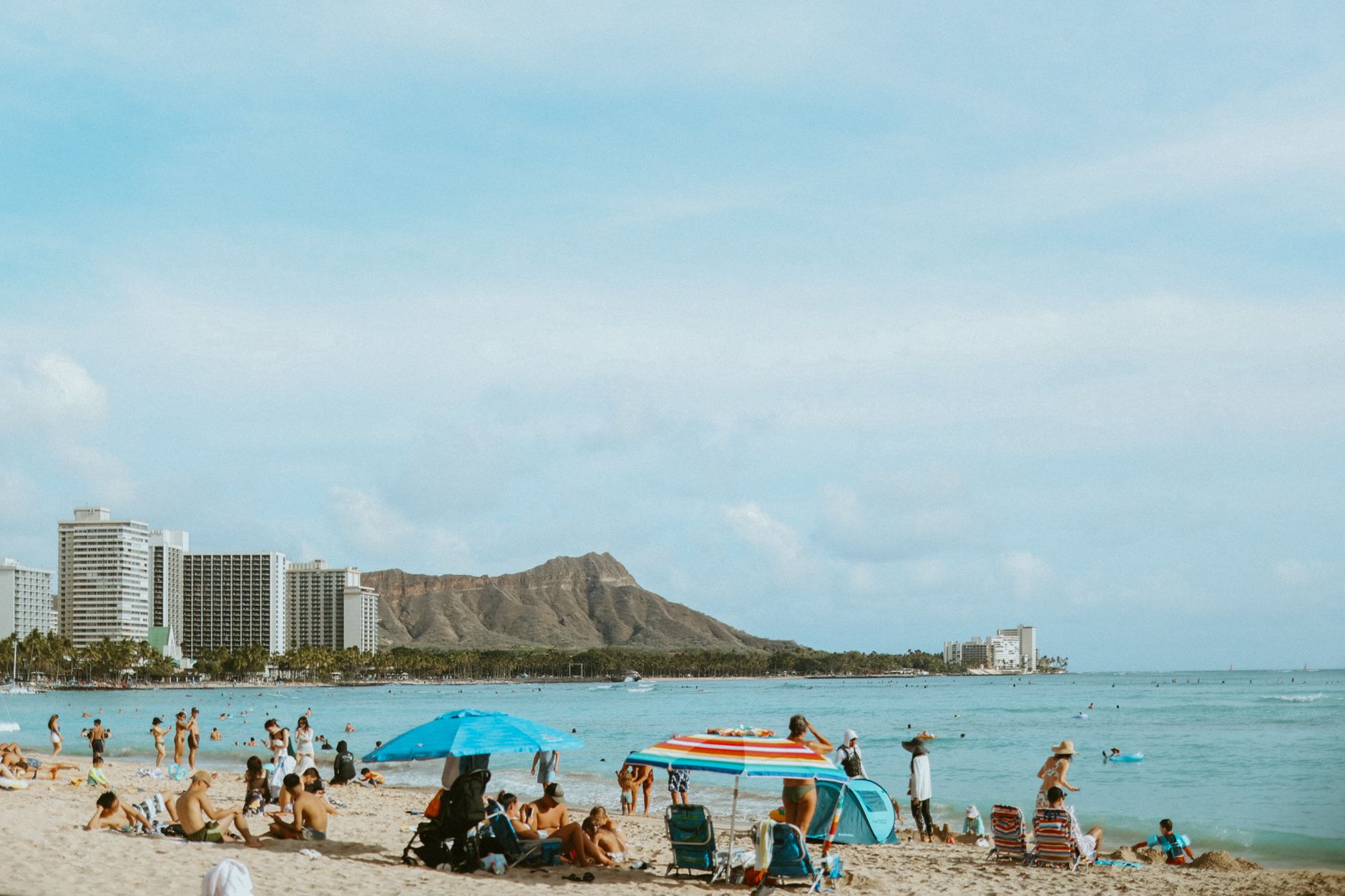

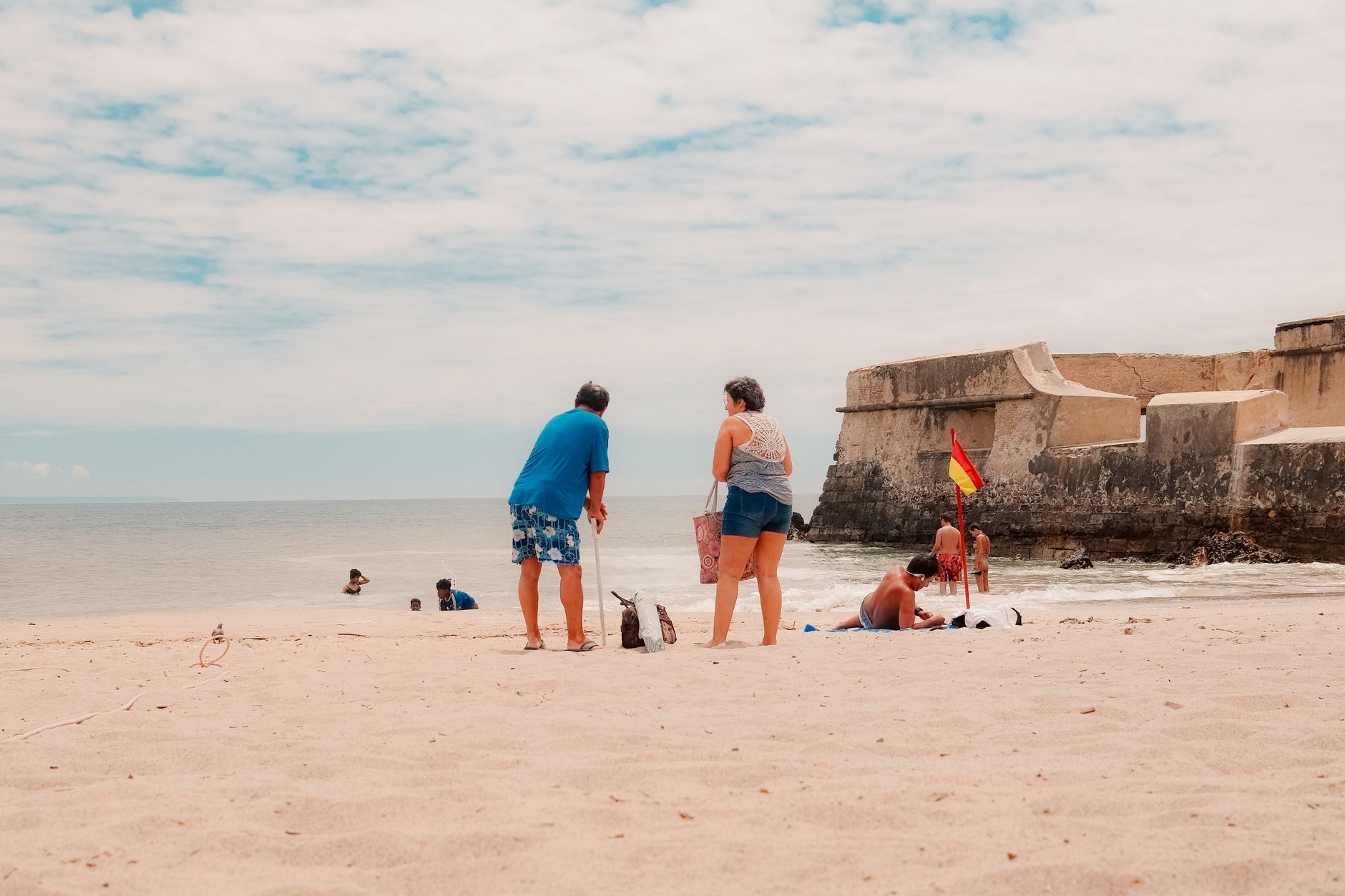
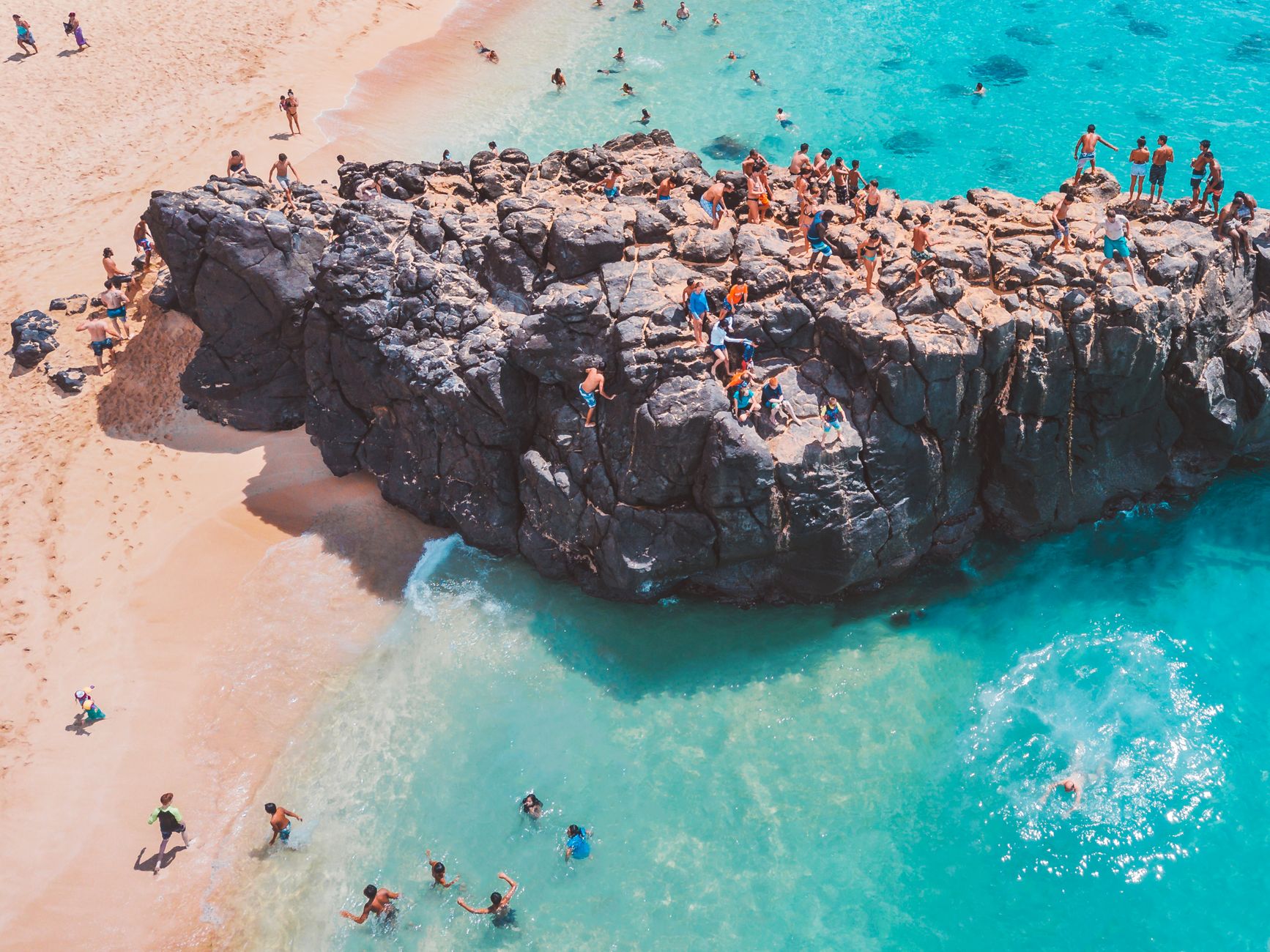
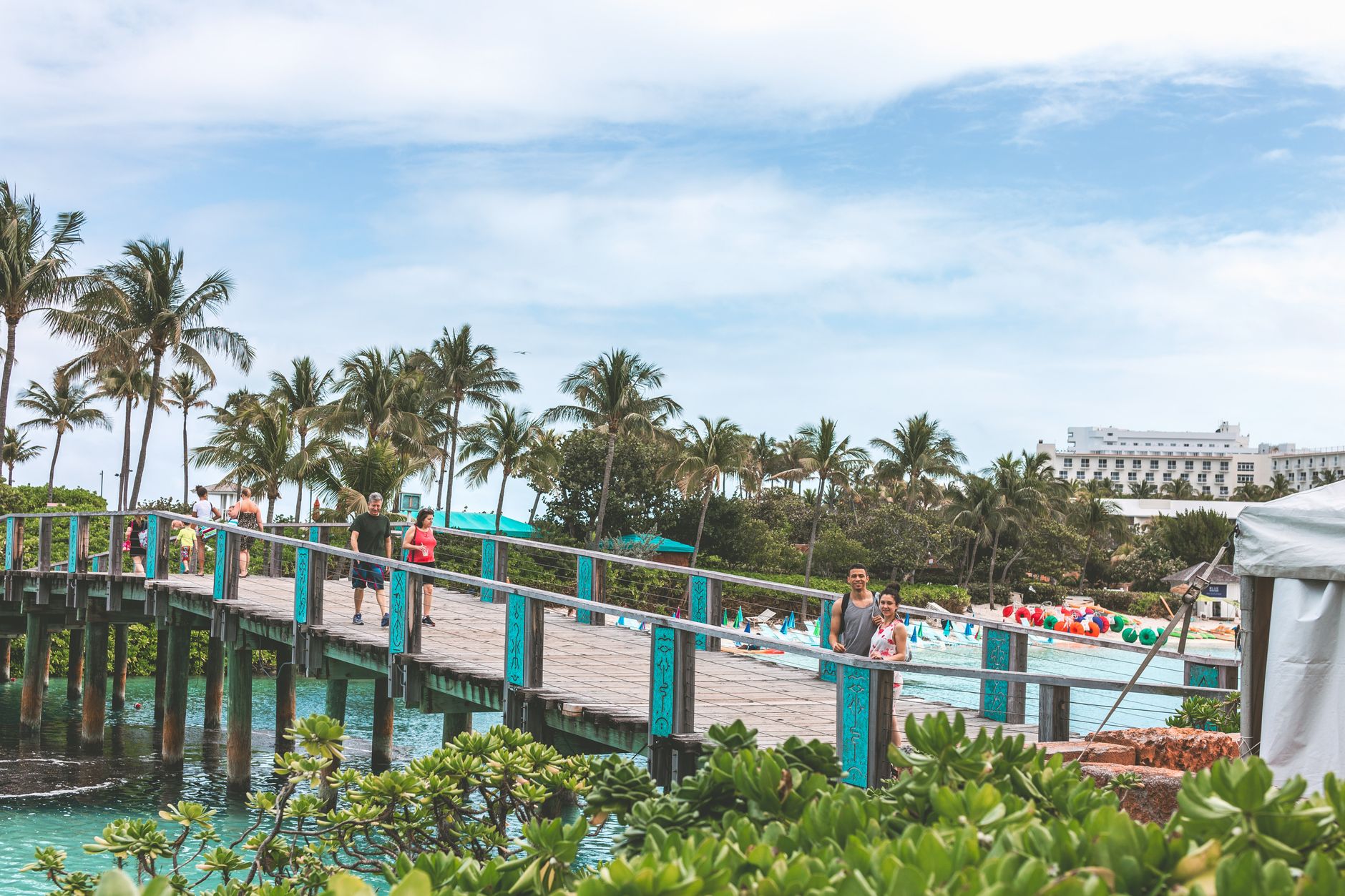

Līhuʻe means 'cold chill' in Hawaiian — an odd name for a town that sits under near-constant sun on Kauaʻi's eastern shore. The name came first, borrowed by Royal Governor Kaikioʻewa from land he owned on Oʻahu when he moved his governing seat here in 1837. What he built became the county seat, the commercial hub, and the island's front door: Līhuʻe Airport is six minutes from downtown, and Nawiliwili Harbor — Kauaʻi's only deep-water port — sits a mile and a half to the southeast.
This is the working side of Kauaʻi. Rice Street runs through a low-rise town of government offices, local plate-lunch counters, and a museum housed in a 1924 library. The plantation past is everywhere if you look — in a Tudor mansion that once anchored 27,000 acres of cane fields, in a Lutheran church built by German immigrants, and in the names of families who shaped the island for generations.
💛 What travellers fall for
People who keep coming back tend to start at Grove Farm Homestead before the tour crowds arrive, then walk the fishpond path at ʻAlekoko in the late afternoon when the light drops low over the water. Wailua Falls is quick and genuinely worth the ten-minute detour north — you can see it from the road.
Deals in Lihue
Book directly at the provider
How Lihue came to be
Kaikioʻewa's decision to relocate his seat of government to Līhuʻe in 1837 set the town's trajectory, but it was sugarcane that defined the next century. German colonists founded the Lihue Sugar Plantation in 1849, and by 1881 plantation owner Paul Isenberg was actively sponsoring German emigration to the area — the first Lutheran church in Hawaiʻi, a hybrid of New England and Bavarian Baroque, went up in 1883. The town became Kauaʻi's county seat in 1905.
By the 1930s, George Norton Wilcox had assembled one of the island's largest sugarcane operations, centered on Grove Farm — originally built in 1864 and now preserved as a 100-acre living museum. Kilohana Estate, the 16,000-square-foot Tudor mansion that once anchored a 27,000-acre plantation, still stands on the edge of town, its narrow-gauge railroad a trace of the industrial scale that once ran through here.
Who and what shaped it
People who shaped it
Landmark buildings
See Lihue in motion
Plan your visit
On the map
When to go
Temperatures stay between the low 70s and high 70s Fahrenheit for most of the year, with August pushing toward 80°F and February dipping to a mild 72°F on average. June through August is noticeably drier; December through February brings the most rainfall — around 4.78 inches in December — and cooler evenings that occasionally fall below 60°F.
Right now
Background & history adapted from Wikipedia (CC BY-SA) · specs from Wikidata (CC0) · weather from Open-Meteo · map data © OpenStreetMap contributors · photos from Wikimedia Commons / Unsplash with per-image credit. No third-party reviews or social posts reproduced.