
Bora Bora, French Polynesia
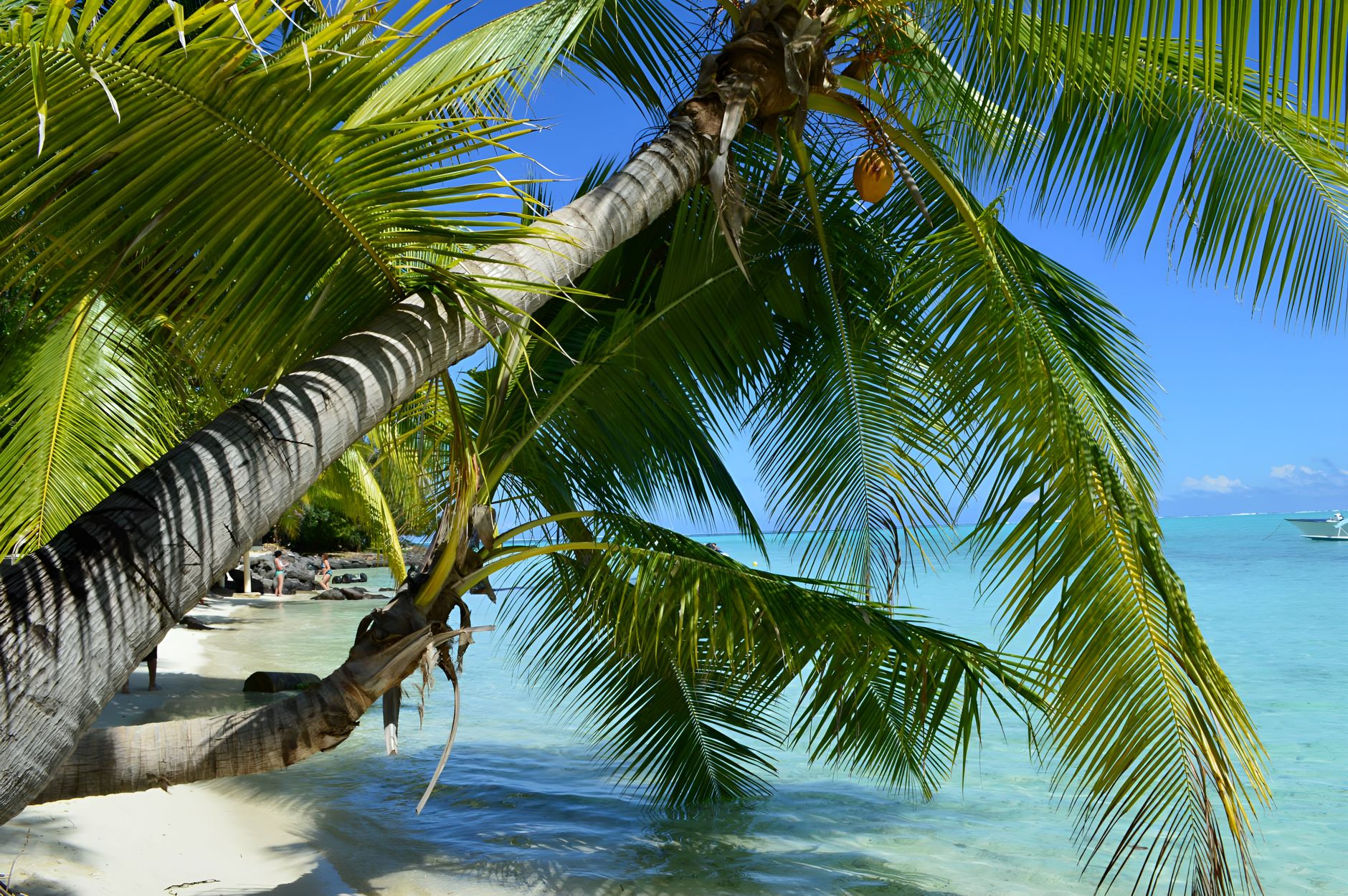
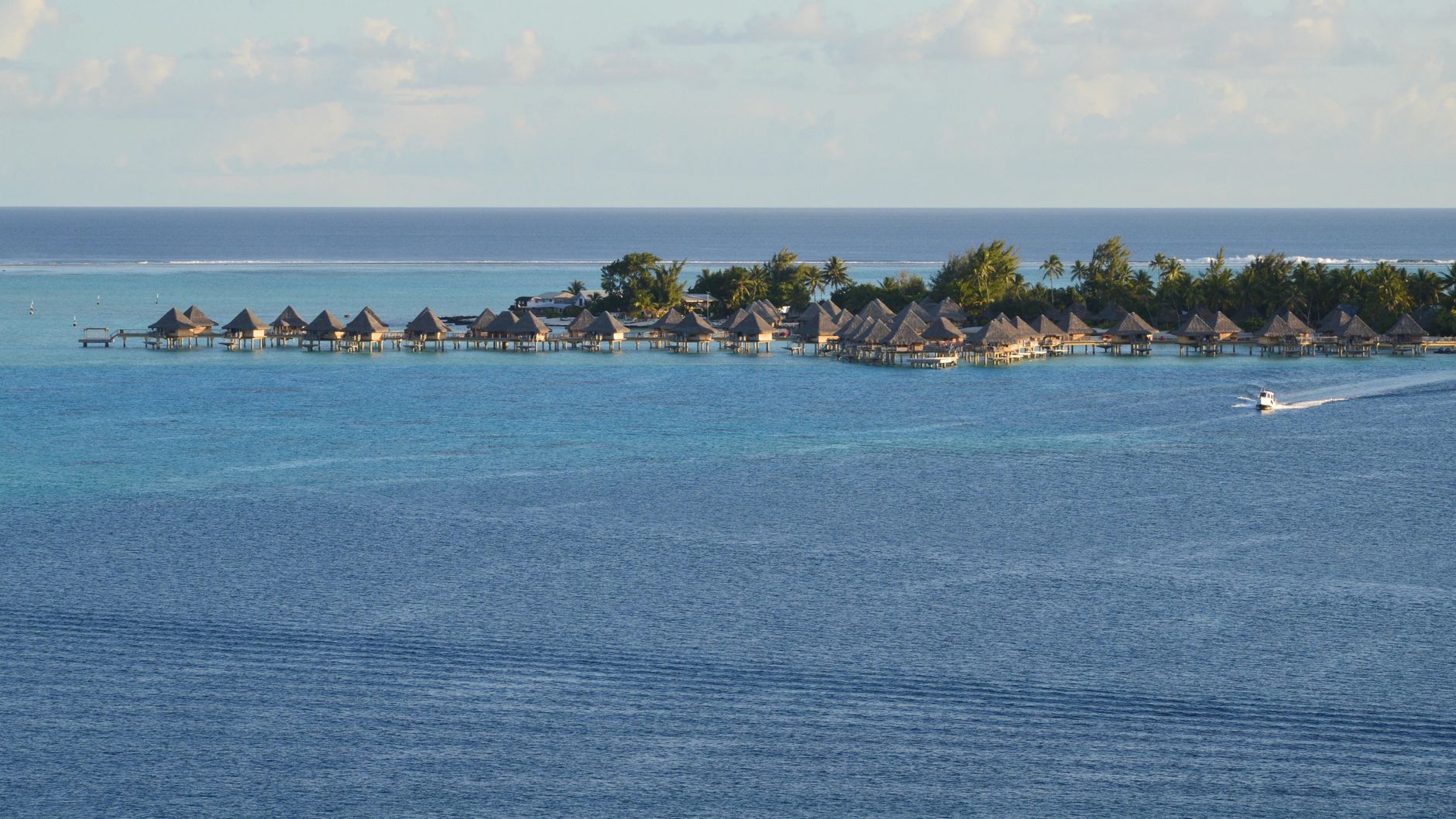
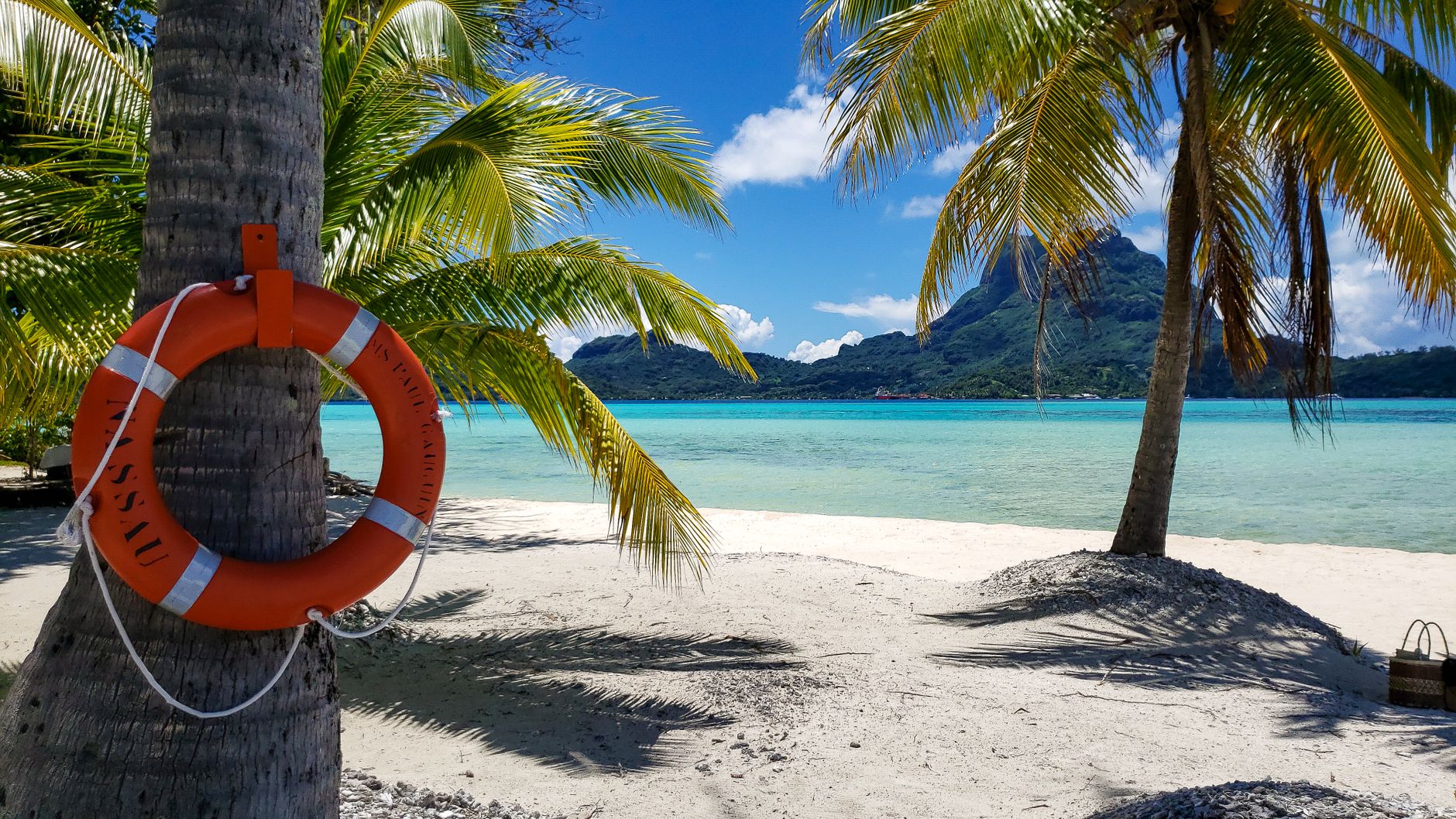
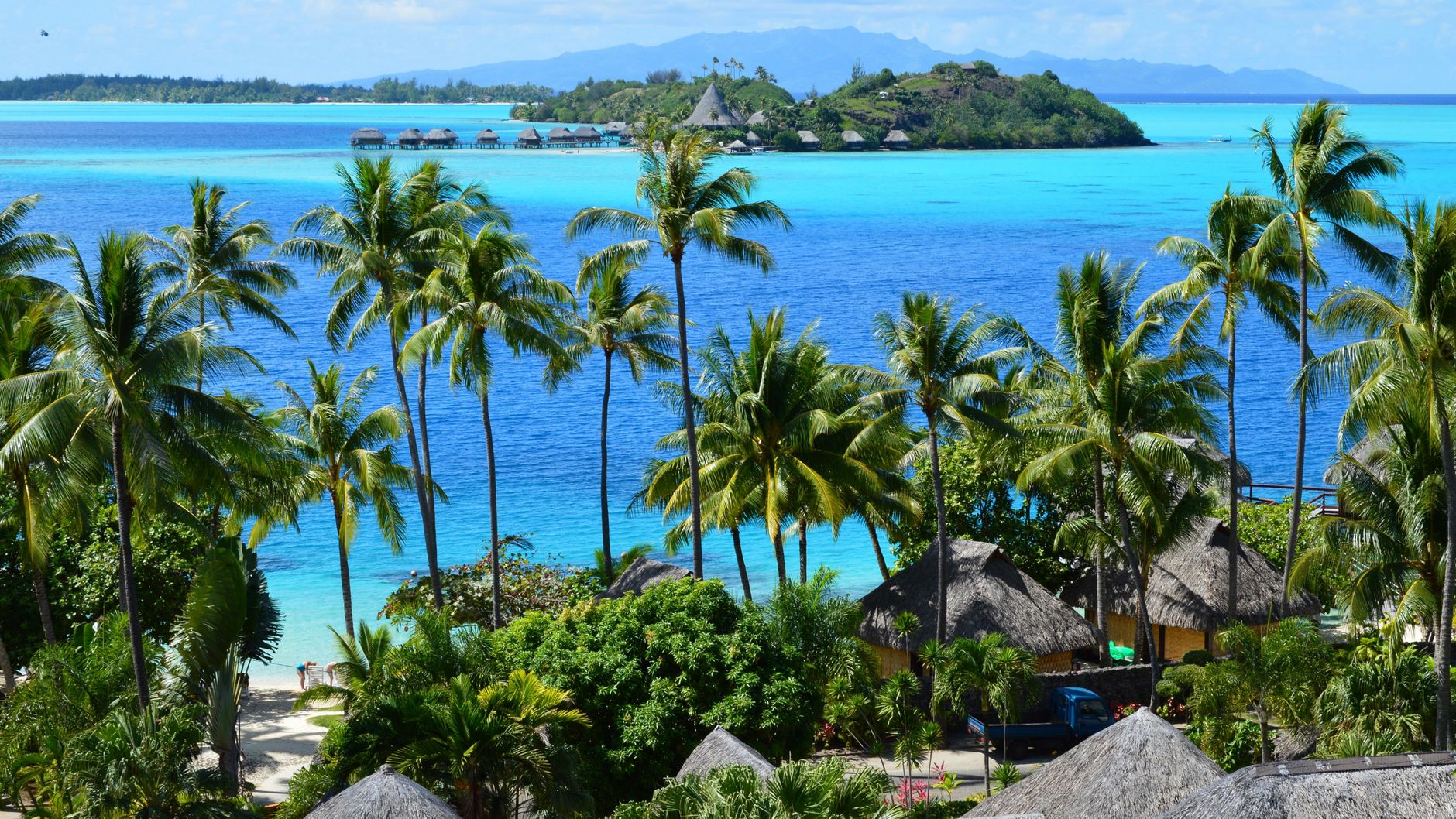
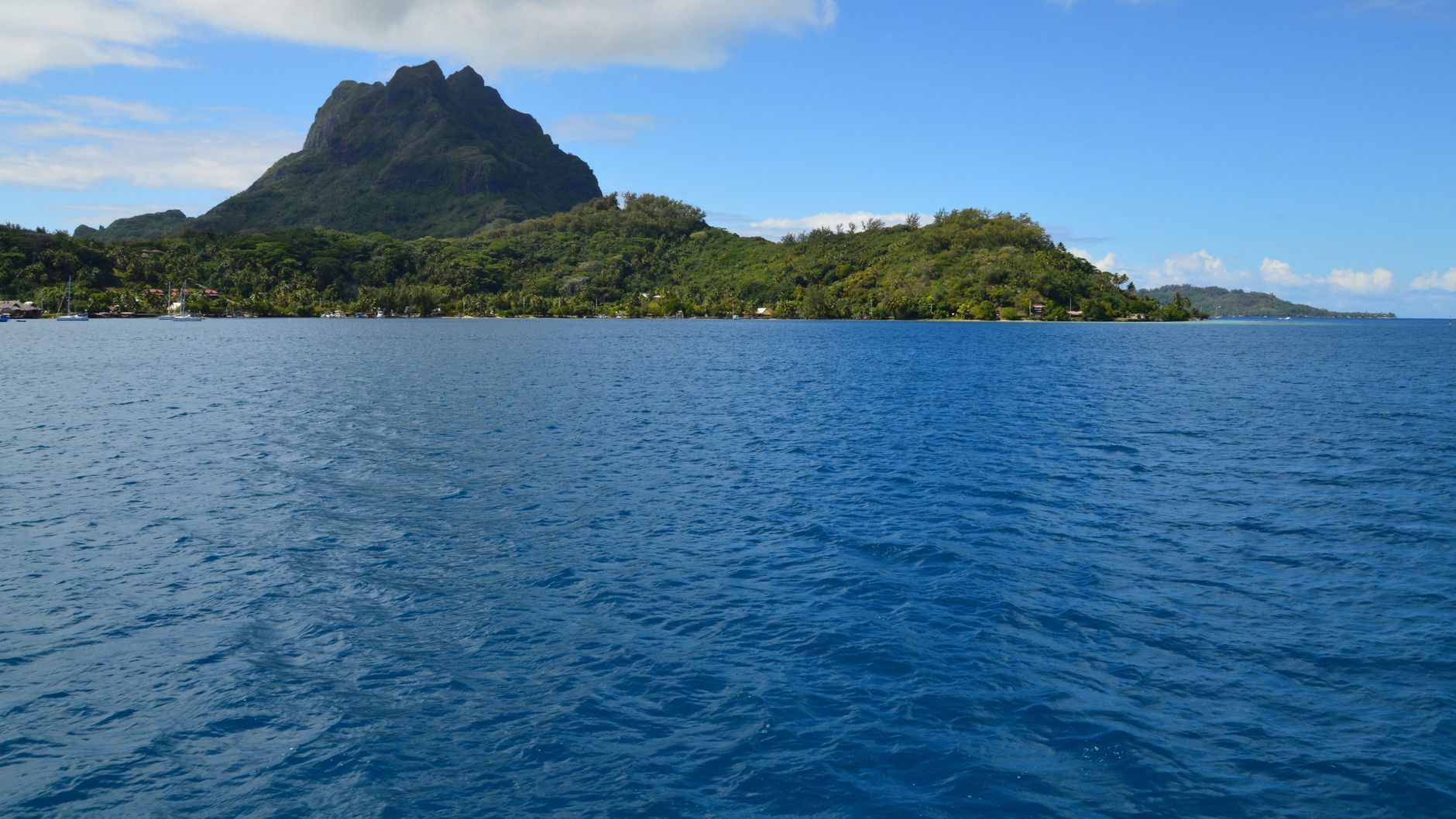
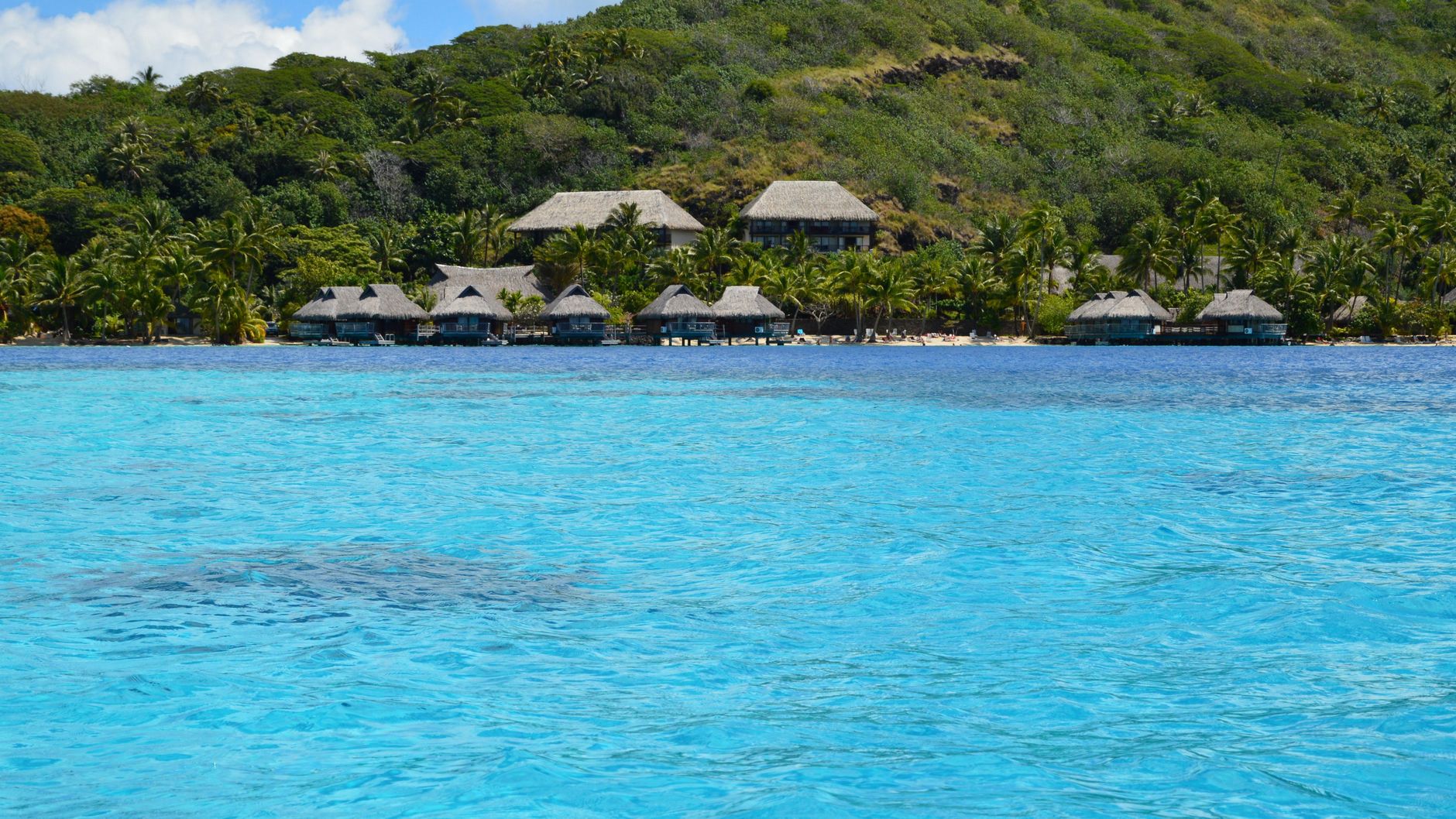
The first thing you notice is the colour of the water — not blue exactly, but something between turquoise and pale jade that sits so still inside the reef it looks painted. Mount Otemanu rises above it all at 727 metres, a jagged volcanic remnant that gives the island its silhouette from every angle.
Bora Bora sits in the Society Islands of French Polynesia, roughly 45 minutes by air from Tahiti. The main island is ringed by a barrier reef and a shallow lagoon, with a scatter of small flat islets — motus — along the outer edge. The overwater bungalow was essentially invented here in the 1960s, and the island has been defining a certain idea of remote luxury ever since.
💛 What travellers fall for
People who return tend to come back for the lagoon itself, not the resorts. Book a half-day shark-and-ray snorkel early in your stay — guides run them from Vaitape — and you'll spend the rest of the trip measuring everything else against it. Matira Beach at the southern tip is the one genuinely public stretch of sand worth knowing.
How Bora Bora, French Polynesia came to be
Polynesian settlers reached this island well over a thousand years ago, calling it Porapora mai te pora — loosely, 'created by the gods.' Jacob Roggeveen was the first European to sight it in 1722; James Cook followed in 1769, guided by the Tahitian navigator Tupaia, and walked ashore during his third expedition in 1777. The town of Vaitape was founded in 1824 by British missionary John Muggridge Orsmond, who laid out its church, wharf and school in coral rock. France declared a protectorate over Tahiti and its dependencies in 1843, and the island's last queen, Teriimaevarua III, was displaced by a French vice-resident in 1895.
In World War II, the United States established a major supply base here — nearly 7,000 men, 20,000 tons of equipment — and the airport on Motu Mute still occupies the old Allied airstrip. Cannons and bunkers from that period remain visible around the island.
Who and what shaped it
People who shaped it
Landmark buildings
See Bora Bora, French Polynesia in motion
Plan your visit
On the map
When to go
French Polynesia has two broad seasons: a warm, humid period from November through April that brings higher rainfall and the occasional cyclone, and a cooler, drier stretch from May through October that most travellers prefer. Even in the drier months, brief showers pass quickly and the lagoon stays warm year-round.
Right now
↡ Cities
Background & history adapted from Wikipedia (CC BY-SA) · specs from Wikidata (CC0) · weather from Open-Meteo · map data © OpenStreetMap contributors · photos from Wikimedia Commons / Unsplash with per-image credit. No third-party reviews or social posts reproduced.