
Faanui


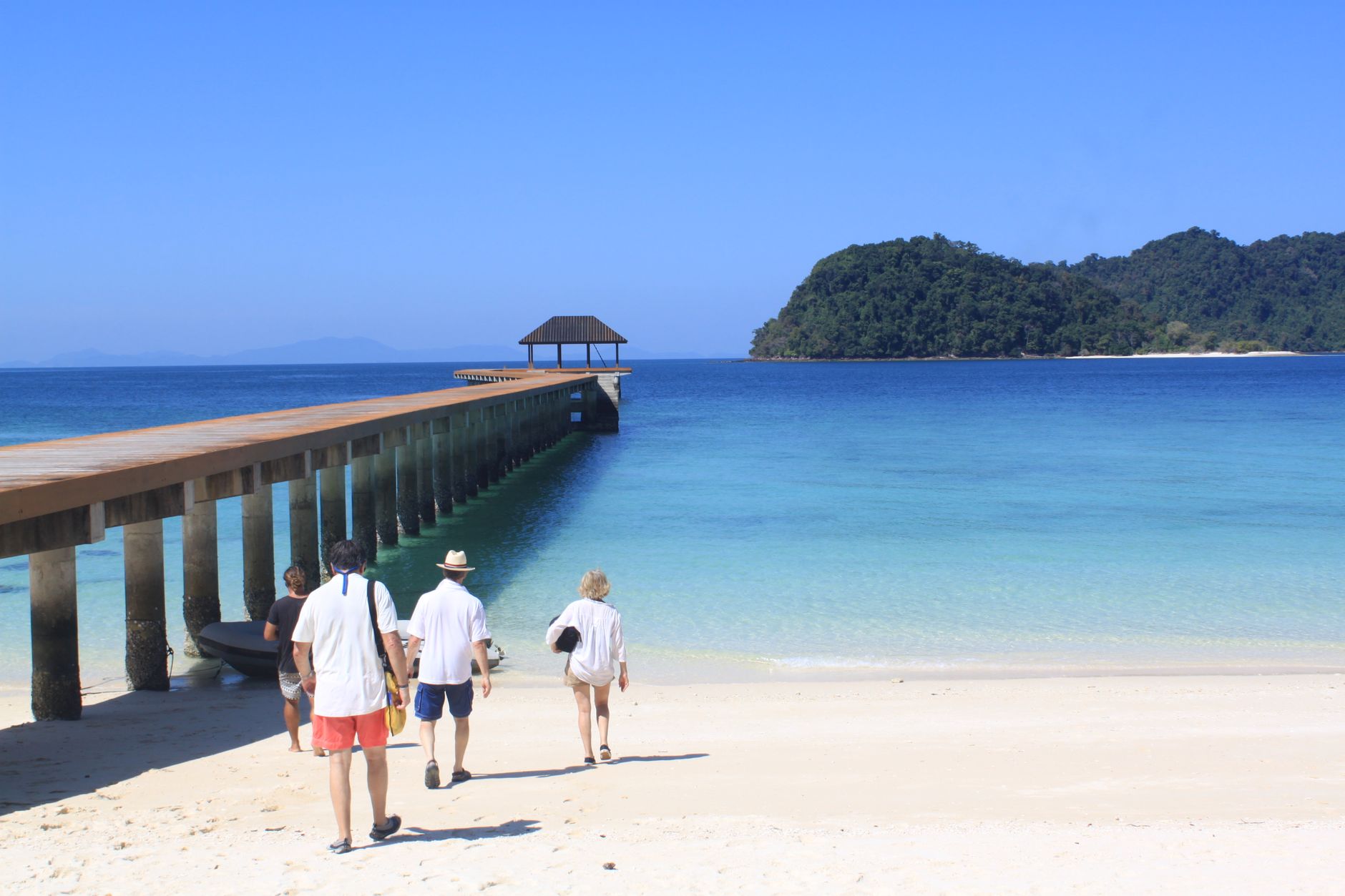

The water in Faanui Bay runs deep indigo — not the postcard turquoise you see elsewhere on Bora Bora's lagoon, but a darker, older blue that hints at the channel American warships once navigated. The village sits on the northwest shore, about five kilometres from Vaitape, quiet enough that you notice the pink church before you notice much else.
Faanui is one of the island's three districts, and it carries more history per square metre than its sleepy pace suggests. Two naval cannons rust on a ridge above the lagoon, a restored marae stands near the wharf, and the bay itself still holds the concrete footprint of a wartime base that once housed nearly five thousand soldiers.
💛 What travellers fall for
People who come back tend to time the cannon trail for early morning — the steep final stretch is easier before the heat settles in, and the view over the northern lagoon entrance is clearest then. The pink-and-mint Protestant church, still active, is worth pausing outside on a Sunday when the congregation's singing carries out through the open doors.
Deals in Faanui
Book directly at the provider


How Faanui came to be
Before European contact, Faanui was the seat of a king named Puni, who unified Bora Bora by defeating rival chiefs Tapoa I and Tapoa II. The district's standing families were tied to the marae Farerua, and the restored Marotetini Marae near Farepiti Wharf — dedicated in pre-European times to navigators — speaks to how central seafaring identity was here.
In early 1942, the United States military chose Faanui Bay as a strategic base in the Pacific, landing close to five thousand troops. Four of the eight battleship-grade naval guns installed around the island were positioned here, aimed at the lagoon's northern entrance. They were test-fired once and never used again. The concrete wharves along the north shore and the two remaining cannons at Tereia Point are what that episode left behind.
Who and what shaped it
People who shaped it
Landmark buildings
See Faanui in motion
Plan your visit
On the map
When to go
May through October brings the most reliable weather — warm, less humid, with temperatures between 26 and 29°C and long stretches of clear sky. November through April is hotter and wetter, with December seeing the heaviest rainfall; showers tend to pass quickly, but the cannon trail turns slippery after rain.
Right now
Background & history adapted from Wikipedia (CC BY-SA) · specs from Wikidata (CC0) · weather from Open-Meteo · map data © OpenStreetMap contributors · photos from Wikimedia Commons / Unsplash with per-image credit. No third-party reviews or social posts reproduced.