
Povai

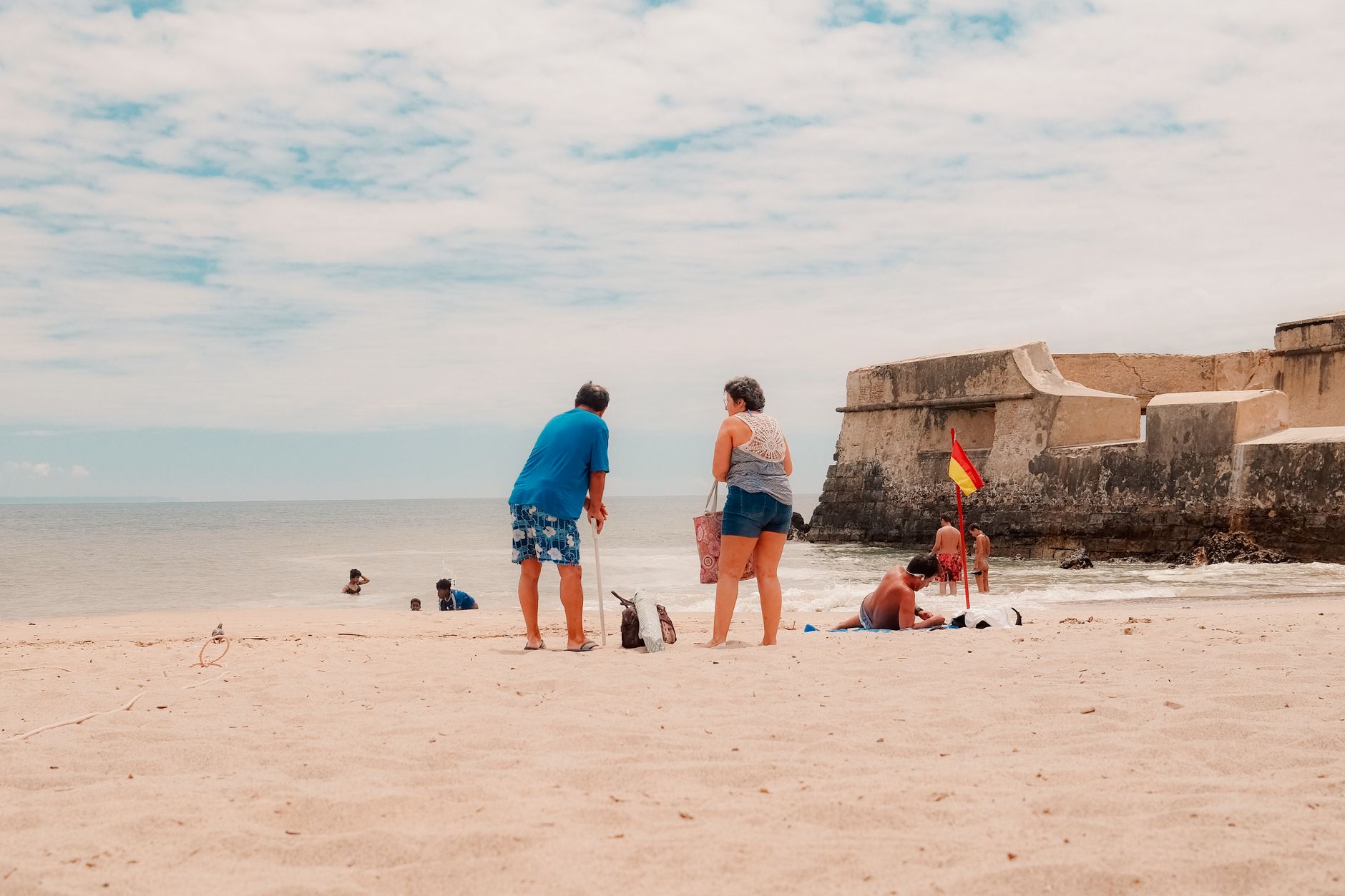

Povai is the bay that most people on Bora Bora are photographing without realising it has a name. The wide western indent of the main island, it opens toward the reef and the pass, giving you an unobstructed read of the lagoon's colour shift from pale aquamarine to deep blue-green. The water here is calm enough that outrigger canoes sit almost motionless at anchor in the early morning.
More geography than township, Povai doesn't have streets to walk or a square to sit in — it is the view itself. The bay defines the western character of the island, flanked by Vaitape to the north and the quieter southern shore, and it is where the light lands last each evening.
💛 What travellers fall for
People who come back to this stretch of coast tend to time it around low tide, when the water over the coral shallows turns an almost unreasonable shade of pale green. Rent a kayak rather than a motorised boat — you'll get close enough to the coral heads to actually see what's underneath without disturbing it.
Deals in Povai
Book directly at the provider


How Povai came to be
Povai Bay's role in Bora Bora's past is largely defined by what the island experienced as a whole. The bay's western position made it part of the natural harbour system that Polynesian navigators read when approaching from the open Pacific. The pass to the north, near Faanui, was the primary entry point for voyaging canoes and, much later, for French colonial administration and supply vessels.
During the Second World War, American forces established a significant supply base on Bora Bora — one of the first US bases in the South Pacific — and the western lagoon, including the Povai area, formed part of that sheltered anchorage. The physical traces of that period are subtle now, but the bay's depth and shelter explain why it mattered.
See Povai in motion
Plan your visit
On the map
When to go
The dry season, May to October, brings steady southeast trade winds that keep the bay surface clean and the air noticeably cooler. The wet season, November through April, is warmer and more humid with occasional squalls, though the lagoon can look its most intensely coloured in the flat light just after rain.
Right now
Background & history adapted from Wikipedia (CC BY-SA) · specs from Wikidata (CC0) · weather from Open-Meteo · map data © OpenStreetMap contributors · photos from Wikimedia Commons / Unsplash with per-image credit. No third-party reviews or social posts reproduced.