
Tahiti, French Polynesia
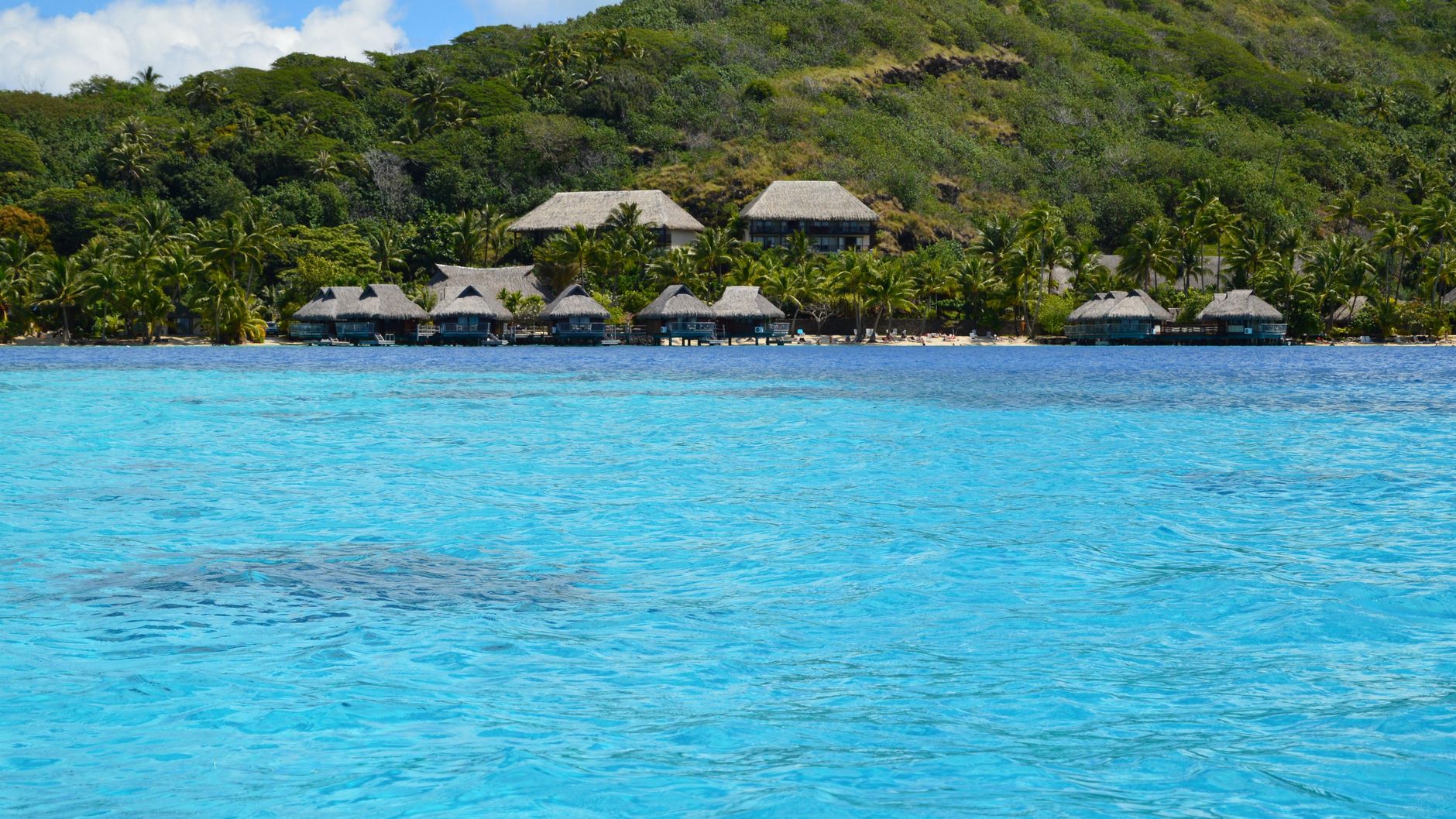
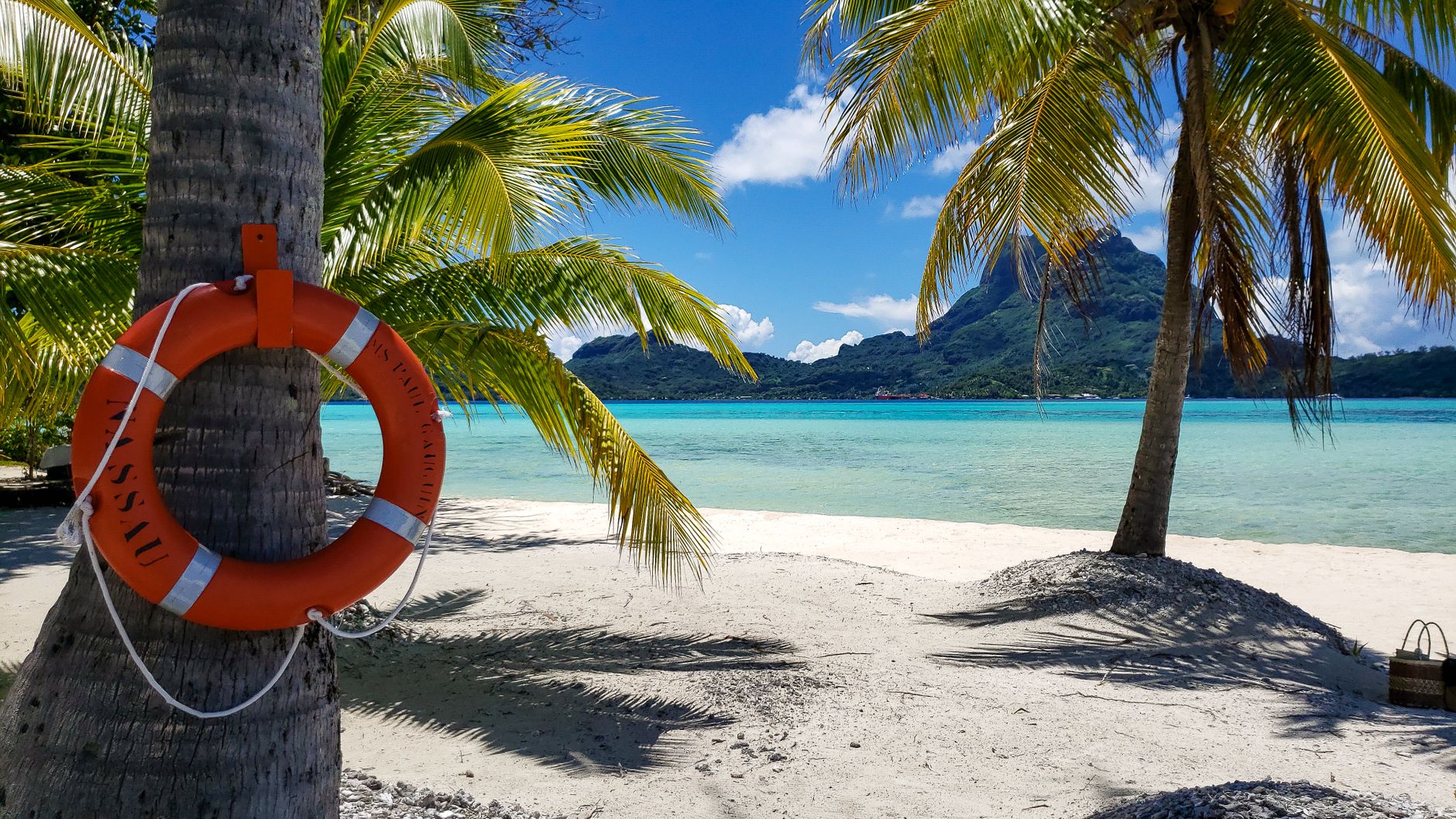
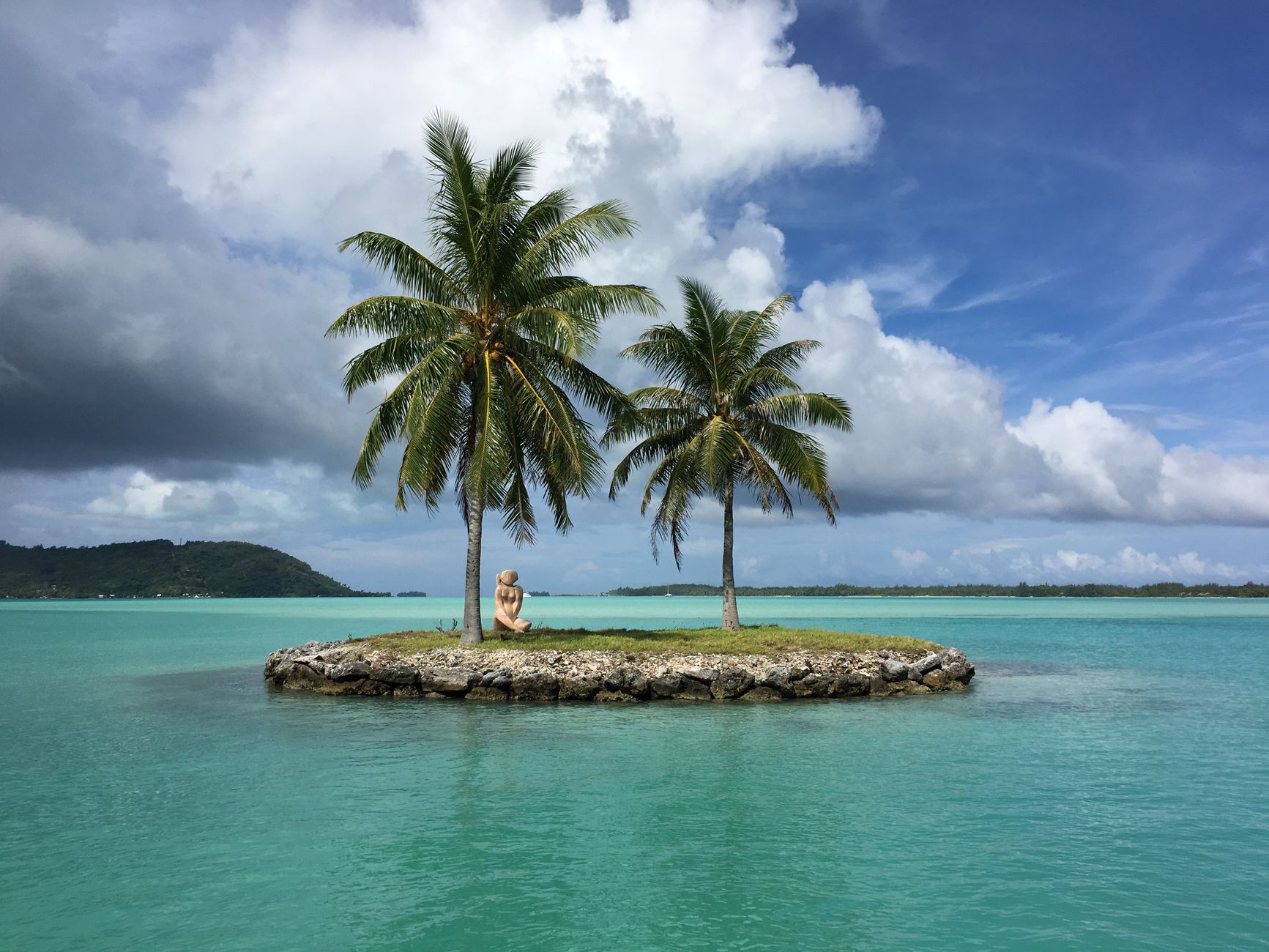
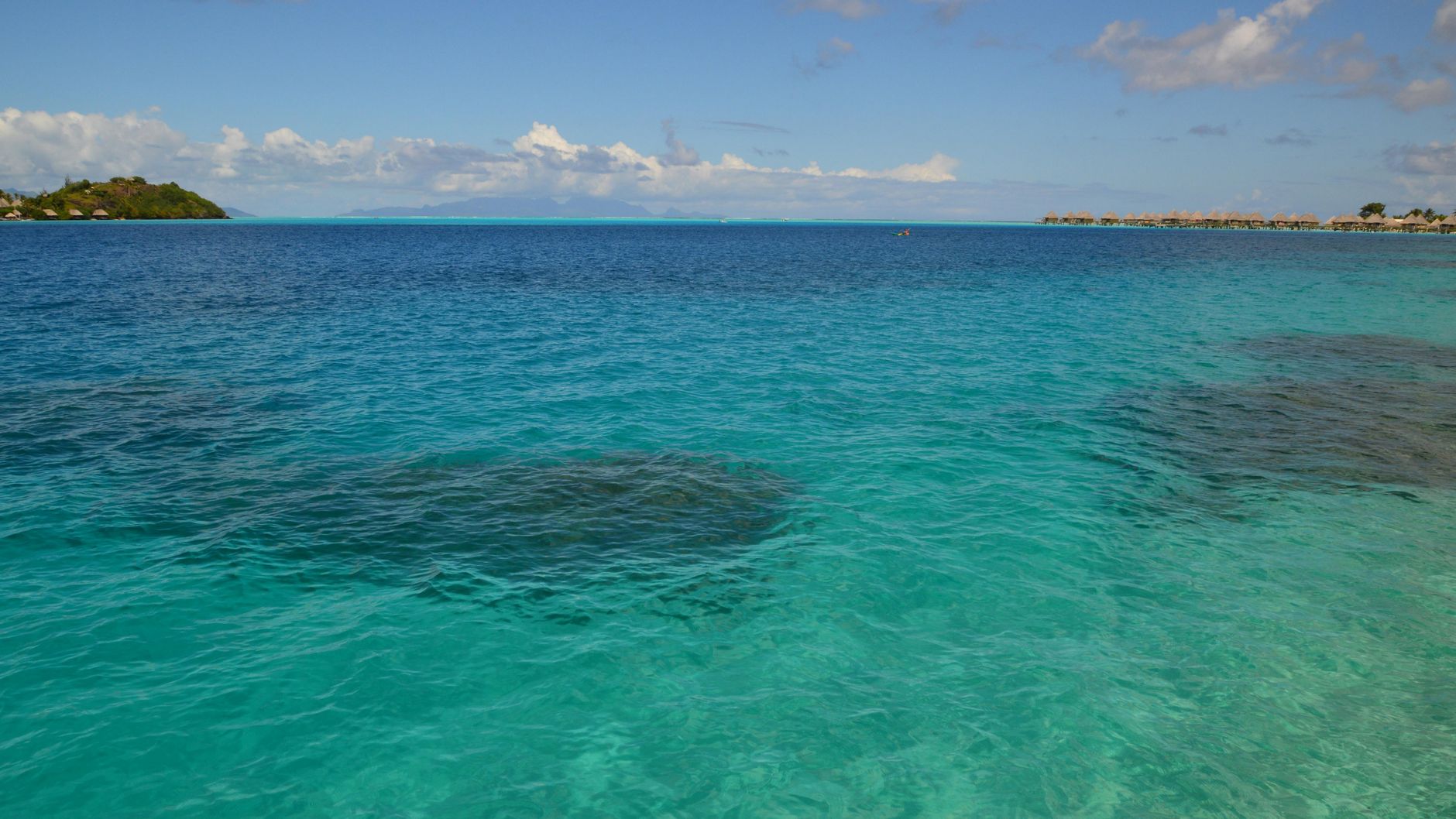
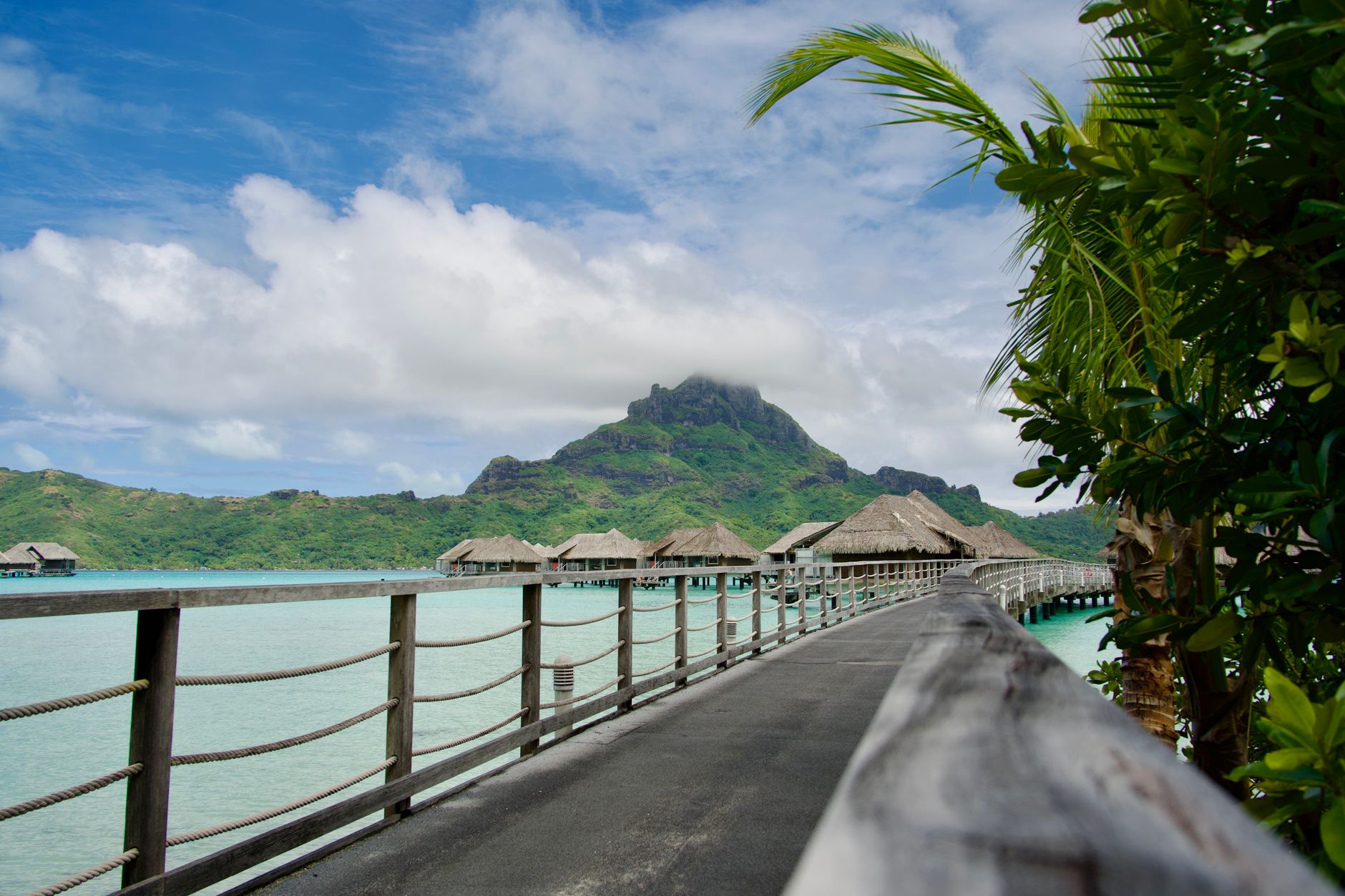
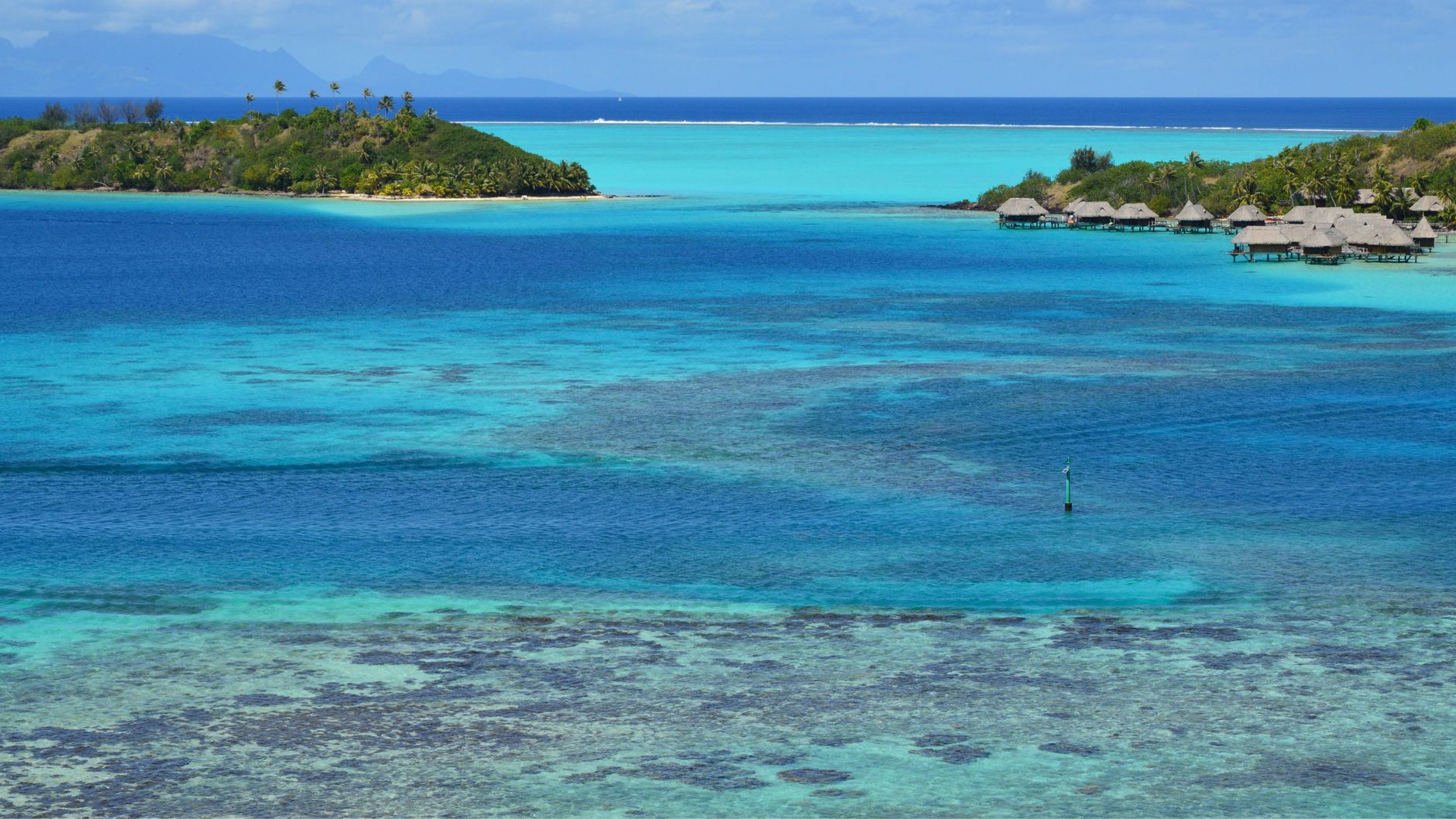
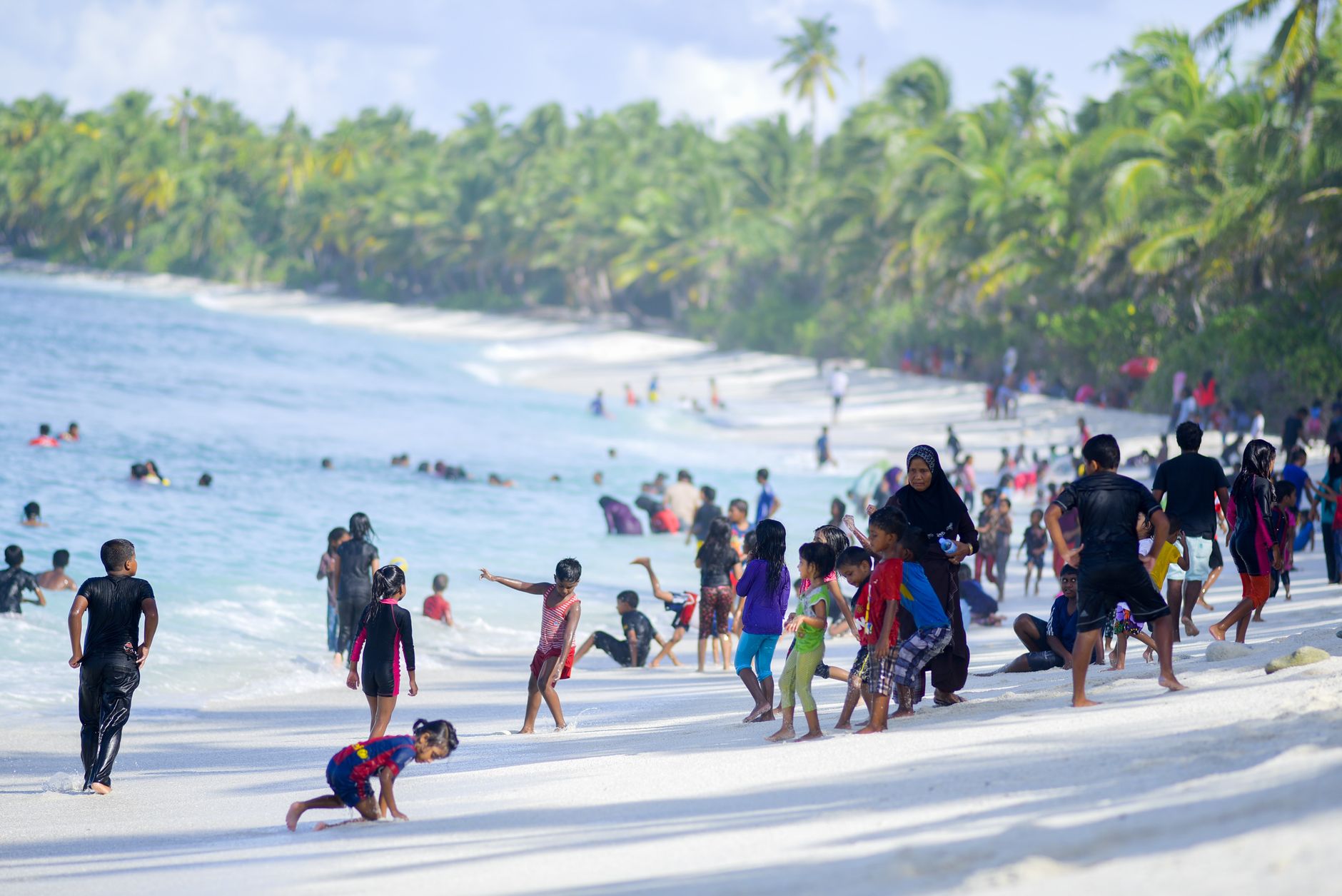
The island that launched a thousand romantic myths is, in practice, something more interesting than the myth. Tahiti is the largest of French Polynesia's 118 islands, a place where the interior rises into cloud-draped volcanic peaks while the coast moves at the pace of an outrigger canoe. Papeete, the capital founded in 1843, runs on strong coffee, fresh tuna and the kind of market gossip that has been trading at the Marché de Papeete longer than any other institution on the island.
Gauguin came here in the 1890s and never quite left — his paintings of Tahitian women now hang in museums far from the island that shaped them. What he found, and what you find, is a place that sits at the centre of the Polynesian world: the language, the navigation traditions, the stone marae temples all point outward toward the wider Pacific, and inward toward an identity that has outlasted every colonial chapter.
How Tahiti, French Polynesia came to be
Polynesian settlers reached the Society Islands around 300 CE, navigating by stars across open ocean. Tahiti itself was settled between 900 and 1100 CE. European contact came fast and consequentially: the British captain Wallis charted the island in 1767, Bougainville followed for France in 1768, and Captain Cook observed the transit of Venus at Point Venus in 1769. Missionaries arrived in waves — Protestants from London in 1797, French Catholics in 1834. The expulsion of the latter triggered a gunboat in 1838 and a French protectorate by 1842.
The Pōmare Dynasty, founded by the chief Tū around 1790, unified the island and held power until 1880, when King Pōmare V ceded Tahiti to France. The island became an overseas territory in 1946, gained greater autonomy in 1977, and is today an overseas country of the French Republic. Between 1966 and 1996, France conducted 193 nuclear tests at the remote atolls of Moruroa and Fangataufa — a chapter that still shapes the relationship between the islands and Paris.
Who and what shaped it
People who shaped it
Landmark buildings
See Tahiti, French Polynesia in motion
Plan your visit
On the map
When to go
The dry season runs roughly May to October, with temperatures around 26–28°C and lower humidity — the most comfortable time to be outdoors or on the water. November through April brings the wet season: warmer, more humid, with intense but often short-lived tropical downpours.
Right now
↡ Cities



Background & history adapted from Wikipedia (CC BY-SA) · specs from Wikidata (CC0) · weather from Open-Meteo · map data © OpenStreetMap contributors · photos from Wikimedia Commons / Unsplash with per-image credit. No third-party reviews or social posts reproduced.