
Afaahiti


Afaahiti sits at the quieter end of the isthmus that joins Tahiti's two lobes together — the point where the island stops being a single idea and becomes something more complicated. This is the administrative heart of Taiarapu-Est, a commune of around 6,800 people spread across small villages where the road narrows and the pace genuinely changes.
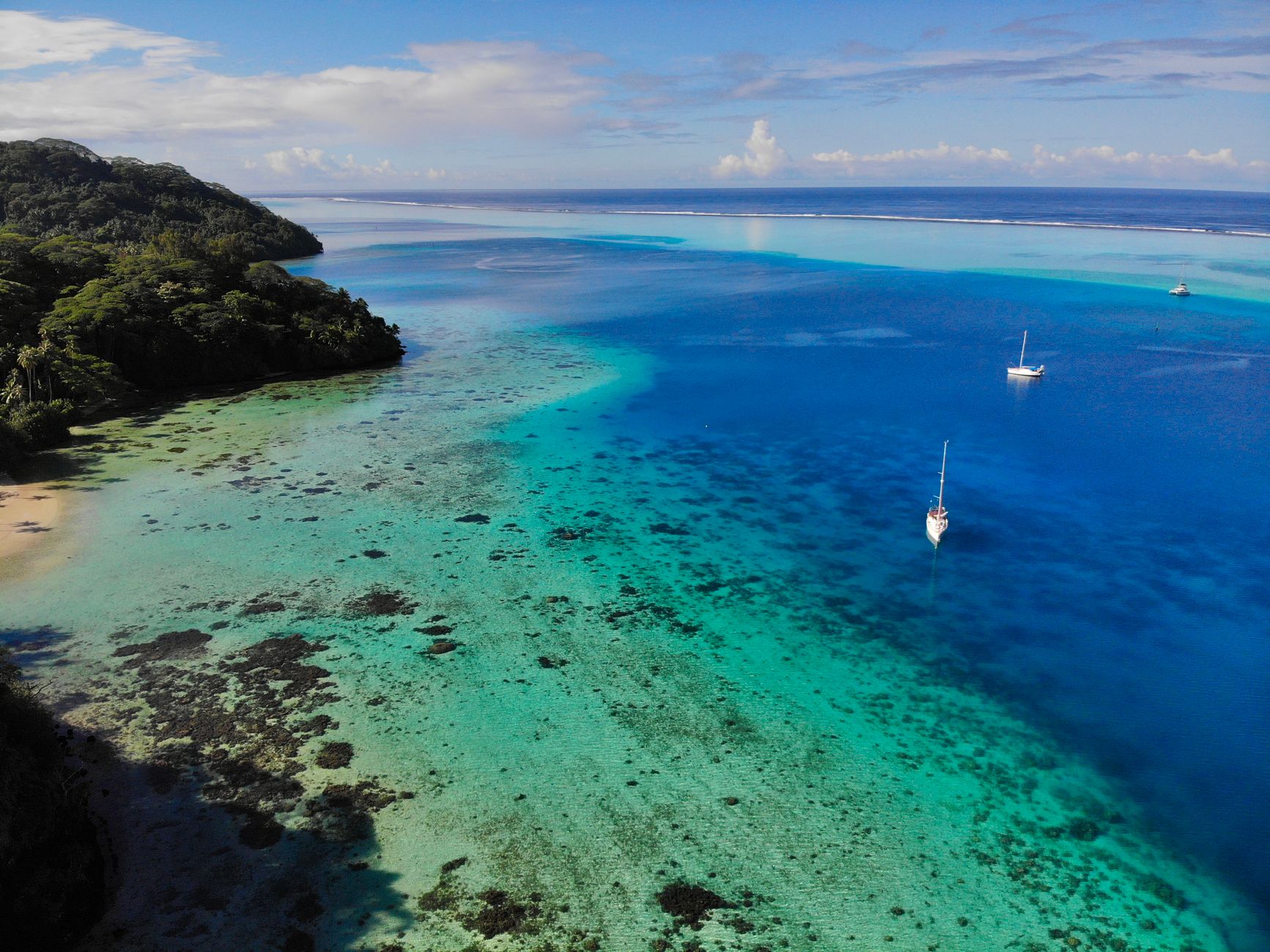
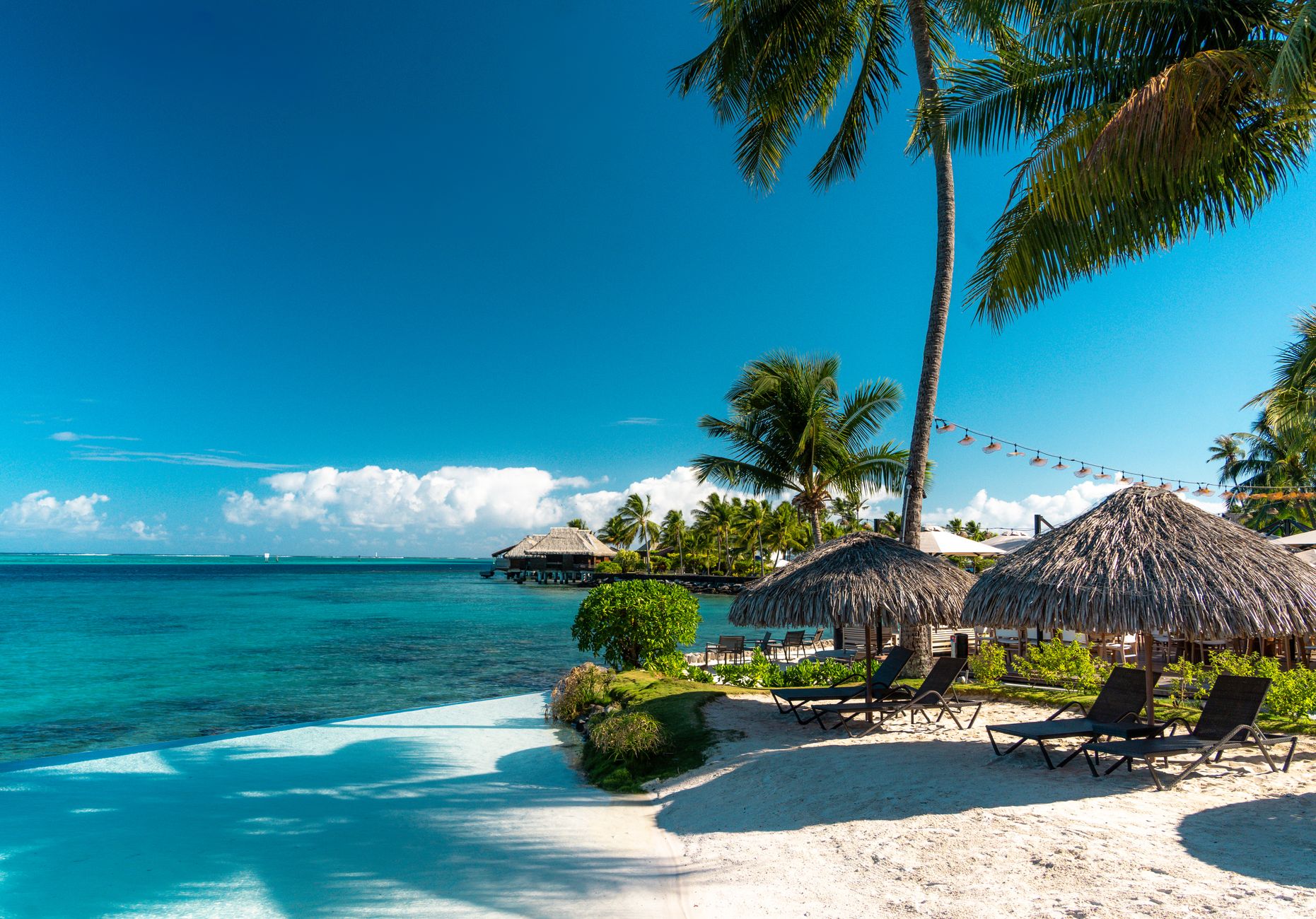
The draw here is not a single landmark but a quality of place: the sense that you have passed through a threshold. Motu Nono sits offshore, Mitirapa Beach is close, and the Taravao plateau rises behind town. Afaahiti is the place you stay when you want Teahupoo's coast or Vairao's trails without the travel-day arithmetic of returning to Papeete each night.
💛 What travellers fall for
People who come back tend to stay at one of the small lodges — Punatea Village gets mentioned often for its calm, Vai Iti Lodge for the personal attention. The consistent advice: rent a car from the airport rather than relying on le truck, and give yourself a slow morning before heading south toward the coast.
Experiences you don't want to miss


Deals in Afaahiti
Book directly at the provider
How Afaahiti came to be
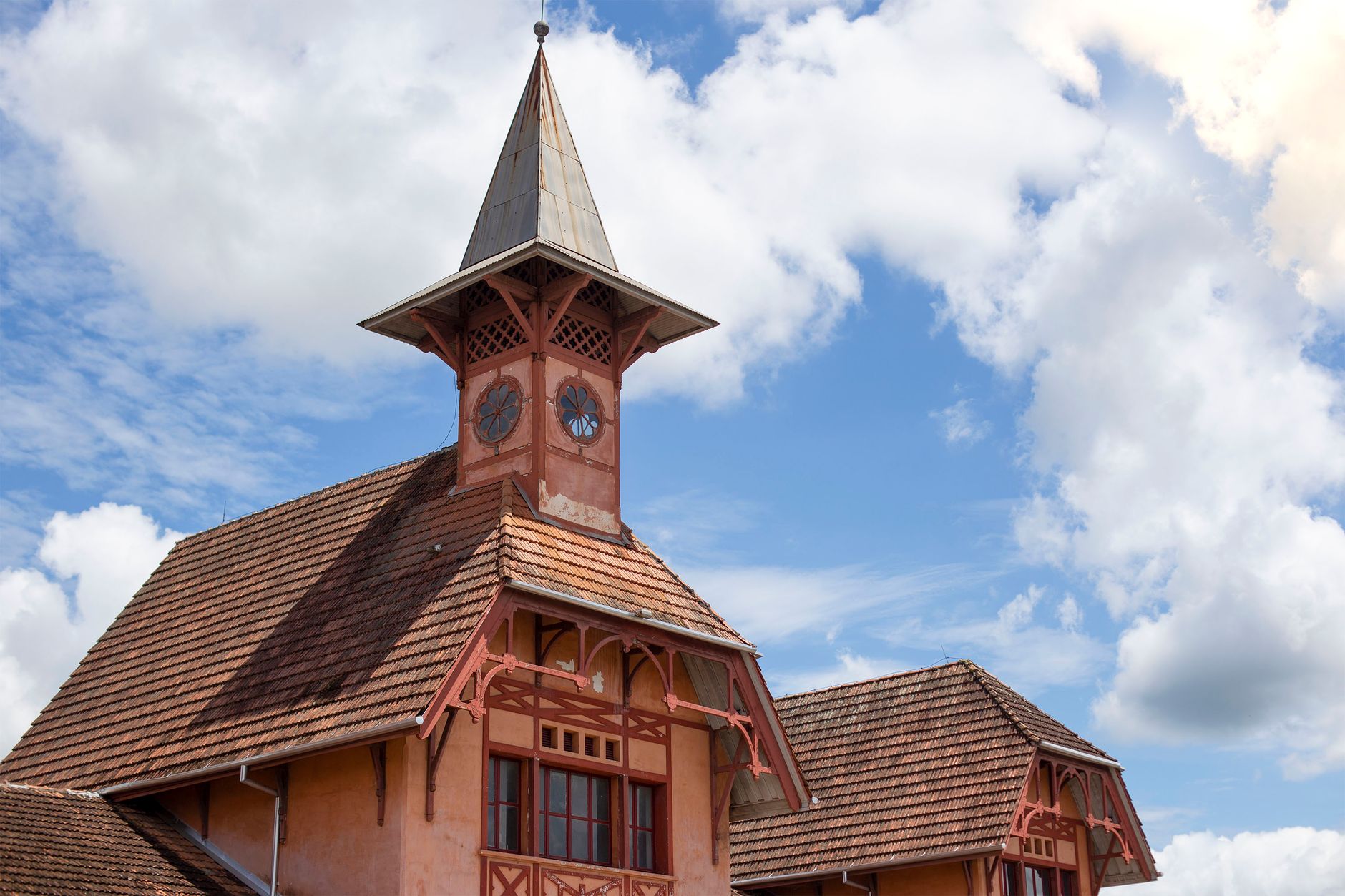
Afaahiti's story is inseparable from the geography of the Taravao isthmus, the narrow neck of land that made Tahiti Iti defensible and strategically legible to colonial powers. A French fort was established at Taravao in 1844, anchoring French authority over the southern peninsula during a period of active consolidation across French Polynesia. The village of Afaahiti grew in relation to that administrative presence, eventually becoming the seat of the Taiarapu-Est commune.
Beyond that military and administrative framework, the written record thins out. The area's history belongs more to oral tradition and the rhythms of small-scale fishing and agriculture than to documented events — which is, in its own way, a form of continuity.
Who and what shaped it
Landmark buildings
See Afaahiti in motion
Plan your visit
On the map
When to go
Afaahiti runs warm year-round, averaging around 23°C, with March the hottest month and August the mildest at roughly 22°C. Rainfall is substantial — over three metres annually — so even in the drier austral winter (June through September) you should expect the occasional heavy shower, particularly on the windward slopes above town.
Right now
Background & history adapted from Wikipedia (CC BY-SA) · specs from Wikidata (CC0) · weather from Open-Meteo · map data © OpenStreetMap contributors · photos from Wikimedia Commons / Unsplash with per-image credit. No third-party reviews or social posts reproduced.