
Teahupoo
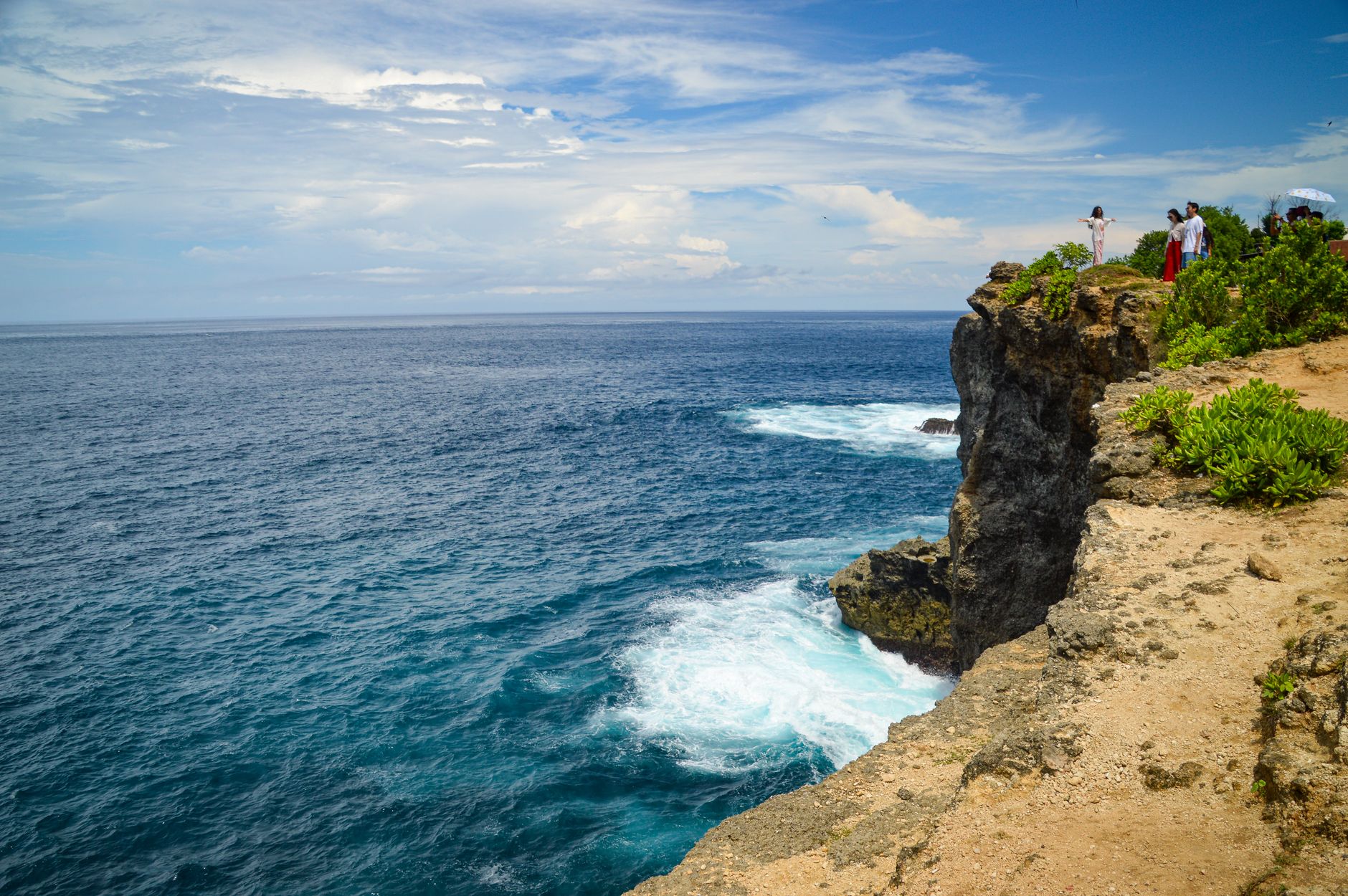
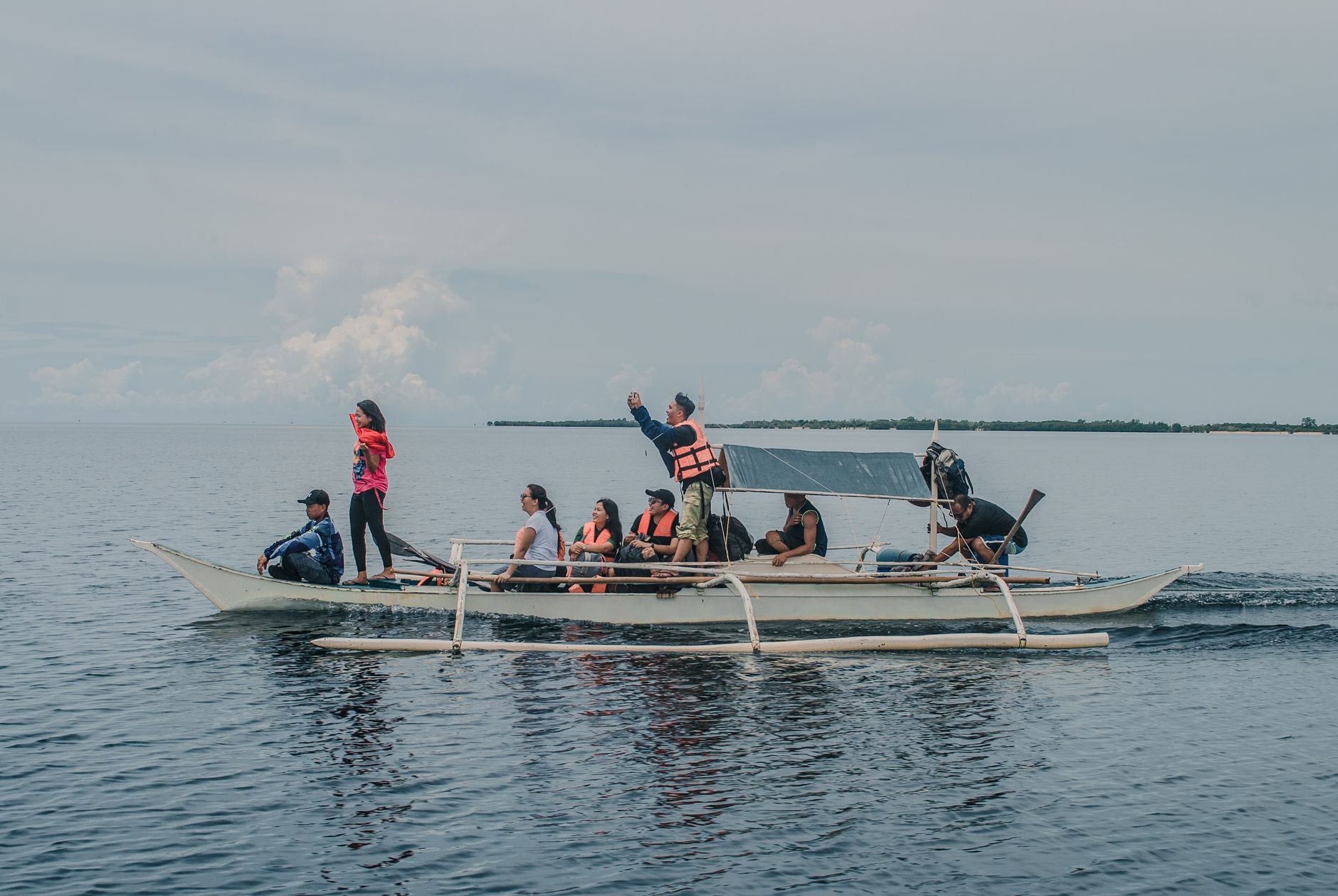
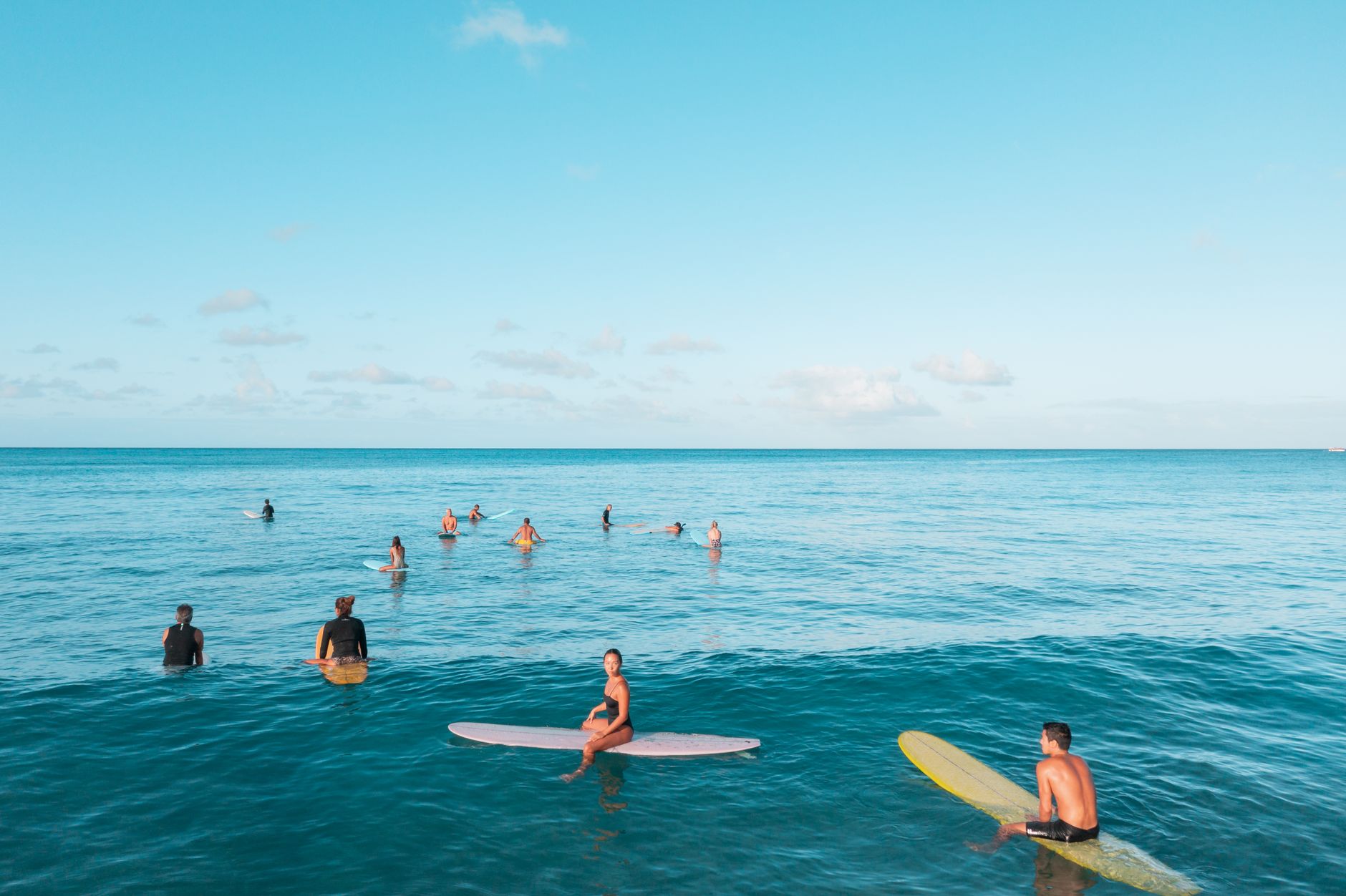
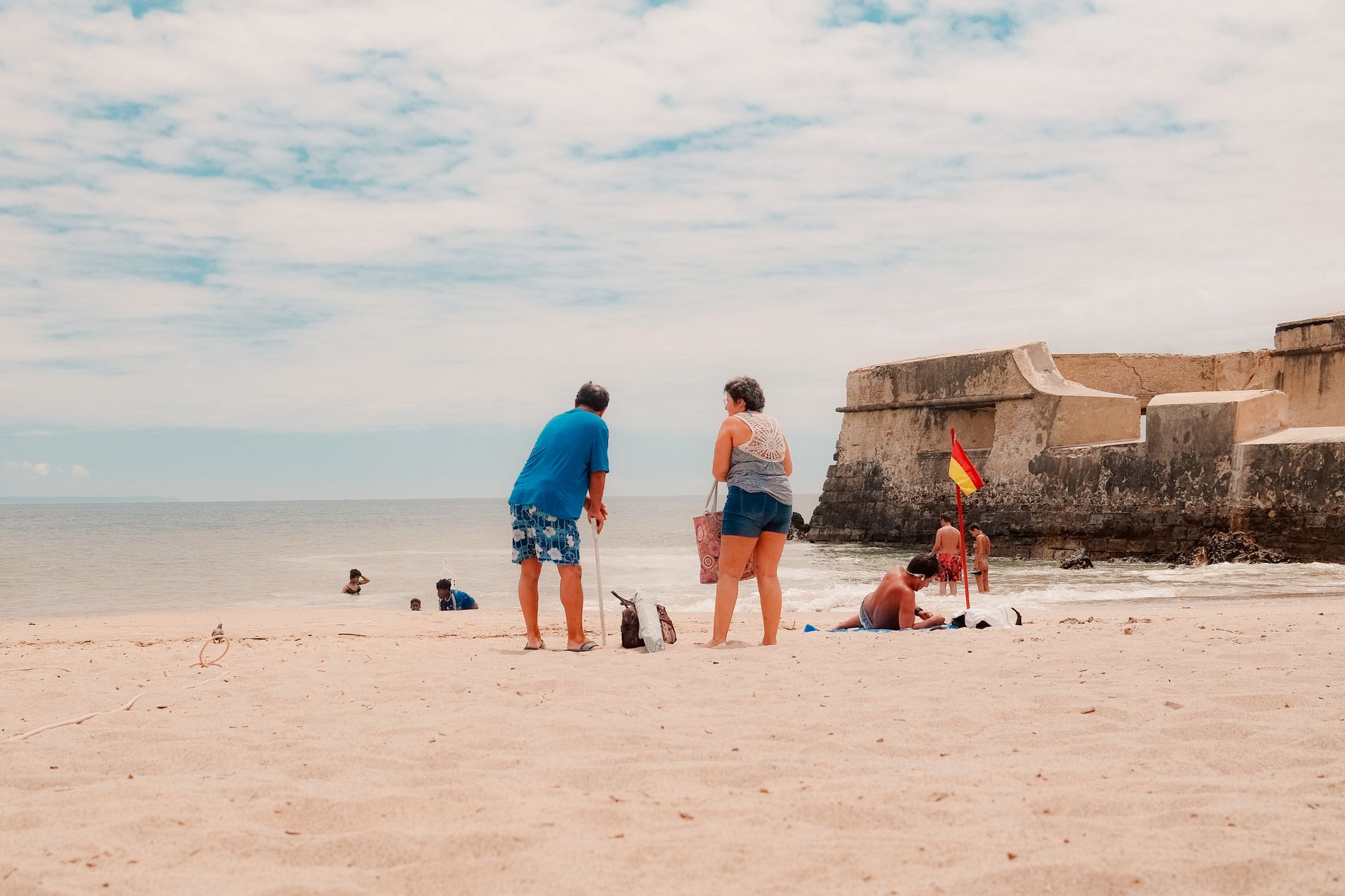
The road from Papeete runs out at PK0 — point kilometer zero — and that is Teahupoo. Beyond the single-lane road, beyond the small bridge, there is only reef, lagoon, and one of the most consequential waves on earth. The name translates roughly as 'place of skulls,' a reference to an old battle fought here, and the reef has done nothing to soften that reputation.
The wave itself breaks over coral that sits as little as twenty inches beneath the surface. Water moving across a deeper shelf 'stands up' into a near-vertical wall before the reef rises again and the whole thing throws — thick, hollow, and fast. You don't need to surf it to understand why people cross the Pacific just to watch.
💛 What travellers fall for
People who keep coming back all say the same thing: book your boat early, especially around the Billabong Pro in August when the docks get crowded. Eat at The Snack — the poisson cru is the real reason, the Hinano is optional but likely. And arrive before the swell peaks, because watching the wave build from flat is its own kind of education.
Deals in Teahupoo
Book directly at the provider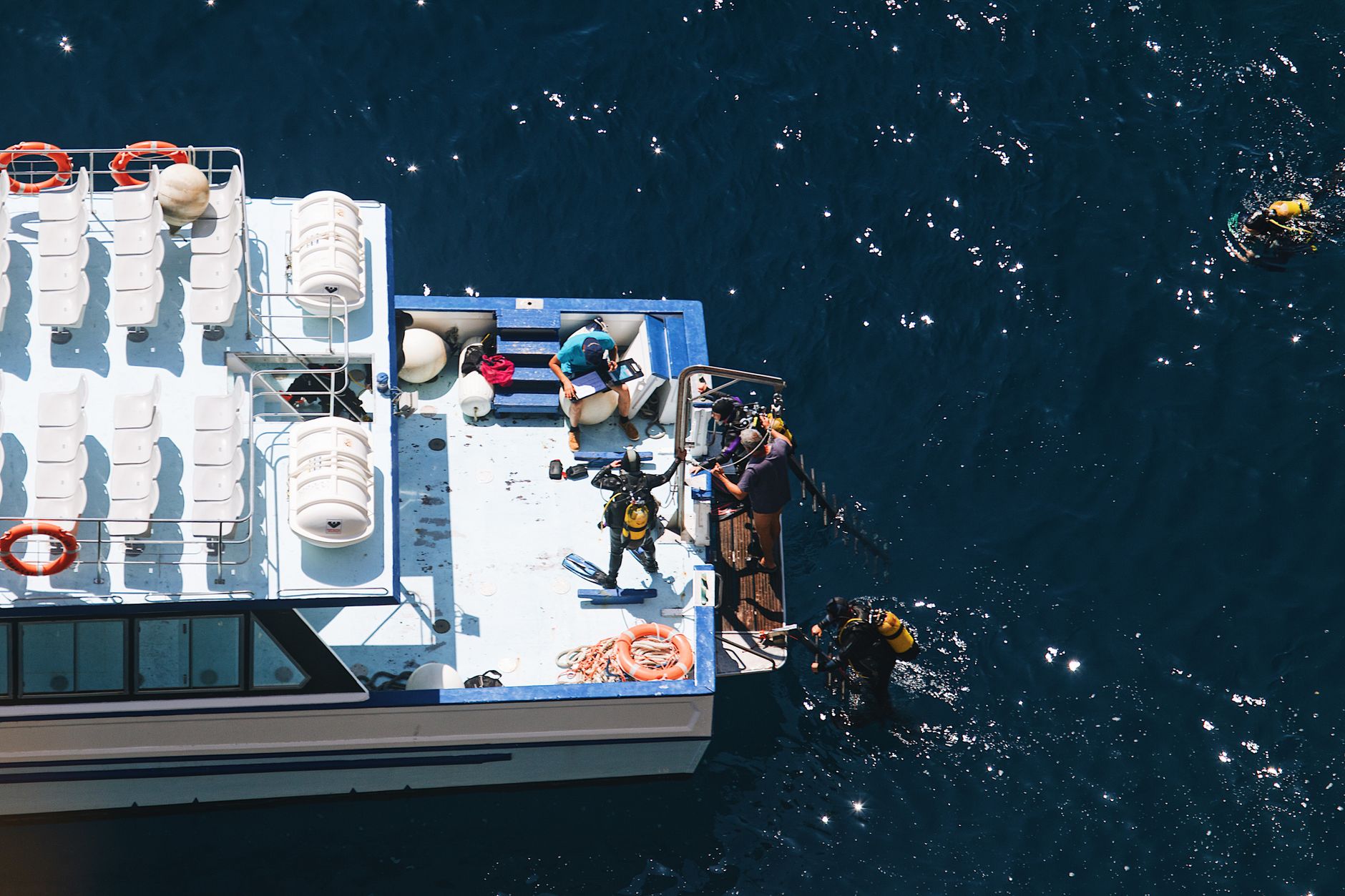

How Teahupoo came to be
Tahitian Thierry Vernaudon and a handful of locals first paddled out at Teahupoo in 1985. For a few years it remained known mostly to bodyboarders — Mike Stewart and Ben Severson among those who spread the word — before surf videos in the 1990s featuring Kelly Slater and Tom Carroll pulled the wider world's attention south.
The Billabong Pro has run here every year since 1999, but the date that fixed Teahupoo in surfing's memory is August 17, 2000, when Laird Hamilton was towed into a wave so thick and so heavy it became simply known as the Millennium Wave. In May 2005, Keala Kennelly became the first woman to tow-surf the break. A decade later, Nathan Florence paddled into what observers called the biggest wave ever successfully caught here without a tow rope. In the summer of 2024, the village hosted the surfing competition of the Paris Olympics — an unusual arrangement that brought the Games, briefly, to the far side of the planet.
Who and what shaped it
People who shaped it
Landmark buildings
See Teahupoo in motion
Plan your visit
On the map
When to go
Southern hemisphere swells run strongest from April through October, making those the months worth planning around; August sits inside both the prime swell window and the annual competition calendar. The cyclone season, November through April, can also push surf through, but conditions are less predictable.
Right now
Background & history adapted from Wikipedia (CC BY-SA) · specs from Wikidata (CC0) · weather from Open-Meteo · map data © OpenStreetMap contributors · photos from Wikimedia Commons / Unsplash with per-image credit. No third-party reviews or social posts reproduced.