
Punaauia

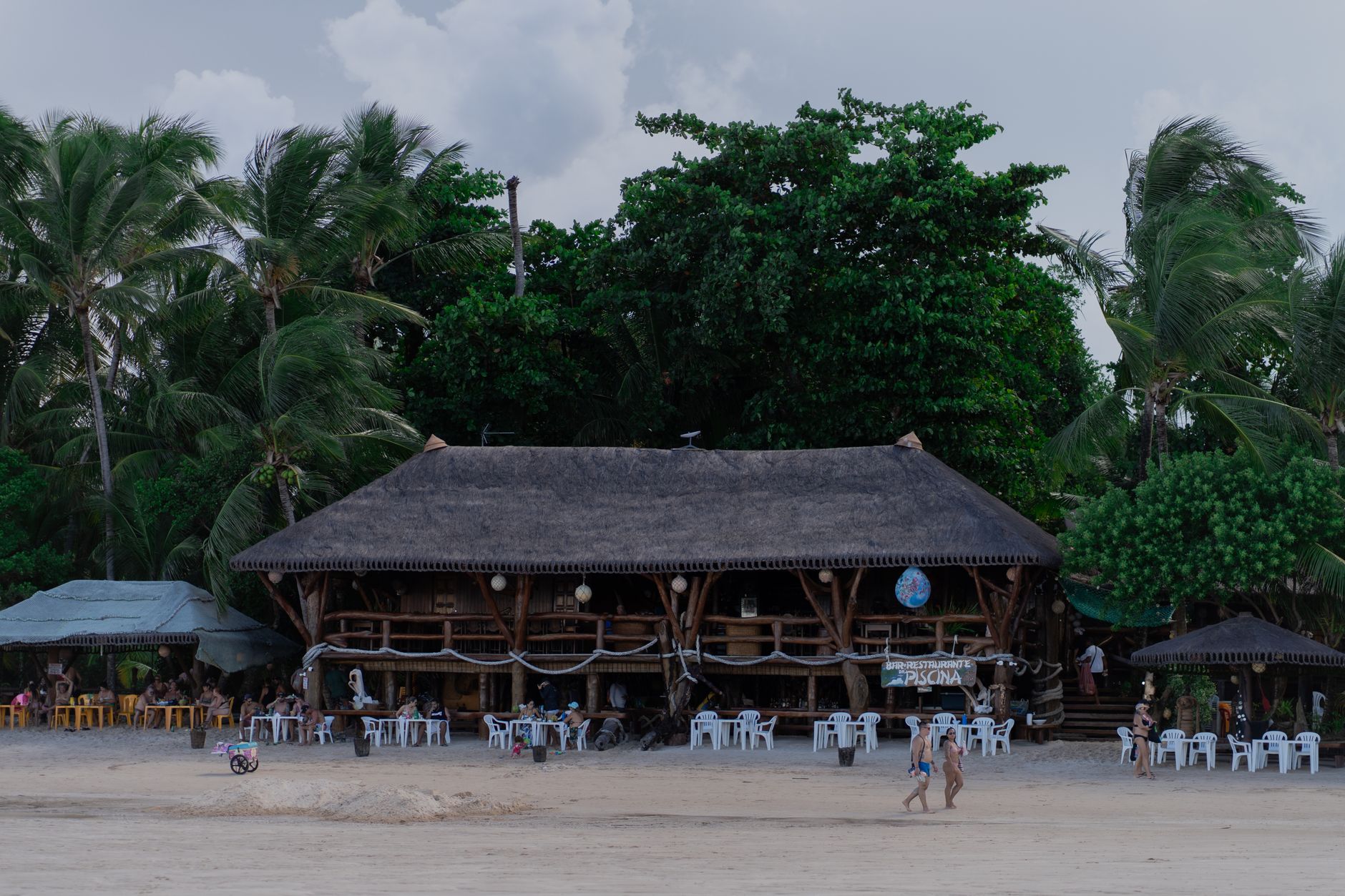
Punaauia sits about ten kilometres west of Papeete along Tahiti's leeward coast, and it's where the island loosens its collar. The second most populous commune in French Polynesia, it has the density of a real place — markets, a marina, a beach with actual black sand mixed into the white — without the capital's traffic snarl.
The Musée de Tahiti et des Îles anchors the cultural side of things, and the hills behind town climb quickly into green ridgelines with views out over the lagoon toward Moorea. Paul Gauguin lived here in the late 1890s and painted what became one of the most discussed canvases in Western art. The place has been drawing people ever since, for reasons both quieter and more personal.
💛 What travellers fall for
People who come back tend to time it around the Musée de Tahiti et des Îles on a weekday morning, when the galleries are nearly empty. Marina Taina is the spot for an early coffee and a look at the boats before the heat settles in. The bus No. 1 from Papeete is slower than a taxi but puts you among locals rather than luggage.
Deals in Punaauia
Book directly at the provider

How Punaauia came to be
On 12 November 1815, at a place then called Fe'i Pī, Pōmare II defeated Opuhara, chief of the powerful Teva clan, in a battle that reshaped the political order of Tahiti. The site is now the heart of what became the commune of Punaauia.
Eighty years later, Paul Gauguin settled here during the late 1890s and produced *Where Do We Come From? What Are We? Where Are We Going?* — a canvas nearly four metres wide that he considered his most important work. The Musée de Tahiti et des Îles, founded in 1974, carries that thread forward, conserving Polynesian artifacts and oral traditions that might otherwise have slipped away.
Who and what shaped it
People who shaped it
Landmark buildings
See Punaauia in motion
Plan your visit
On the map
When to go
Punaauia runs warm year-round, averaging around 26–27°C, but the rainy season (December through April) brings heavy downpours and humidity that can make outdoor plans unpredictable. August is the driest and sunniest month — cooler by a degree or two and genuinely pleasant for time spent outside.
Right now
Background & history adapted from Wikipedia (CC BY-SA) · specs from Wikidata (CC0) · weather from Open-Meteo · map data © OpenStreetMap contributors · photos from Wikimedia Commons / Unsplash with per-image credit. No third-party reviews or social posts reproduced.