
Papeete


The name Papeete means 'water from a basket' — a linguistic trace of a royal taboo that once forbade the common word for water. That kind of specific, layered strangeness runs through the whole city. Stand at the kilometre-zero marker in front of Notre-Dame Cathedral and every distance on Tahiti is measured from where you're standing.
The waterfront at Place Vaiete fills at dusk with roulottes — food trucks that have been feeding the city for generations — and the avenue behind them is shaded by marumarus, century-old trees that push thirty metres into the sky. Papeete is a working Pacific capital, not a resort, and it shows in the best possible way.
💛 What travellers fall for
People who come back tend to arrive at the market on a Sunday, when it opens at four in the morning and the fish sellers are already doing serious business. The Robert Wan Pearl Museum rewards a second visit once you understand what you're looking at. And Bougainville Park's banyan tree is worth sitting under longer than you think you have time for.
Deals in Papeete
Book directly at the provider
How Papeete came to be
A British missionary named William Crook arrived in 1818 and became the first European to settle here, on a harbour that local Tahitians had long used for fresh water. The town's real founding moment came a decade later, when Queen Pōmare IV moved her residence to Papeete, establishing it as the island's capital around 1827–1830.
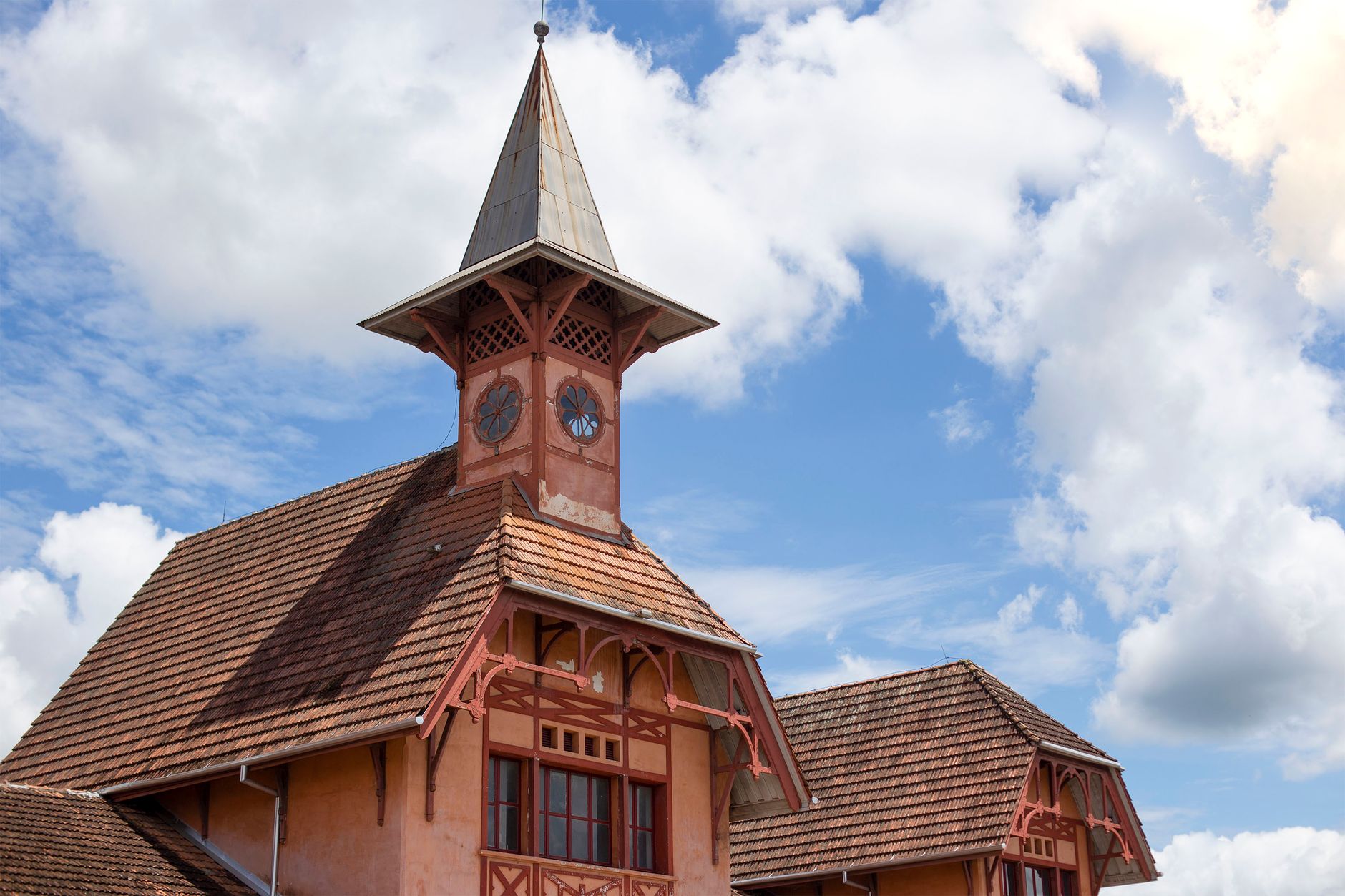
France declared a protectorate over Tahiti in 1842, and Papeete became the administrative centre. After full annexation in 1880, it was made the seat of the governor, and in 1890 was formalised as a commune. A fire in 1884 erased much of the early built fabric; the Town Hall you see today, inaugurated in 1990 by François Mitterrand, is a reproduction of Queen Pōmare's original palace.
Who and what shaped it
People who shaped it
Landmark buildings
See Papeete in motion
Plan your visit
On the map
When to go
Papeete is warm year-round, ranging from about 25°C in its coolest months to 28°C at its hottest. The wet season runs November through April, with December bringing the heaviest rain; July through October is noticeably drier and slightly cooler, making it the most comfortable time to be outdoors.
Right now
Background & history adapted from Wikipedia (CC BY-SA) · specs from Wikidata (CC0) · weather from Open-Meteo · map data © OpenStreetMap contributors · photos from Wikimedia Commons / Unsplash with per-image credit. No third-party reviews or social posts reproduced.