
Mahina

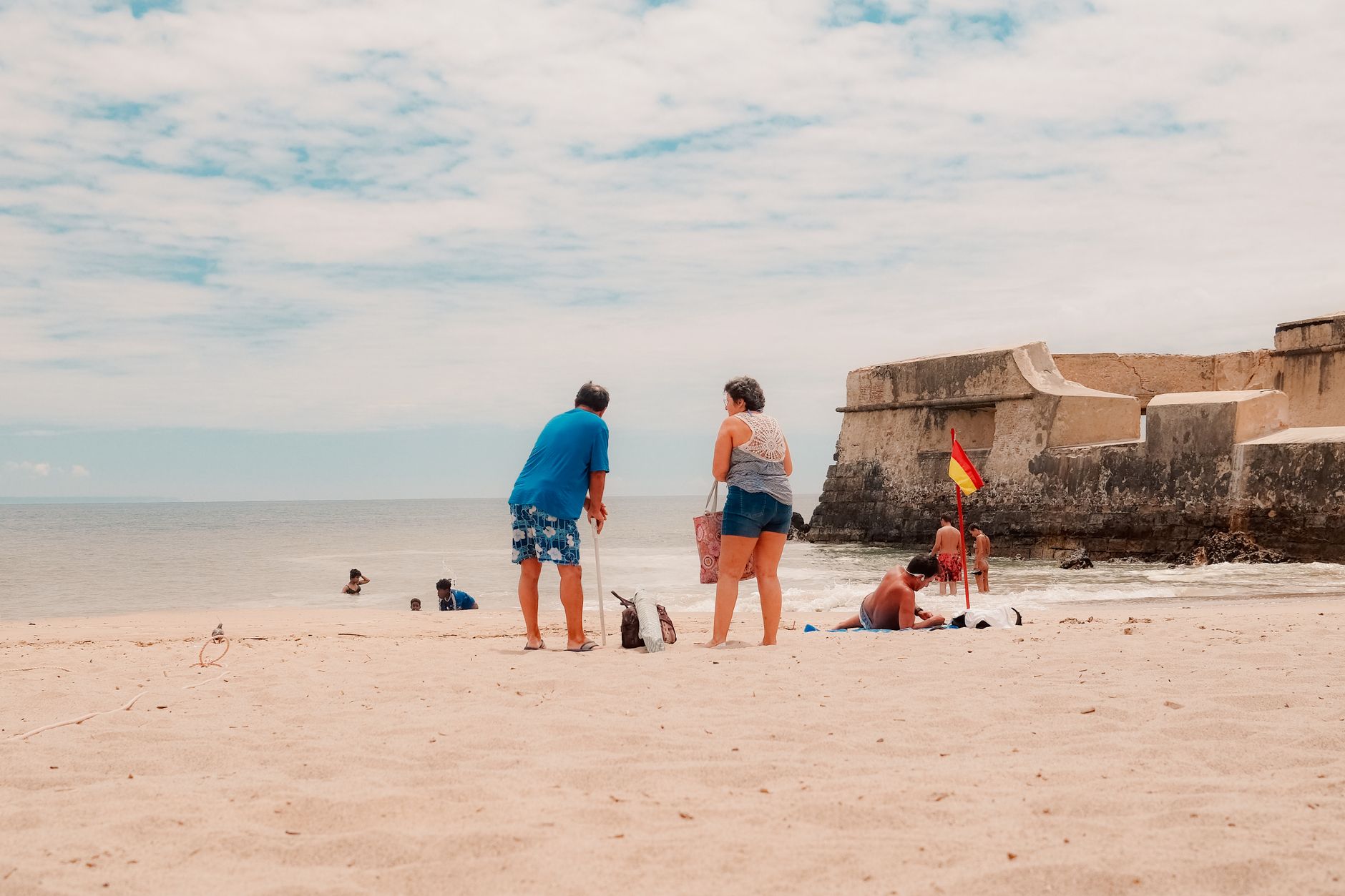
Twelve kilometres northeast of Papeete, Mahina announces itself with a strip of black sand at the edge of Matavai Bay — volcanic, dark, and quietly arresting against the lagoon's blue-green. The peninsula of Pointe Vénus pushes into the water here, topped by a working lighthouse, and the view west across to Mo'orea on a clear morning is the kind that stops conversation.
Mahina is the fifth most populous commune in French Polynesia, home to around 14,600 people and the island's only university. It doesn't perform for visitors — the eastern shore is largely sealed off by housing — but the north coast carries more layered history per kilometre than almost anywhere else on Tahiti.
💛 What travellers fall for
People who come back tend to time the drive for early morning, when the light on Matavai Bay is low and the black sand at Pointe Vénus is still cool underfoot. The lighthouse path is short, the monument to Cook easy to miss if you're moving fast — slow down enough to read it. The green-and-white buses from Papeete are cheaper than a taxi and surprisingly reliable before noon.
Deals in Mahina
Book directly at the provider
How Mahina came to be
Matavai Bay was already a significant anchorage for Polynesian voyagers — arriving by double-hulled canoe across open ocean — long before European ships appeared on the horizon. That changed decisively in 1769, when Captain James Cook set up his observatory on the black-sand point to record the Transit of Venus, a scientific mission that placed this particular stretch of Tahiti's north coast on European maps permanently.
Nearly three decades later, on 5 March 1797, the missionary ship Duff landed at the same bay, carrying representatives of the London Missionary Society intent on conversion. The colonial period that followed brought French administration and plantation agriculture, reshaping the commune that exists today.
Who and what shaped it
People who shaped it
Landmark buildings
See Mahina in motion
Plan your visit
On the map
When to go
Temperatures hold steady between 26°C and 30°C year-round, with humidity consistently above 70%. The dry season, May through October, brings the least rain — September averages just 45mm — while December can deliver over 320mm; if you're planning time outdoors around Pointe Vénus, the austral winter months are the more comfortable bet.
Right now
Background & history adapted from Wikipedia (CC BY-SA) · specs from Wikidata (CC0) · weather from Open-Meteo · map data © OpenStreetMap contributors · photos from Wikimedia Commons / Unsplash with per-image credit. No third-party reviews or social posts reproduced.