
Mataiea
At PK45 on Tahiti's southern coast, Mataiea is the kind of place that makes more sense the longer you stay. The black-sand beach runs quiet most days, the white chapel of Eglise Jean-Baptiste sits above it, and the Vaipahi Spring Gardens — free to enter — offer waterfalls and clear pools a short walk from the road. It's the administrative heart of Teva I Uta commune, home to around 5,400 people, and far enough from Papeete that the pace genuinely changes.
What draws people here, often without their expecting it, is the weight of the place. Paul Gauguin spent two years on the banks of the Vaihiria River in the early 1890s, producing some of the paintings he's best remembered for. That residency left no monument — the bamboo hut is long gone — but it left a particular quality of attention that Mataiea still rewards.
💛 What travellers fall for
Regulars tend to mention the same sequence: arrive early enough to walk Vaipahi before the tour buses come through, then eat at Mataiea Grill and Co in the evening — call ahead, they appreciate it. The Apu Terai marae is easy to overlook from the road but worth the stop; the stonework is old and the site still carries ceremony.
Deals in Mataiea
Book directly at the provider
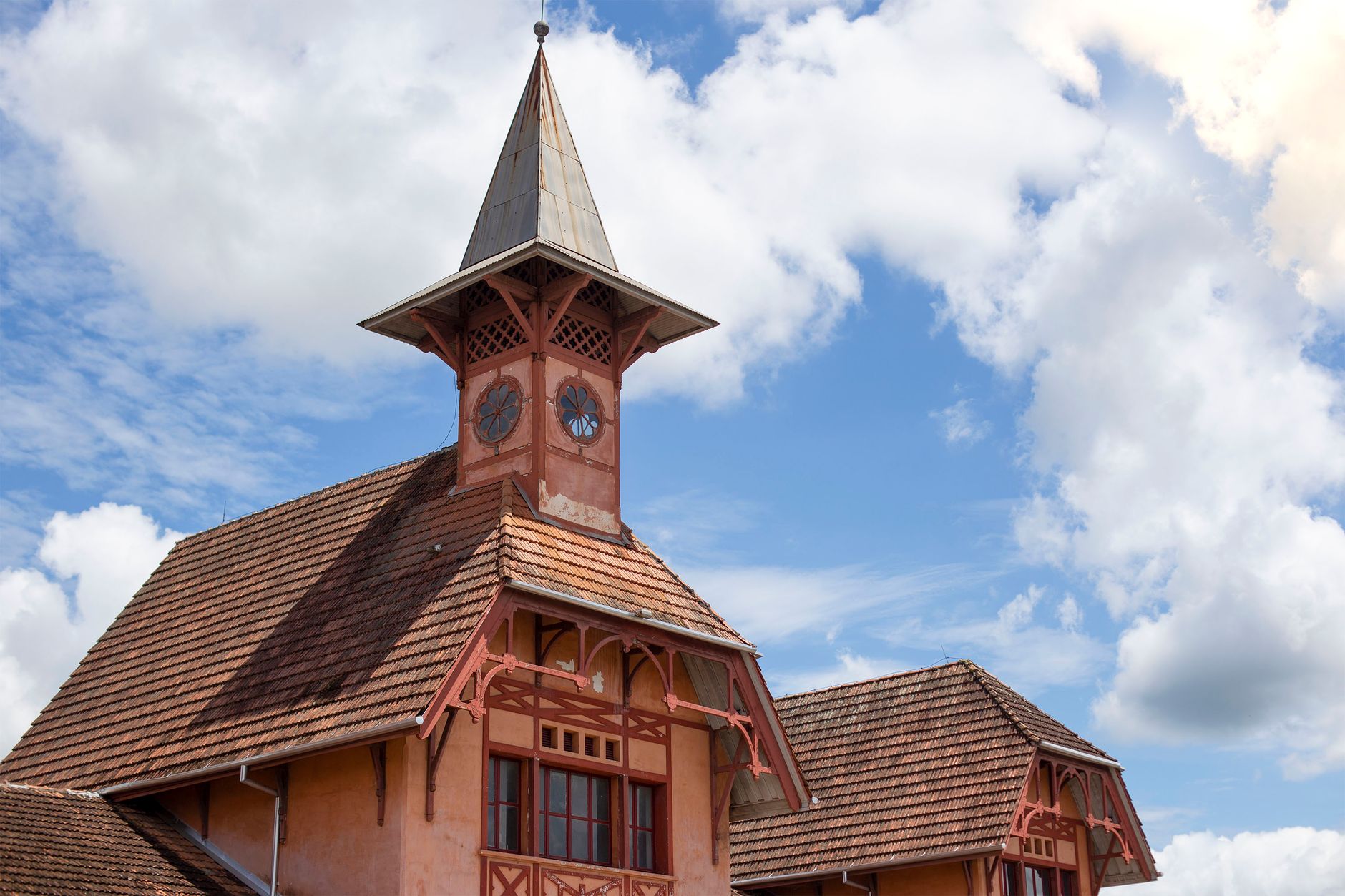
How Mataiea came to be
Polynesian settlers reached Tahiti somewhere between 900 and 1100 CE, and the Mataiea area was part of that early agricultural world — breadfruit, taro, yams, the whole system adapted to volcanic soil. The island moved through the Kingdom of Tahiti and into French colonial territory in 1880, and by the 1870s a coastal road already connected Mataiea to the capital, drawing it into an export economy.
The two moments that put Mataiea on a longer map came within two decades of each other. Gauguin arrived in 1891, lived simply in a bamboo structure by the Vaihiria River, and left in 1893 with canvases that included Ia Orana Maria and Woman with a Mango. Then Rupert Brooke came through in 1914, fell for the local chief's daughter, wrote well, and left when war called him back to England — a three-month stay that ended a chapter before it properly began.
Who and what shaped it
People who shaped it
Landmark buildings
See Mataiea in motion
Plan your visit
On the map
When to go
May through October brings the clearest weather — temperatures around 26–28°C, lower humidity, and reliable sun. The wet season, November through April, delivers short afternoon downpours and heavier air; December averages 283 mm of rain, though the gardens look their best for it.
Right now
Background & history adapted from Wikipedia (CC BY-SA) · specs from Wikidata (CC0) · weather from Open-Meteo · map data © OpenStreetMap contributors · photos from Wikimedia Commons / Unsplash with per-image credit. No third-party reviews or social posts reproduced.