
Fiji Islands
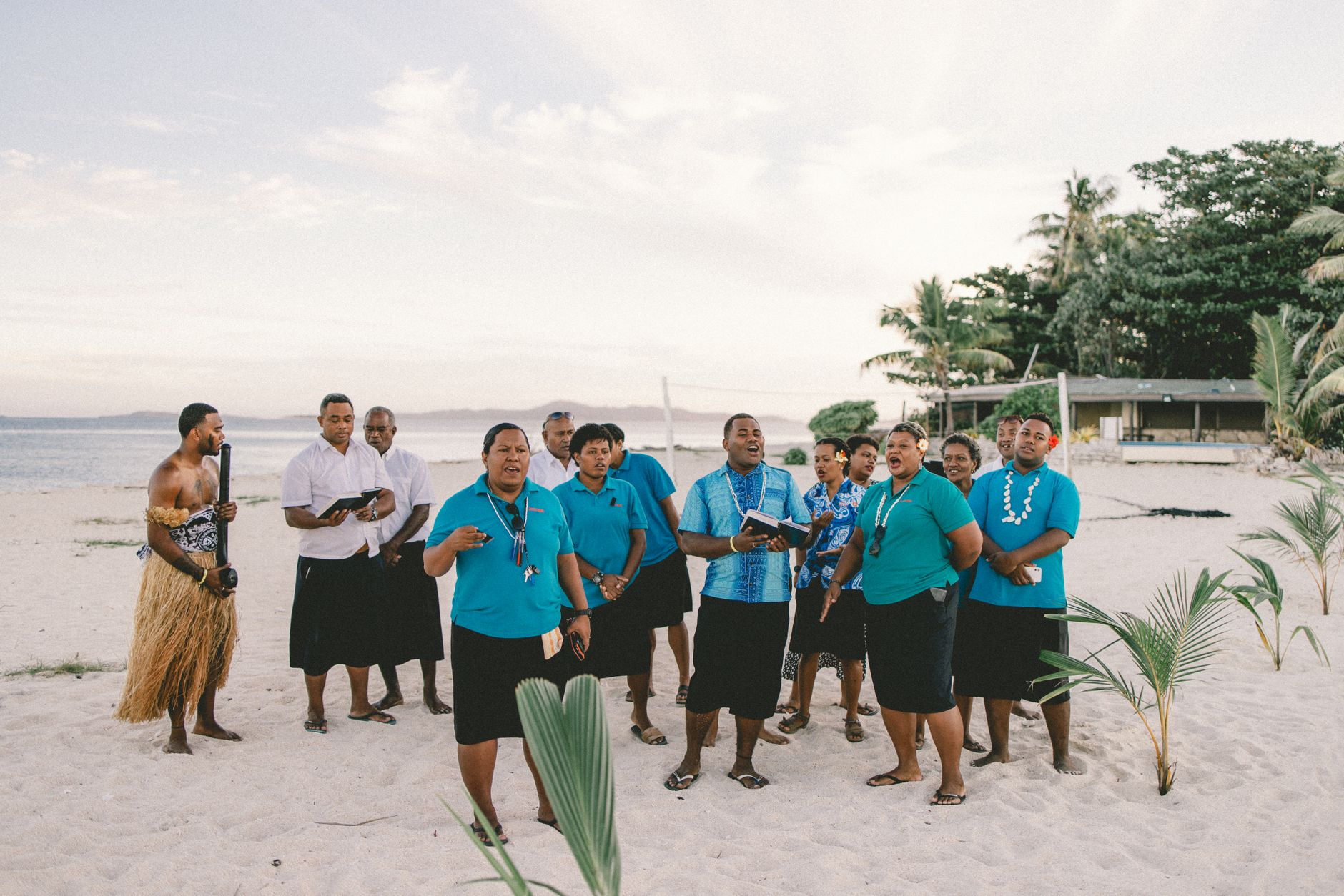
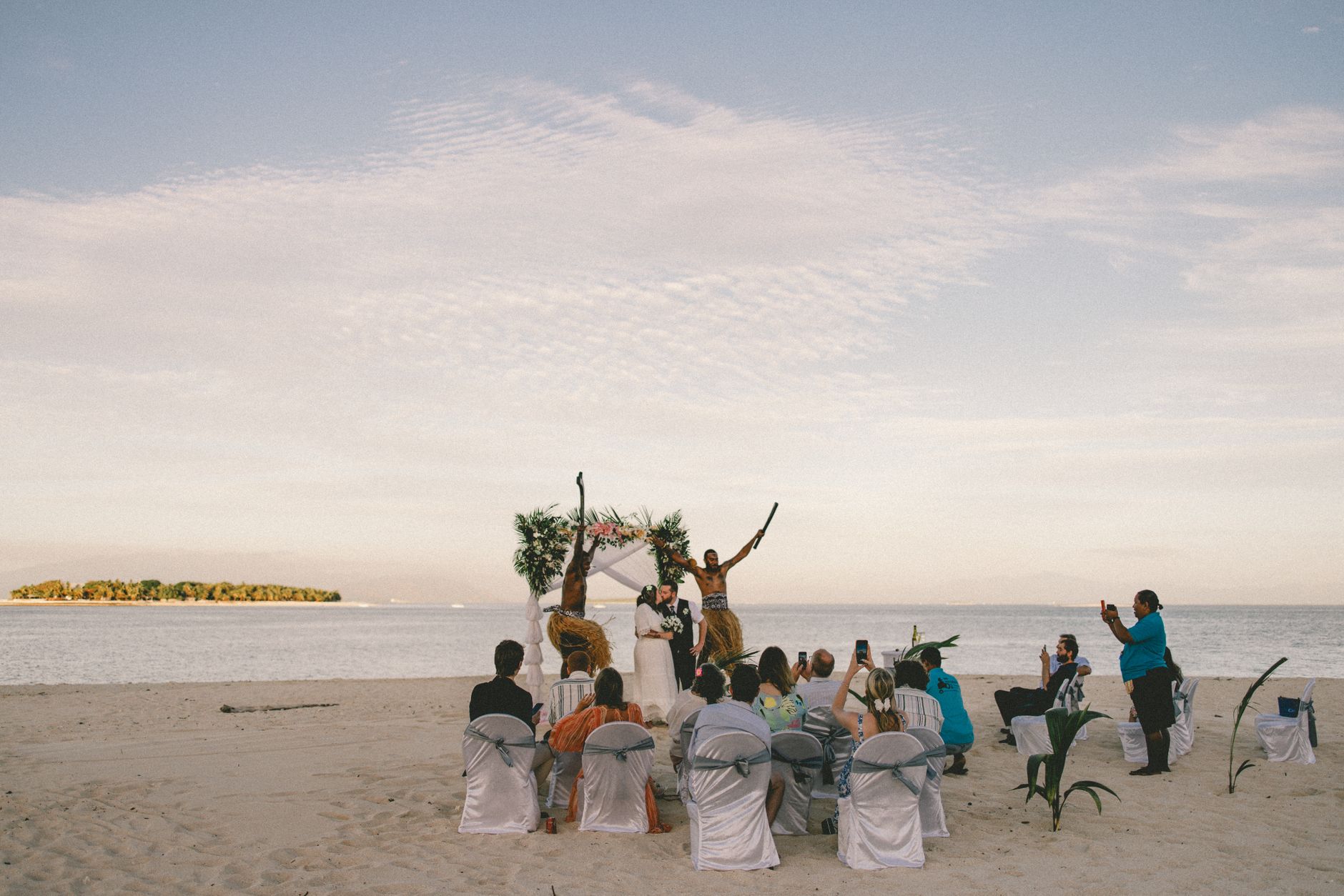
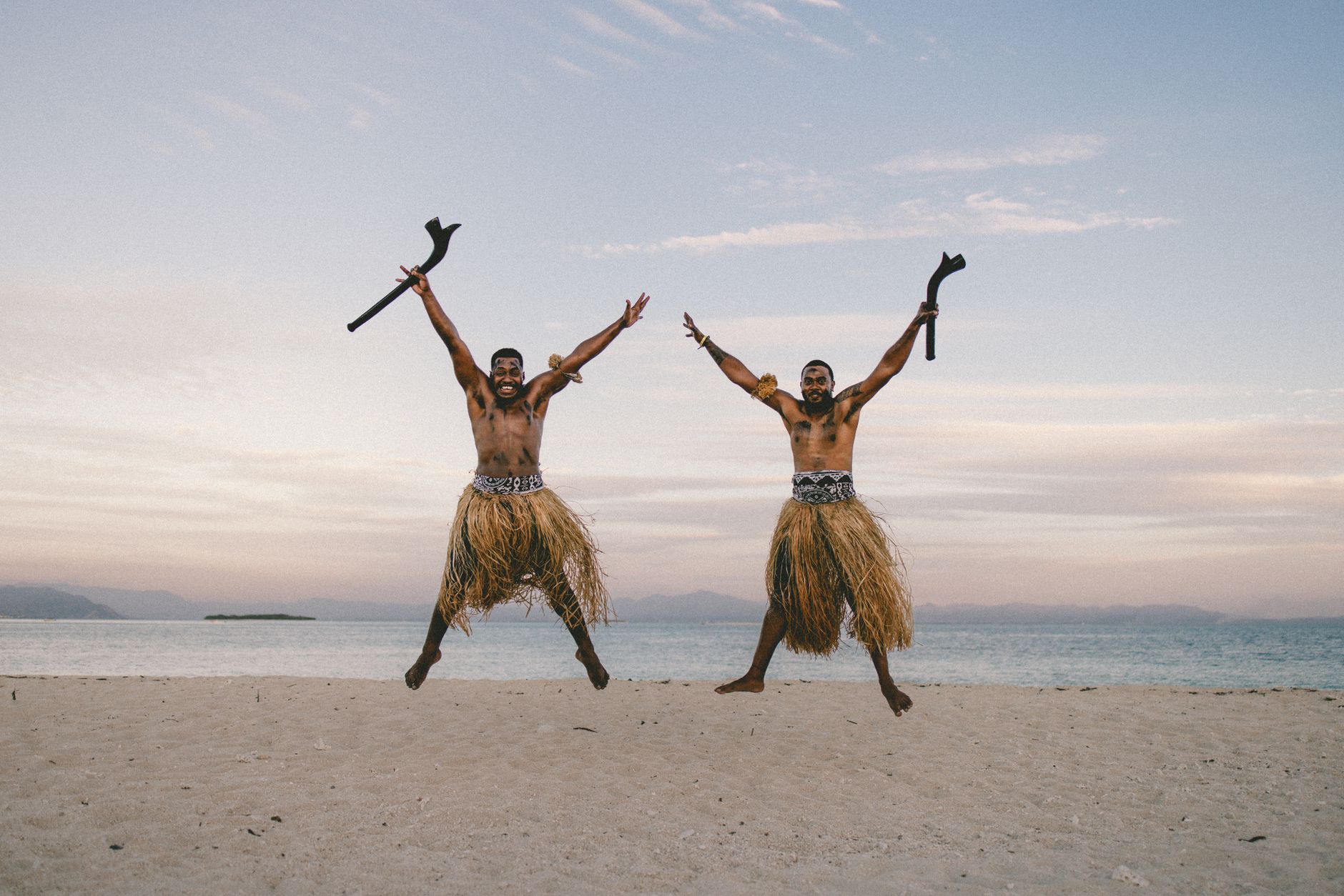
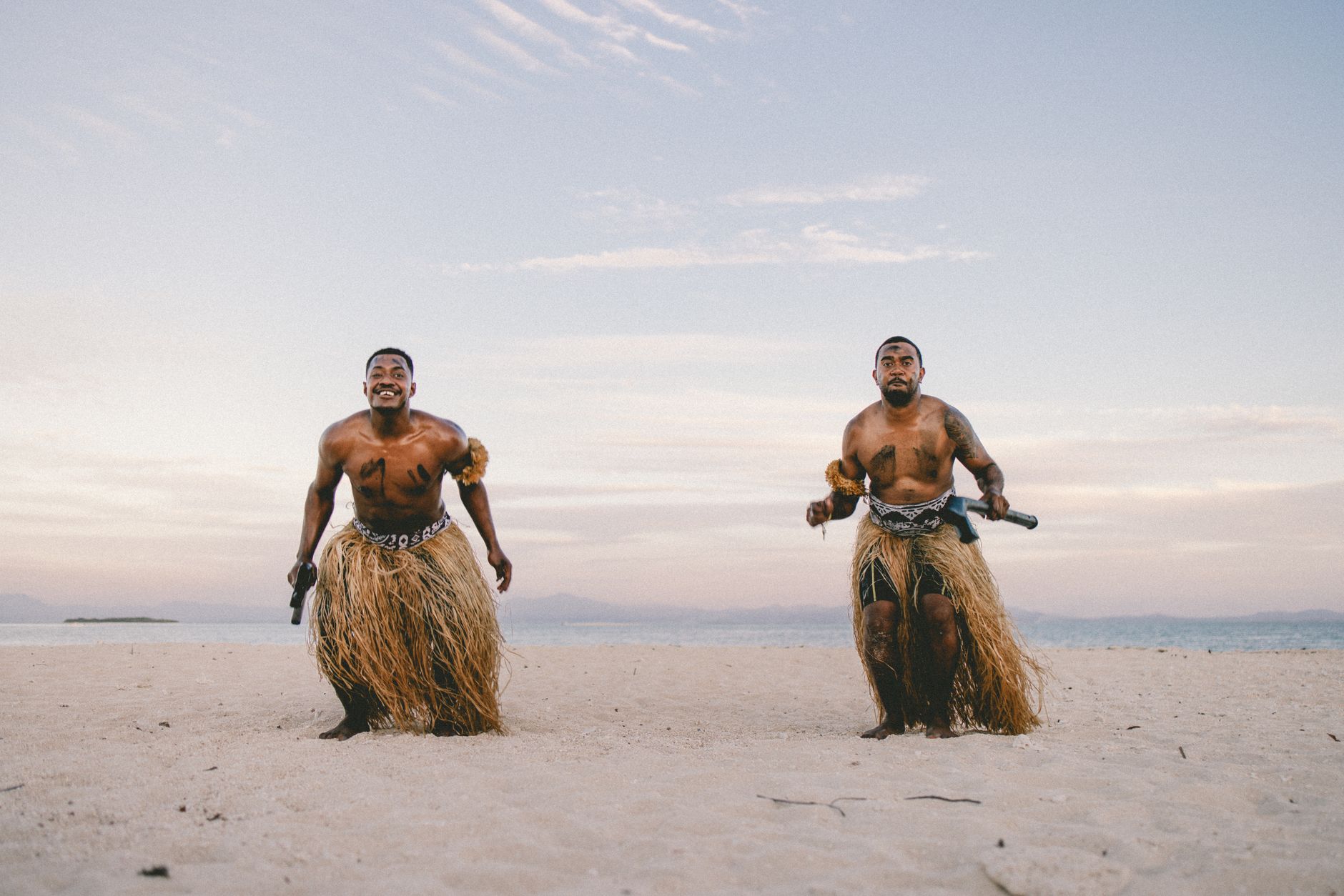
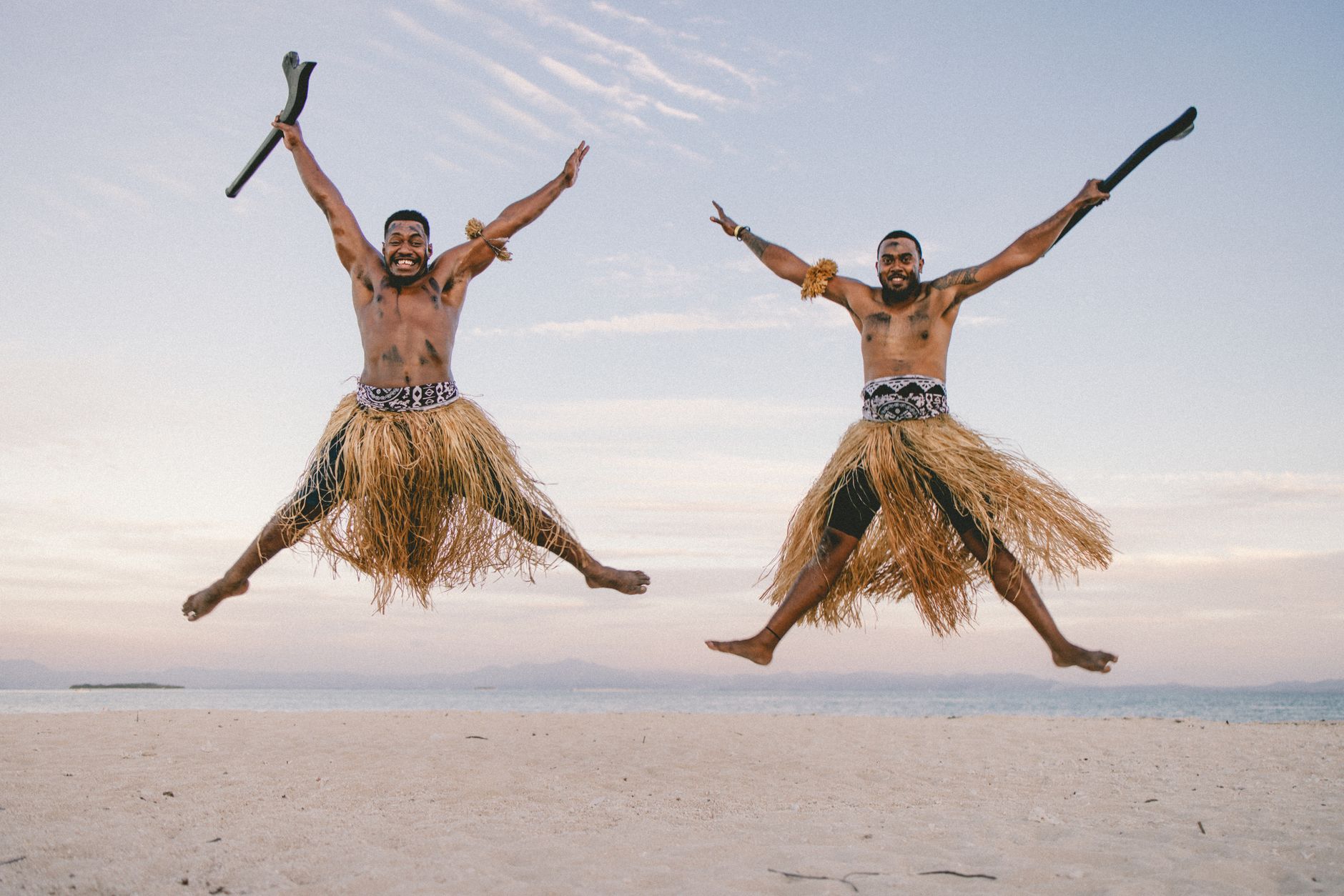
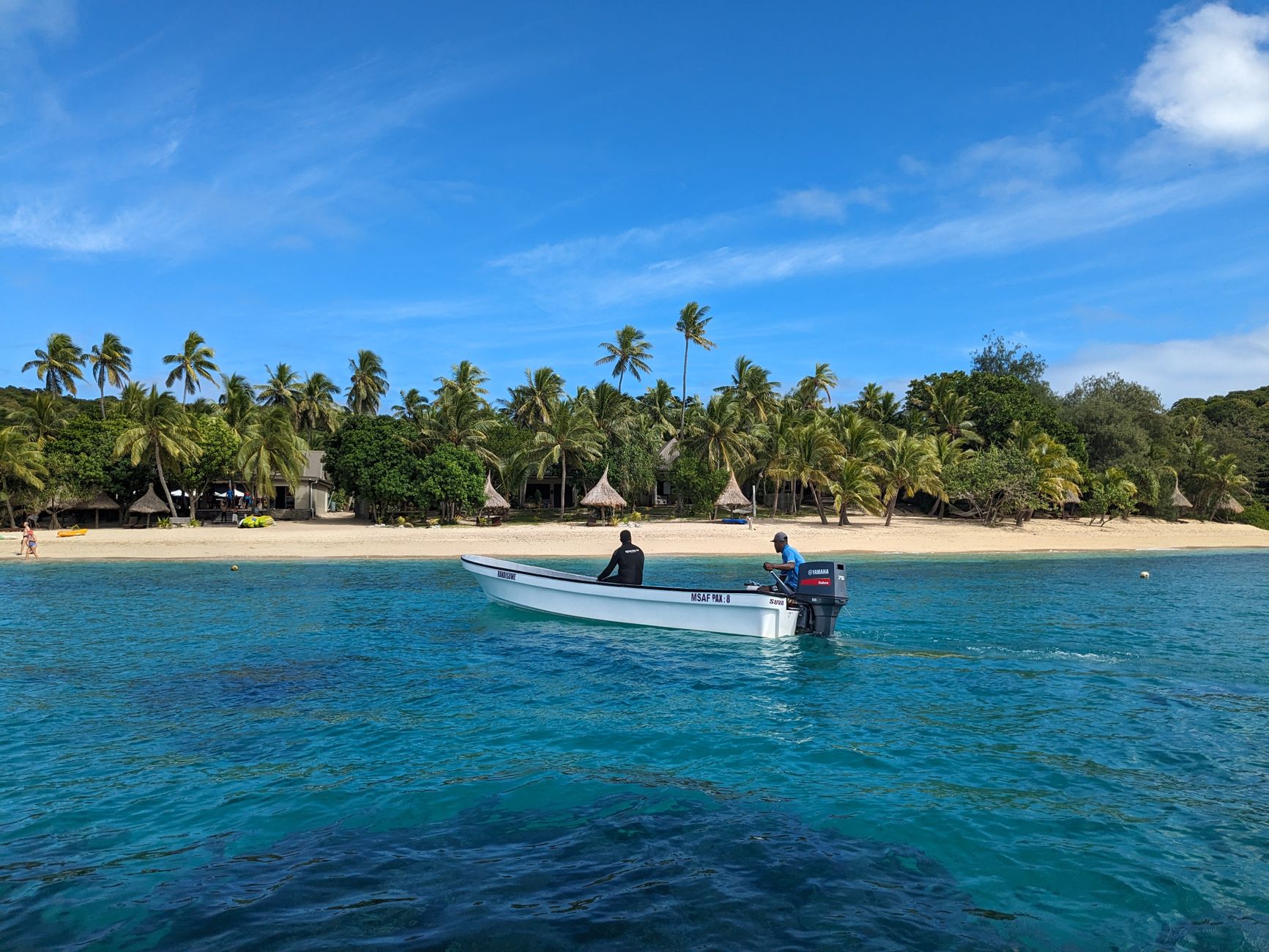
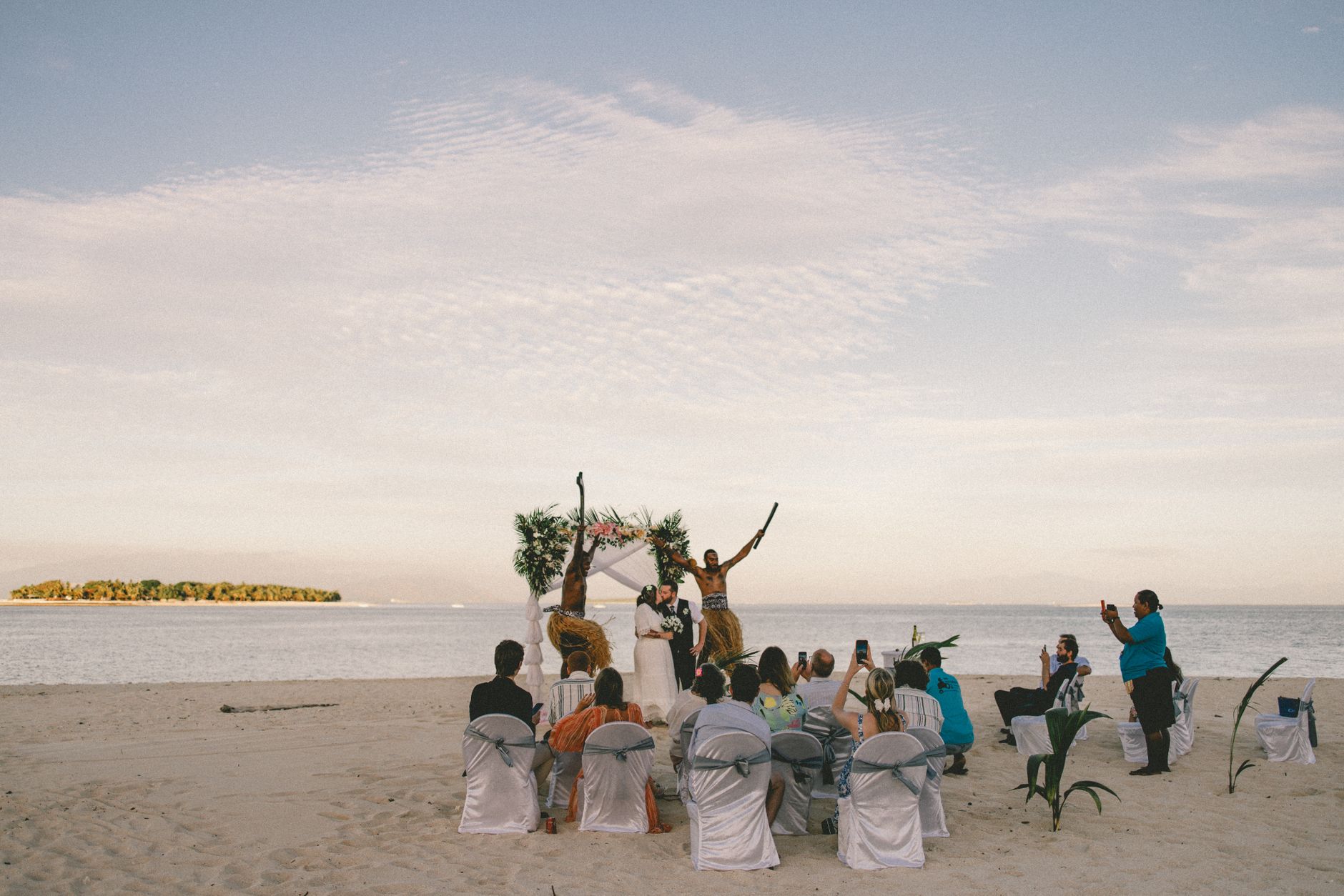
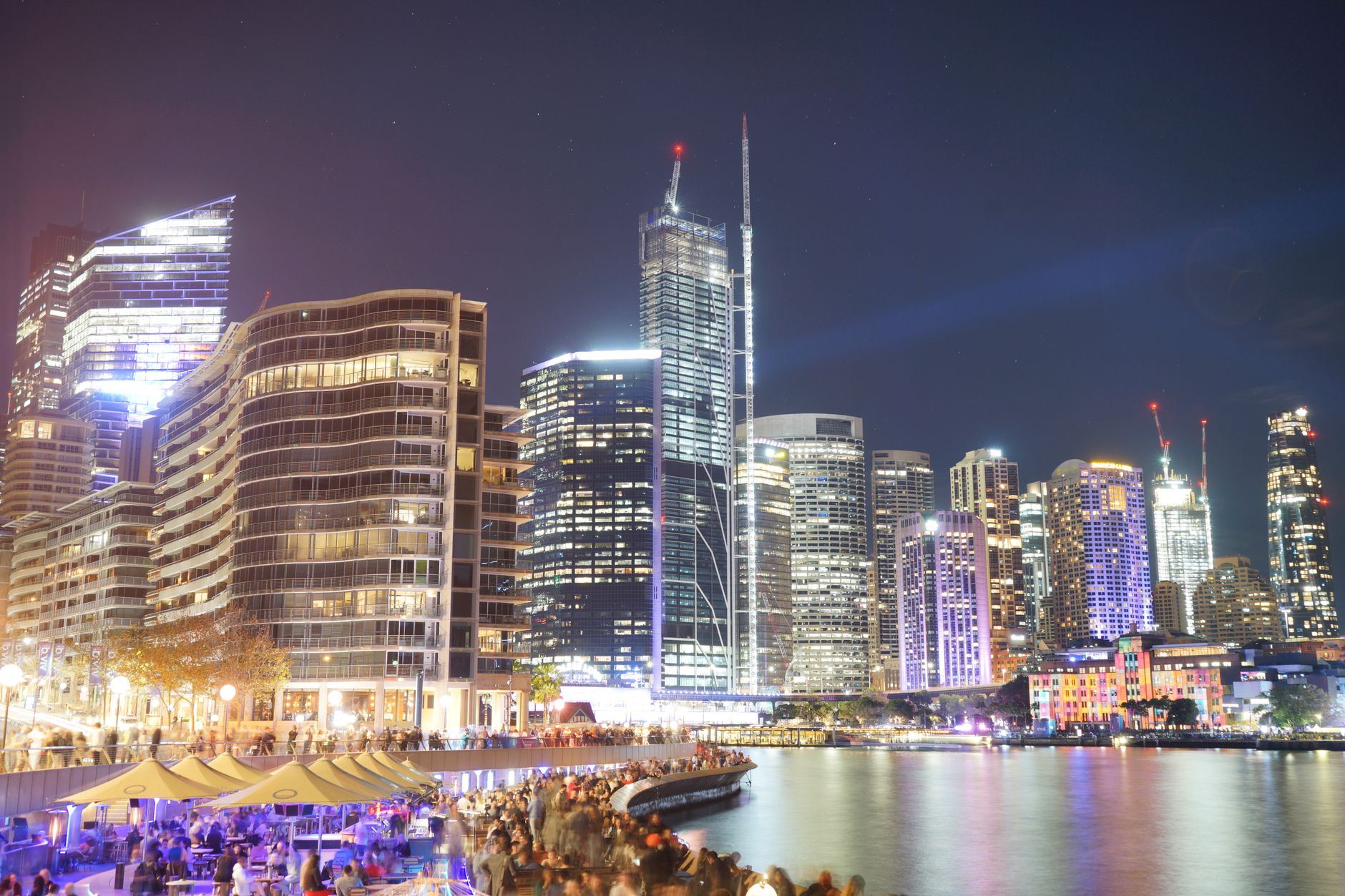
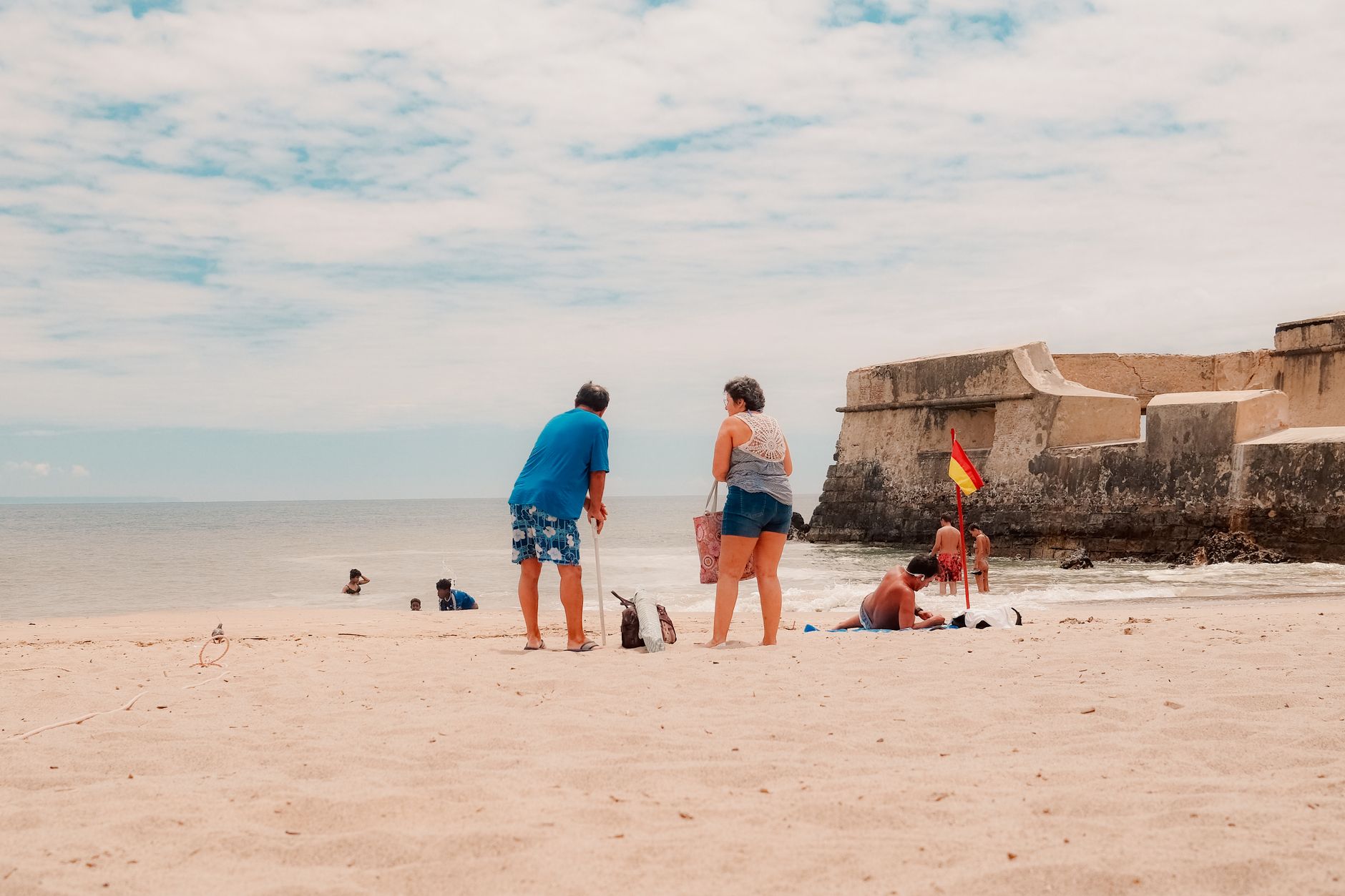
Fiji is an archipelago of more than 300 islands scattered across the South Pacific, and the version most people picture — white sand, reef-clear water, thatched bures — is real, but it's only one layer. Viti Levu, the main island, holds the capital Suva with its Carnegie library and century-old museum, the Hindu temple in Nadi that is the largest of its kind in the Southern Hemisphere, and the sand dunes at Sigatoka that have been accumulating for over 2,600 years.
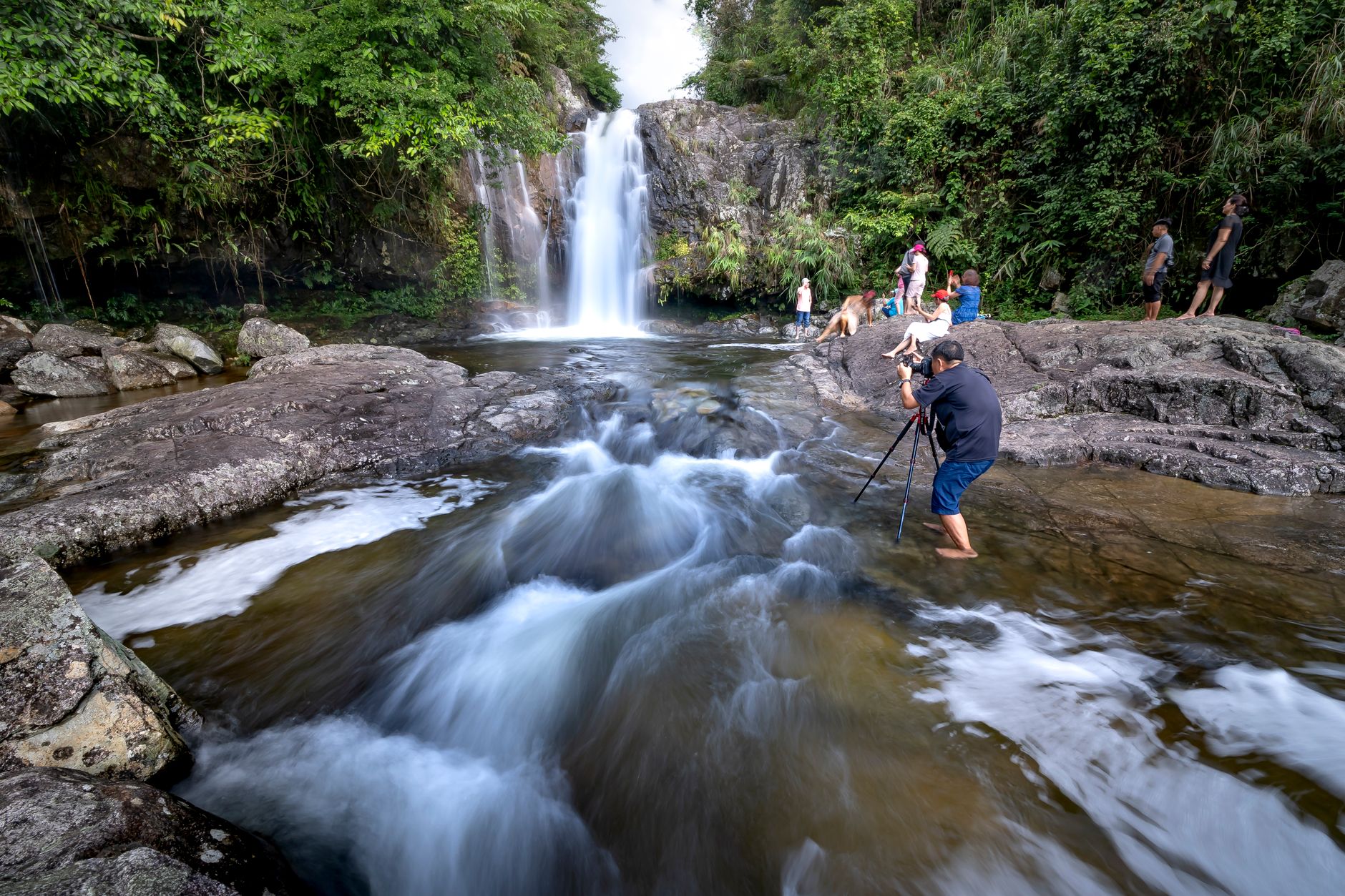
The outer islands pull you further out. The Yasawa chain takes four hours by ferry from Port Denarau Marina and rewards the journey with limestone caves filled with tidal saltwater pools. Taveuni has rainforest waterfalls. Navala, three hours inland on Viti Levu, remains the last village on the main island where every building is still a traditional thatched bure.
Popular cities in Fiji Islands


💛 What travellers fall for
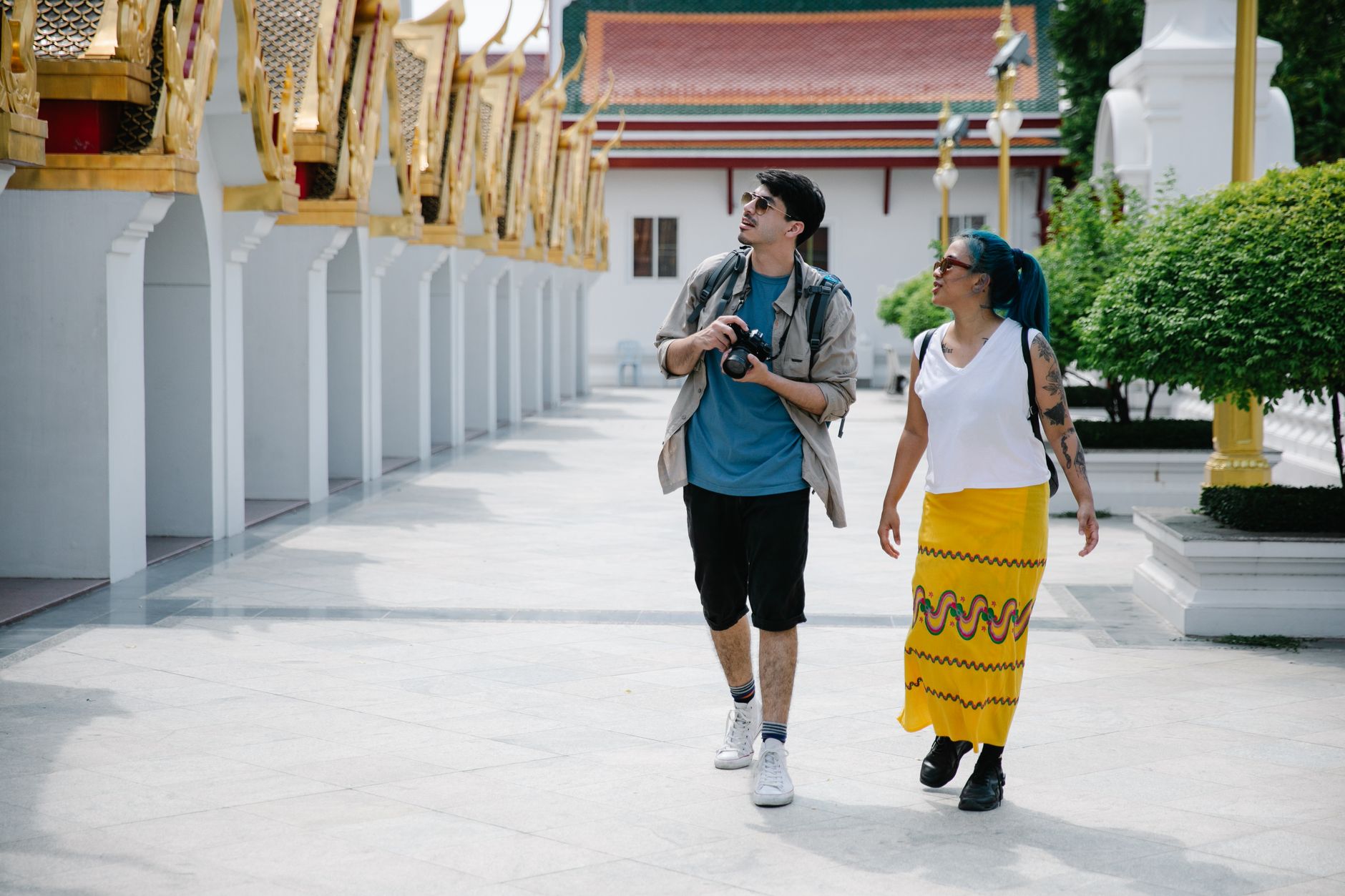
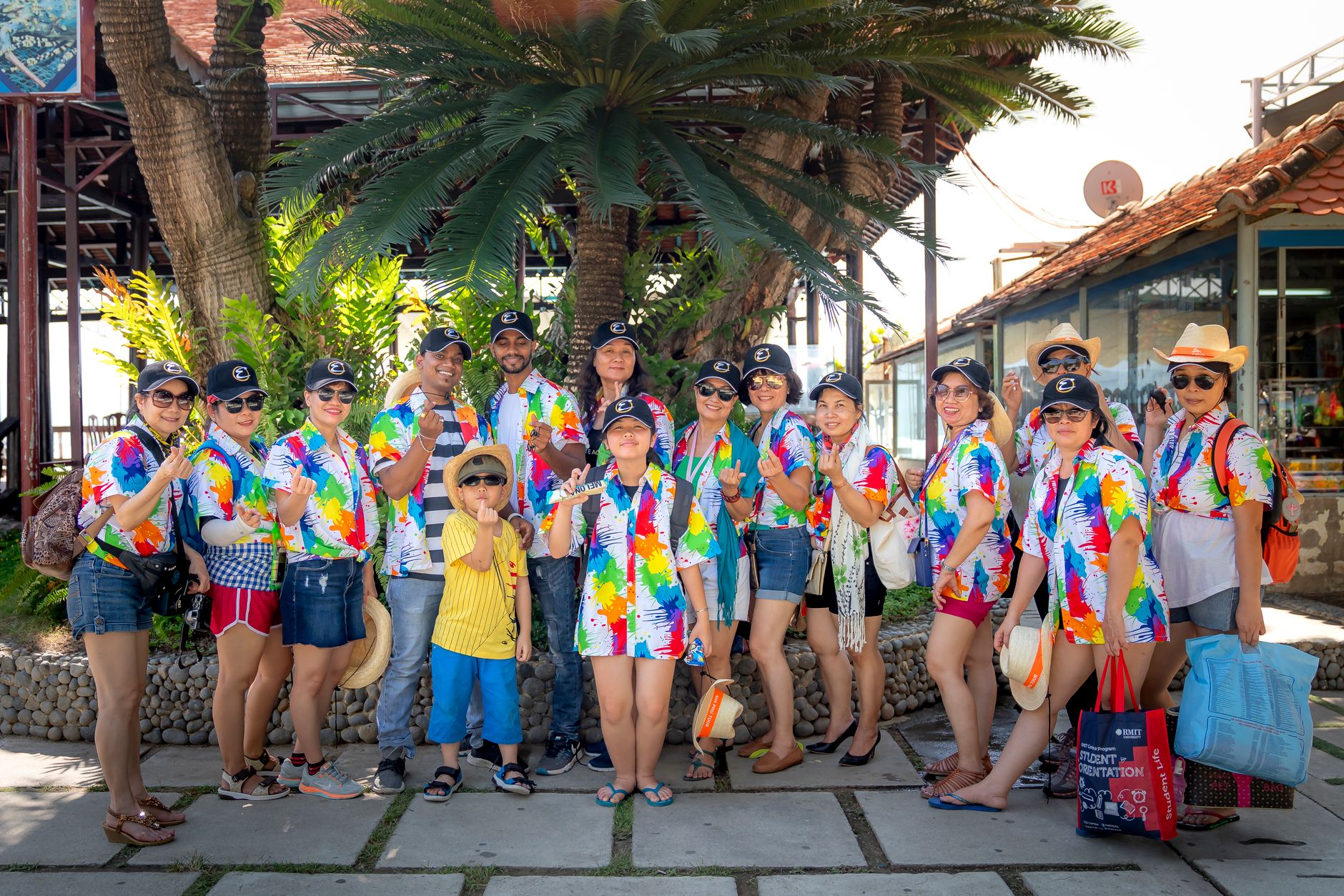
People who come back tend to anchor themselves at Port Denarau and use the Bula Pass — the hop-on-hop-off ferry valid for 15 days — to move between island groups without booking rigid itineraries. The Mamanuca Islands are close enough for a day or two; the Yasawas reward a longer stay. Suva is worth at least one full day that most first-timers skip.
How Fiji Islands came to be
The first settlers arrived from the Lapita culture around 3,500 years ago, with Melanesian peoples following roughly a millennium later. Archaeological evidence on Moturiki points to habitation as far back as 900 BC. By the 10th century, Fiji had come within the sphere of the Tu'i Tonga Empire, and Polynesian customs and language filtered into the islands through that contact.
Dutch explorer Abel Tasman passed the northeastern fringe in 1643, and William Bligh — adrift after the Bounty mutiny — sailed between Viti Levu and Vanua Levu in 1789. Levuka, on Ovalau, grew into a commercial centre from the 1820s onward and became Fiji's first capital. On 10 October 1874, paramount chief Cakobau and other high chiefs signed the Deed of Cession, making Fiji a British Crown Colony. Independence came in 1970, republic status in 1987, and Fiji held its first democratic election in 2014.
Who and what shaped it
People who shaped it
Landmark buildings
See Fiji Islands in motion
Plan your visit
On the map
When to go
The dry season from May to October brings lower humidity, reliable sunshine, and the most comfortable conditions for moving between islands. The wet season, November to April, brings afternoon downpours and the possibility of cyclones — most likely between late December and early April — though temperatures year-round stay between roughly 26°C and 31°C.
Right now
↡ Cities
Background & history adapted from Wikipedia (CC BY-SA) · specs from Wikidata (CC0) · weather from Open-Meteo · map data © OpenStreetMap contributors · photos from Wikimedia Commons / Unsplash with per-image credit. No third-party reviews or social posts reproduced.