
Pacific Harbour
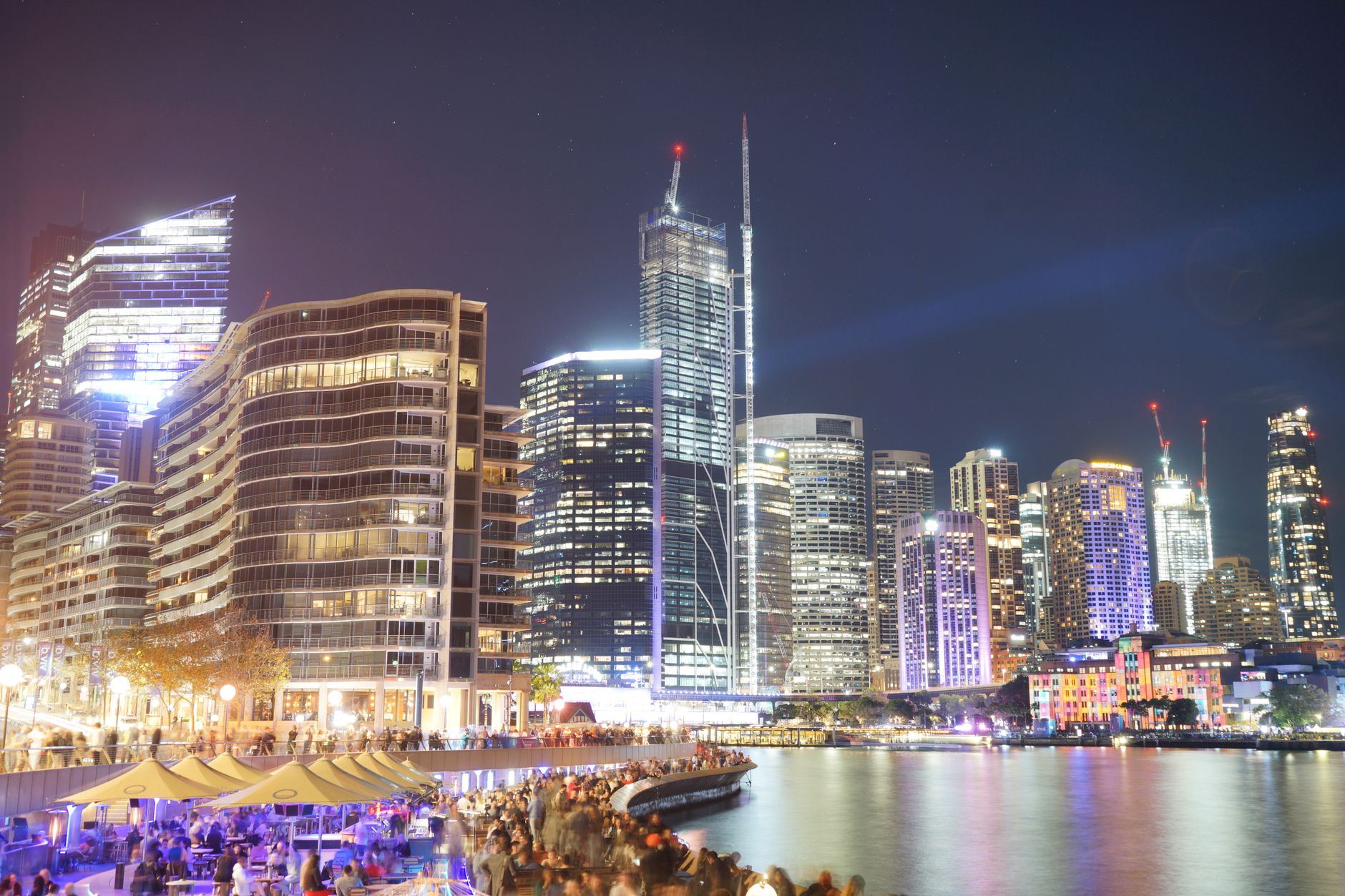
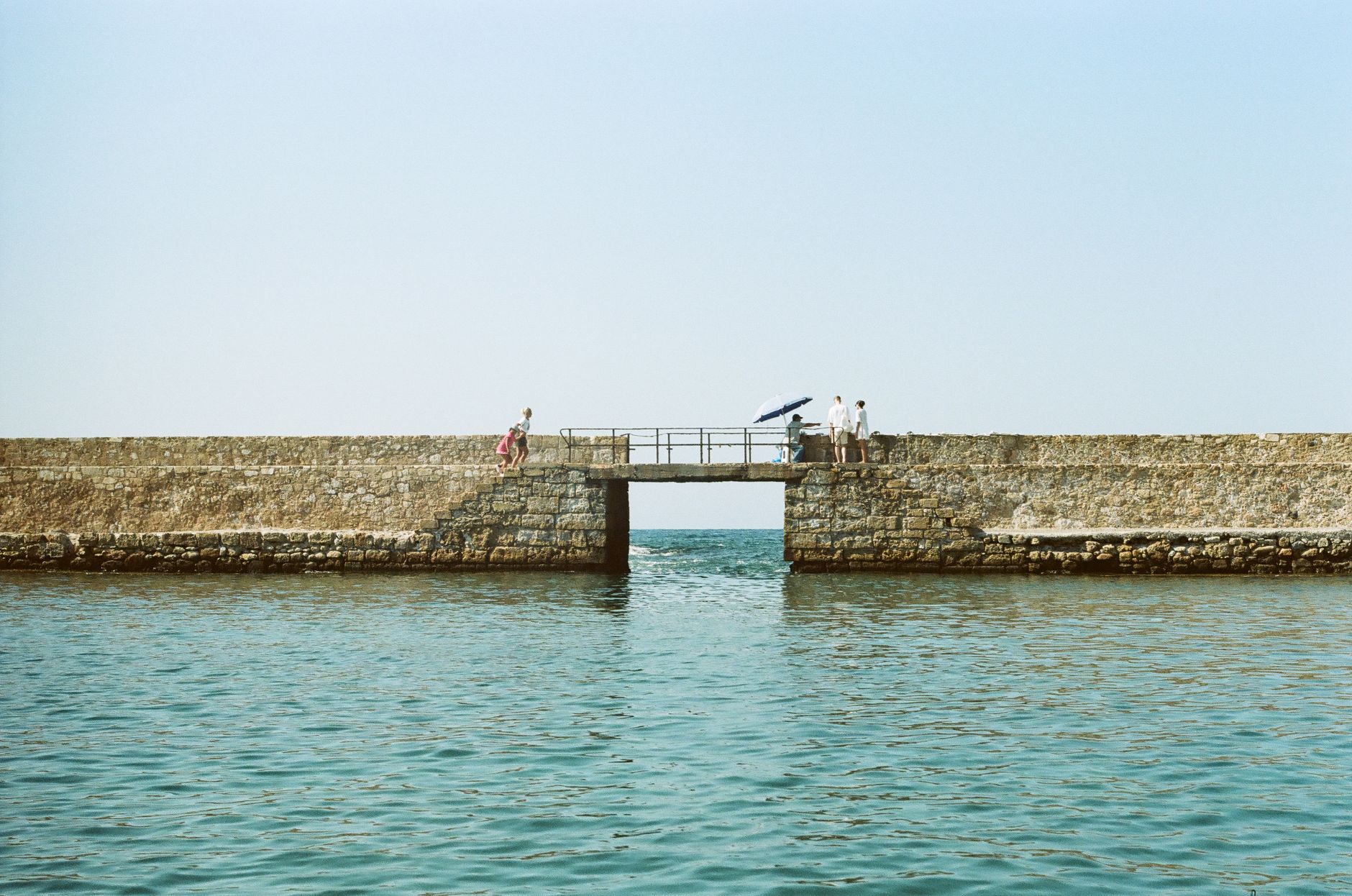
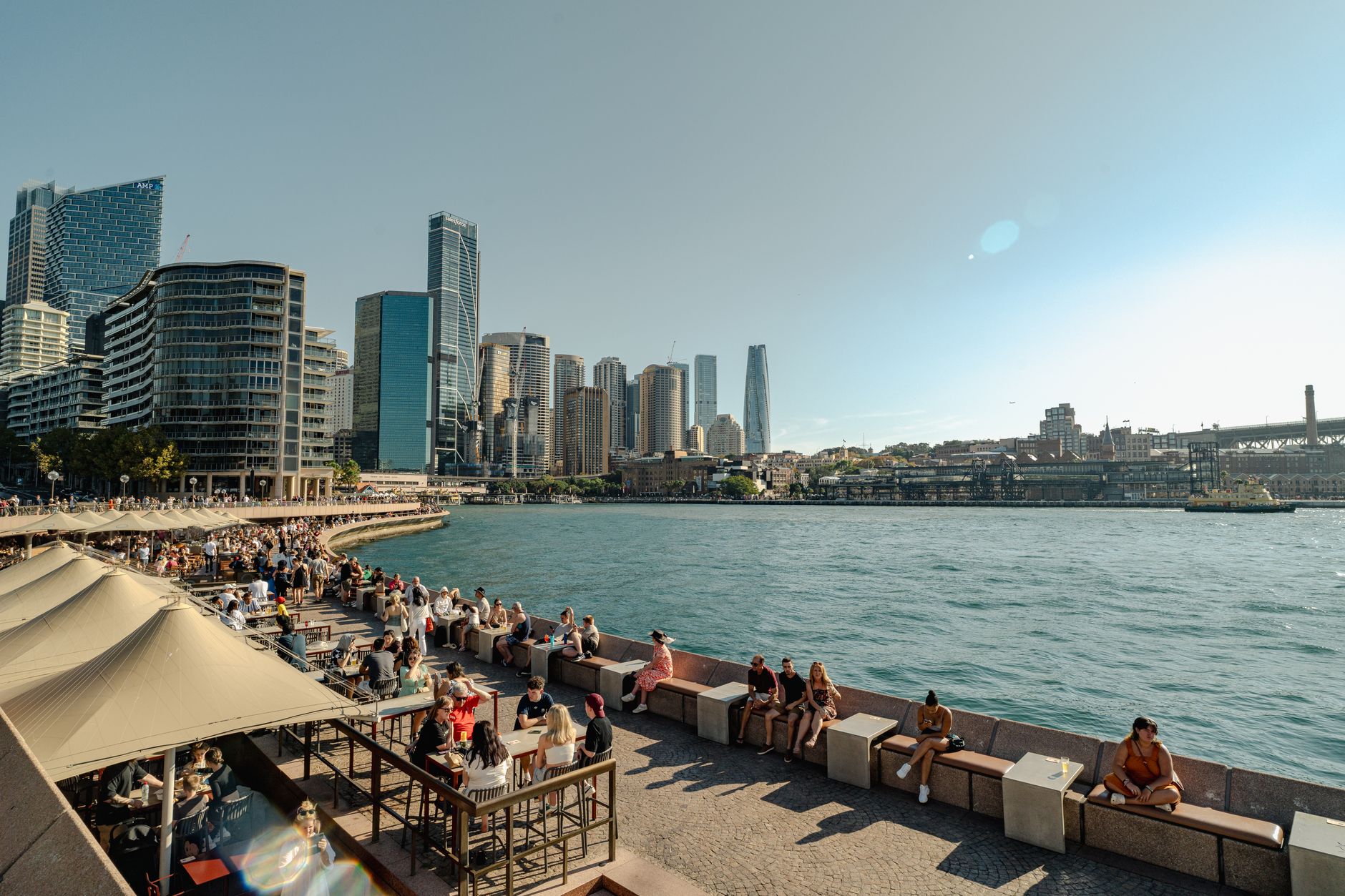
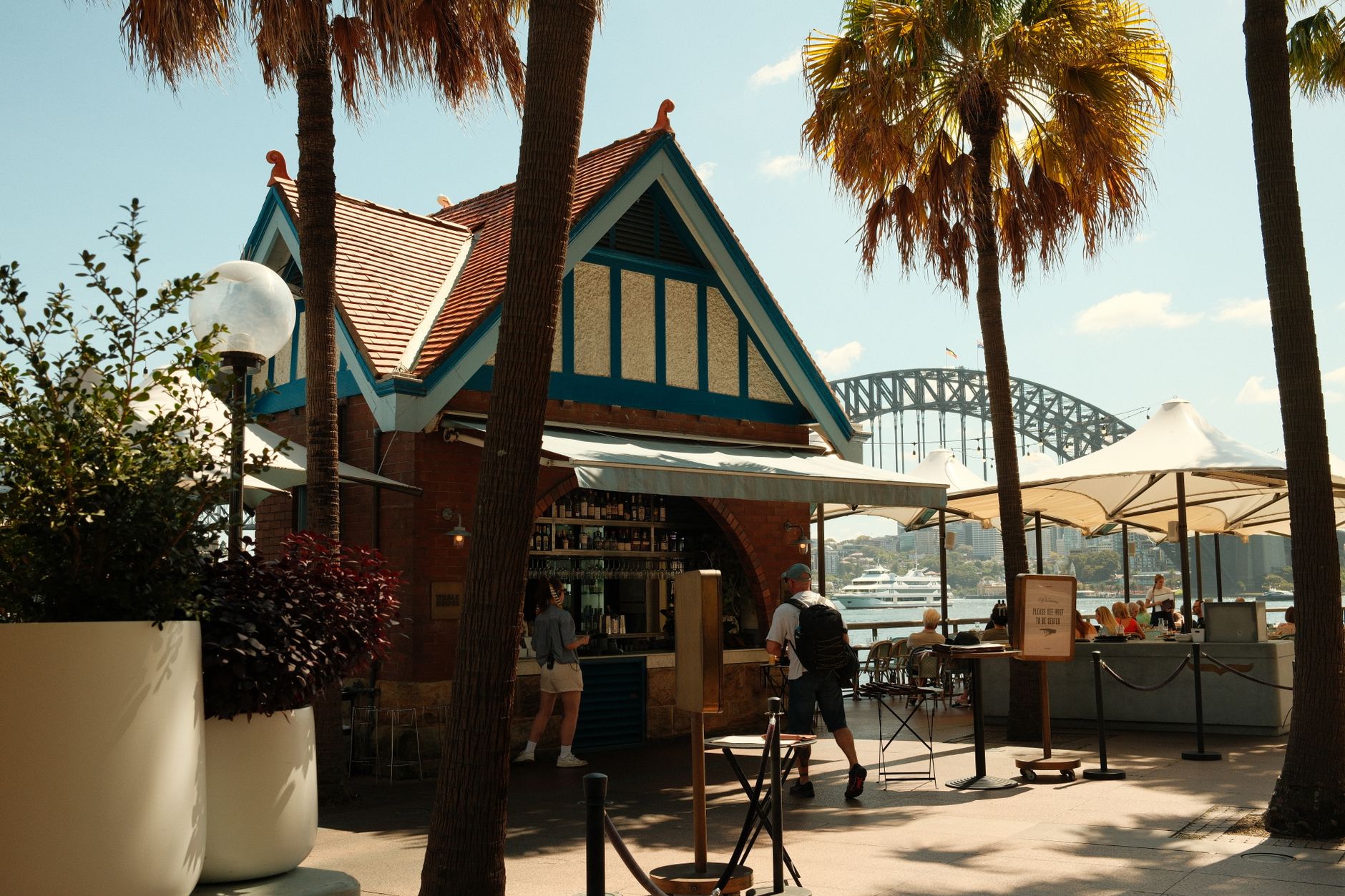
Pacific Harbour sits on the southern coast of Viti Levu, about halfway between Suva and the Coral Coast, and it was built — quite deliberately — as a place people would want to stay in. The canal-laced residential grid, the championship golf course threading along the Qara-in-Qio River, the marina: all of it was conceived in the early 1970s as a kind of self-contained resort community, and it still carries that slightly planned quality.
What the brochures don't always mention is the beach: three kilometres of deep, grey sand where you can swim at any tide, but which won't replace your idea of a Fijian beach postcard. What draws people here instead is the water of a different kind — shark dives off Beqa Island, river tubing, whitewater — and the Arts Village, a row of colonial clapboard buildings on the Queen's Road where you can find a cold drink, a meal, and occasionally a guitarist playing something from Castaway.
💛 What travellers fall for
People who come back tend to come back for Beqa. The shark diving runs out of the marina and the reefs around that island are serious enough to justify a return trip on their own. Between dives, the walk from the Pearl Resort to the Arts Village — fifteen minutes on a flat, shaded path — becomes a reliable daily rhythm.
Deals in Pacific Harbour
Book directly at the provider

How Pacific Harbour came to be
Pacific Harbour was developed in the early 1970s as a planned residential and resort community — one of the few places in Fiji that was essentially built from scratch for leisure. The canal subdivision was designed to attract expatriates and wealthy Fijians, and the infrastructure — golf course, marina, commercial centre — went in alongside the houses.
The commercial heart of the development was originally known as the Pacific Harbour Cultural Centre and Market Place. It has since been rebranded as the Arts Village, though the bones remain: colonial-style clapboard buildings connected by covered walkways, housing restaurants, boutiques, a grocery store, and a cultural centre. One name attached to the area's more recent activity is William Rock Danford, founder of River Tubing Fiji, who traces his family's connection to these highlands back to his ancestor John Humphrey Danford, who settled here in the early 1800s.
Who and what shaped it
People who shaped it
Landmark buildings
See Pacific Harbour in motion
Plan your visit
On the map
When to go
May through September is the dry season, with daytime temperatures sitting between 25°C and 27°C — comfortable by any measure. The wet season runs November through April, and Pacific Harbour gets more rain and cloud cover than much of Fiji's coast; cyclone risk peaks in December, January, and February.
Right now
Background & history adapted from Wikipedia (CC BY-SA) · specs from Wikidata (CC0) · weather from Open-Meteo · map data © OpenStreetMap contributors · photos from Wikimedia Commons / Unsplash with per-image credit. No third-party reviews or social posts reproduced.