
Korovou

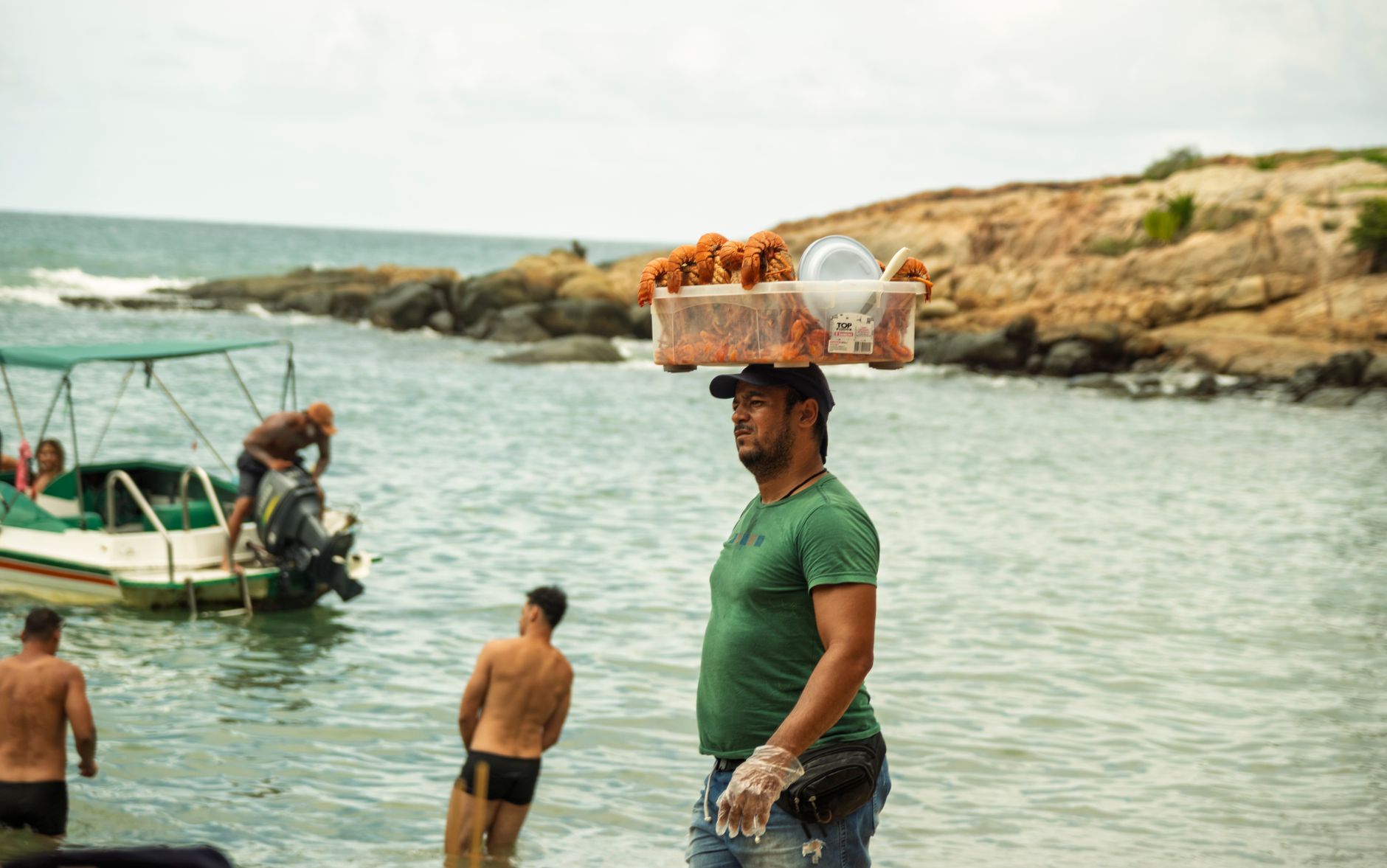
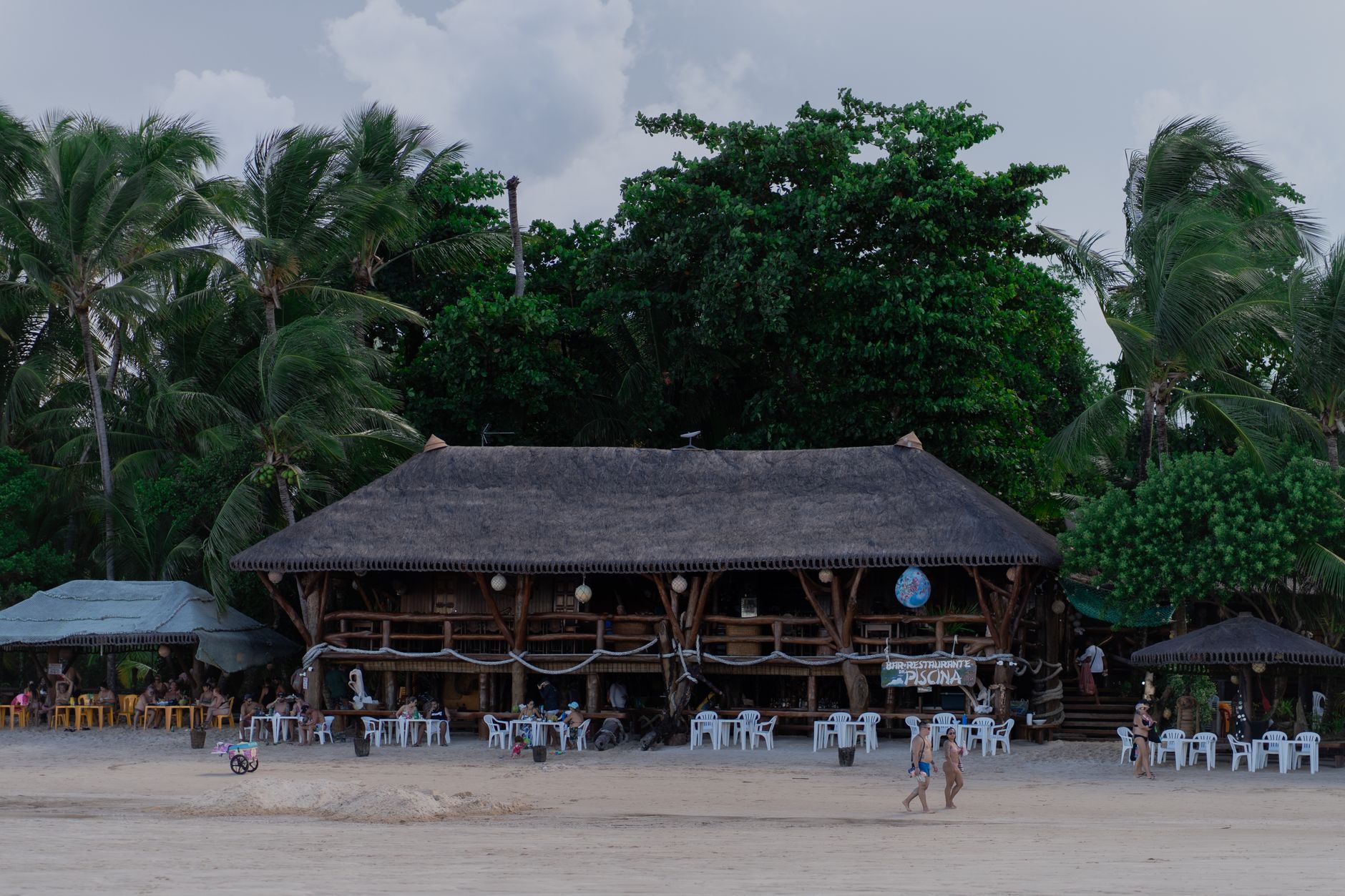
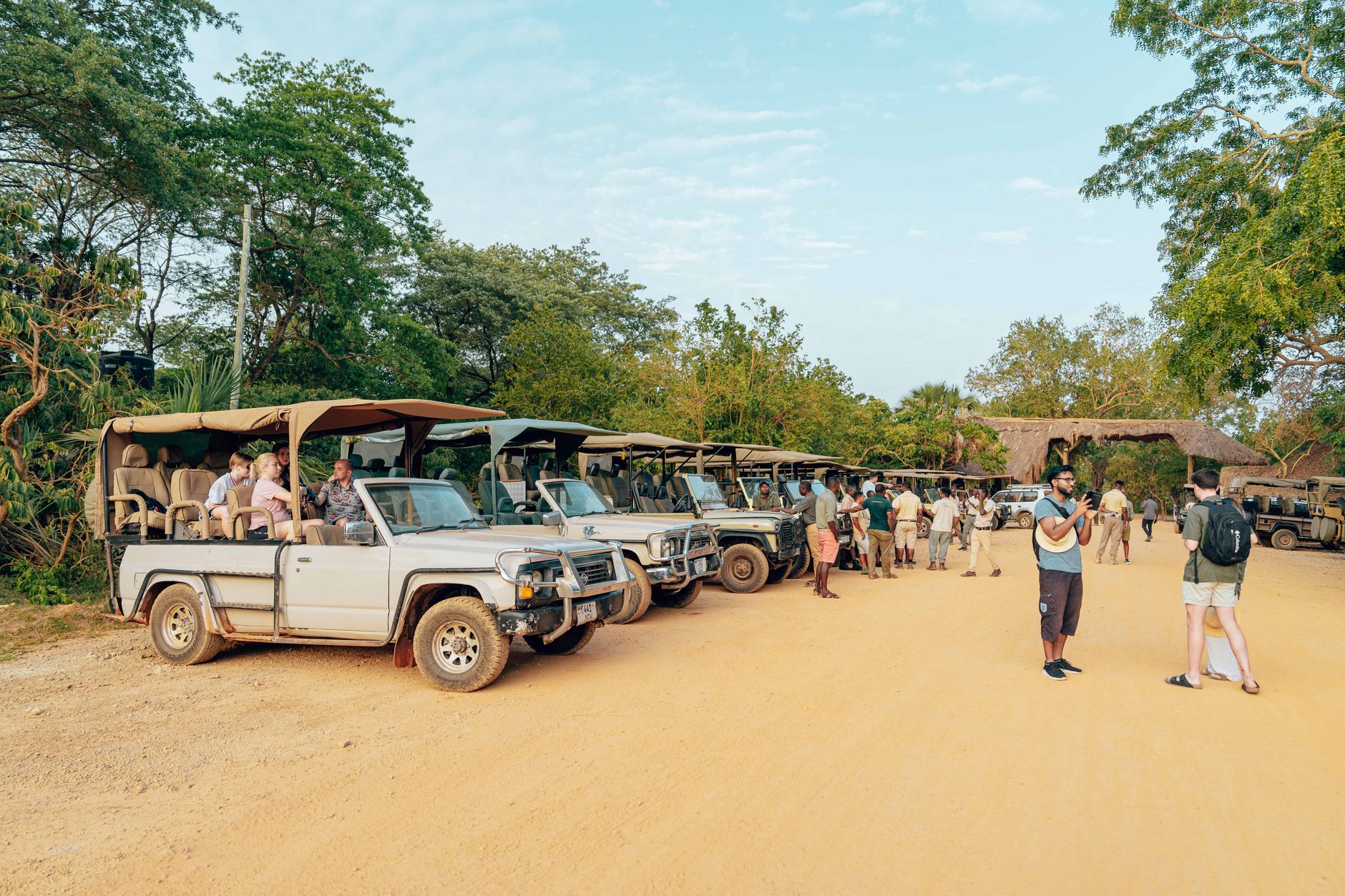
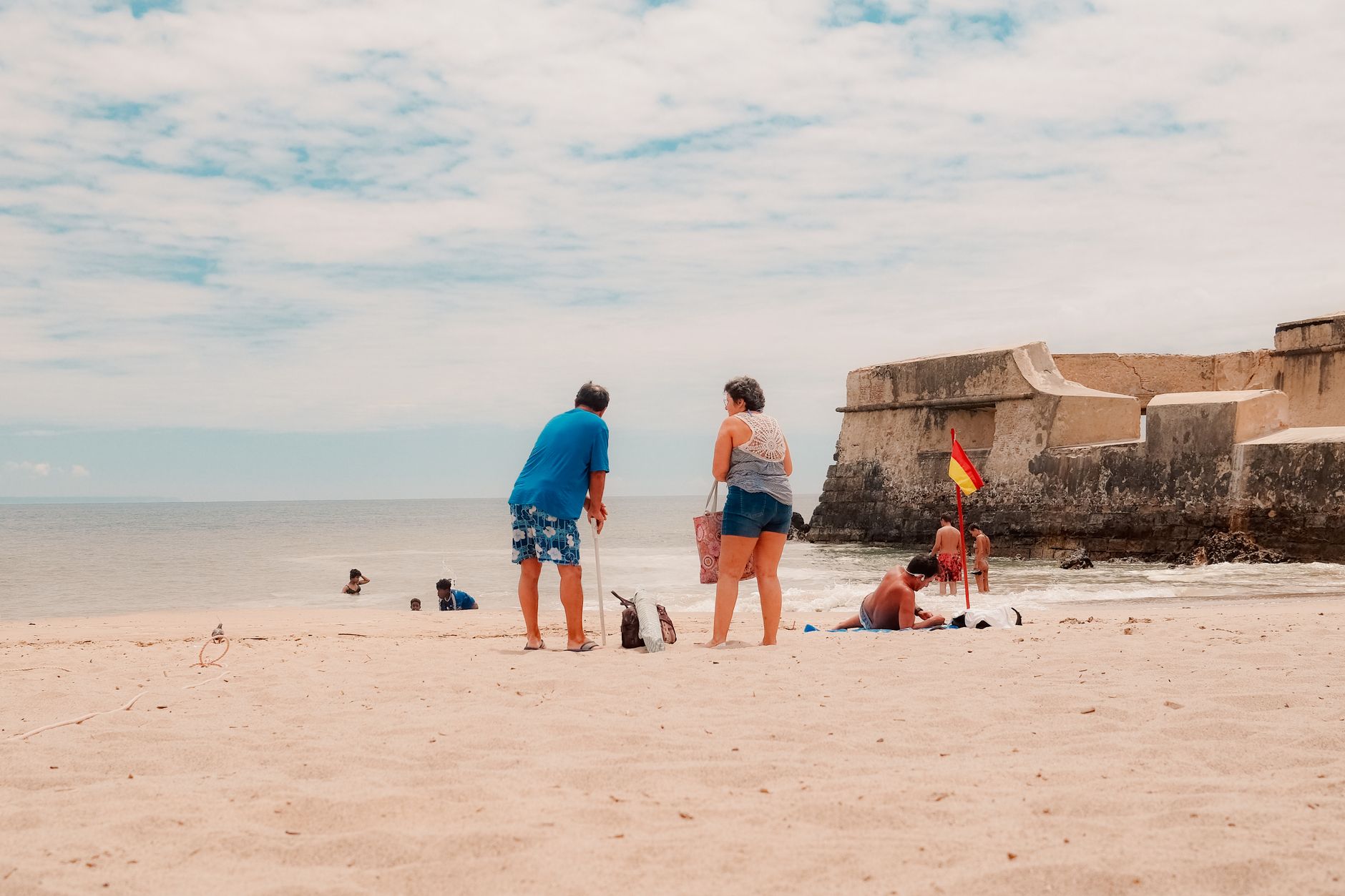
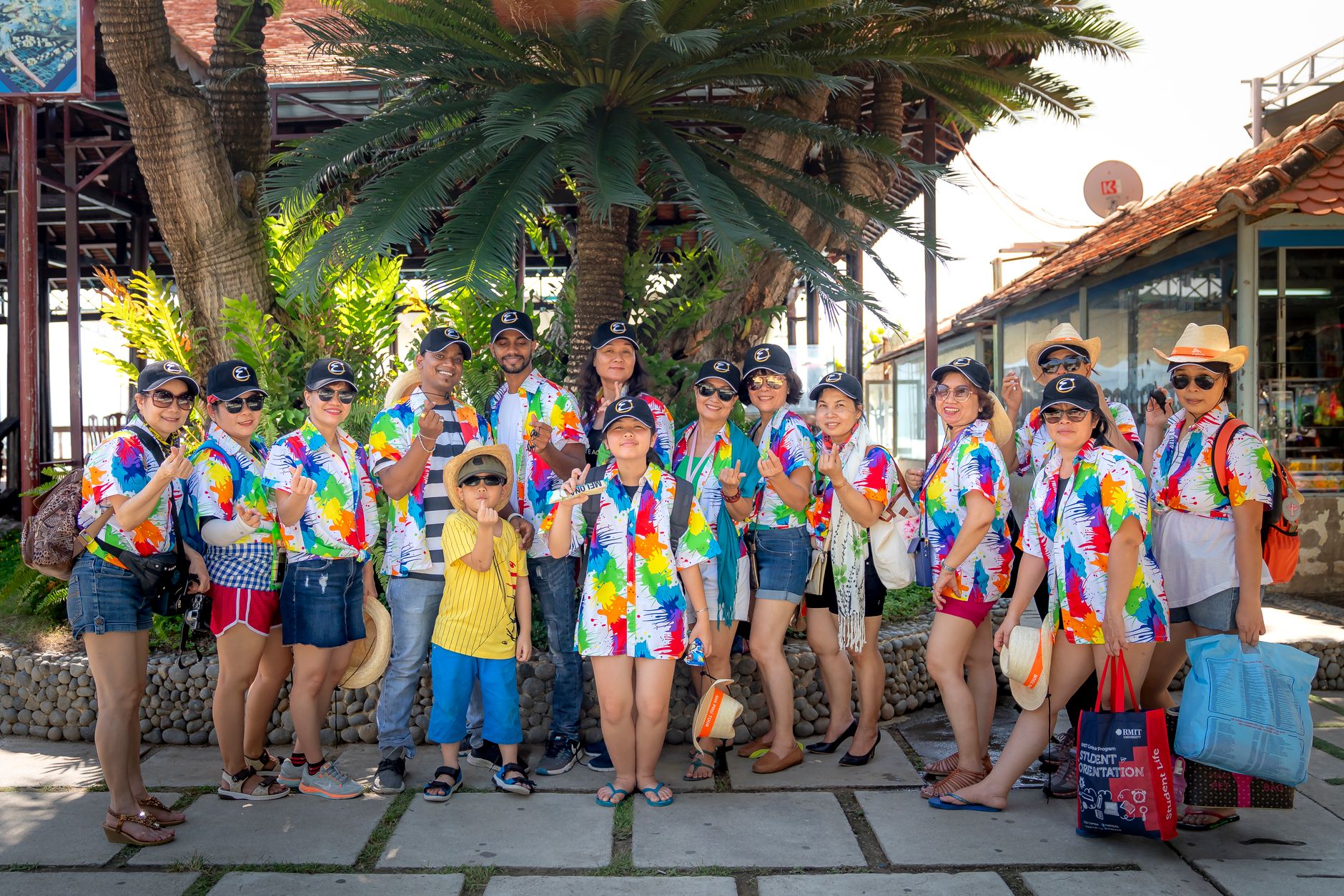
Korovou means 'New Village' in Fijian, though the name feels ironic now — this small Tailevu town has been doing the same quiet work for over a century, producing milk on farms that descend from land gifted by local chiefs after the First World War. By five in the afternoon, the taxis are gone, the shops are shut, and the town belongs to itself again.
The morning market is where Korovou makes its case. Locals spread out fresh produce and handmade crafts in the square with the unhurried rhythm of people who do this every day, not for visitors. A sacred banyan tree anchors the village, and the central bure — the traditional communal house — still stands as the social spine of the place.
💛 What travellers fall for
Regulars tend to mention the same thing: get to the market early, before the heat settles in. The dairy farms on the edge of town are a genuine surprise — descendants of the original British settlers still run a few of them, and the landscape around Korovou looks nothing like the Fiji of travel posters.
Deals in Korovou
Book directly at the provider

How Korovou came to be
Korovou's story begins with a land gift. After the First World War, Fijian chiefs donated land to British settlers to establish what became the centre of Fiji's dairy industry — an agricultural enterprise that still operates, in reduced form, today. The arrangement held for decades, until the late 1960s when some settlers emigrated and sold their holdings to Indo-Fijian investors. Local chiefs objected: land given by Fijian people, they argued, should return to Fijian people. The dispute reflected tensions that would simmer across the country for a generation.
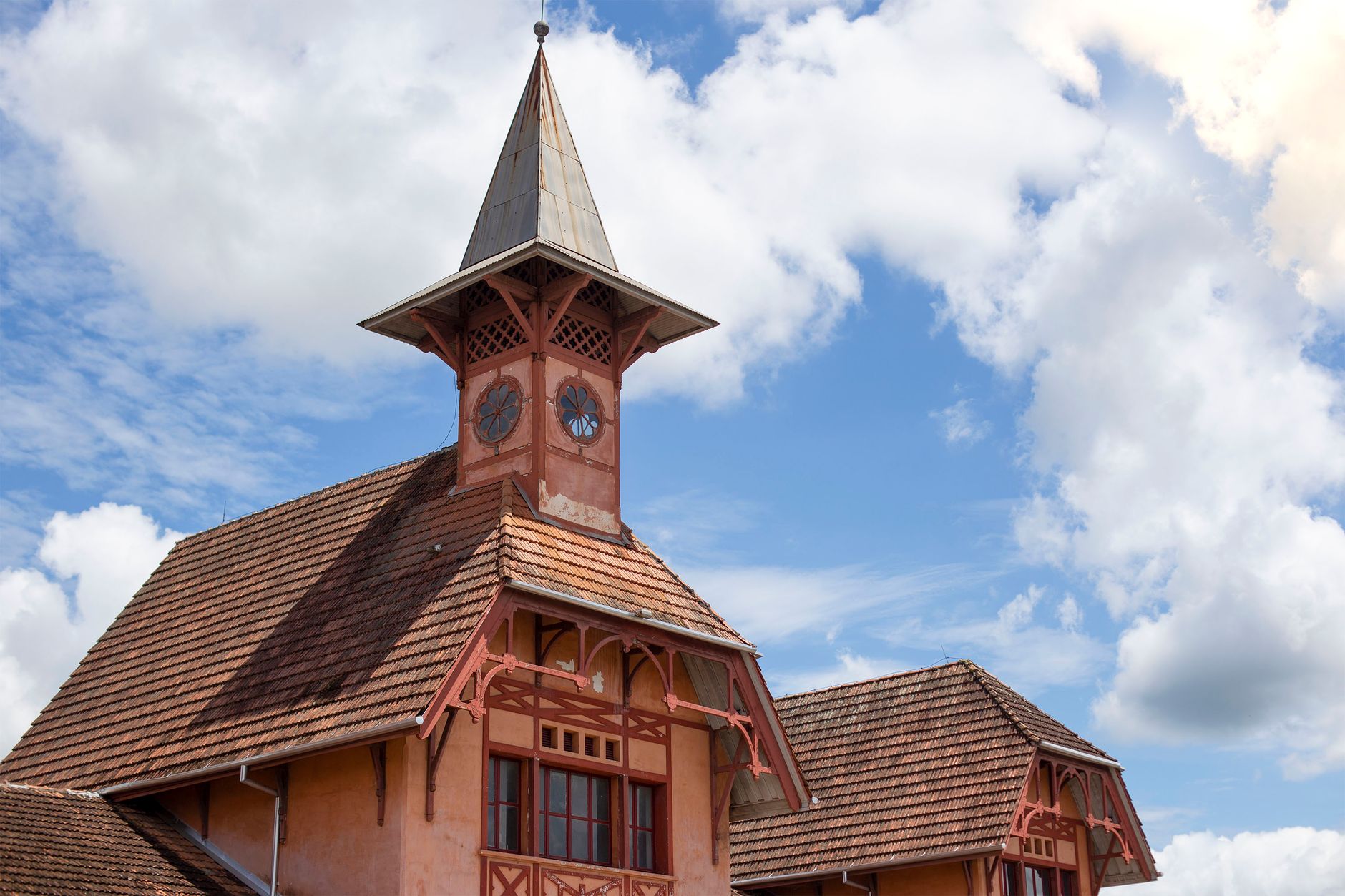
In 2000, those tensions surfaced violently. During George Speight's attempted coup, his supporters stormed Korovou's police station and took thirty hostages — a moment that left a mark on the town's collective memory and on the building that still stands at its centre.
Who and what shaped it
Landmark buildings
See Korovou in motion
Plan your visit
On the map
When to go
May through October is the drier half of the year, with temperatures mostly in the mid-to-upper twenties Celsius and lower humidity. November through April brings heavier rain and the real possibility of cyclones, particularly in December, January and February.
Right now
Background & history adapted from Wikipedia (CC BY-SA) · specs from Wikidata (CC0) · weather from Open-Meteo · map data © OpenStreetMap contributors · photos from Wikimedia Commons / Unsplash with per-image credit. No third-party reviews or social posts reproduced.