





★★★★★
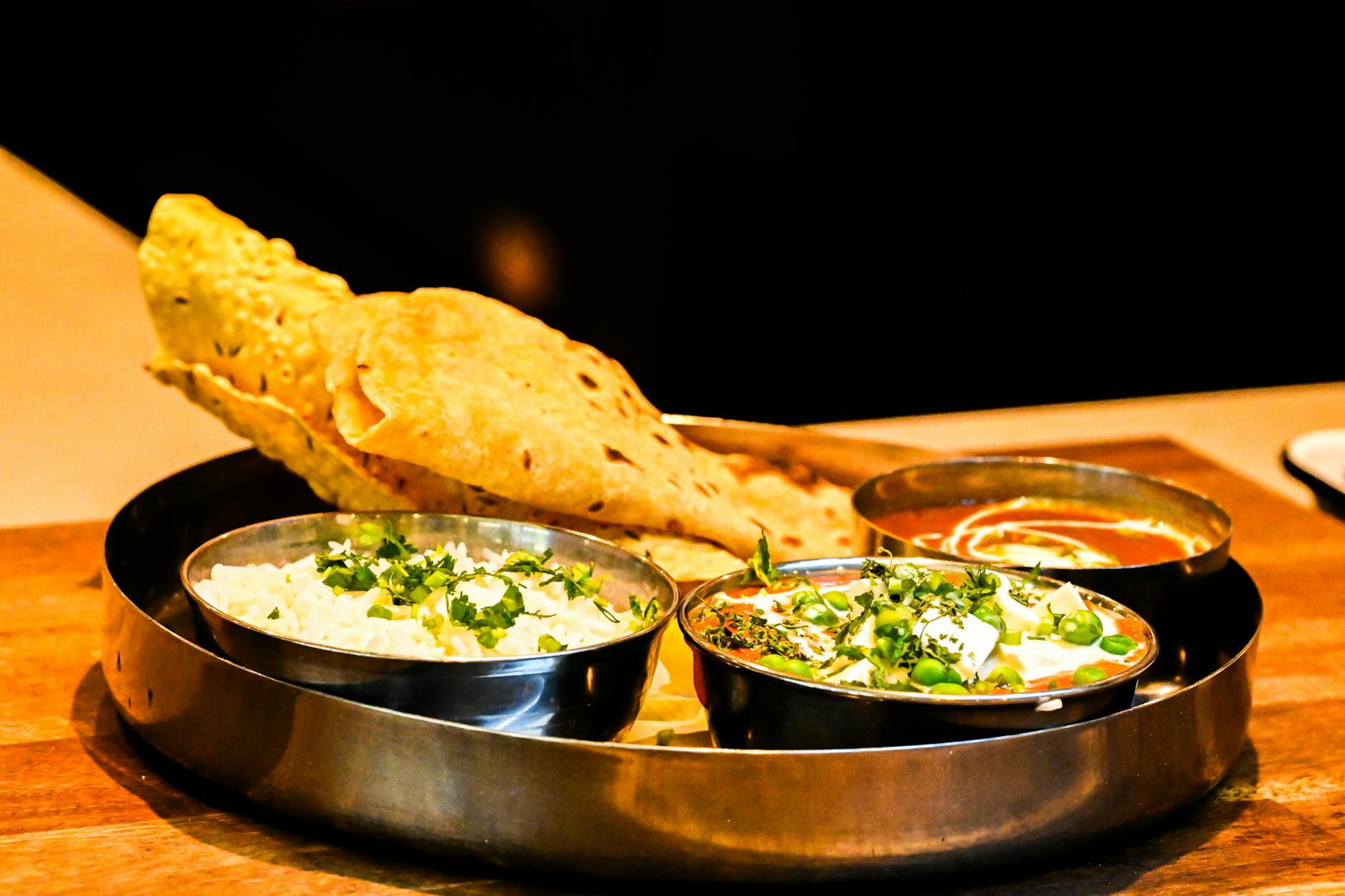
My childhood memories were made with Bhikhabhai. It was so nice to stop in this sweet shop -while walking around Ba town- to grab some sweets with some chai. Nostalgia at its finest 👌


Ba sits on the banks of the river that gave it its name, about 37 kilometres inland from Lautoka on Viti Levu's north-western plain. The first thing you notice is the giant concrete soccer ball in the town centre — a civic monument to Ba's football obsession — and the minivans pulling in and out of the bus station in a steady rhythm. This is a working town, built on sugar cane.
The Rarawai Sugar Mill has stood on the outskirts since 1886, and the Indo-Fijian culture that grew up around it still shapes everything: the roti shops opening before dawn, the temples active with morning puja, the market where vendors spread produce under a wide corrugated roof.
People who come back tend to arrive hungry. The alleys near the Ba Market are where you want to be by eight in the morning — fresh roti, samosas, and curry that's been on the stove since before you woke up. Spend an hour there and you'll understand the town better than any landmark will tell you.
Ba was settled in 1864, but its shape today was set in 1886 when the Australian Colonial Sugar Refinery opened the Rarawai Mill on 12 July of that year. The mill drew labour and commerce, and the town grew around that gravity. By 1905 a rural local authority was administering the district; by 1939 the urbanised area of Varoka was proclaimed a township; and in 1972, under the Local Government Act, Ba was elevated to full town status with an elected mayor.
The railway tracks that once ran through the centre were pulled up in the 1960s, and a flood in the 1990s washed away the old bridge, pushing the King's Road bypass downstream and quietly shifting Ba off the main tourist corridor. In 1987, Ahmed Bhamji was elected mayor at 37 — the youngest in the country at the time. Cyclone Winston made landfall on 20 February 2016 and placed Ba in its red zone, one chapter in a long relationship between this river town and water.
May through October is the dry season — temperatures sit between roughly 21°C and 28°C, humidity is manageable, and the light is clear. November through April brings afternoon downpours and heavier humidity, with cyclone risk peaking in December, January, and February.
My childhood memories were made with Bhikhabhai. It was so nice to stop in this sweet shop -while walking around Ba town- to grab some sweets with some chai. Nostalgia at its finest 👌
Hands down one of the best sweet shops in Fiji The staff are friendly, the service is quick and the shop is always clean and welcoming. If you’re in Ba and craving quality Indian sweets, this is the place to go. Highly recommended
We had a great experience at Bhikhabhai shop .The best customer service was excellent- friendly, helpful and very welcome from the moment I walked in . A special mention to Unaisi who truly stood out with her outstanding service. She was attentive and went extra mile to make sure everything was perfect. Highly recommend this shop for quality service .
Had an amazing experience at Bhiikha Bhai Sweets, Ba outlet! The customer service was absolutely awesome. A big thank you to Unaisi and Litiea for being so friendly, welcoming, and helpful throughout our visit. They truly made our experience special. The sweets and service were top-notch — 100% recommend to everyone! 🌟
The sweets are incredibly good, with some being wonderfully syrupy and others offer a delightful, rich taste.The syrupy variety brings a perfect tangy balance, while others provide a wonderful, rich texture. It is a high-quality, value-for-money experience that feels truly authentic.
Background & history adapted from Wikipedia (CC BY-SA) · specs from Wikidata (CC0) · weather from Open-Meteo · map data © OpenStreetMap contributors · photos from Wikimedia Commons / Unsplash with per-image credit. No third-party reviews or social posts reproduced.
We started Yeppa because finding real travel inspiration felt harder than it should be. The site is young and we're a small team, so we genuinely need the help of early visitors like you: if anything looks broken, odd or just plain wrong, we'd love to hear about it.
Tell us what you ran into: a broken link, a wrong photo, anything odd. We read every message.
Your note is on its way to us. It makes Yeppa better for everyone.
Subscribe to the newsletter and get travel deals & inspiration for trips that start near you.
Check your inbox and confirm your subscription. From then on we'll send you travel deals & inspiration.