
Denarau Island
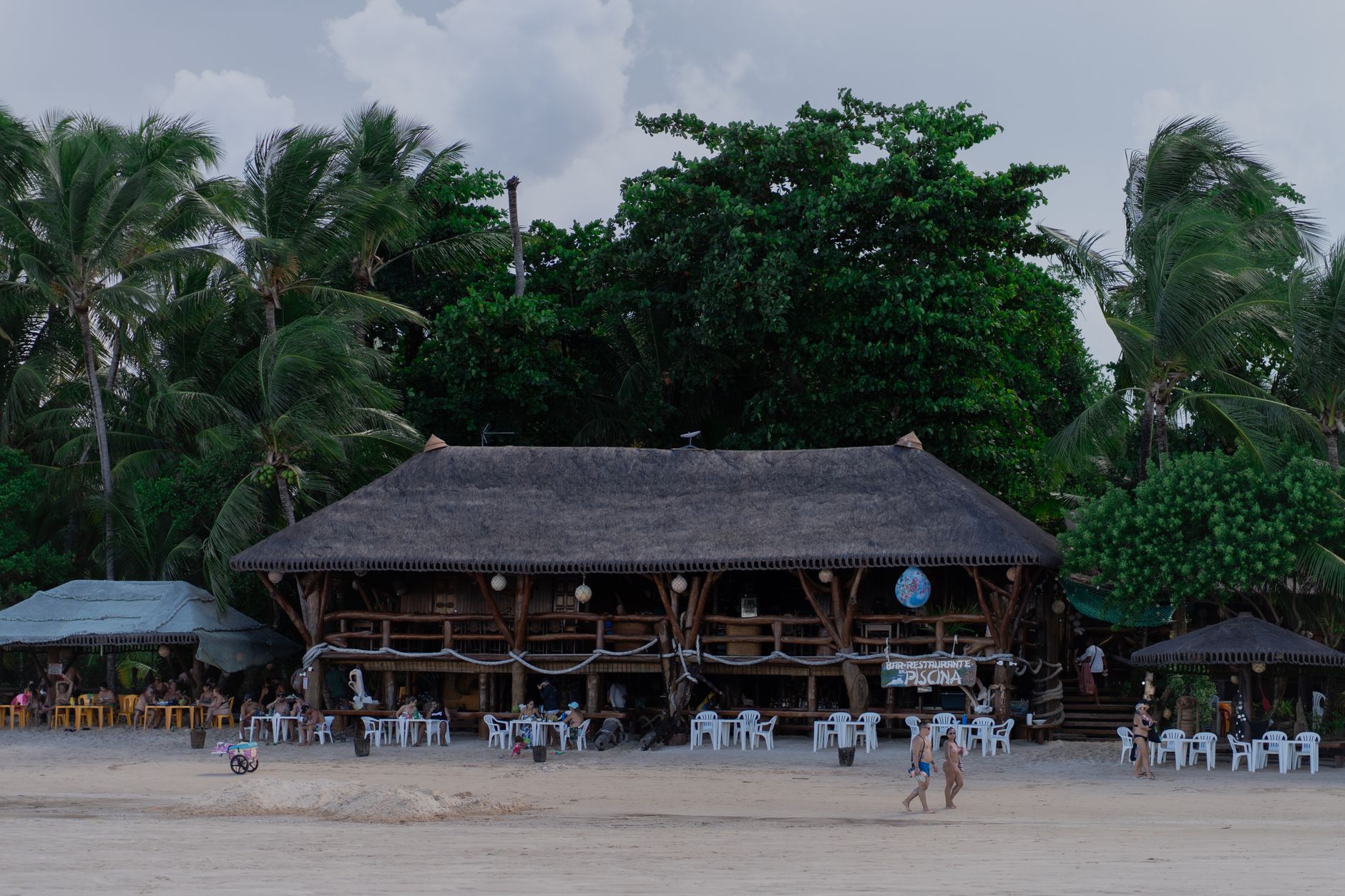
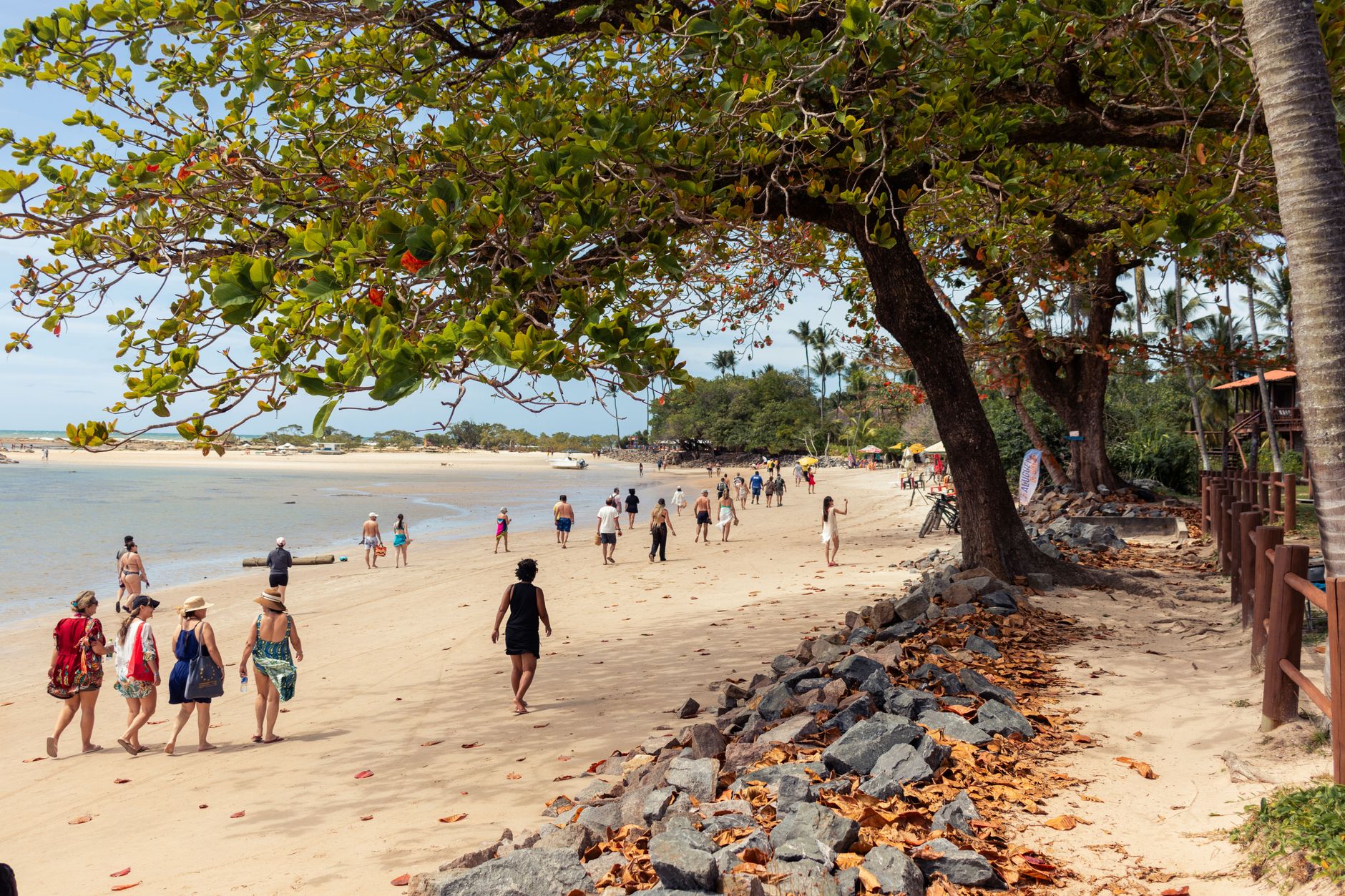
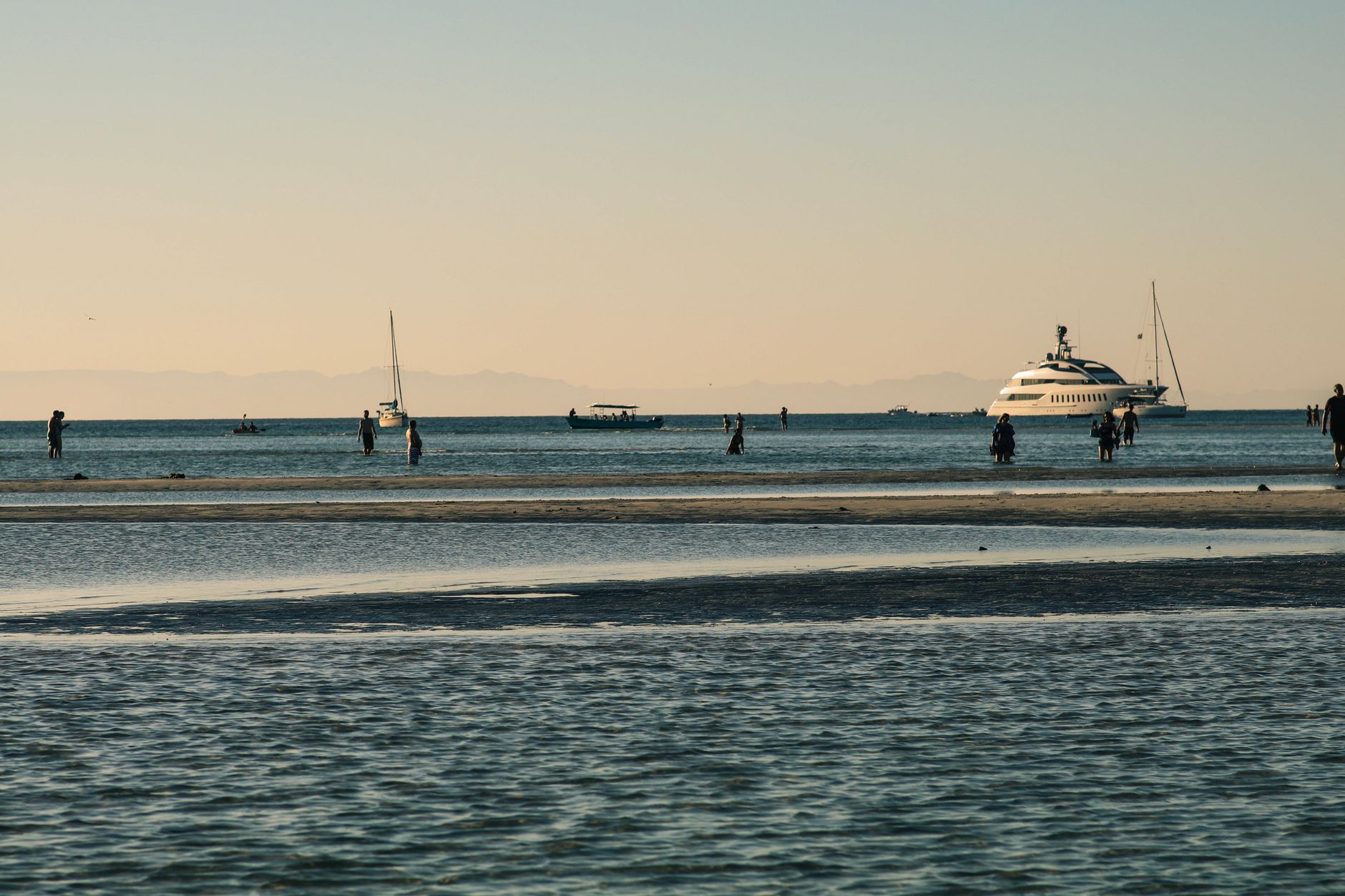
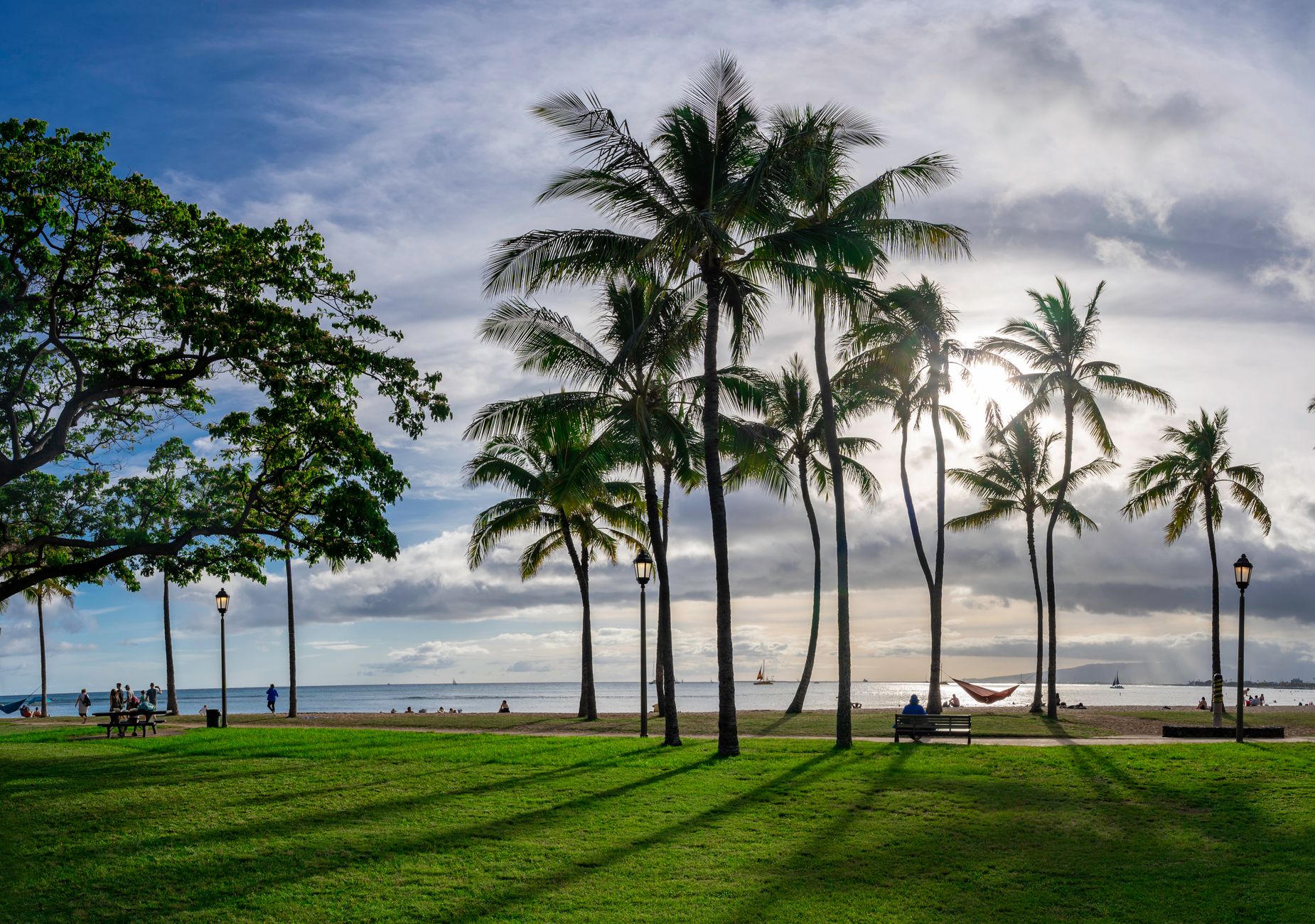
Denarau Island is not a natural place. The mangroves that once covered this peninsula on Viti Levu's western shore were bulldozed decades ago, and what replaced them is a purpose-built resort zone — golf course, marina, international hotel chains, a waterpark — connected to the Nadi mainland by a short causeway. That honesty matters, because once you accept what Denarau is, it becomes genuinely useful.
The marina is where you come to catch a ferry out to the Mamanucas or the Yasawas, and Port Denarau's cluster of restaurants and tour operators makes it a practical staging point. The 18-hole golf course, designed by Eiichi Motobashi, sits at the centre of it all, and the big-top tent just outside the island is home to 'Fiji Untold', a live show tracing the origins of the Fijian stick dance.
💛 What travellers fall for
People who return to Denarau tend to treat it as a launchpad rather than a destination. They book a night at the Westin or Sofitel to recover from the long-haul flight, walk down to Port Denarau in the morning to collect their ferry tickets, and are on a boat to the outer islands before lunch. The supermarket and bakery at Port Denarau are worth knowing about for last-minute supplies.
Deals in Denarau Island
Book directly at the provider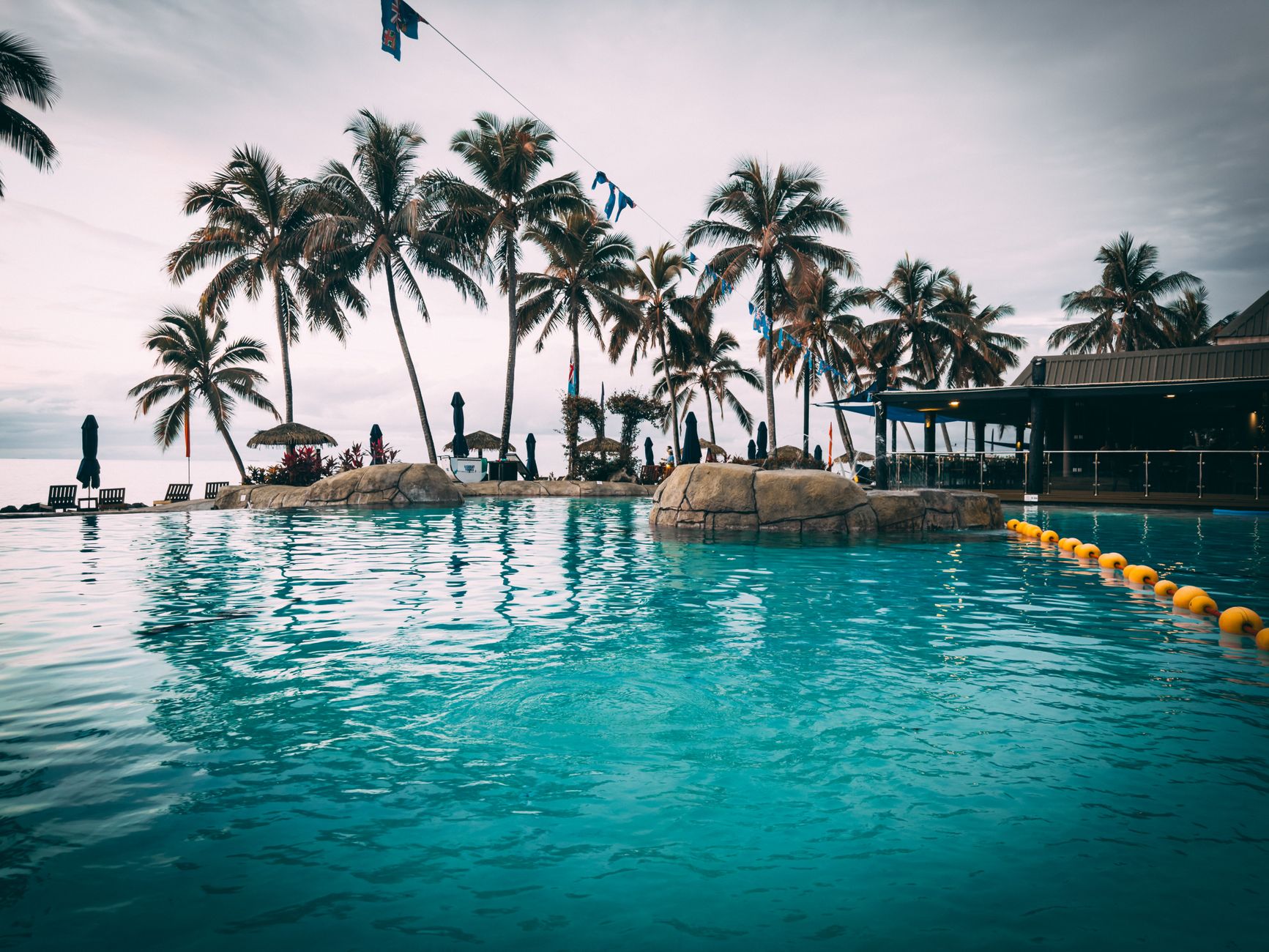

How Denarau Island came to be
The land that became Denarau was mangrove swamp until 1969, when American developer Dennis McElrath purchased it and began the first phase of resort construction. The Regent of Fiji — now operating as the Westin Denarau — opened in 1975, followed by the Sheraton Fiji Resort in 1987. Then, between 1988 and 1991, Japanese property developer EIE International bought up the entire island in stages and committed to a $200 million project: 850 acres of remaining mangroves cleared, an 18-hole golf course laid down, a marina dug out, more hotels rising from the reclaimed ground.
When EIE went bankrupt in 1995, a consortium of Tabua Investments of New Zealand, ITT Sheraton and Air Pacific stepped in to acquire the resort. Under Tabua, Martin Darveniza reorganised land tenure across the island to accommodate the hotel, residential and commercial footprint that exists today. The international chains — Hilton, Radisson, Sofitel, Wyndham — followed in subsequent years.
Who and what shaped it
People who shaped it
Landmark buildings
See Denarau Island in motion
Plan your visit
On the map
When to go
The driest and most comfortable window runs from May through September, when temperatures sit around 27–28°C and humidity eases slightly. December through April brings the rainy season, with February the wettest month and a real risk of tropical cyclones between November and April.
Right now
Background & history adapted from Wikipedia (CC BY-SA) · specs from Wikidata (CC0) · weather from Open-Meteo · map data © OpenStreetMap contributors · photos from Wikimedia Commons / Unsplash with per-image credit. No third-party reviews or social posts reproduced.