
Suva
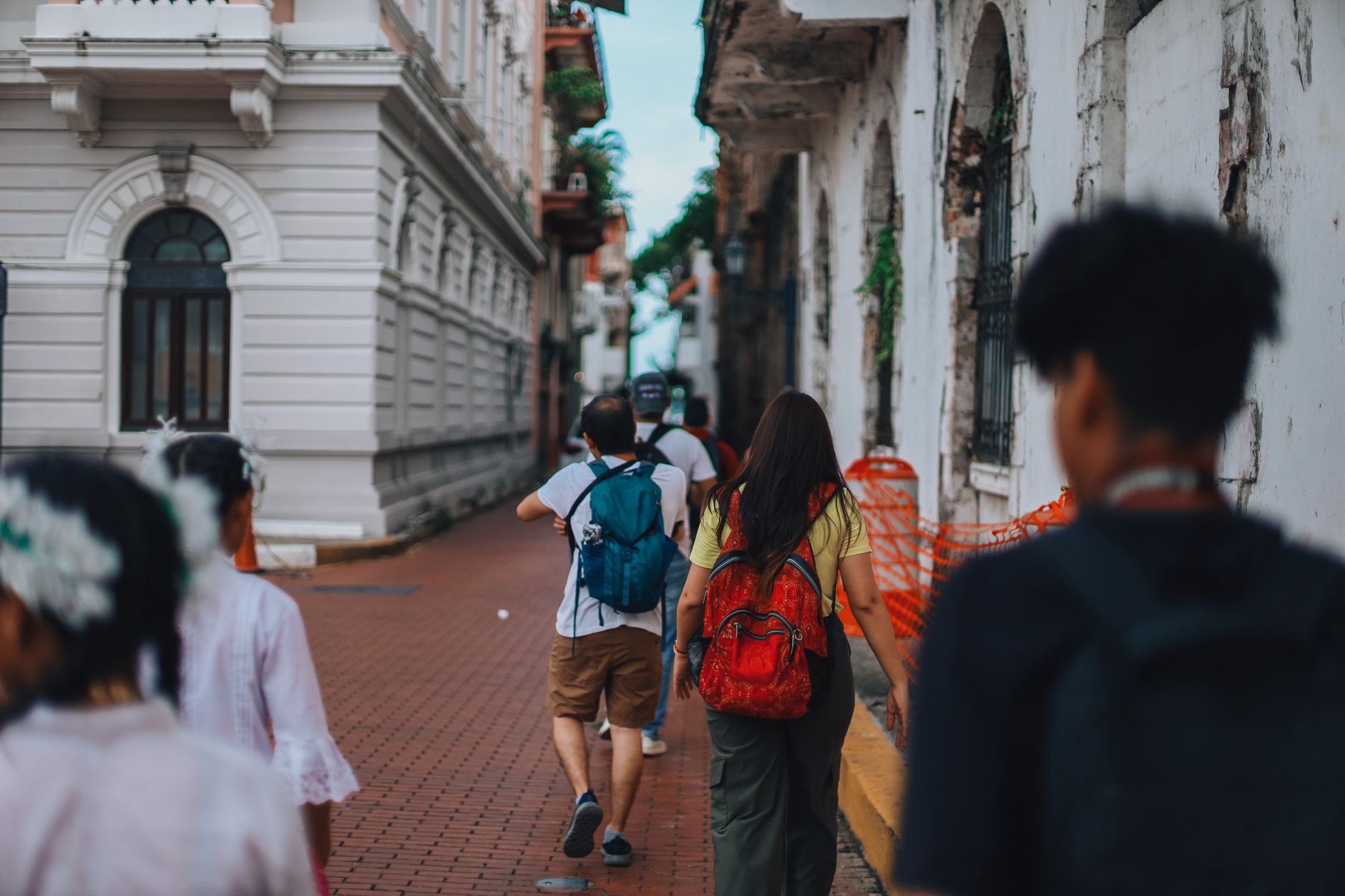
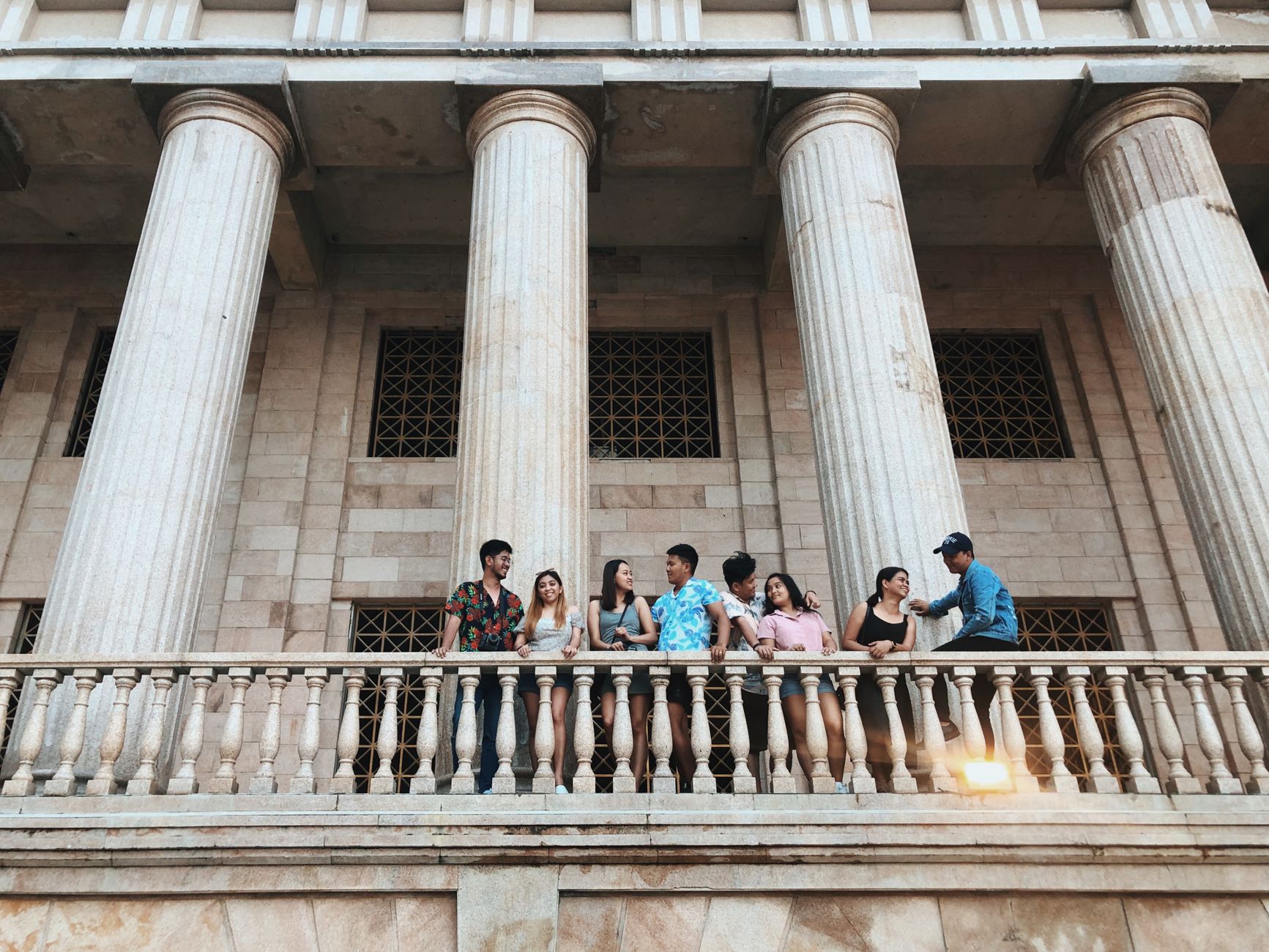
Suva sits at the wet, green end of Viti Levu, where the peninsula juts into a deep natural harbour and the rain comes in fast off the Koro Sea. It is a working Pacific capital — parliament, market, courthouse, cathedral — and it wears that seriousness lightly. The Grand Pacific Hotel opened its doors in 1914 and still faces the waterfront; the Carnegie Library around the corner has been lending books since 1909. This is a city built to last, and it shows.
Most visitors to Fiji land at Nadi and head straight for a resort, which means Suva carries on largely on its own terms. That suits it. The Fiji Museum in Thurston Gardens holds the country's memory; the Art Deco Government Buildings still house parliament. Come here to understand where Fiji actually runs from.
💛 What travellers fall for
People who return to Suva tend to mention the same loop: coffee near the municipal market in the morning, then the Fiji Museum — give it longer than you think — then a slow walk past the Sacred Heart Cathedral and down to the waterfront before the afternoon rain rolls in. The Grand Pacific Hotel bar is worth the stop even if you're not staying.
Deals in Suva
Book directly at the provider
How Suva came to be
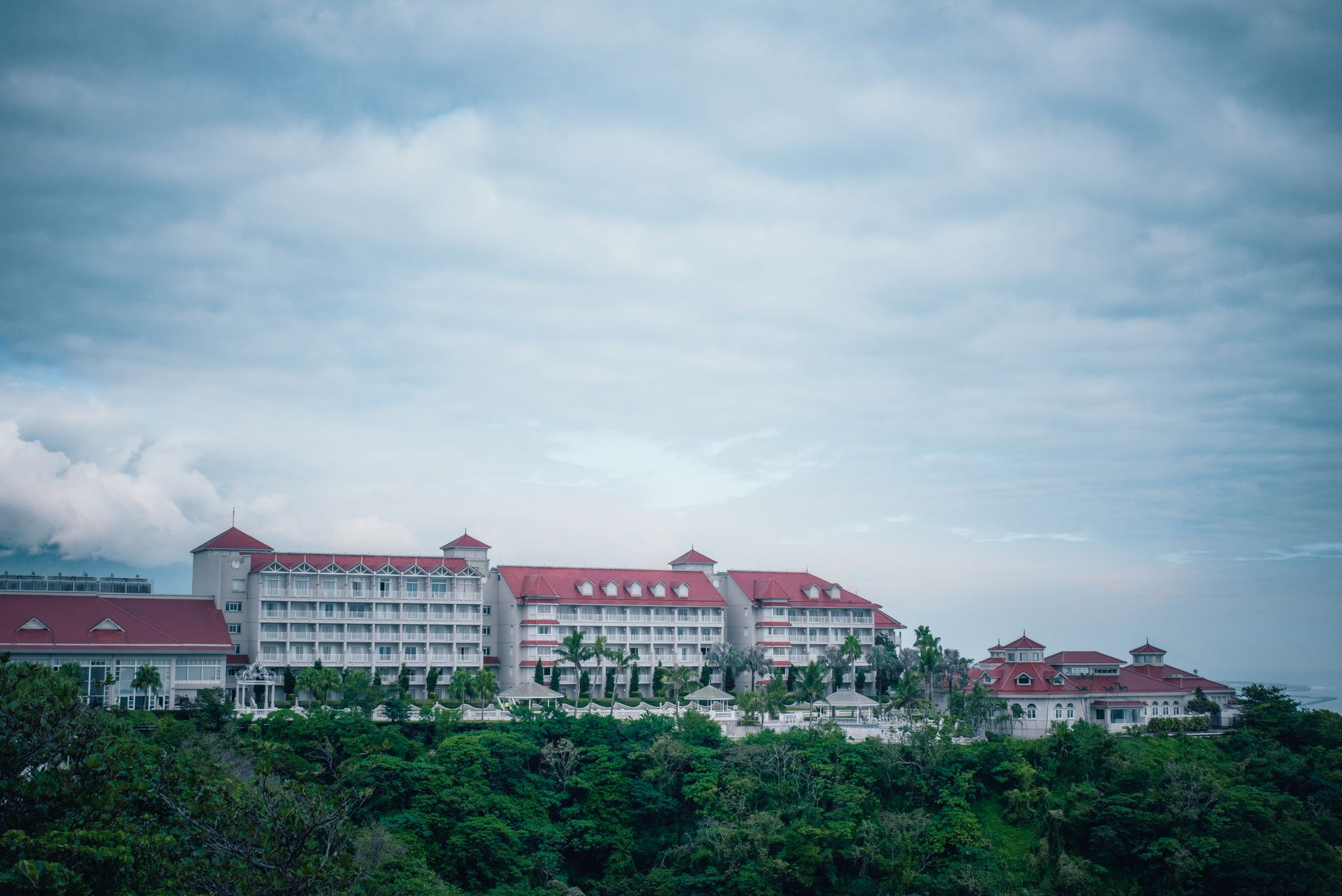
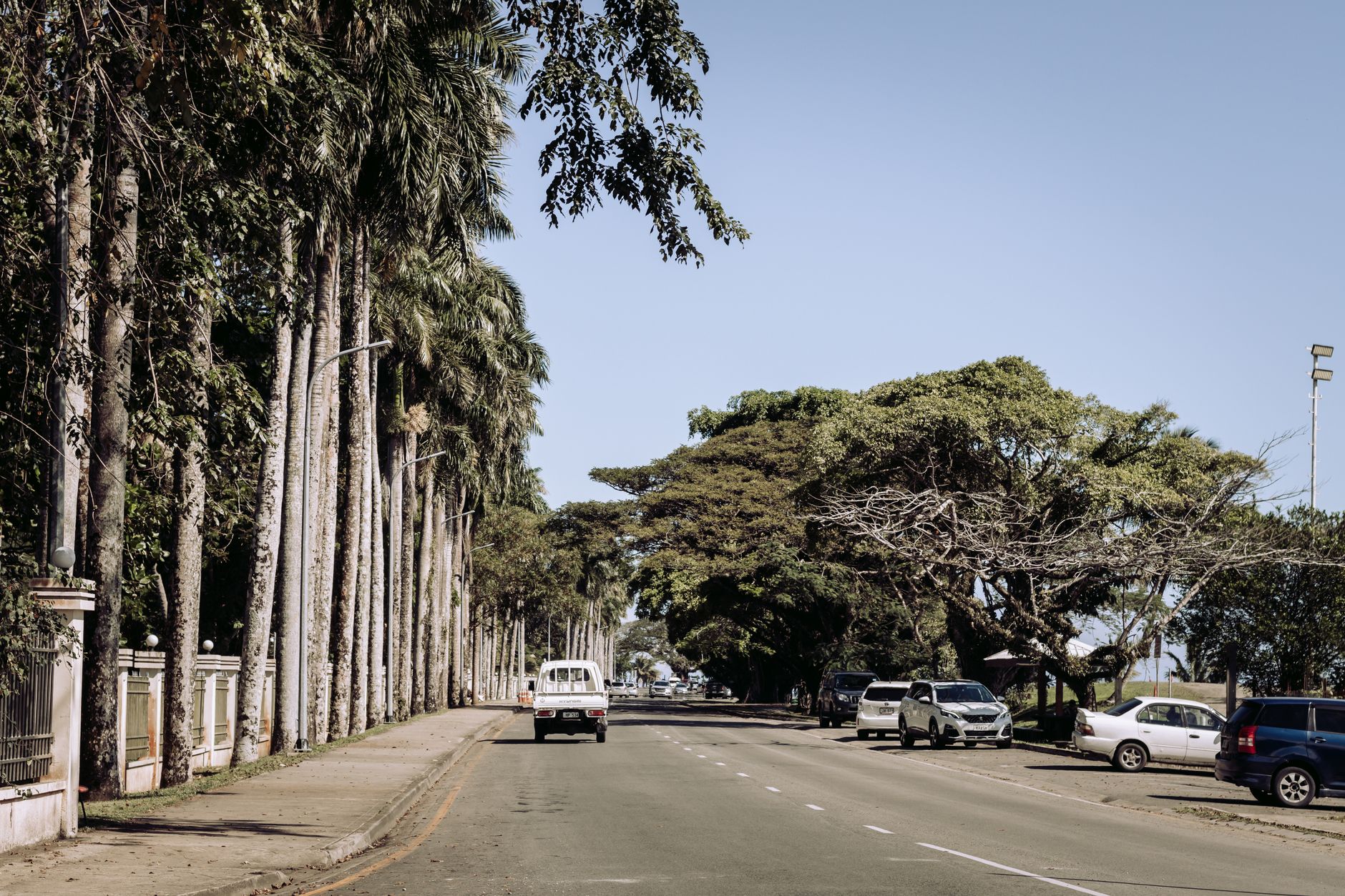
The land beneath Suva has been inhabited for roughly two to three and a half thousand years, settled by people who crossed from Saivou across Viti Levu's central tableland. The colonial story begins in 1849, when the site was first established as a settlement. Levuka, on the island of Ovalau, was Fiji's original European capital, but its geography left no room to grow, and in 1882 the administration relocated to Suva. Colonel F. E. Pratt of the Royal Engineers drew up the new capital's plan.
For seventy years the city occupied a single square mile. In 1952 it absorbed the Muanikau and Samabula wards and was formally designated Fiji's first city. The Government Buildings — designed by Chief Colonial Architect Walter Frederick Hedges, foundation stone laid in 1937, opened in 1939 — became the seat of parliament at independence in 1970 and again from 2014.
Who and what shaped it
People who shaped it
Landmark buildings
See Suva in motion
Plan your visit
On the map
When to go
Suva is one of the wettest capitals in the Pacific; expect rain year-round, with the heaviest falls between November and April. The dry season from May to October brings cooler temperatures and clearer skies, and is generally the more comfortable time to walk the city.
Right now
Background & history adapted from Wikipedia (CC BY-SA) · specs from Wikidata (CC0) · weather from Open-Meteo · map data © OpenStreetMap contributors · photos from Wikimedia Commons / Unsplash with per-image credit. No third-party reviews or social posts reproduced.