
Melbourne, Victoria, Australia

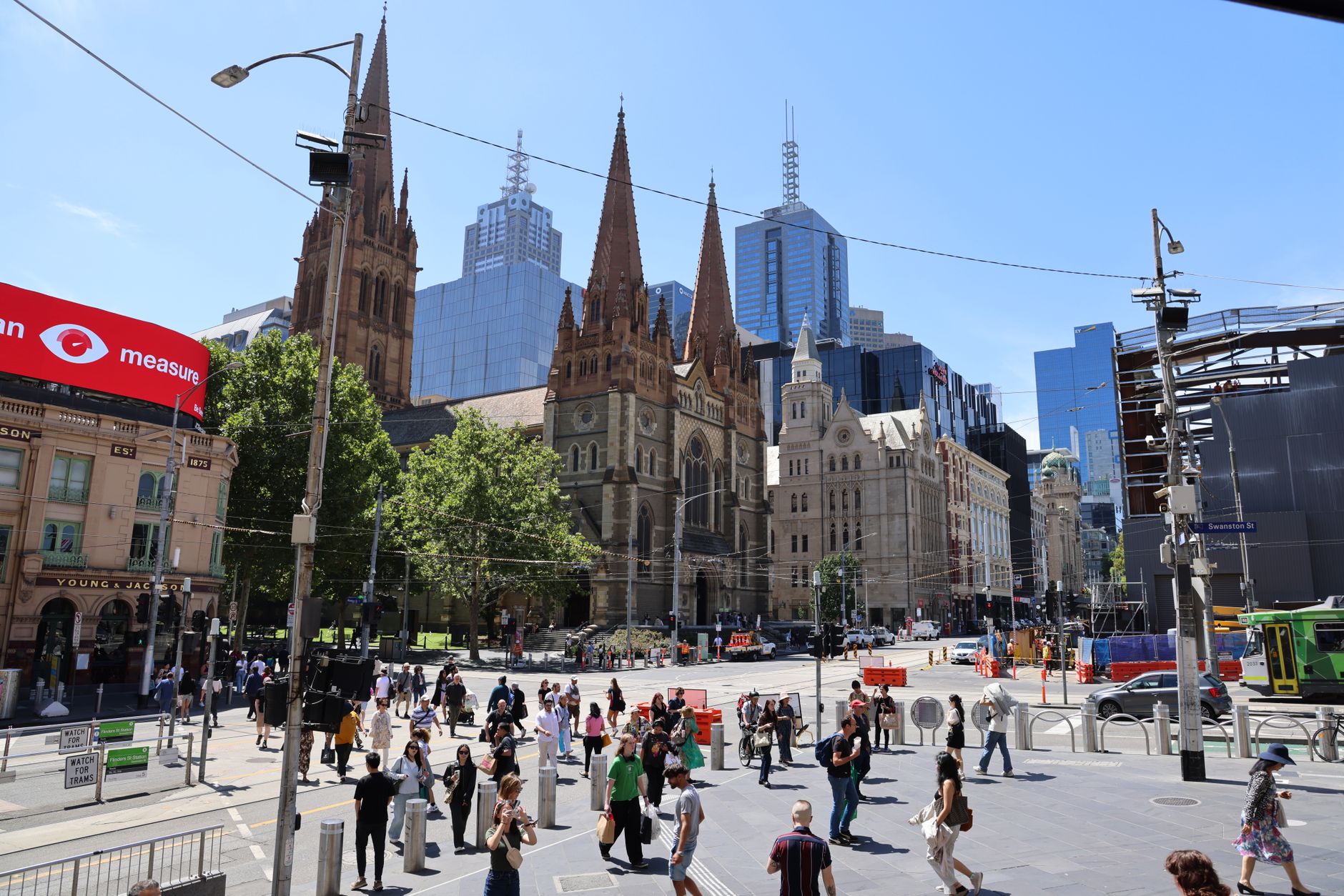
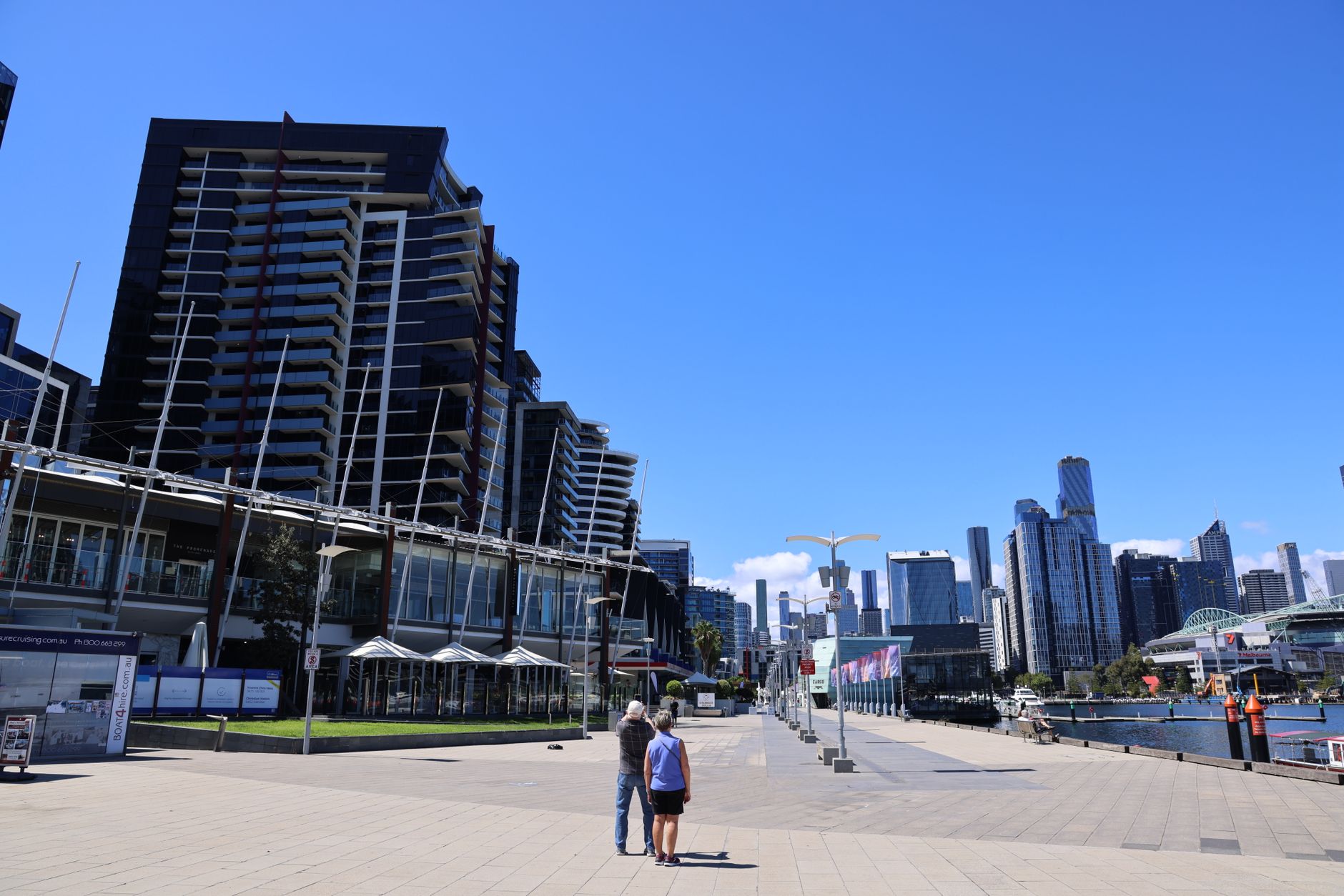

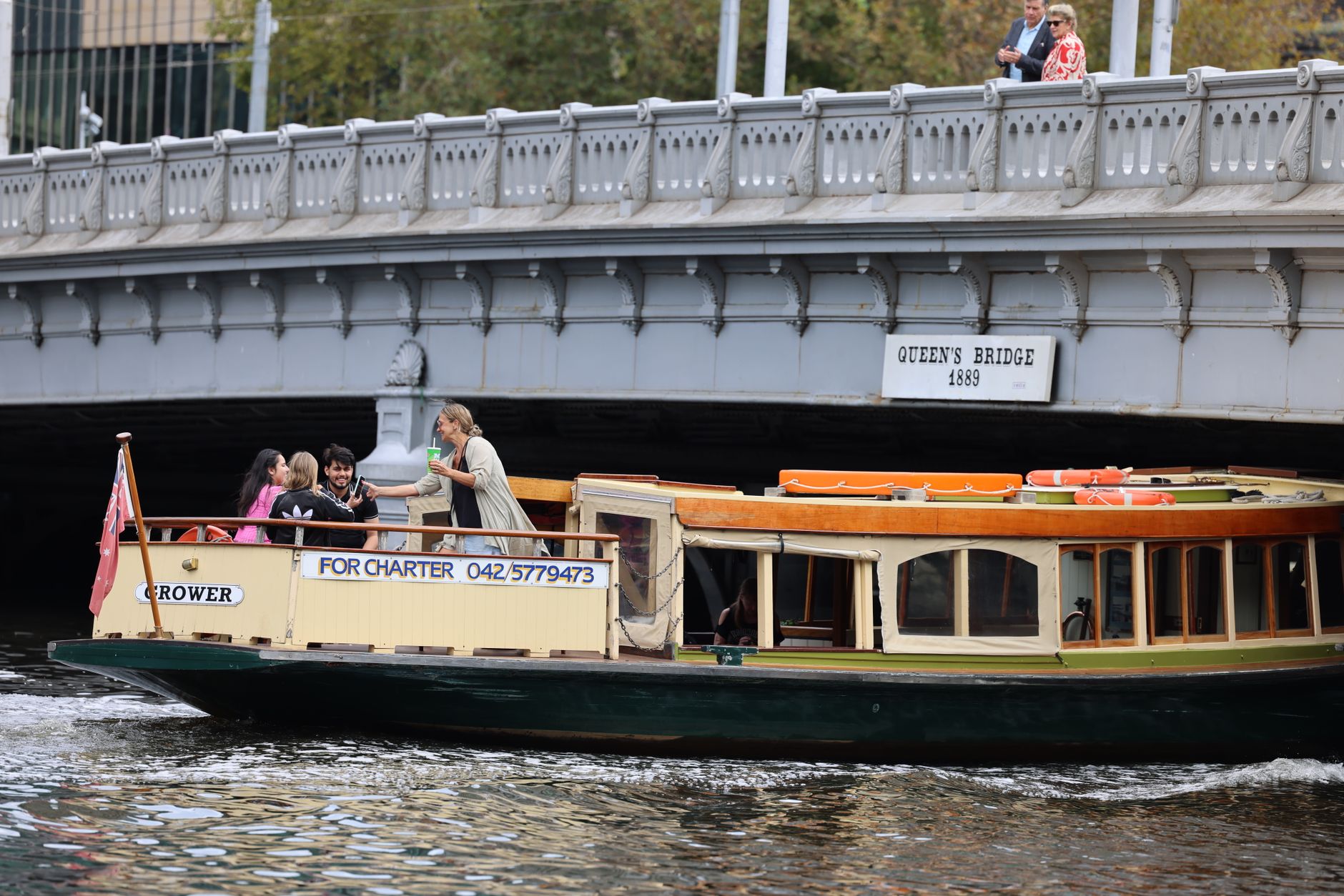
Melbourne runs on trams — the only city in Australia that still does — and the network is a good way to take the city's measure before you walk it. Ride the free City Circle line and you'll pass the dome of Flinders Street Station, opened in 1854 and still the busiest rail hub in Victoria, then loop past the Royal Exhibition Building, a UNESCO World Heritage site that hosted international exhibitions in 1880 and 1888.
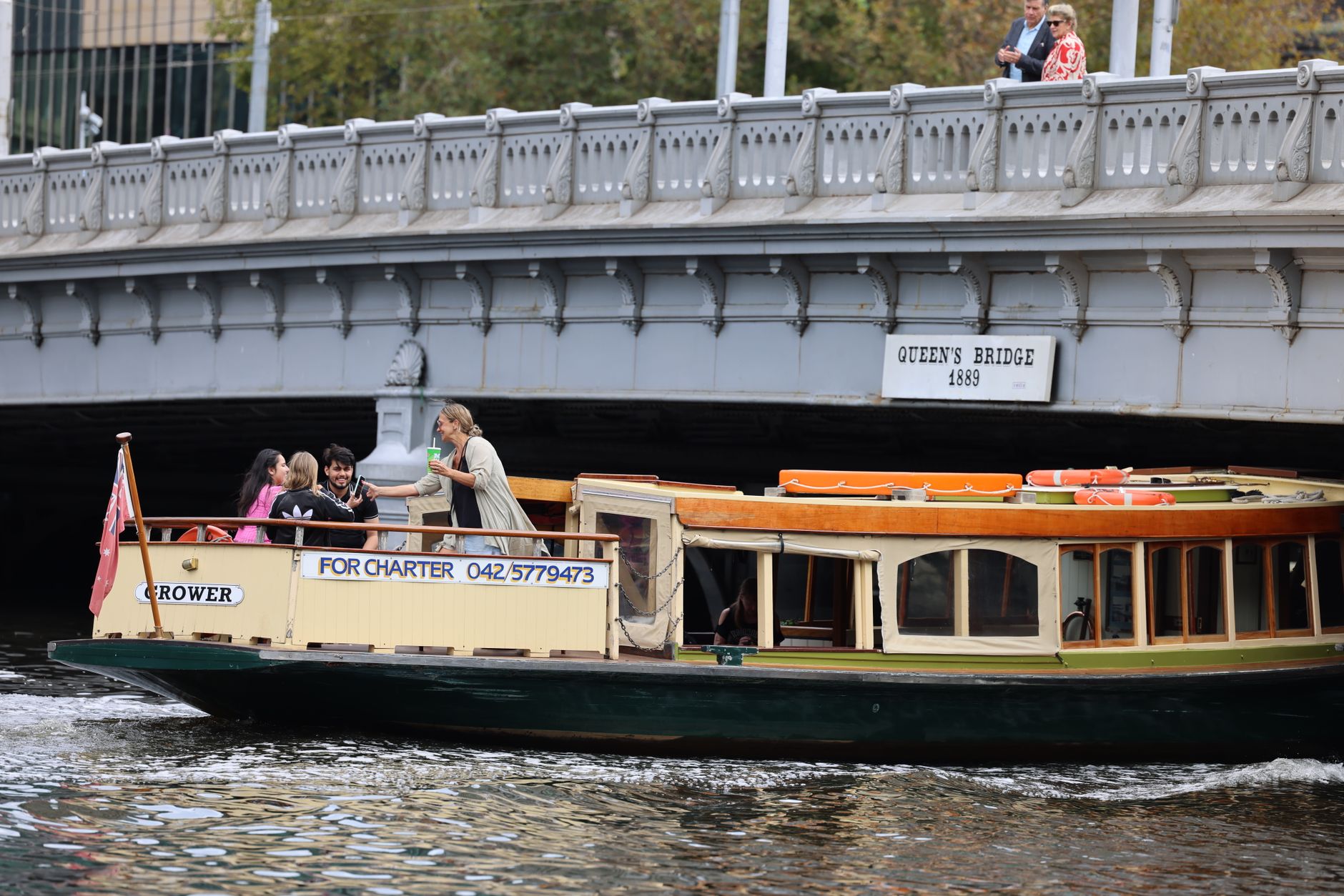
Beneath all of this is country that has been home to the Kulin nation — Boonwurrung, Woiwurrung, and Wurundjeri peoples — for over 40,000 years. The city that grew up around the Yarra River from 1835 onward is young by any other measure, but it has accumulated institutions fast: a free public library since 1854, Australia's oldest art museum since 1861, a market on the same site since 1878.
Popular cities in Melbourne, Victoria, Australia
💛 What travellers fall for
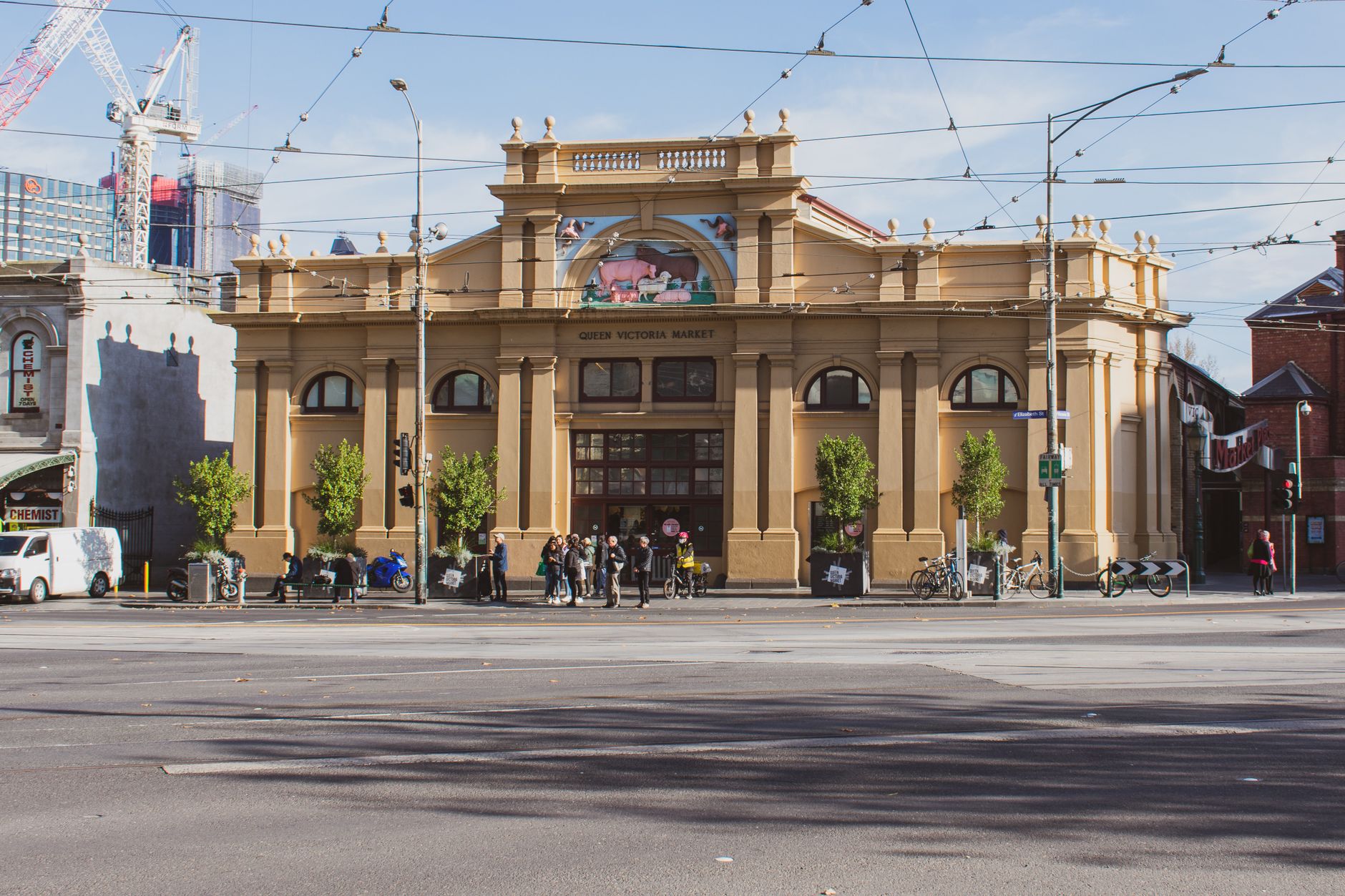
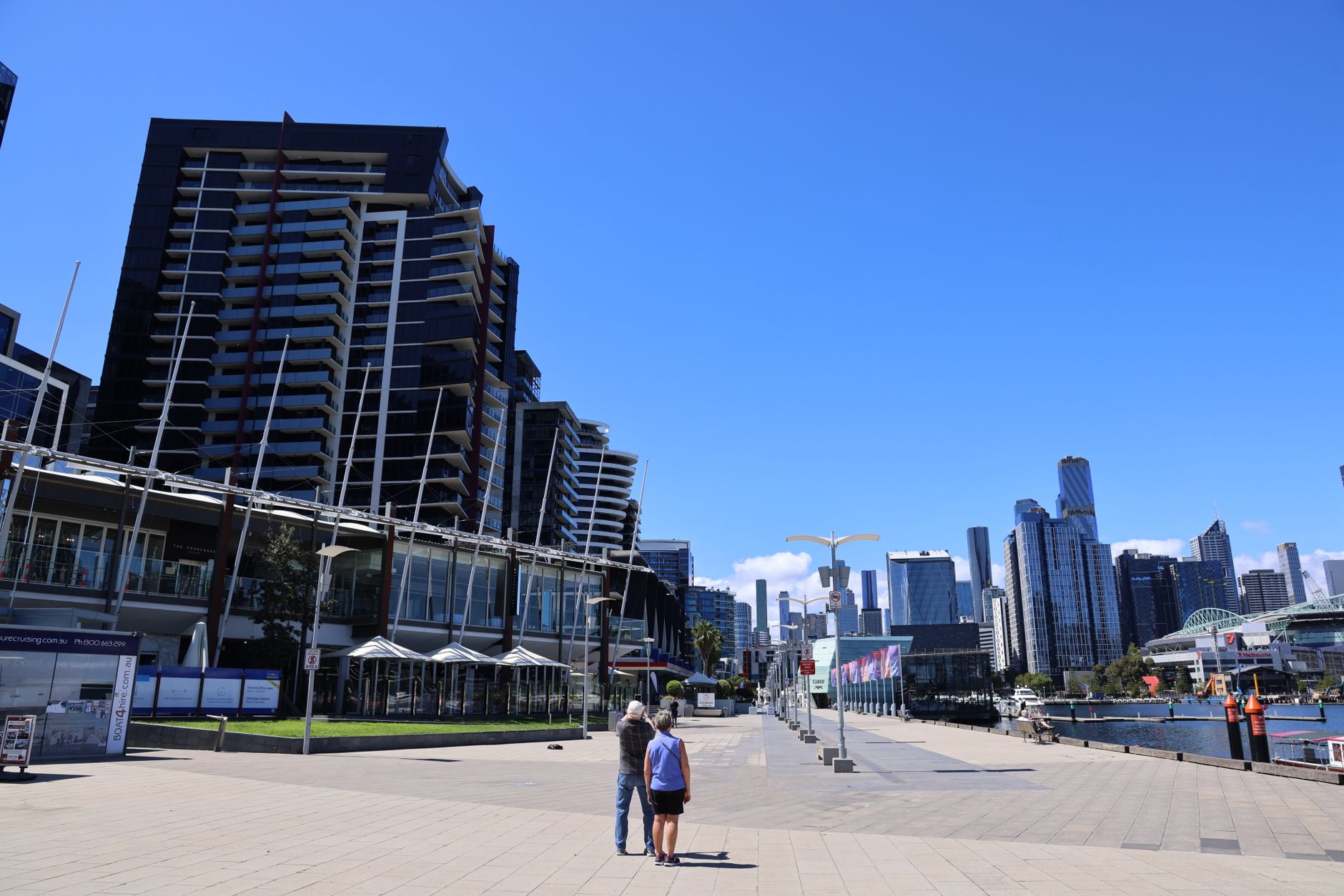
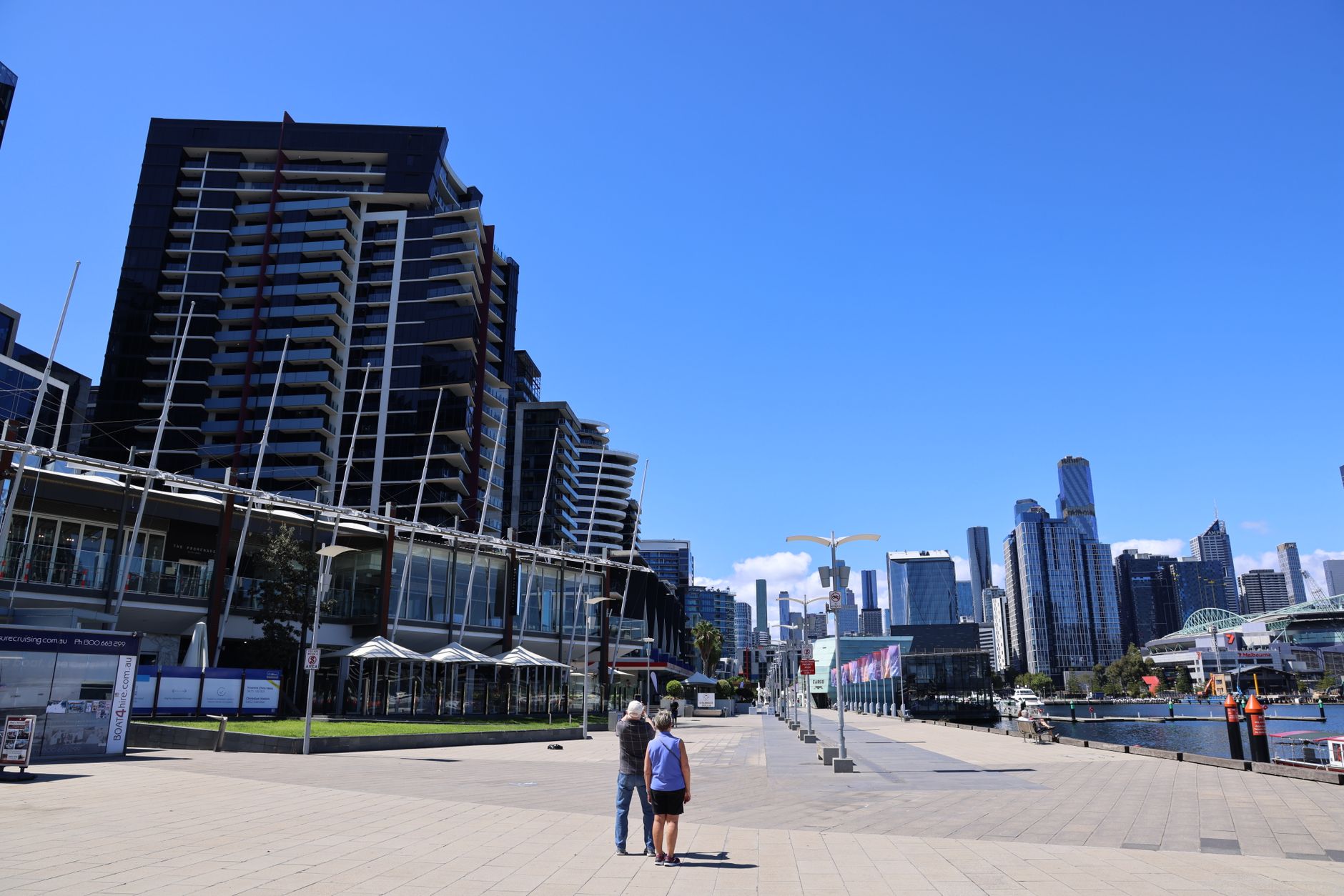
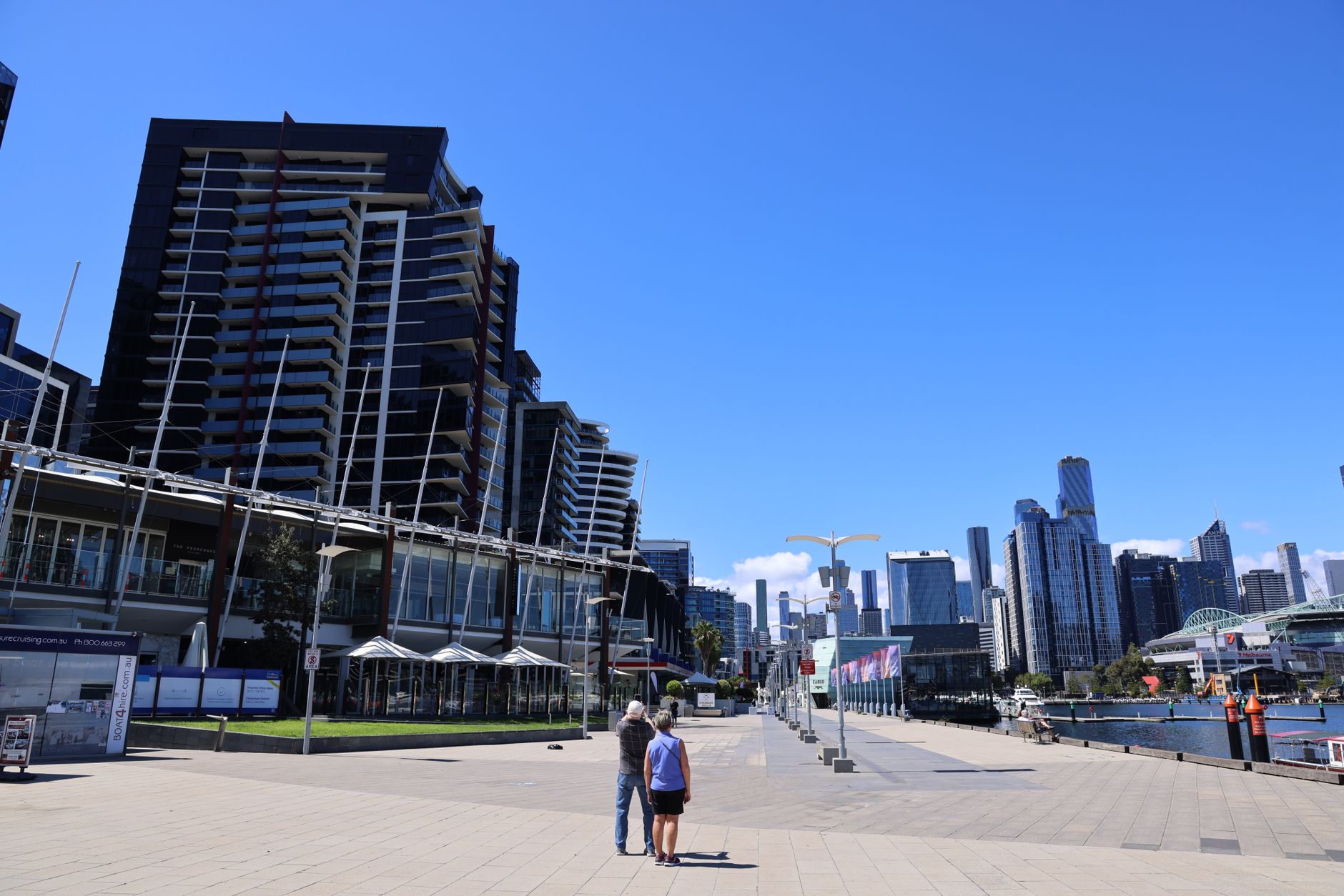
People who come back tend to anchor themselves to a neighbourhood rather than the CBD. Queen Victoria Market on a weekday morning, before the crowds arrive, is a different place from the weekend version. The Free Tram Zone means you can move between Southbank and Federation Square without touching your myki, which adds up across a few days.
How Melbourne, Victoria, Australia came to be
The land was Kulin country long before any European set eyes on Port Phillip Bay. The first British attempt at settlement, led by Colonel David Collins in October 1803, lasted less than a year before relocating to Van Diemen's Land. The permanent story begins in 1835: John Batman negotiated — controversially — a land purchase with Wurundjeri elders in May, and in August the ship Enterprize anchored on the Yarra's north bank, establishing the settlement now marked by Enterprize Park. Governor Richard Bourke named the township Melbourne in March 1837, after the British Prime Minister.
The colony's real acceleration came with the 1851 gold rush, which flooded Victoria with people and money. Within a generation, that wealth produced Parliament House, the State Library, Melbourne University, and the grand Exhibition Building — a city constructing its own permanence at speed.
Who and what shaped it
People who shaped it
Landmark buildings
See Melbourne, Victoria, Australia in motion
Plan your visit
On the map
When to go
Melbourne is famously changeable: locals say you can get four seasons in one day, and it isn't entirely a joke. Summer (December–February) brings hot spells above 35°C; winter (June–August) is mild but grey and wet. Spring and autumn — September through November, March through May — offer the most settled conditions for being outside.
Right now
↡ Cities
Background & history adapted from Wikipedia (CC BY-SA) · specs from Wikidata (CC0) · weather from Open-Meteo · map data © OpenStreetMap contributors · photos from Wikimedia Commons / Unsplash with per-image credit. No third-party reviews or social posts reproduced.