
St Kilda
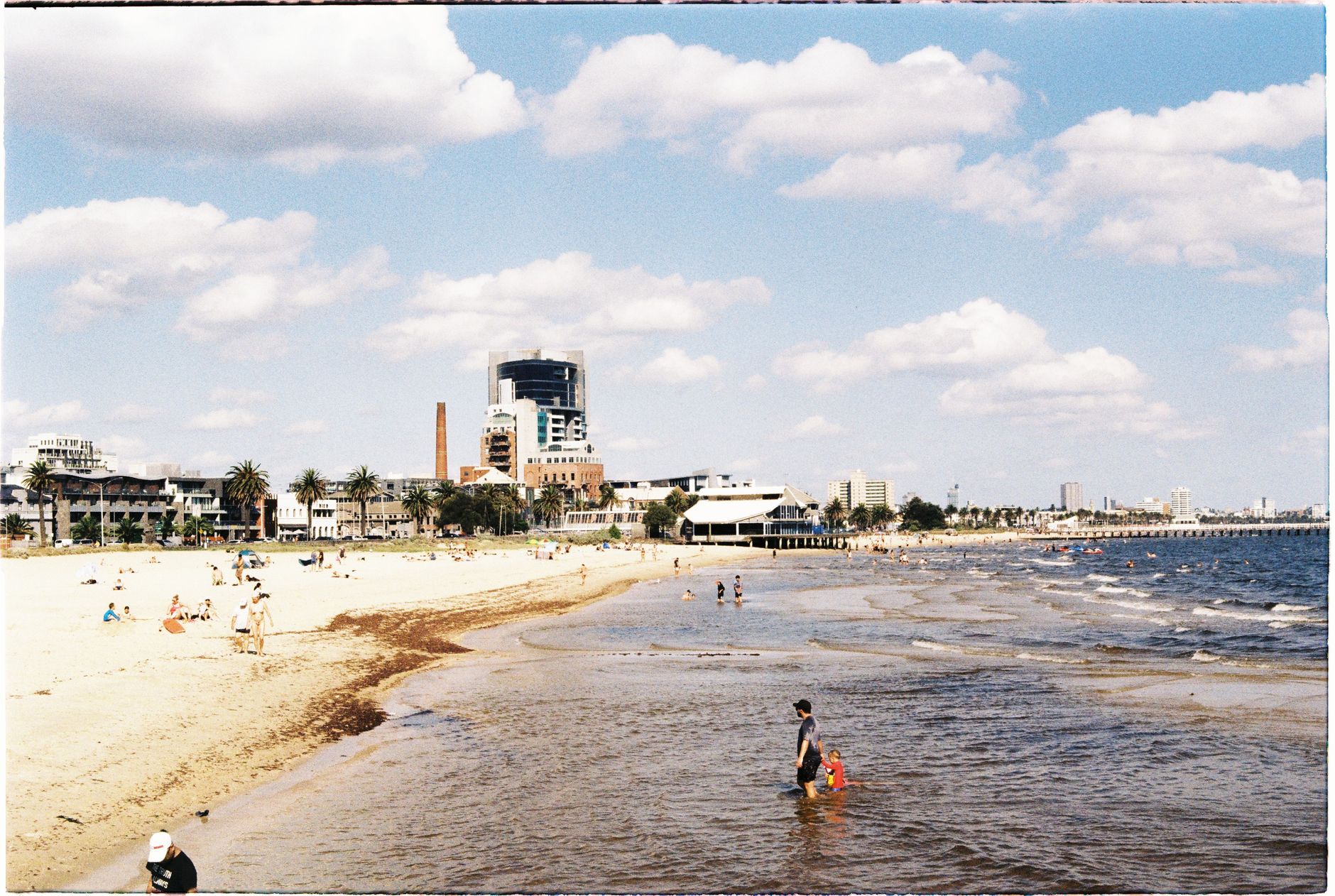
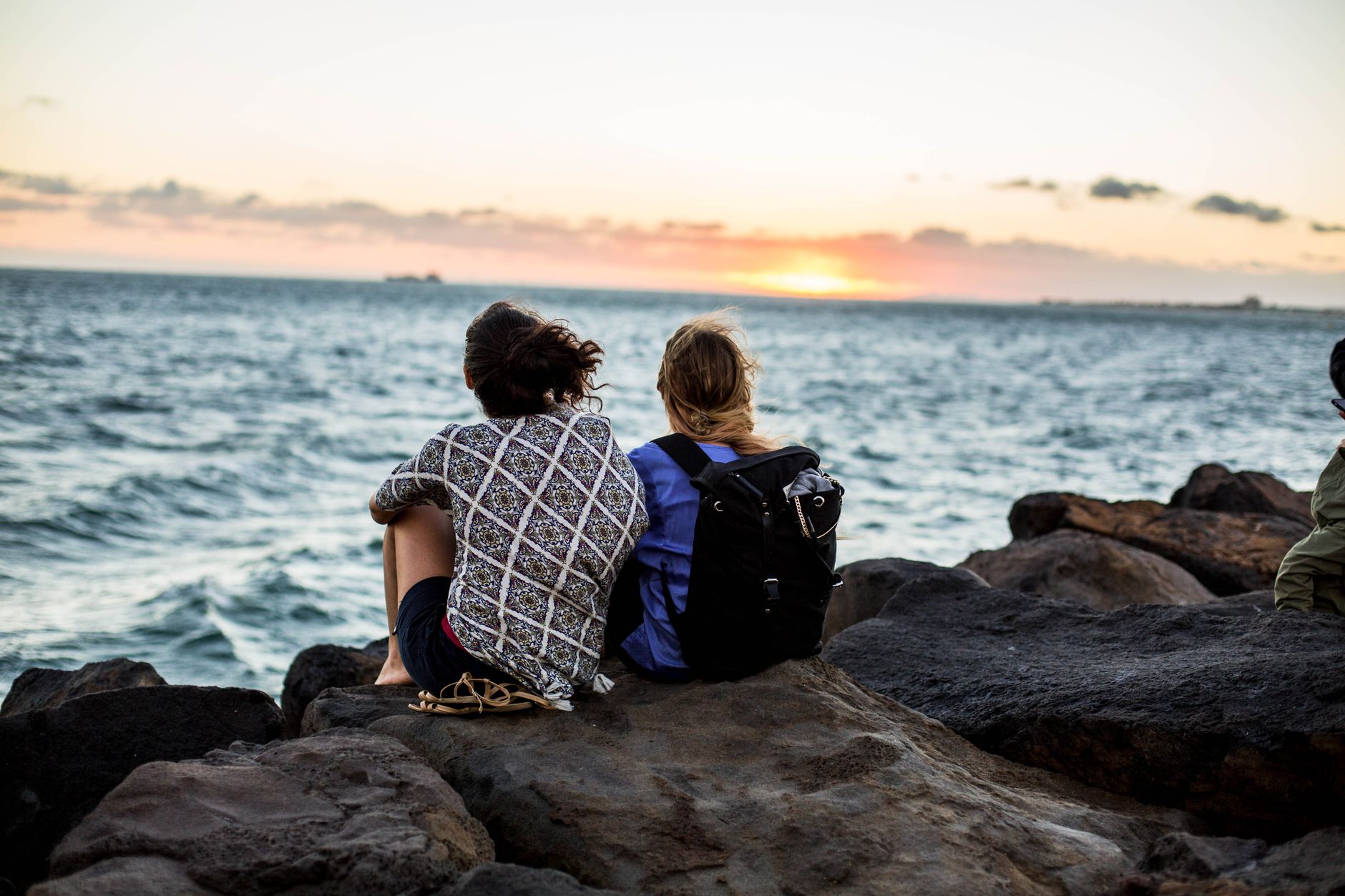
St Kilda got its name at a picnic. In 1842, Governor La Trobe christened this stretch of Port Phillip Bay shoreline after the ship *Lady of St Kilda*, anchored offshore — which is about as casual an origin story as a place can have. What grew from that offhand gesture is a suburb that has spent nearly two centuries being many things at once: a quarantine station, a seaside resort for Melbourne's well-heeled, a counterculture stronghold, and now a neighbourhood where a 110-year-old roller coaster runs alongside a penguin colony on the breakwater.
Fitzroy Street still has that particular edge of a street that has seen too much and survived it. Acland Street — named, through a chain of connections, after the original owner of the ship that named the whole suburb — remains the place for Eastern European pastries and the slow passage of a Sunday afternoon.
💛 What travellers fall for
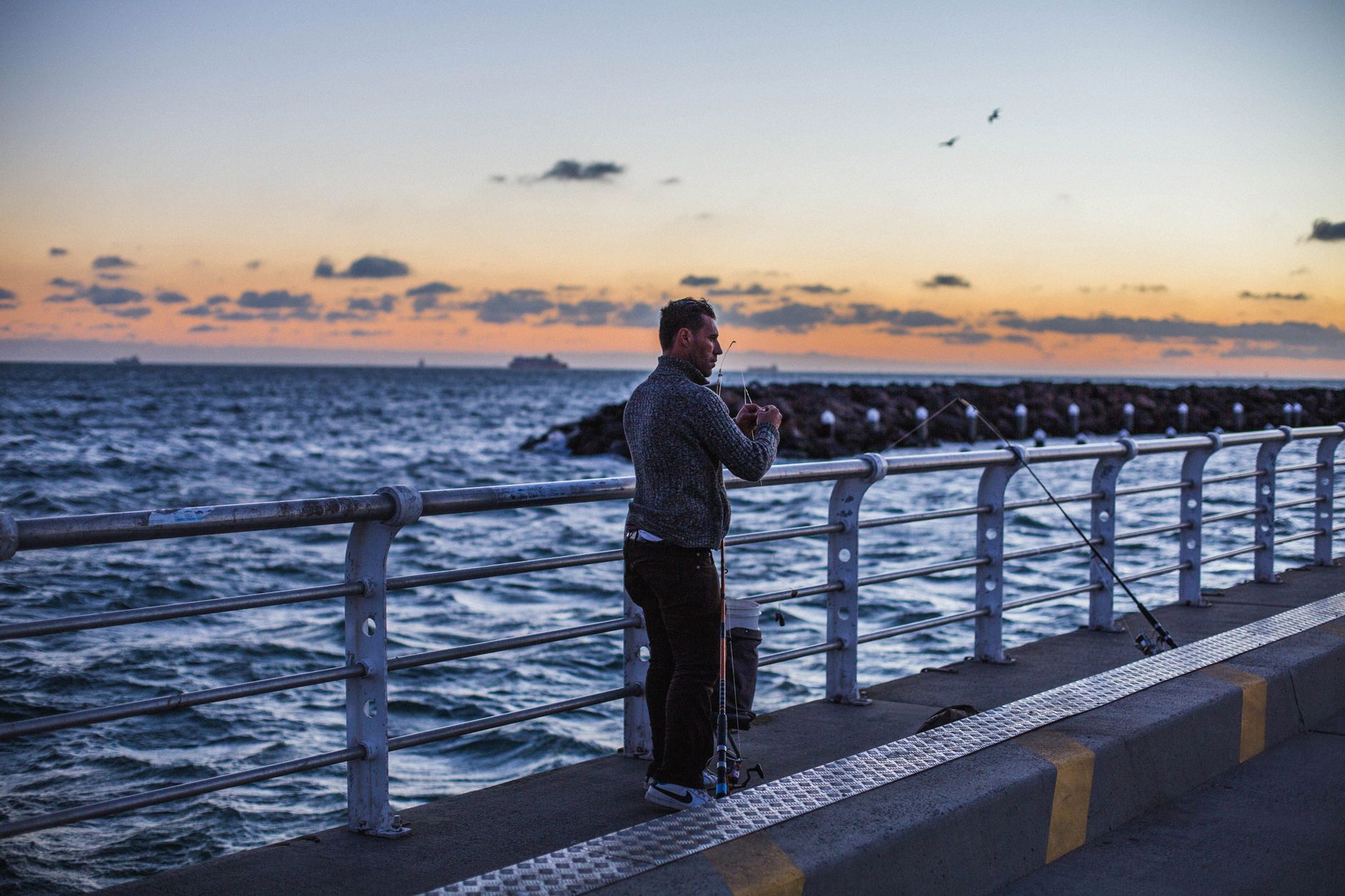
People who keep coming back tend to time the pier for dusk, when the little penguins return from the bay and shuffle into the breakwater rocks. The kiosk rebuilt in 2003 after a fire — faithfully reconstructed from the original 1904 plans — is a decent place to wait with a coffee while the light goes.
Deals in St Kilda
Book directly at the provider
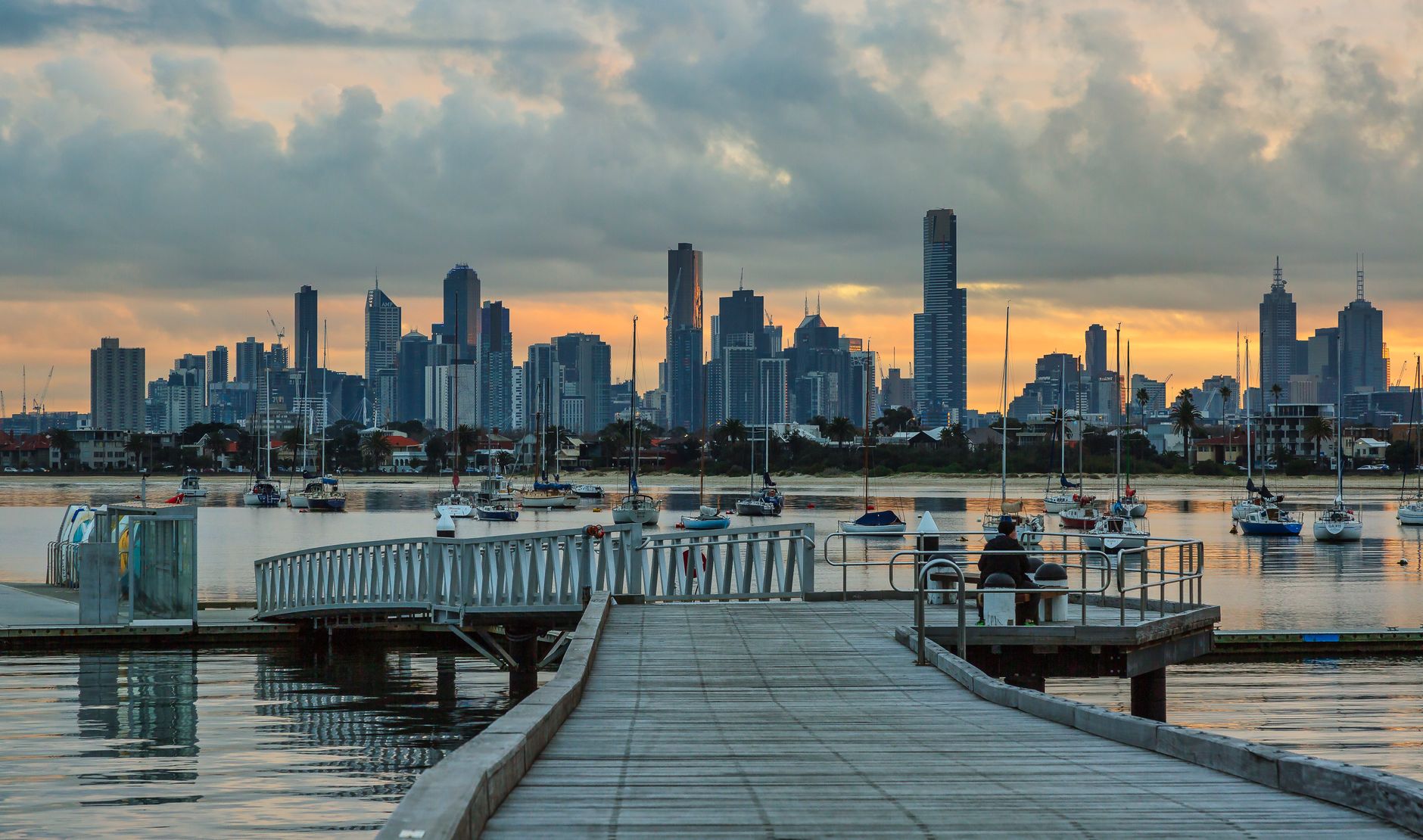
How St Kilda came to be
The Yalukit-William people of the Kulin Nation lived around this bay for tens of thousands of years before Benjamin Baxter took up a grazing lease here around 1839. Melbourne's first quarantine station for Scottish immigrants followed in 1840, and the name came two years later — La Trobe, at a picnic, gesturing toward the *Lady of St Kilda* in the water. The first Crown land sale was held on 7 December 1842; the street that would become Acland Street was named by James Ross Lawrence, a mate on that same ship, after Sir Thomas Acland, the ship's original owner.
St Kilda was incorporated as a municipal district in 1855, became a borough in 1863, and was proclaimed a city in 1890 — before being absorbed into the City of Port Phillip in 1994. Luna Park opened in December 1912. The Palais Theatre followed in 1927, designed by Henry Eli White. The St Kilda Football Club had already been playing since 1873. Moritz Michaelis, a Jewish merchant who built his residence 'Linden' at 26 Acland Street in 1870, founded the St Kilda Hebrew Congregation the following year — one thread in a long history of immigrant community life along this coastline.
Who and what shaped it
People who shaped it
Landmark buildings
See St Kilda in motion
Plan your visit
On the map
When to go
Summers are warm and the bay keeps things milder than inland Melbourne, though the wind off the water can be sharp on an exposed pier afternoon. Winter is cool and grey but rarely harsh — the penguins are there year-round regardless.
Right now
Background & history adapted from Wikipedia (CC BY-SA) · specs from Wikidata (CC0) · weather from Open-Meteo · map data © OpenStreetMap contributors · photos from Wikimedia Commons / Unsplash with per-image credit. No third-party reviews or social posts reproduced.