
South Yarra
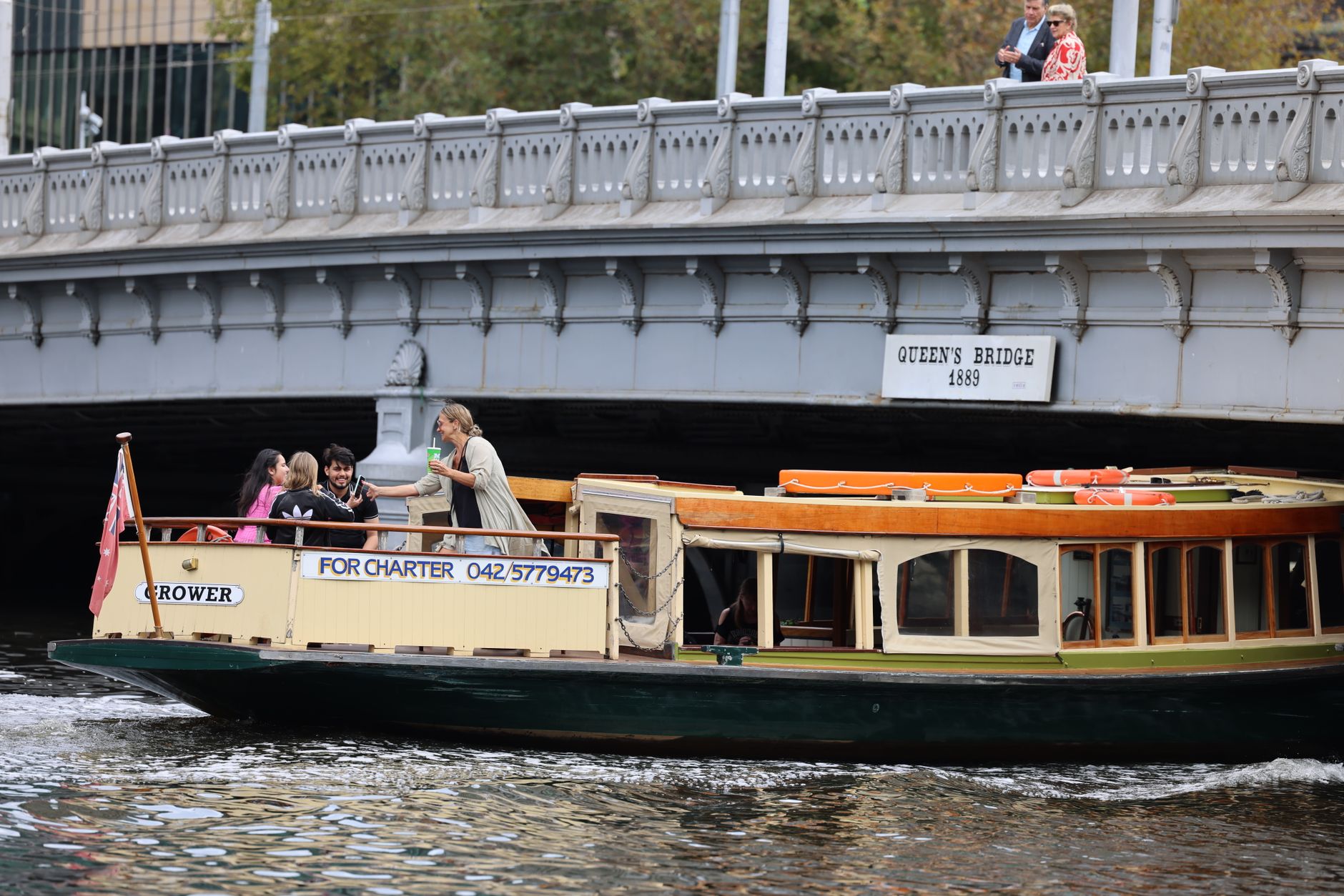
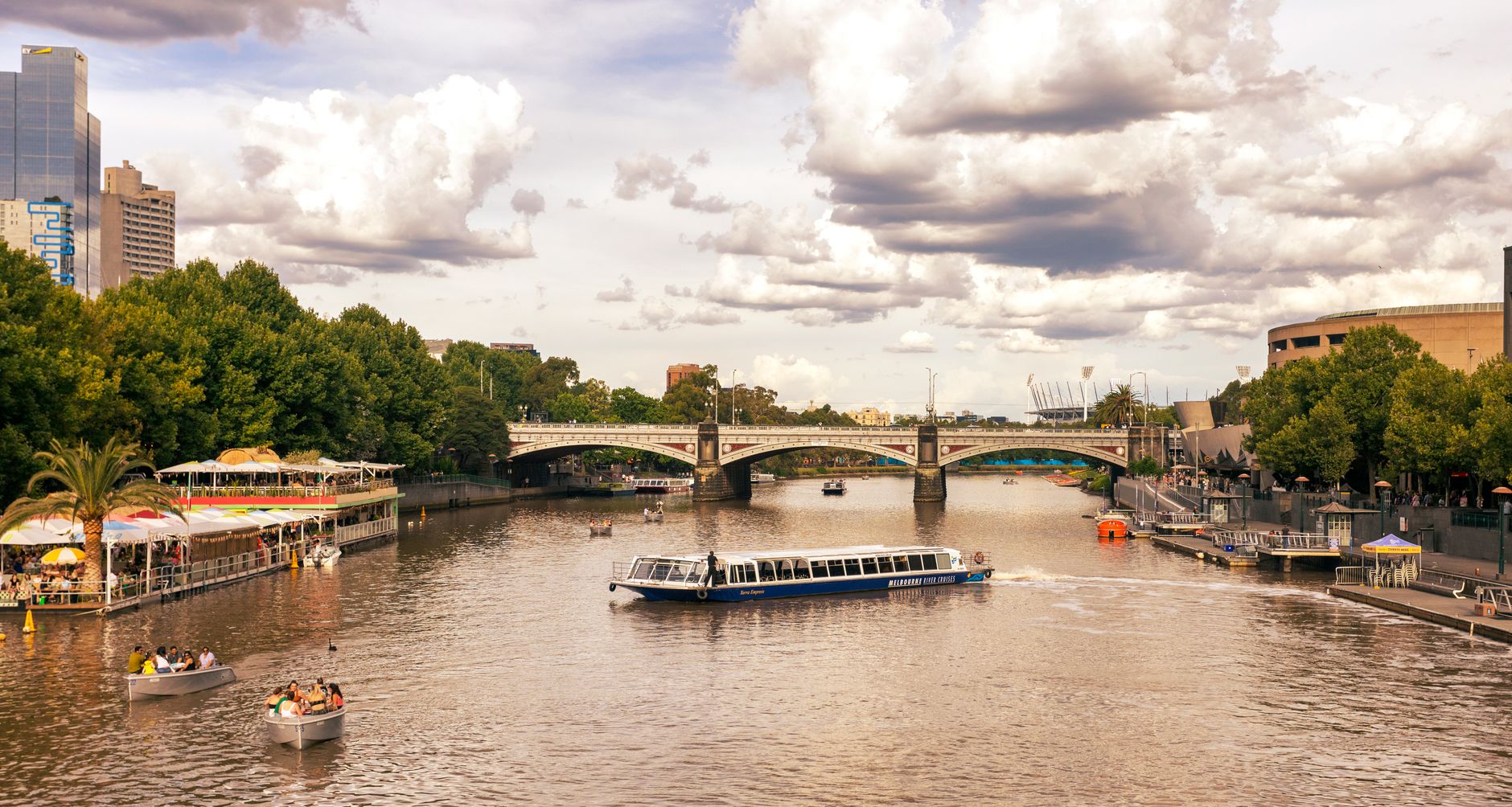
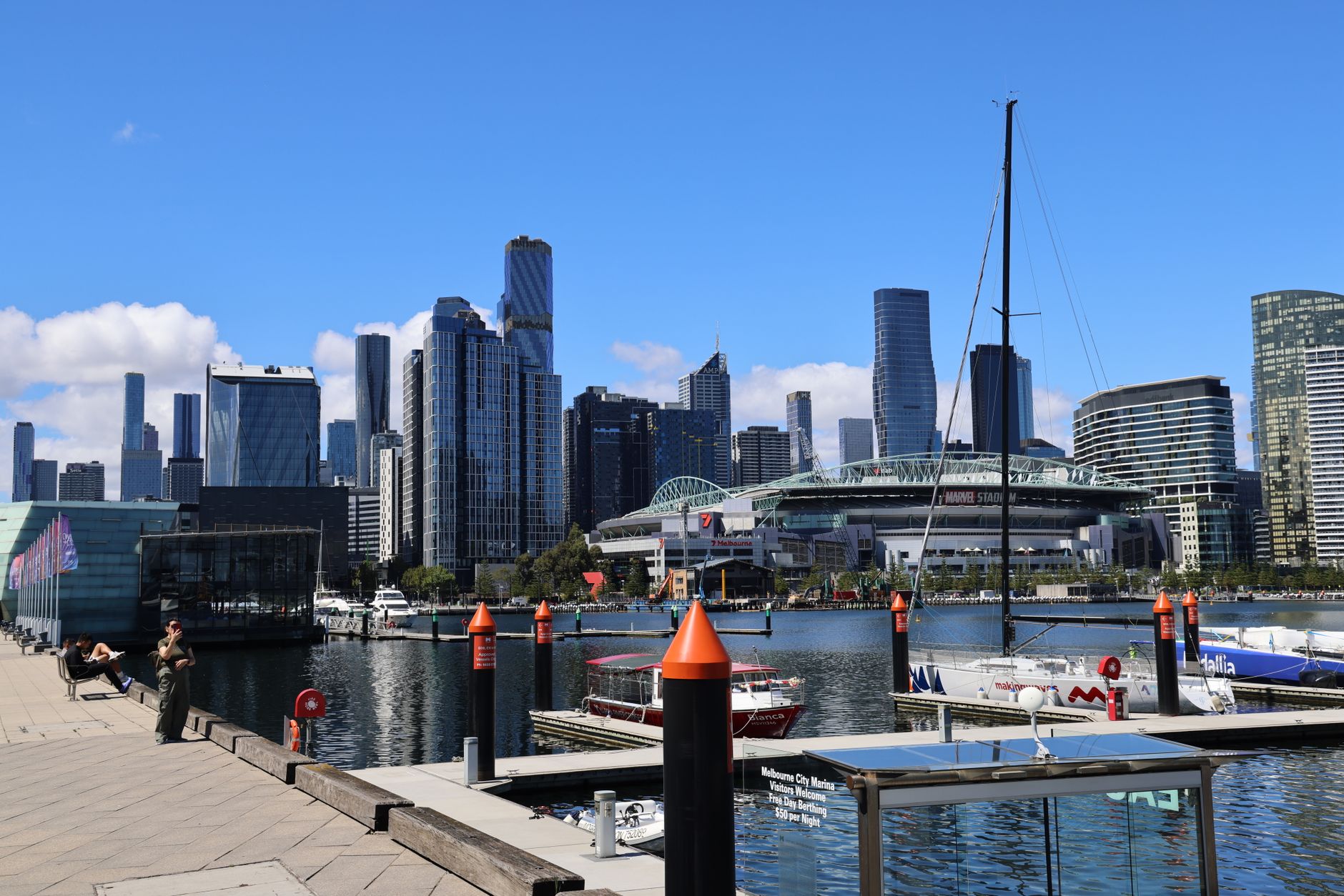
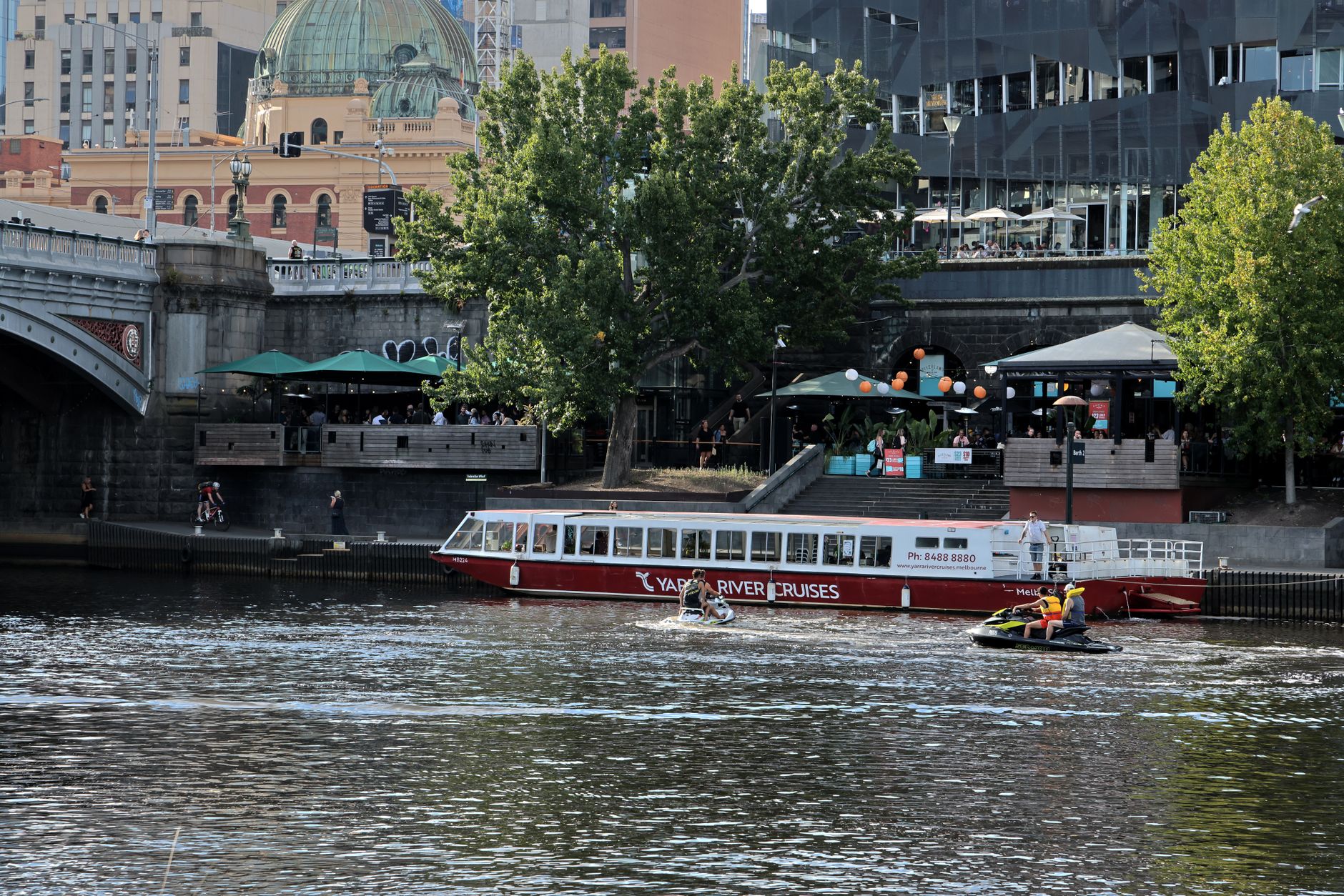
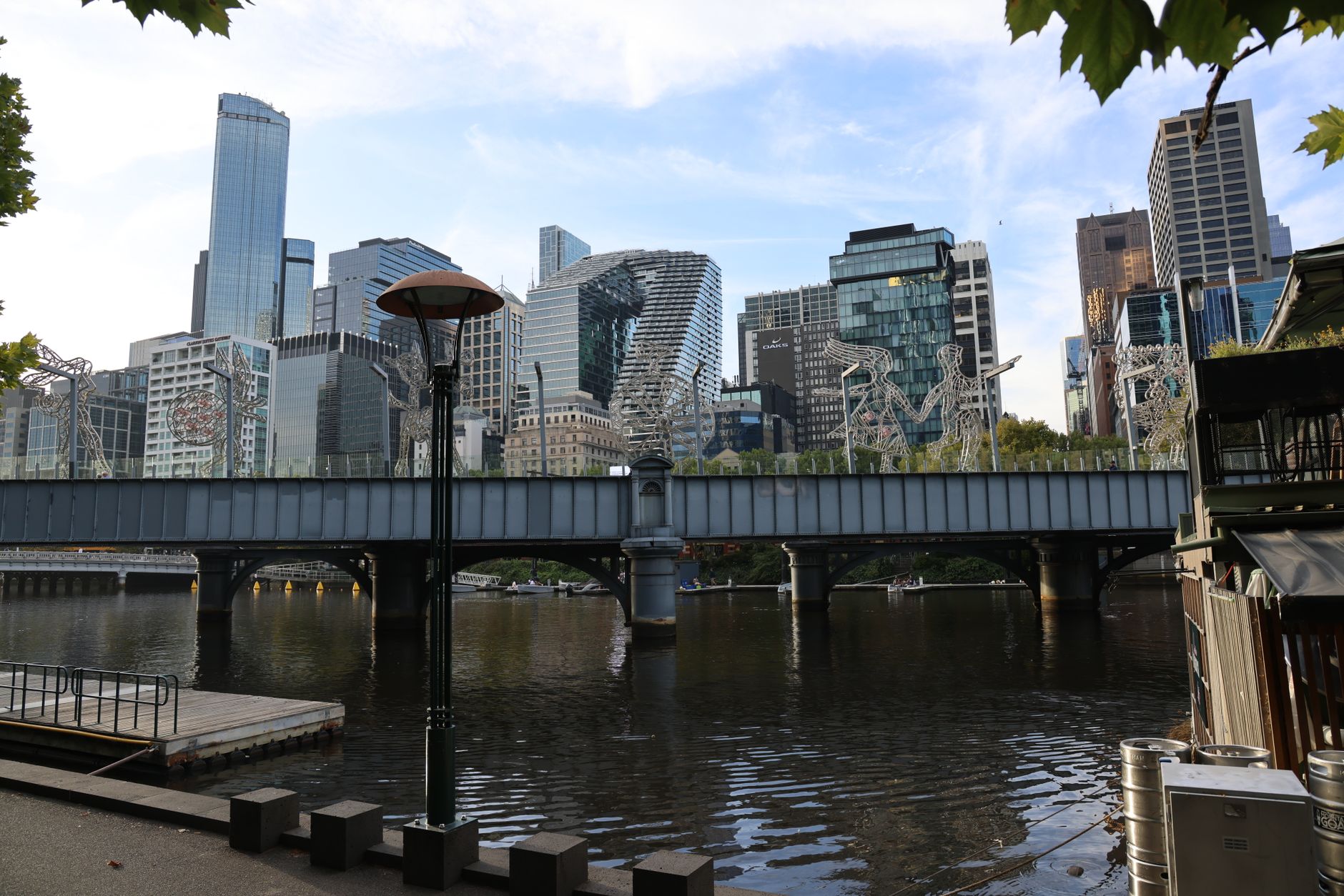
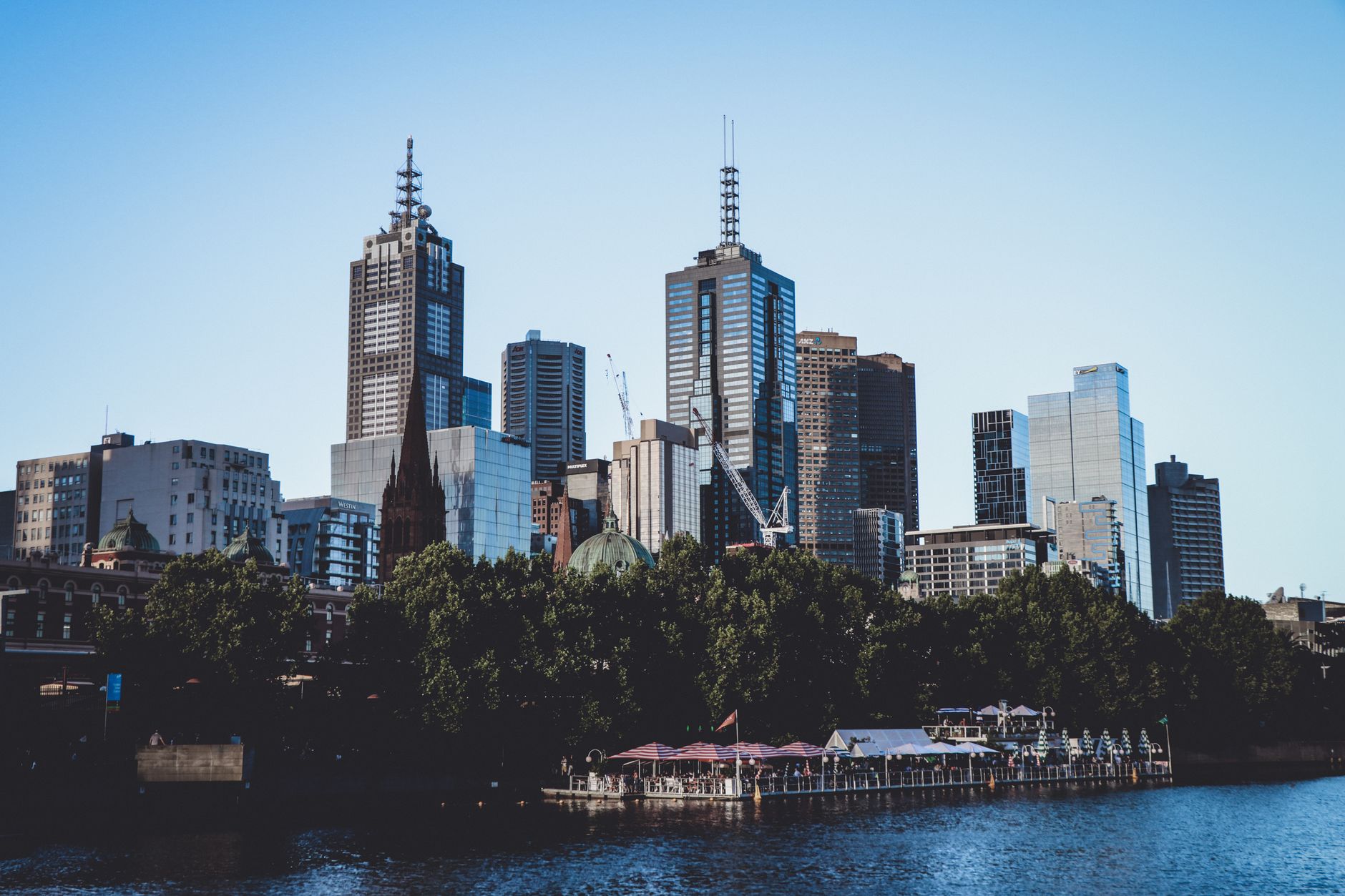
South Yarra sits on the south bank of the Yarra River with a particular self-assurance — the kind of suburb that has been comfortable with money long enough to stop showing off about it. The corner of Chapel Street and Toorak Road has had a shop on it since the mid-1850s; the building there now started as a cable tram engine house in 1880, became a bakery, and is now retail and entertainment. That layering is the whole story of the place in miniature.
What you find walking its streets is a specific mix: grand Victorian mansions whose gardens were carved into Art Deco flats in the 1930s, a synagogue with the largest copper dome of any in Australasia, mid-century modernist houses that architects actually lived in, and the Yarra's edge just north of it all.
💛 What travellers fall for
People who keep coming back tend to time it around the Prahran Market on a Saturday morning, then walk off the haul through the Domain Road precinct — pausing at Boyd House II on Walsh Street if a tour is running. The Beverley Hills flats on their own are worth the detour: the 1930s grotto pool behind those Spanish Mission balustrades is one of the suburb's stranger pleasures.
Deals in South Yarra
Book directly at the provider


How South Yarra came to be
The Wurundjeri people of the Kulin nation were the original inhabitants of this land. European settlers arrived in the 1830s alongside Melbourne's founding, and by the 1840s the area had become a retreat for the city's wealthier residents. Como House, built from 1847 to 1855 in a blend of Australian Regency and Italianate styles, survives as the clearest evidence of that era — the National Trust took it over in 1959 after its grounds had already been subdivided in 1911.
When the municipal district of Prahran was proclaimed in 1855, Punt Road became an administrative boundary, splitting South Yarra between two jurisdictions. The railway arrived east of Punt Road in 1859. Through the 1920s and 1930s, the old mansion gardens were progressively subdivided and replaced with the Art Deco and Spanish Mission flat buildings that now define whole streets — Lawson Grove among them, developed as a deliberate medium-density enclave by a builder named Lawson.
Who and what shaped it
People who shaped it
Landmark buildings
See South Yarra in motion
Plan your visit
On the map
When to go
Melbourne's weather is famously changeable, and South Yarra is no exception — a summer day can move from 35°C to a southerly change inside an hour. Spring and autumn are the most reliable seasons for walking the streets comfortably; winter is mild but grey, and the Yarra end of the suburb can feel raw on a July morning.
Right now
Background & history adapted from Wikipedia (CC BY-SA) · specs from Wikidata (CC0) · weather from Open-Meteo · map data © OpenStreetMap contributors · photos from Wikimedia Commons / Unsplash with per-image credit. No third-party reviews or social posts reproduced.