
Melbourne CBD
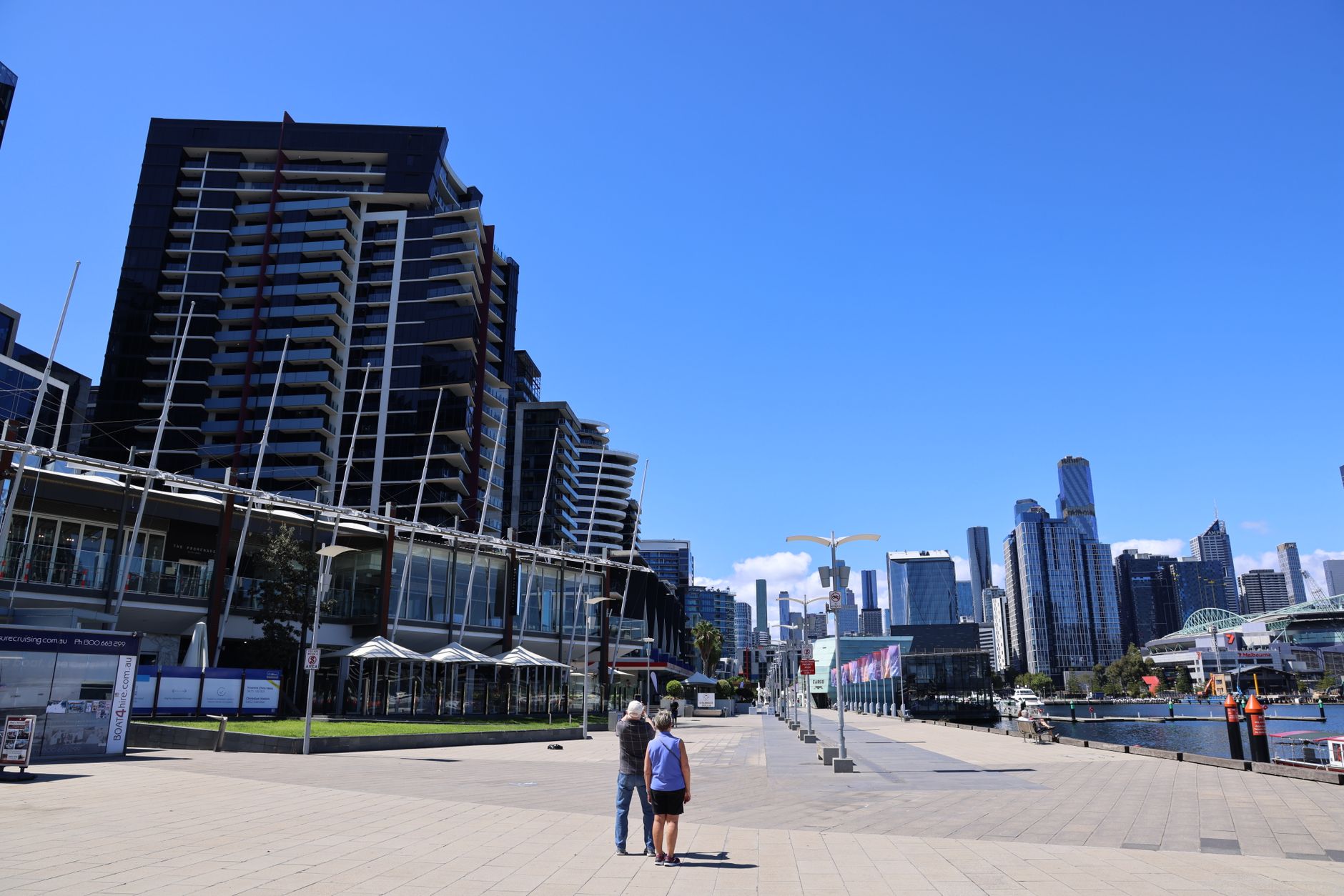
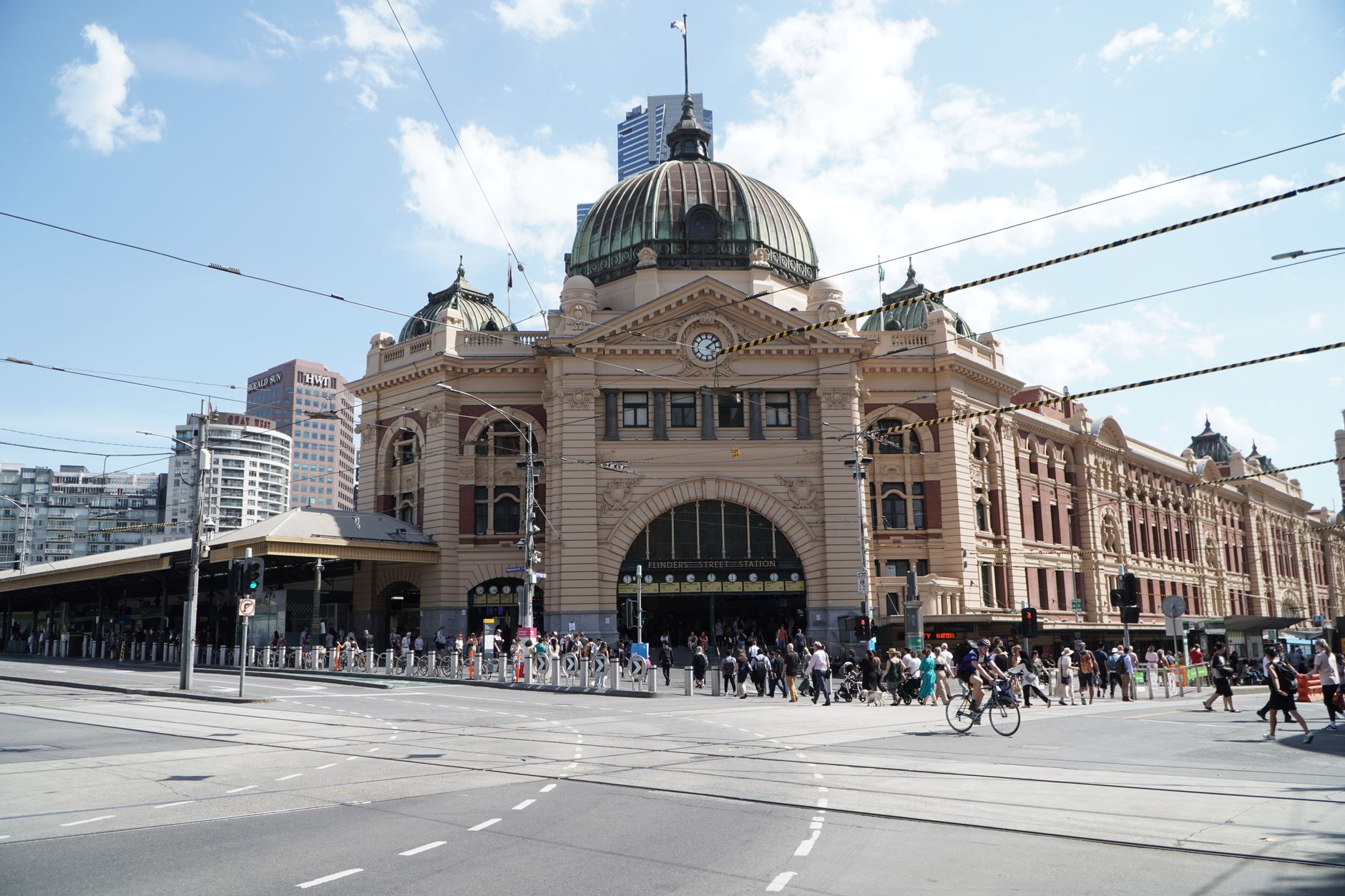
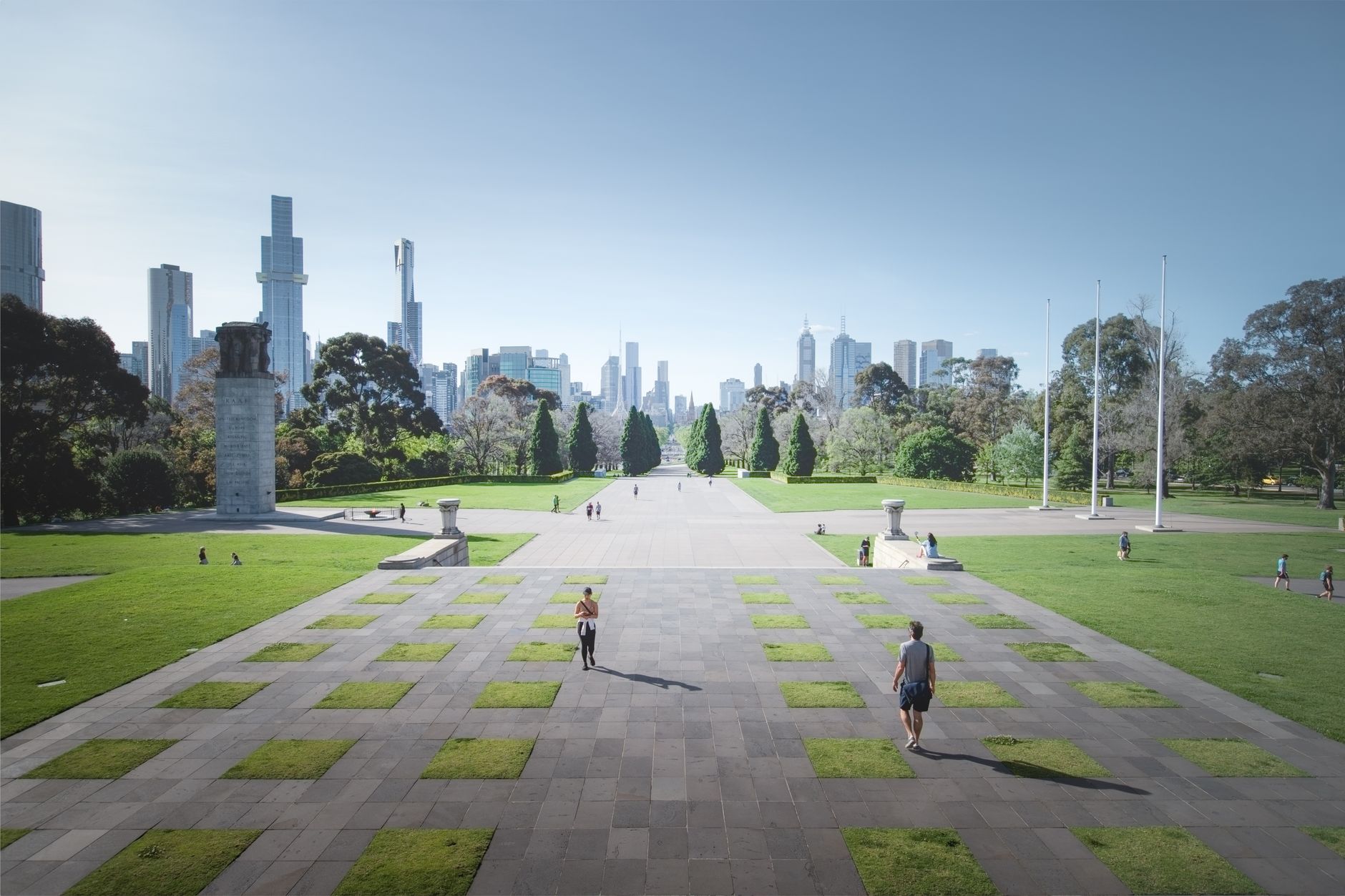
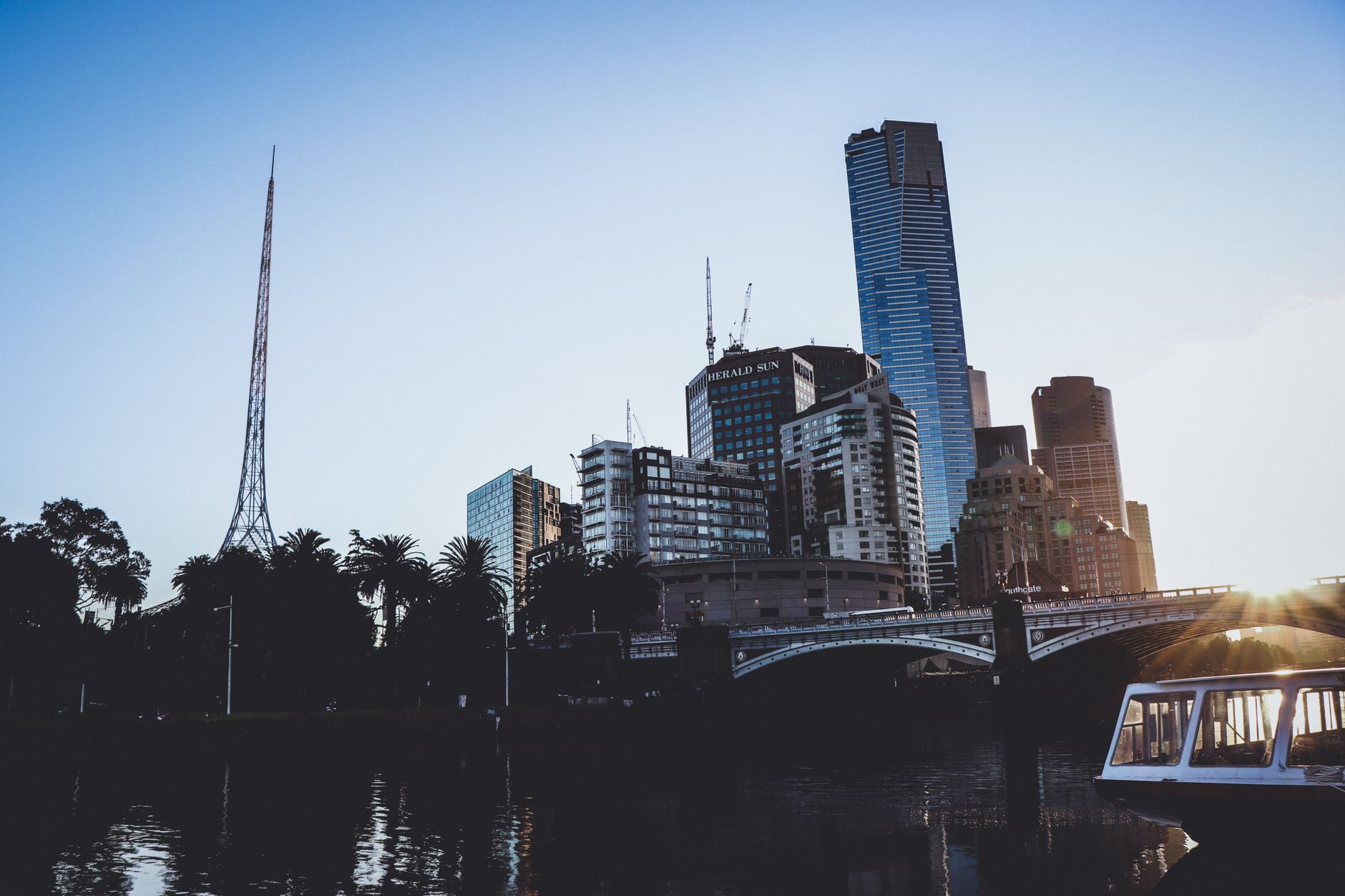
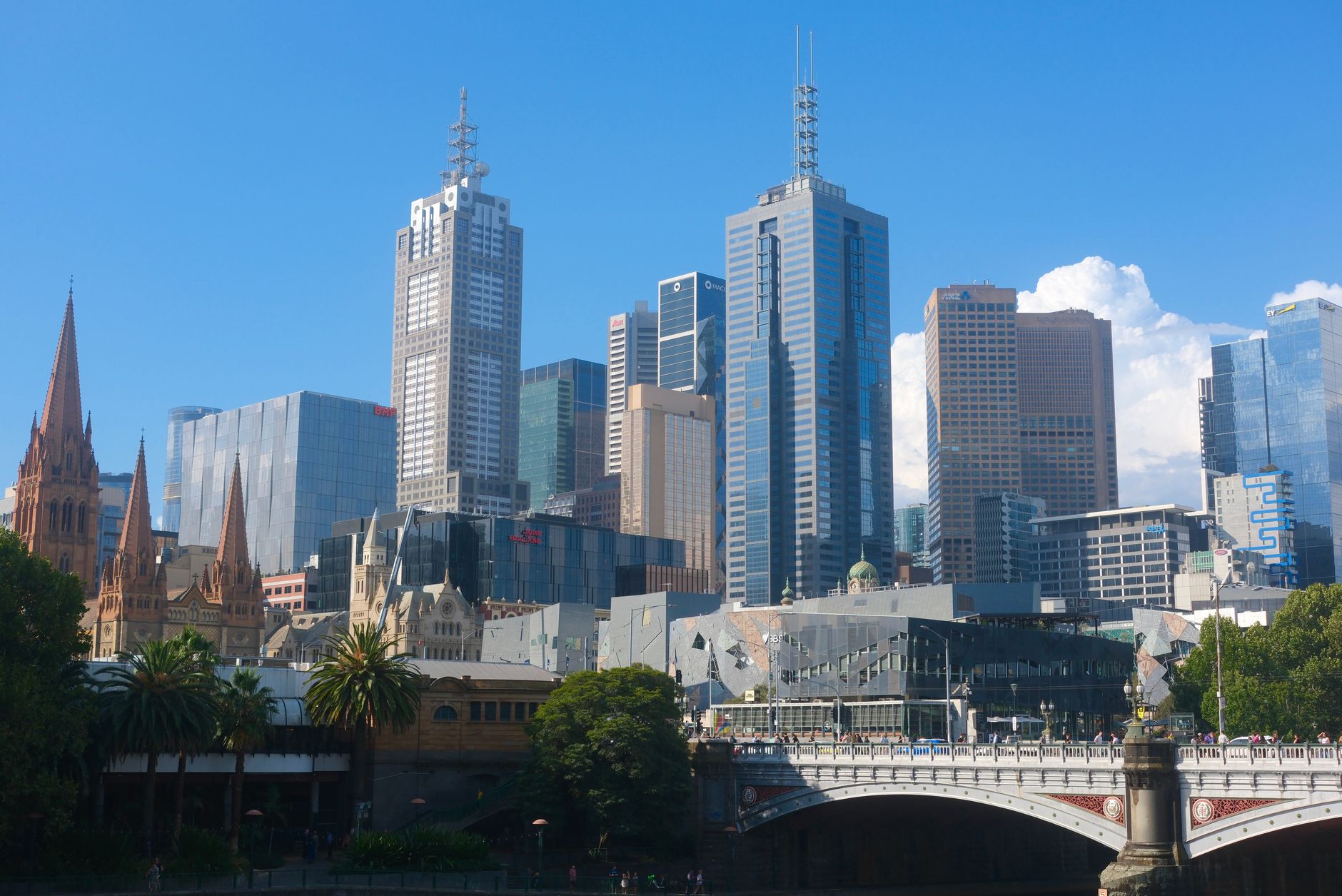
The grid gives Melbourne CBD its particular logic. Surveyor Robert Hoddle laid it out in 1837 — main streets 30 metres wide, east-west laneways threading between them — and you still feel that structure underfoot today. The lanes are where things get interesting: coffee windows, bookshops, the smell of something frying at noon.
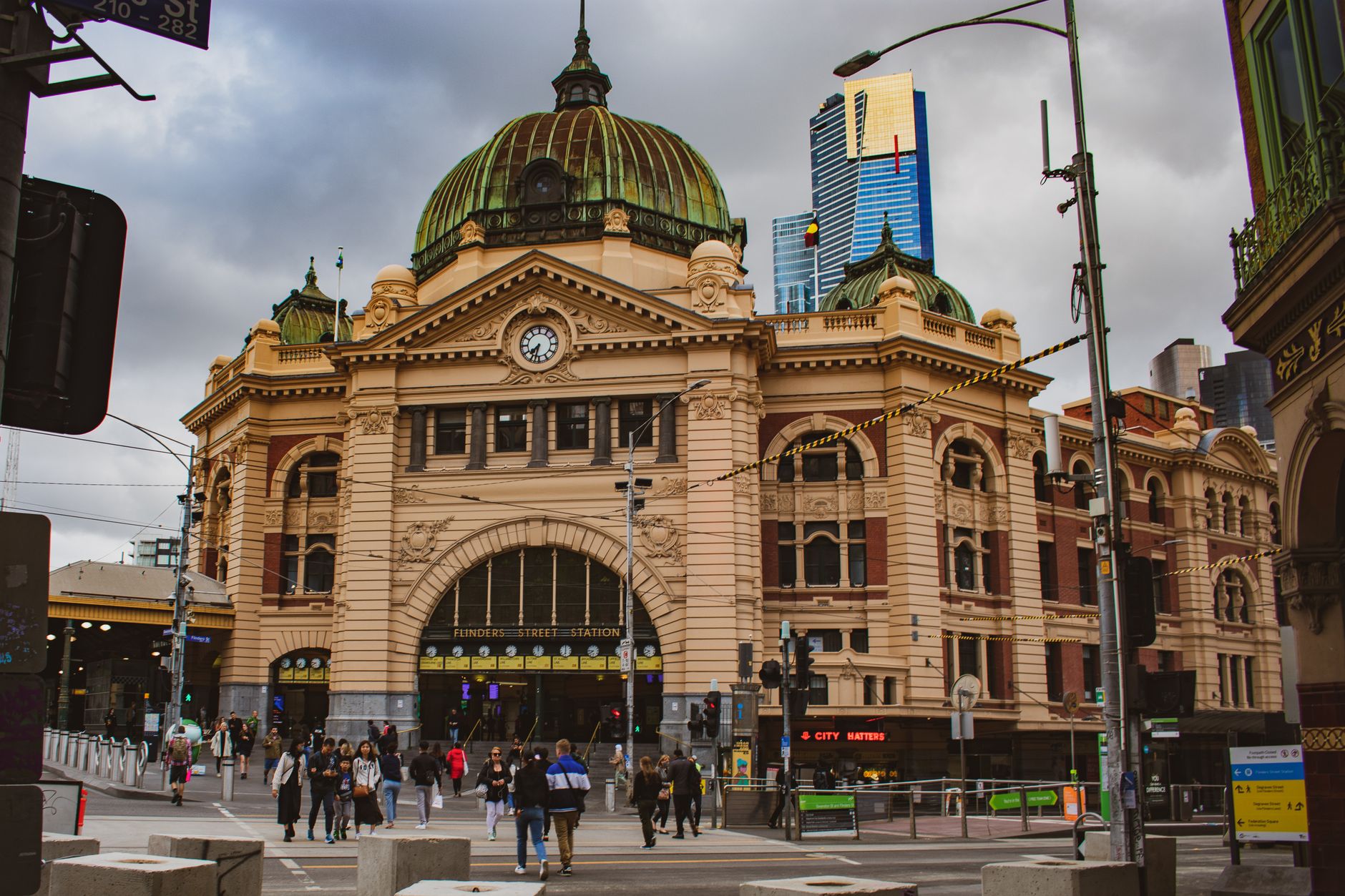
Flinders Street Station anchors the southern edge, its ochre dome and arched facade a reference point you'll use constantly. Over a century of tram routes radiate from here, and the city's flat topography means most of the CBD is genuinely walkable in a way that rewards wandering without a plan.
💛 What travellers fall for
People who know the CBD well tend to get off the tram one stop early just to walk past the Block Arcade on Collins Street — the 1891 mosaic floors hold up under daily foot traffic better than most things built this century. The Free Tram Zone covering the tourist core is genuinely useful; use it without guilt.
Deals in Melbourne CBD
Book directly at the provider


How Melbourne CBD came to be
In 1835, John Batman selected a site on the northern bank of the Yarra River and declared it the place for a village. Two years later Robert Hoddle drew the grid that still defines the CBD — wide thoroughfares aligned with the river, narrow service lanes cutting between them, all bounded by La Trobe, Spring, Flinders and Spencer streets.
The gold rush years accelerated everything. By the 1880s, surplus government revenue and speculative optimism pushed buildings skyward — eight and nine storeys where three had stood before. Flinders Street Station's current ochre building followed in 1909; St James Old Cathedral (1839) and St Francis' Church (1845) are among the few physical survivors from the era before gold changed the city's scale.
Who and what shaped it
People who shaped it
Landmark buildings
See Melbourne CBD in motion
Plan your visit
On the map
When to go
Melbourne's weather is famously changeable year-round — four seasons in a day is not a cliché here. Summer (December–February) runs hot and occasionally very hot, while autumn and spring offer the most settled conditions for walking the grid. Winter is mild by world standards but grey and wet enough to make the arcade network genuinely worthwhile.
Right now
Background & history adapted from Wikipedia (CC BY-SA) · specs from Wikidata (CC0) · weather from Open-Meteo · map data © OpenStreetMap contributors · photos from Wikimedia Commons / Unsplash with per-image credit. No third-party reviews or social posts reproduced.