
Williamstown
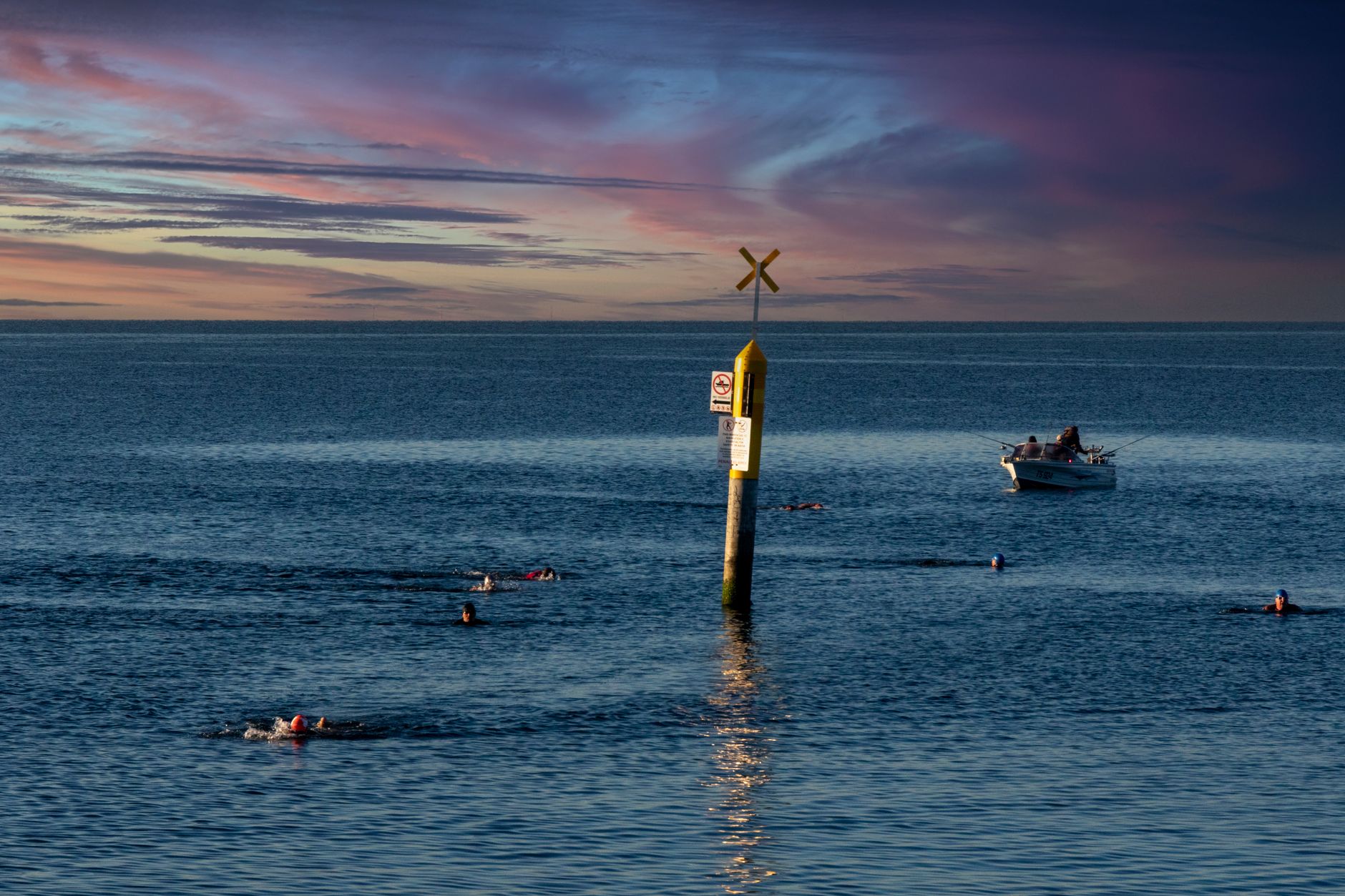
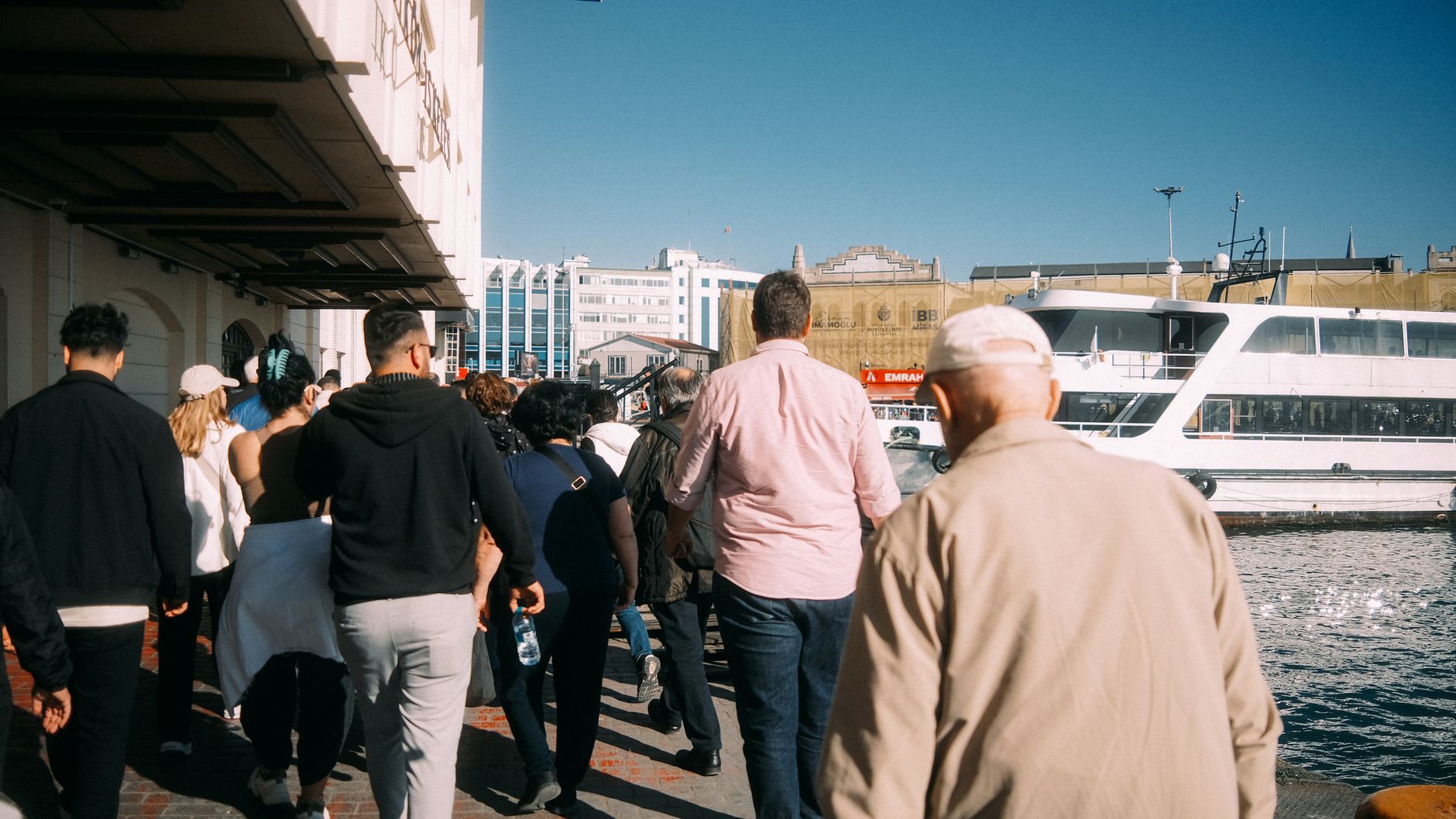
Williamstown sits at the end of a train line and the edge of Hobsons Bay, and the combination gives it a quality rare in Melbourne's suburbs: it feels genuinely arrived-at. Stone jetties, a convict-built pier, a wartime minesweeper permanently moored at the waterfront — the maritime past is not curated here so much as simply present. Nelson Place's nineteenth-century shopfronts still hold their original proportions, now occupied by cafes and galleries rather than chandlers and banks.
Four sailing clubs share the foreshore, and on weekend mornings the bay fills with white sails. The Alfred Graving Dock, the first of its kind in Victoria, still operates as a working dockyard. Williamstown has been a port, a garrison town, a gold-rush waystation, and a suburb — and it carries all of those layers without making a fuss about it.
💛 What travellers fall for
People who come back tend to anchor the day at Gem Pier first — watching the HMAS Castlemaine sit in the water before the crowds arrive — then work their way along Nelson Place for coffee, saving the Seaworks precinct for the afternoon when the light off Hobsons Bay turns copper. The Williamstown Racecourse grandstand, often overlooked, is worth the short walk.
Deals in Williamstown
Book directly at the provider

How Williamstown came to be
John Batman named it Port Harwood in 1835; it was quickly renamed Williamstown in honour of King William IV and designated as Melbourne's primary port. The real surge came in the 1850s, when gold prospectors flooded through on their way to the inland fields, and the settlement filled in fast — hotels, banks, churches and the Naval Dock Yards all took shape within a few years. Gem Pier was already standing, built by convict labour in 1838. Fort Gellibrand rose between 1860 and 1890, initially as a defence against a feared Russian incursion during the Crimean War.
Williamstown was incorporated as a borough on 14 March 1856, became a town in 1886, and was proclaimed a city in 1919 — a civic arc that tracks the ambitions of a place that once expected to outgrow Melbourne itself. In 1994 it merged into the City of Hobsons Bay, but the nineteenth-century streetscape along Nelson Place and the working dockyard ensure the original character has not entirely dissolved into the broader metropolitan fabric.
Who and what shaped it
People who shaped it
Landmark buildings
See Williamstown in motion
Plan your visit
On the map
When to go
The warmest months run from October through April, with January averaging around 25°C during the day and 15°C at night — good conditions for walking the foreshore, though the southwest winds off the bay can be sharp. July sits around 14°C in the day and 7°C at night; the waterfront is quieter then, and the light on the water has its own appeal, but bring a proper coat.
Right now
Background & history adapted from Wikipedia (CC BY-SA) · specs from Wikidata (CC0) · weather from Open-Meteo · map data © OpenStreetMap contributors · photos from Wikimedia Commons / Unsplash with per-image credit. No third-party reviews or social posts reproduced.