
Fitzroy
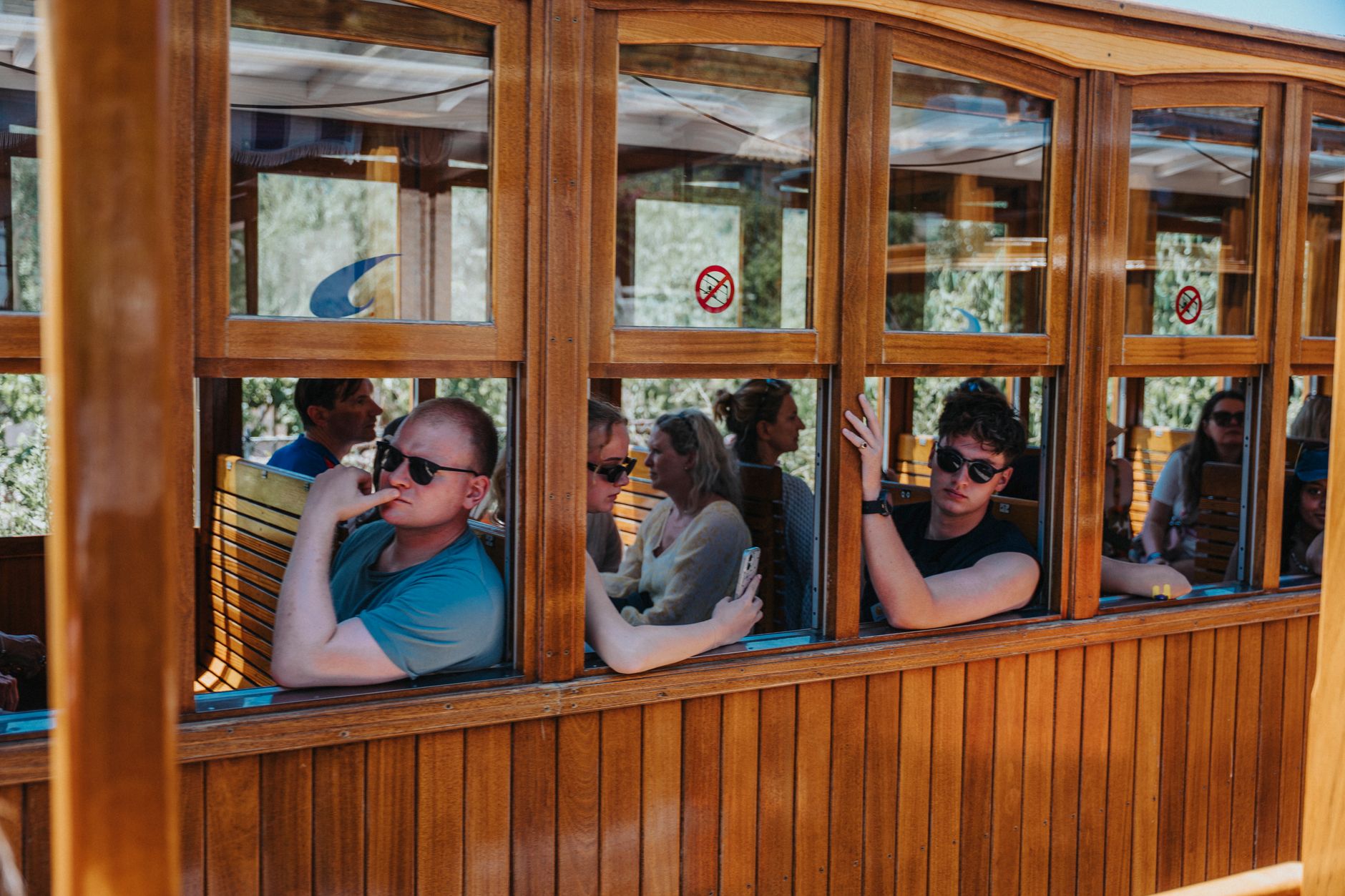
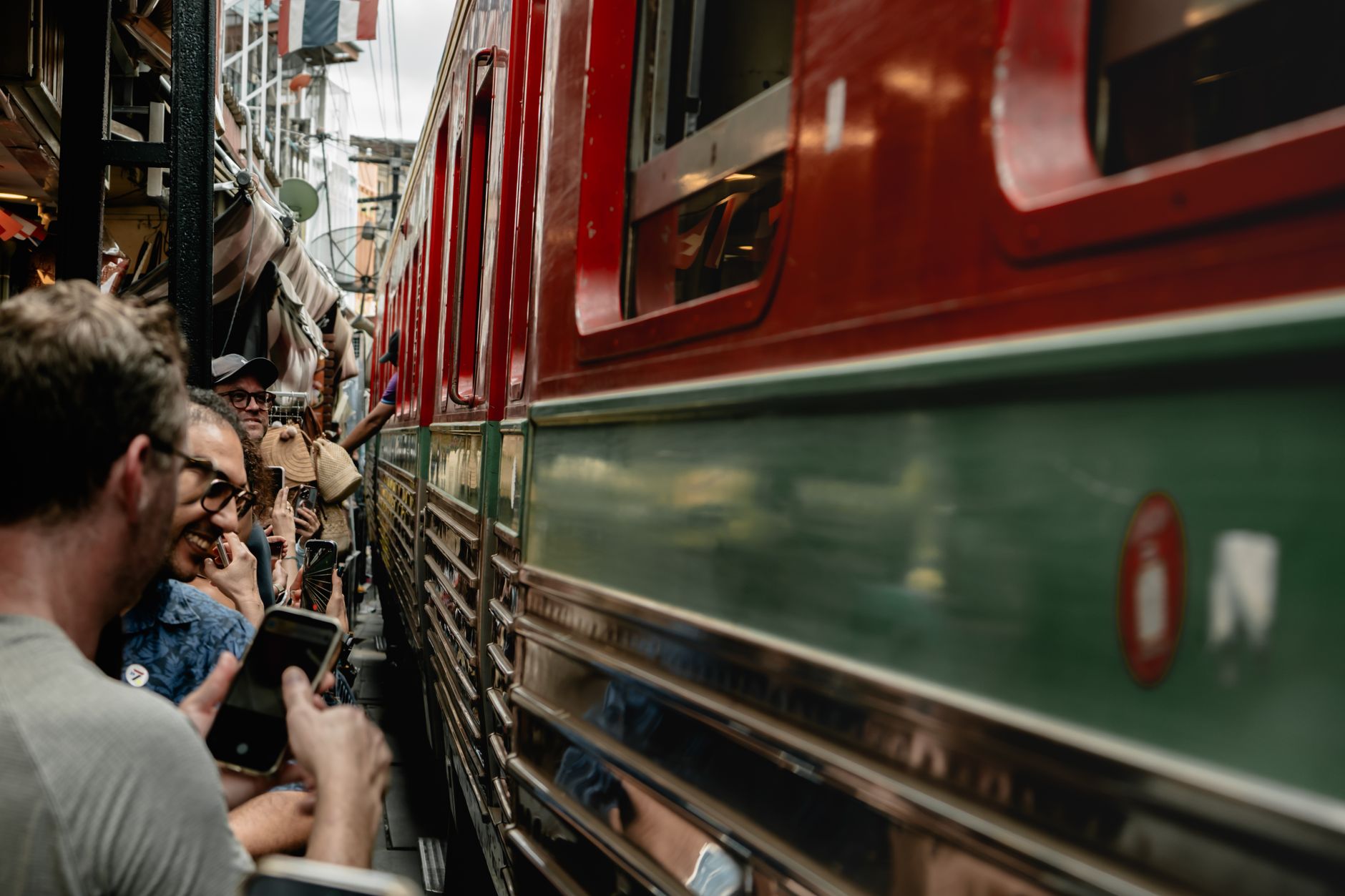
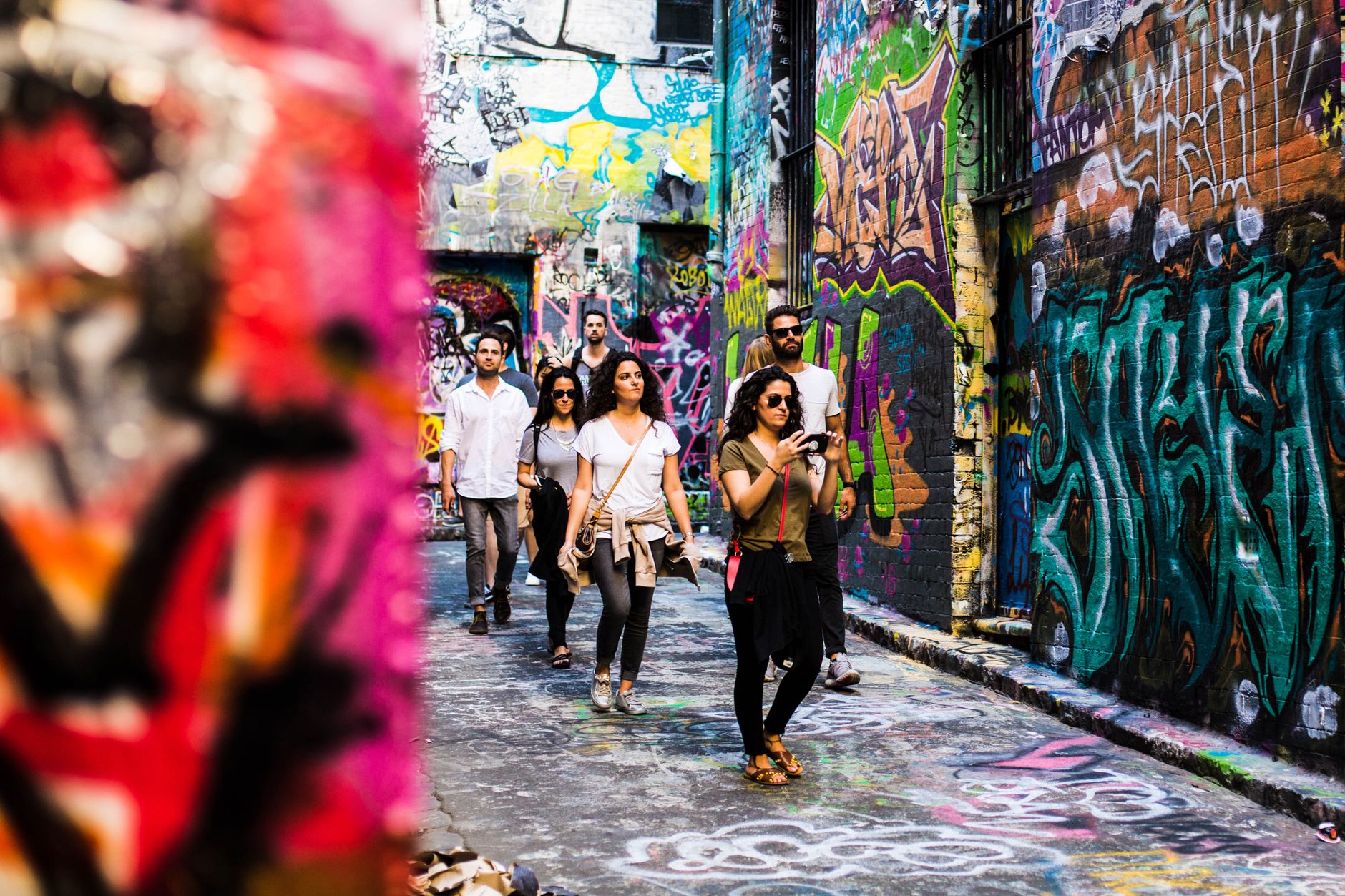


The oldest surviving terrace houses in Gertrude Street are made of bluestone — the same dark basalt quarried from the land itself — and they've watched the street change from slum to gallery row without giving much away. Fitzroy sits just north of the CBD, small enough to walk across in an afternoon, and it carries its contradictions lightly: Atherton Gardens public housing tower beside expensive restaurants, Aboriginal community services a block from boutique wine bars.
Brunswick Street is the louder artery, full of cafes and record shops. Gertrude Street, running east from it, is quieter and sharper — art spaces, a bookshop or two, and Charcoal Lane, the restaurant that Archie Roach's song named and that now trains young Indigenous Australians in hospitality.
💛 What travellers fall for
People who come back tend to anchor on Gertrude Street rather than Brunswick — less foot traffic, better ratio of interesting to ordinary. The Cable Tram Engine House on Gertrude is easy to walk past without registering what it is: the oldest surviving structure from Melbourne's entire cable tram network, built 1886, still standing.
Deals in Fitzroy
Book directly at the provider


How Fitzroy came to be
Fitzroy's allotments went to auction in 1839, and for a few decades it was where Melbourne's wealthier citizens built their terraces — Royal Terrace on Nicholson Street dates to 1853–1858, Osborne House to 1850. The municipality separated from Melbourne in 1858, achieved city status in 1878, and named itself after Sir Charles Augustus FitzRoy, Governor of New South Wales.
The 1890s depression pulled the suburb's southern end down sharply. By the 1930s it held Victoria's highest infant mortality rate and was classified slum territory. From the late 1960s, the Koorie community built lasting institutions here — the Victorian Aboriginal Health Service, the Victorian Aboriginal Legal Aid Service — while the early 1970s brought students and artists who began buying up the same bluestone terraces. Gentrification followed in waves through the 1980s and has never really stopped, though the public housing at Atherton Gardens remains one of the largest estates in the state.
Who and what shaped it
People who shaped it
Landmark buildings
See Fitzroy in motion
Plan your visit
On the map
When to go
Summers run warm rather than hot — expect highs around 26°C in January with cool evenings. Winter is mild by most standards, rarely dropping below 7°C at night, though the wind off the bay has an edge to it. October through April is the easiest window, with September typically the wettest month.
Right now
Background & history adapted from Wikipedia (CC BY-SA) · specs from Wikidata (CC0) · weather from Open-Meteo · map data © OpenStreetMap contributors · photos from Wikimedia Commons / Unsplash with per-image credit. No third-party reviews or social posts reproduced.