
Southbank
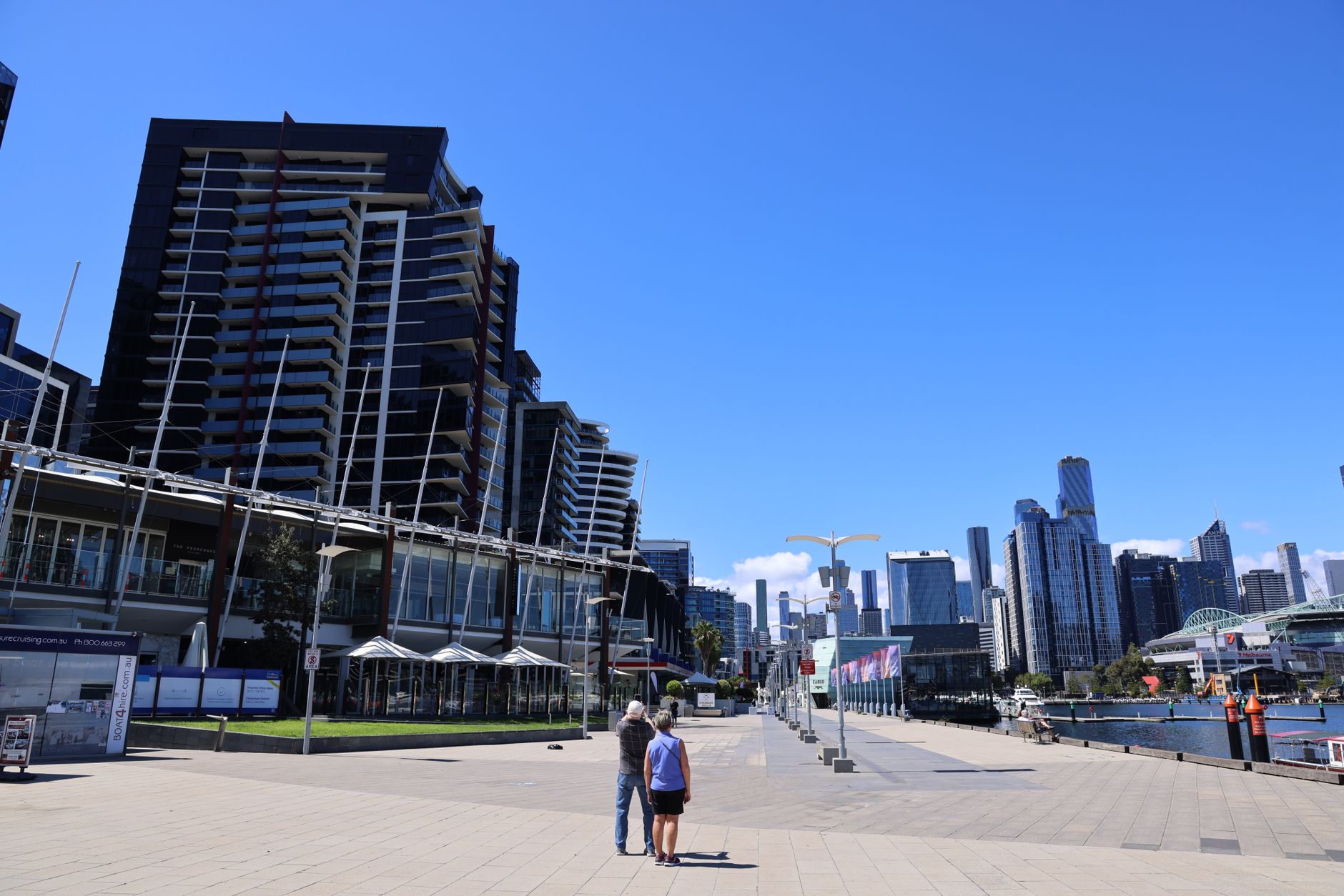
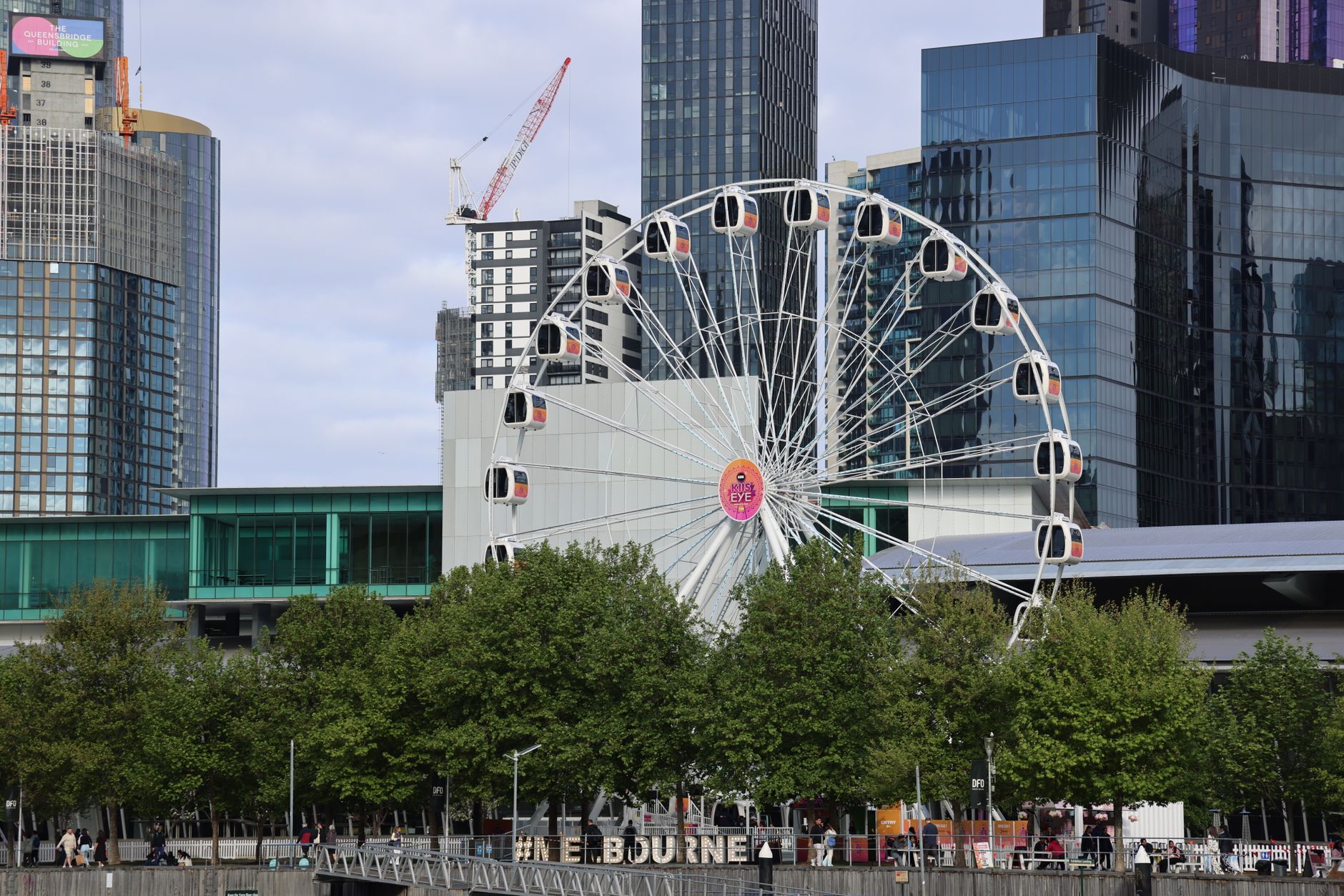
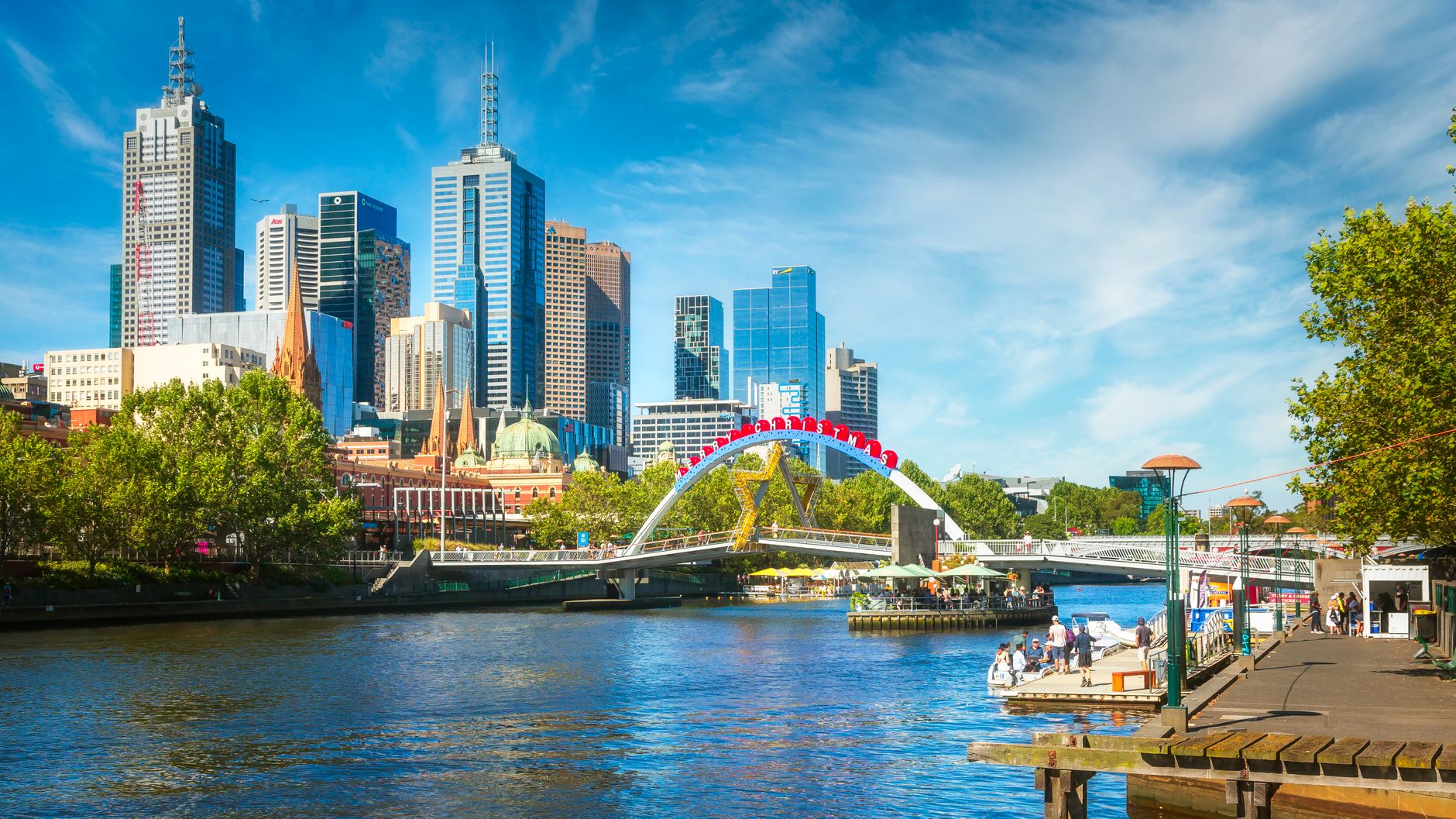
Stand on the Southbank Promenade on a weekday morning and the Yarra moves past you slowly, brown and wide, while the city rises on the opposite bank in a wall of glass. This is Melbourne's most deliberate piece of urbanism — a former tangle of warehouses and wharves reinvented in a single generation into a riverside strip of apartments, performance spaces, restaurants, and the kind of casino that never closes.
The density can be startling. Eureka Tower's 91 floors catch the light differently at every hour. The Sandridge Bridge carries not trains but sculpture. Southbank rewards the person who walks slowly and looks up.
💛 What travellers fall for
People who know the area well tend to skip the main Southgate dining floor and head instead for the promenade level, where the river is actually close enough to matter. Early mornings, before the foot traffic builds, the walk between the Evan Walker Footbridge and the Sandridge Bridge is about as calm as this part of Melbourne gets.
Deals in Southbank
Book directly at the provider

How Southbank came to be
Before the 1990s, Southbank was simply the industrial fringe of South Melbourne — wharves, warehouses, and factories that had served Melbourne's first port since the 1860s. The State Government flagged the area for redevelopment in 1984, and the transformation came fast. Denton Corker Marshall's Southbank Promenade and the Evan Walker Footbridge — named for the Planning Minister who set the project in motion — both opened in 1990, giving the precinct its riverside spine before most of the buildings existed.
The Southgate retail and office complex followed between 1990 and 1993, then the Melbourne Exhibition Centre in 1996 and Crown Casino in 1997. Eureka Tower, begun in 2002 and completed in 2006, was designed to be the tallest residential tower in the world at the time. The Sandridge Bridge reopened to pedestrians in March 2006, just ahead of that year's Commonwealth Games — its former rail deck repurposed as a public walkway lined with sculptural figures.
Who and what shaped it
People who shaped it
Landmark buildings
See Southbank in motion
Plan your visit
On the map
When to go
Melbourne's weather is genuinely variable, and Southbank's open promenade makes you feel every shift — a sunny autumn afternoon can turn cold and blustery within an hour. The most reliable windows for riverside walking are March to May and September to November; summer brings occasional multi-day heat spells, while winter is mild but frequently grey and windy.
Right now
Background & history adapted from Wikipedia (CC BY-SA) · specs from Wikidata (CC0) · weather from Open-Meteo · map data © OpenStreetMap contributors · photos from Wikimedia Commons / Unsplash with per-image credit. No third-party reviews or social posts reproduced.