
Queensland (Great Barrier Reef), Australia

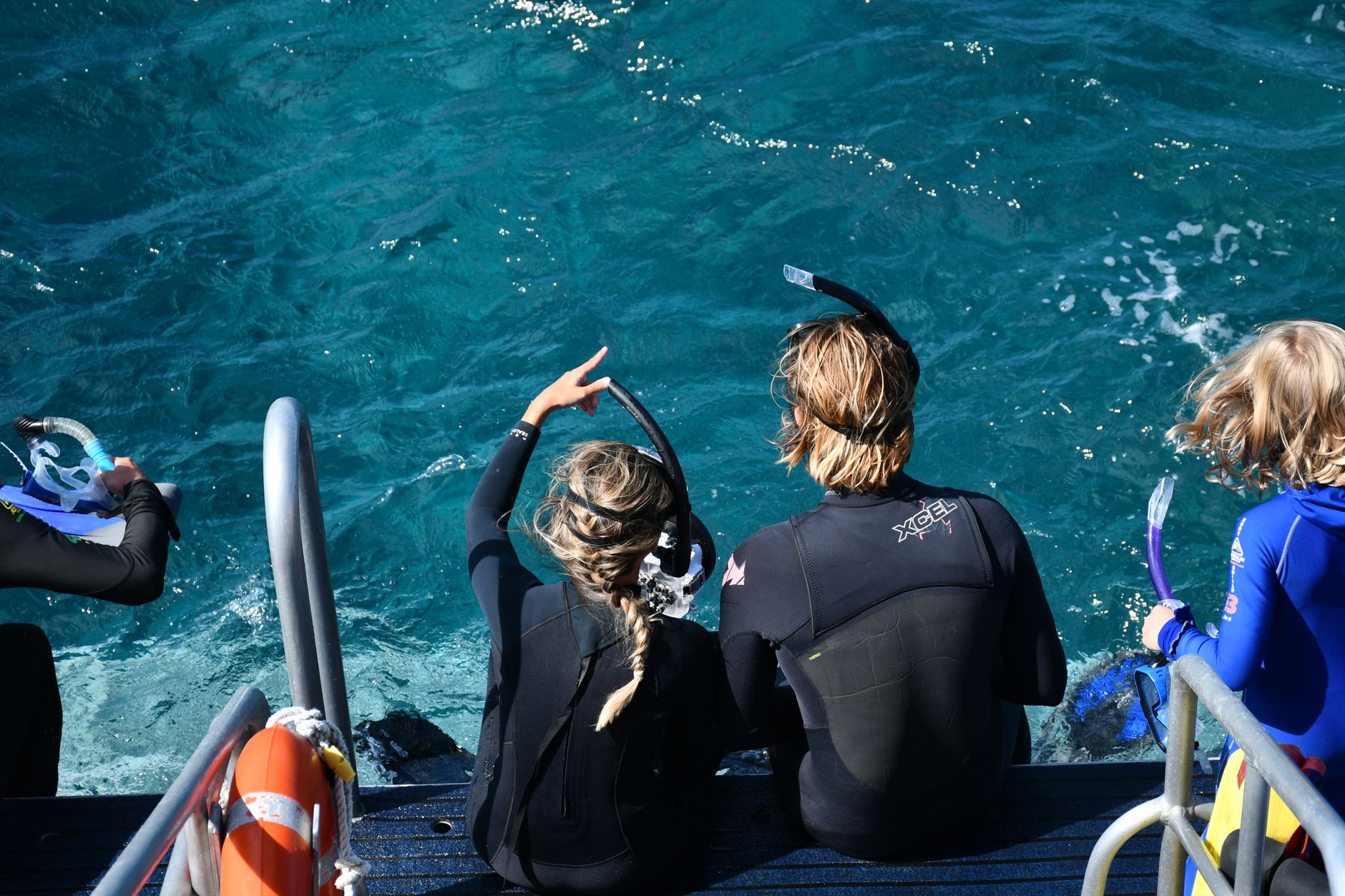
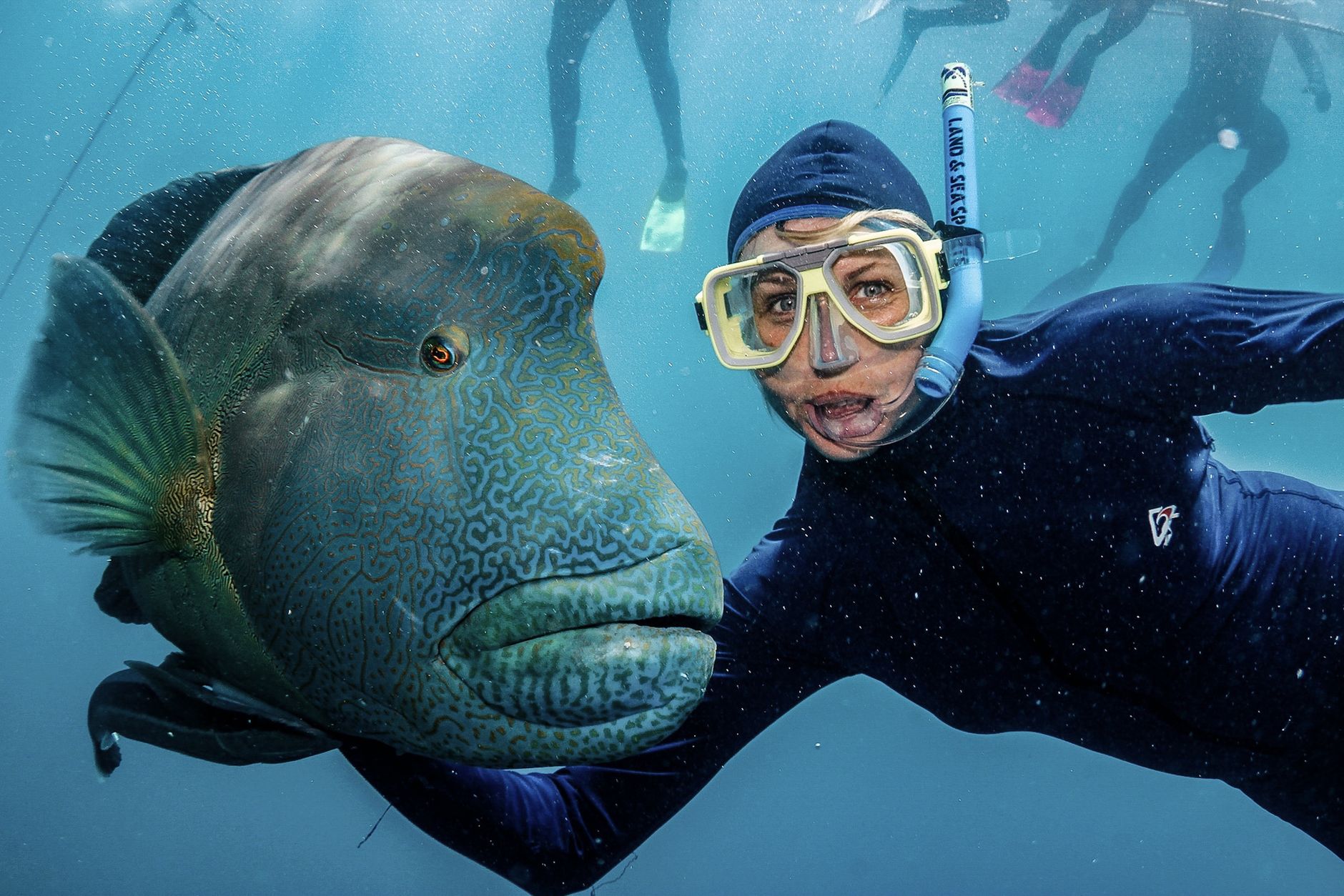
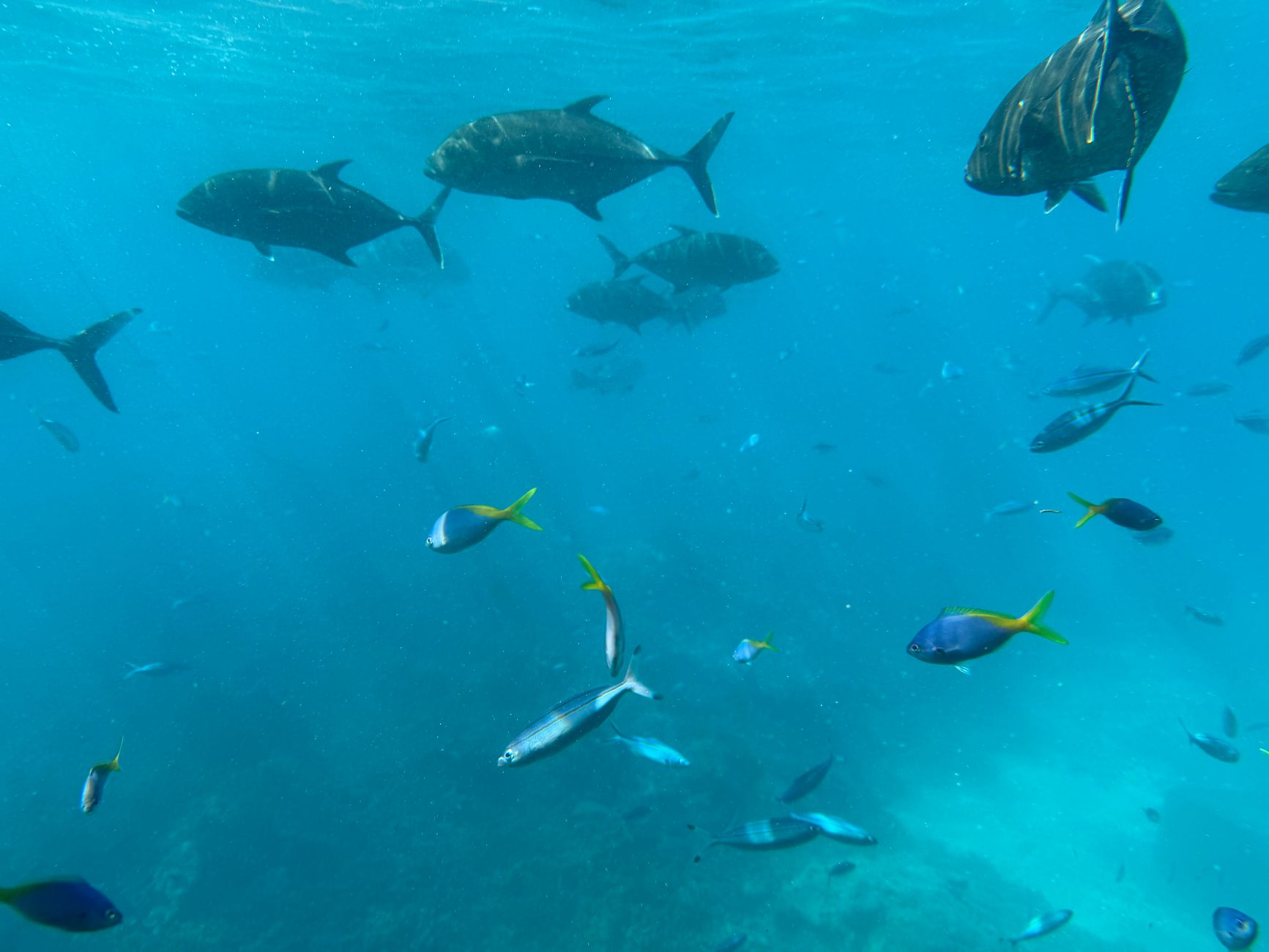
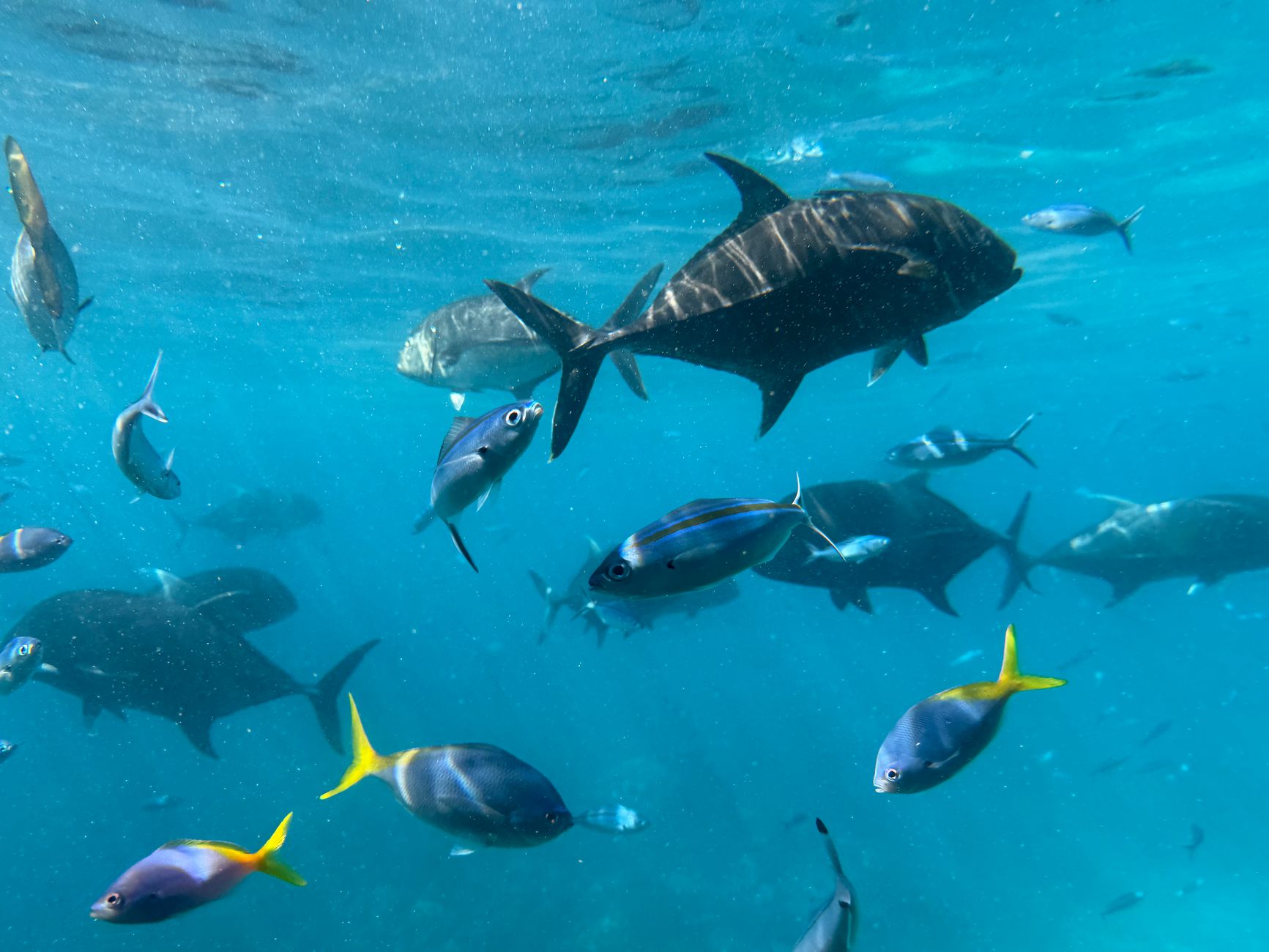
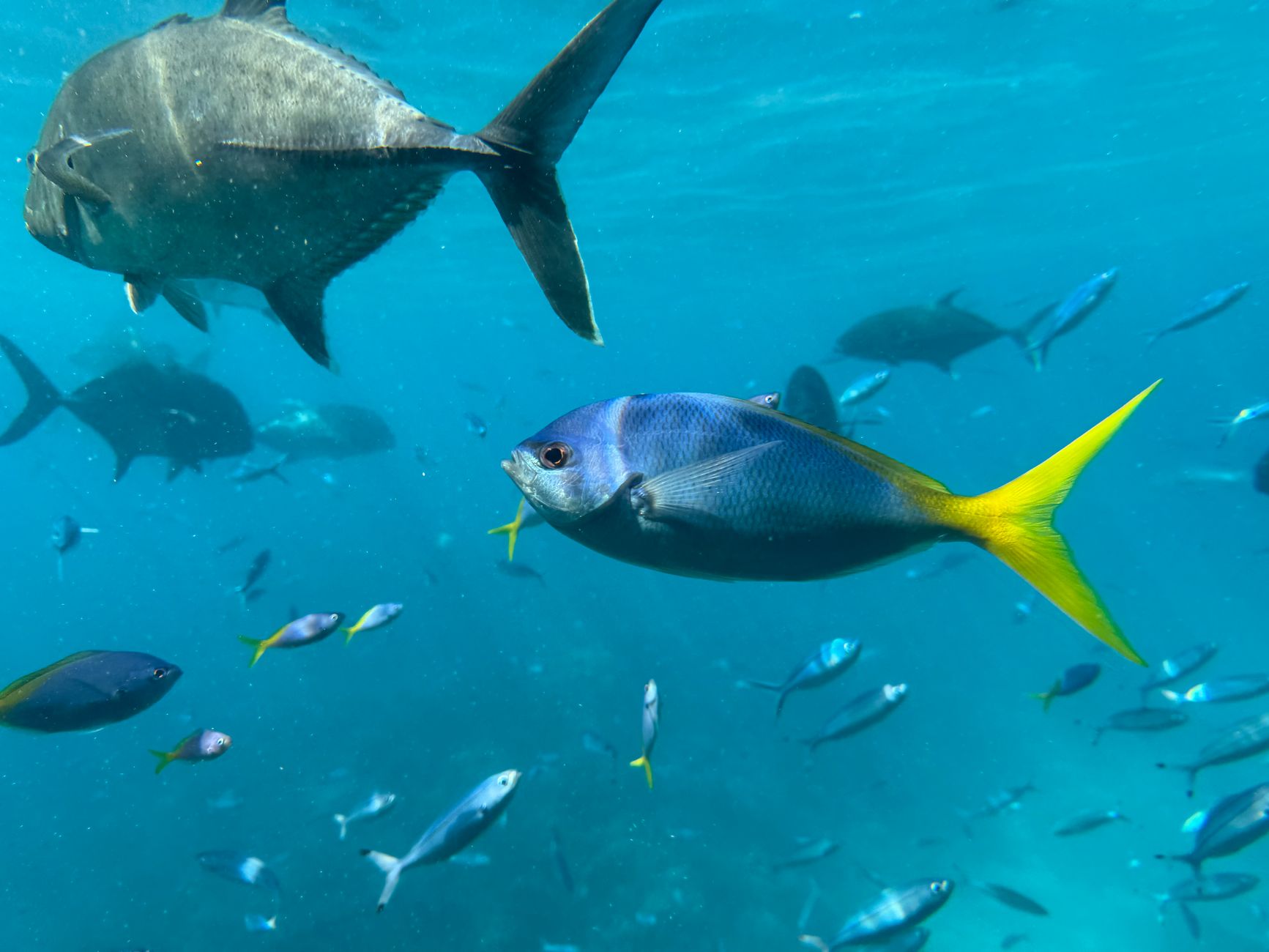
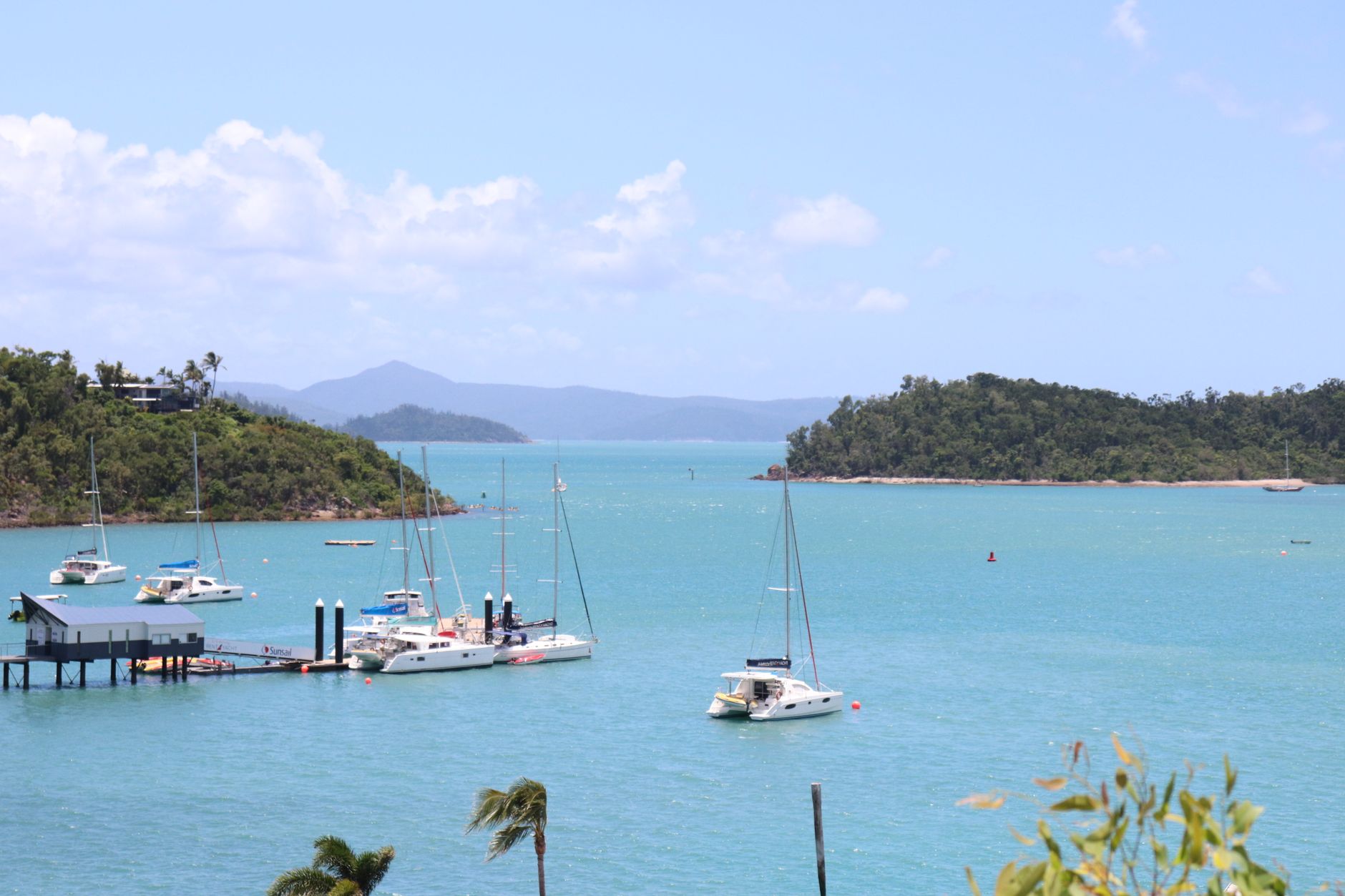
The Great Barrier Reef stretches more than 2,300 kilometres along Queensland's coast — a living structure so large it shows up on satellite imagery. What the photographs don't quite prepare you for is the scale of the individual reef itself: the way light bends through 20 metres of water onto coral formations that have been slowly rebuilding since the last ice age, when all of this was dry limestone plain.
More than 70 Traditional Owner groups have held custodial connections to this coast and its islands for over 60,000 years. The reef you're visiting is, in geological terms, relatively young — the current living structure is between 6,000 and 8,000 years old — and it is still changing.
Popular cities in Queensland (Great Barrier Reef), Australia
💛 What travellers fall for
People who return tend to pick a different access point each time. Cairns handles the crowds efficiently, but Port Douglas runs smaller boats to less-trafficked outer reefs. Repeat visitors often book Heron Island for at least two nights — the turtles come ashore regardless of whether a day-trip boat is anchored offshore.
How Queensland (Great Barrier Reef), Australia came to be
James Cook became the reef's most consequential European visitor not by design but by accident: on 11 June 1770, HMS Endeavour ran hard aground on a shoal south of what is now Cooktown and spent seven weeks there for repairs. Matthew Flinders gave the reef its name after mapping it in detail in 1802. Neither man grasped its full extent.
Tourism arrived slowly — Green Island near Cairns drew visitors around 1900, Heron Island added facilities in the 1930s — but the real influx came after jet travel made Queensland accessible in the 1970s. Judith Wright, along with David Fleay, Brian Clouston, and Kathleen McArthur of the Wildlife Preservation Society of Queensland, drove the campaign that led to the Great Barrier Reef Marine Park Act of 1975 and World Heritage listing in 1981.
Who and what shaped it
People who shaped it
Landmark buildings
See Queensland (Great Barrier Reef), Australia in motion
Plan your visit
On the map
When to go
The reef has two main seasons: the dry season (roughly May to October) brings calmer seas, clearer visibility, and cooler temperatures — this is when most visitors come. The wet season (November to April) brings heat, humidity, and the possibility of cyclones, though marine stinger risk in inshore waters is the more common concern for swimmers.
Right now
↡ Cities


Background & history adapted from Wikipedia (CC BY-SA) · specs from Wikidata (CC0) · weather from Open-Meteo · map data © OpenStreetMap contributors · photos from Wikimedia Commons / Unsplash with per-image credit. No third-party reviews or social posts reproduced.