
Mission Beach
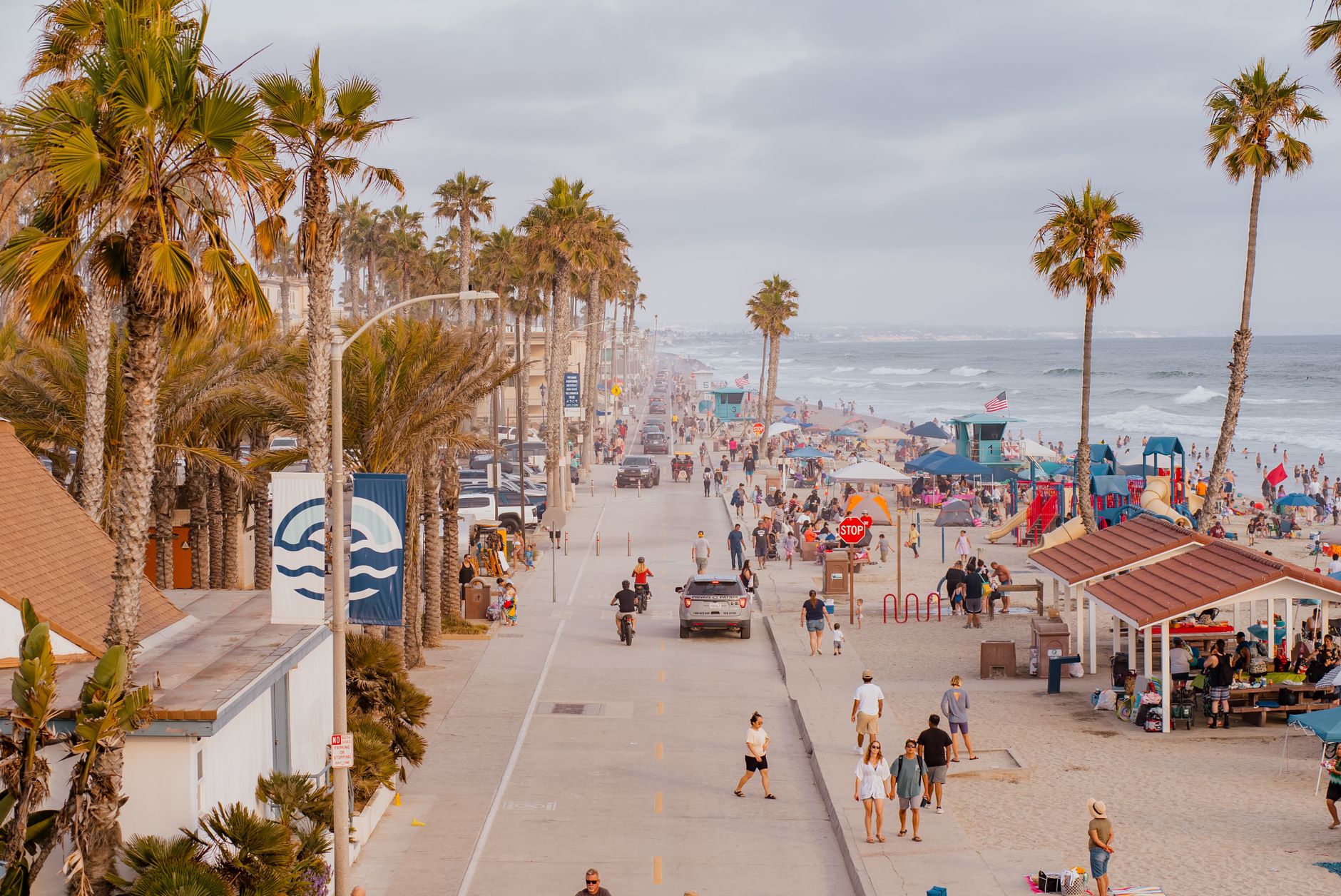
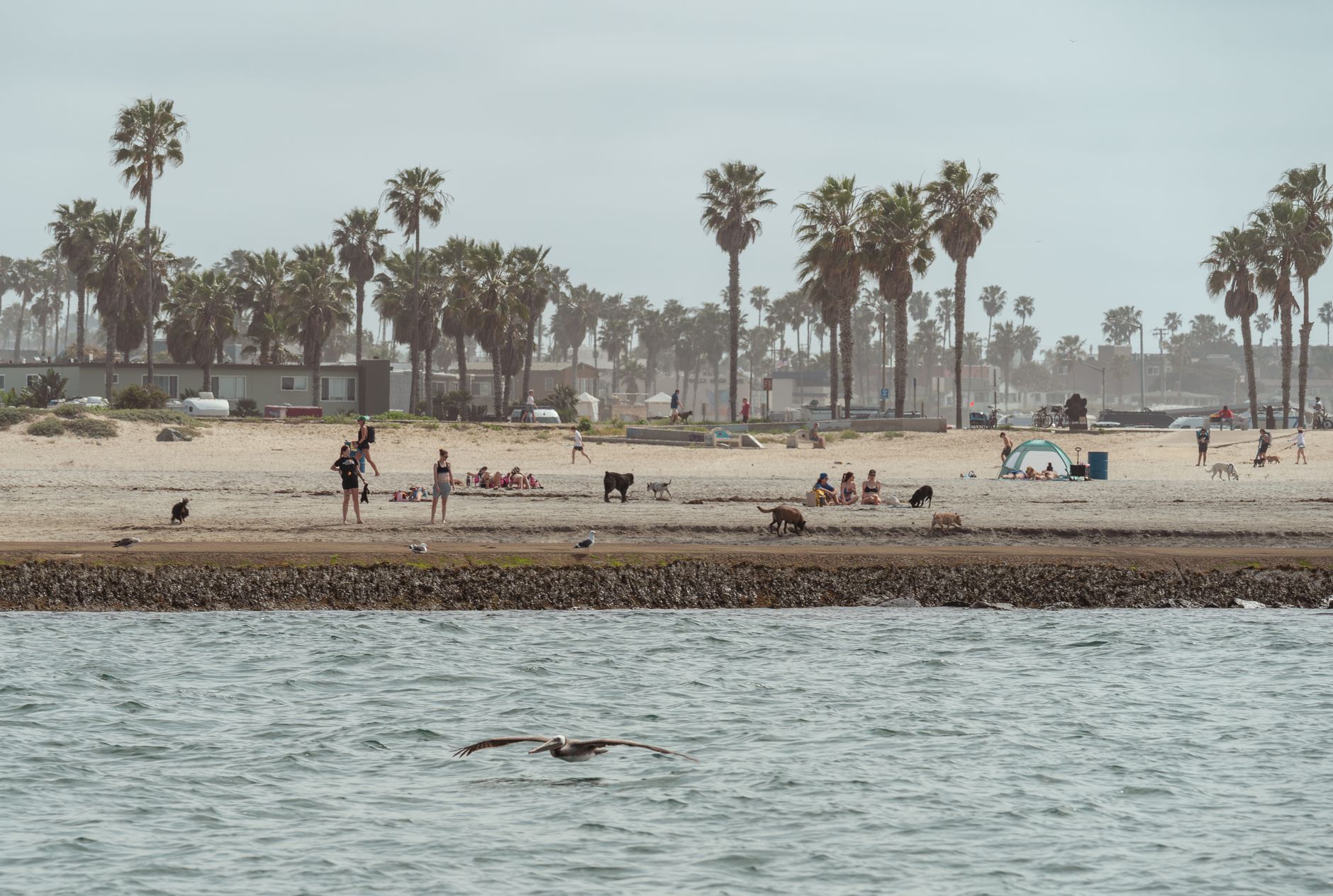
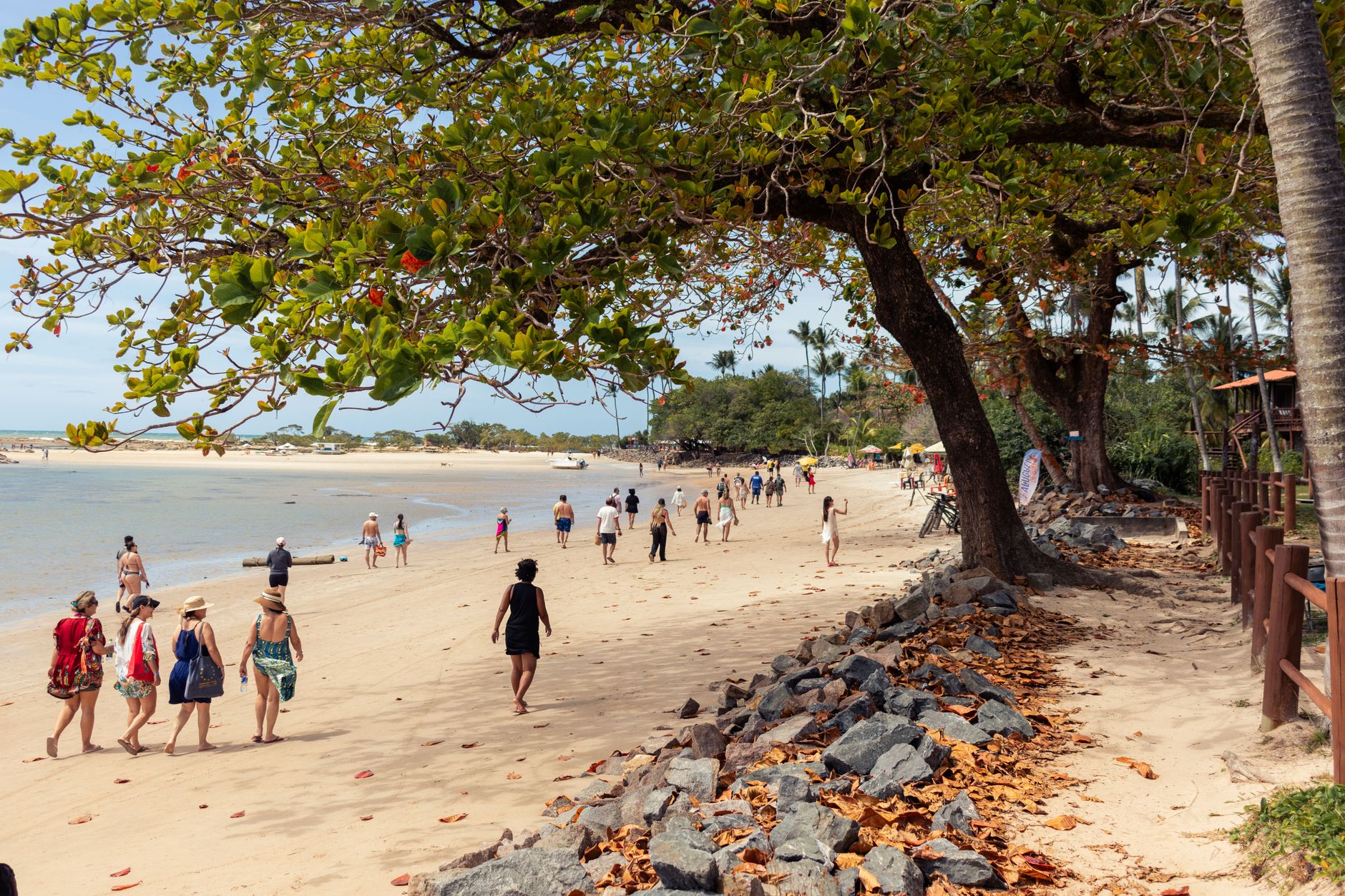
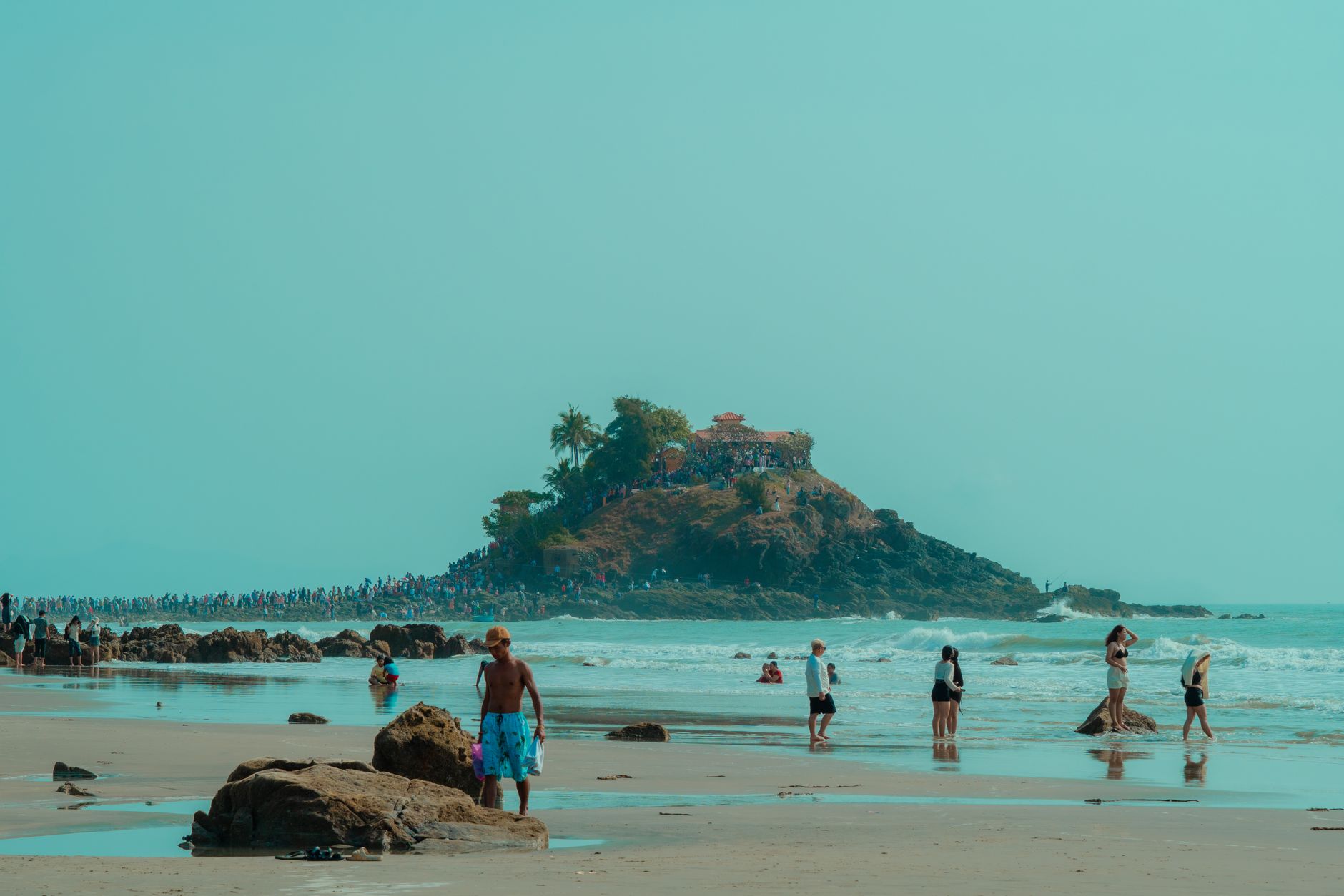
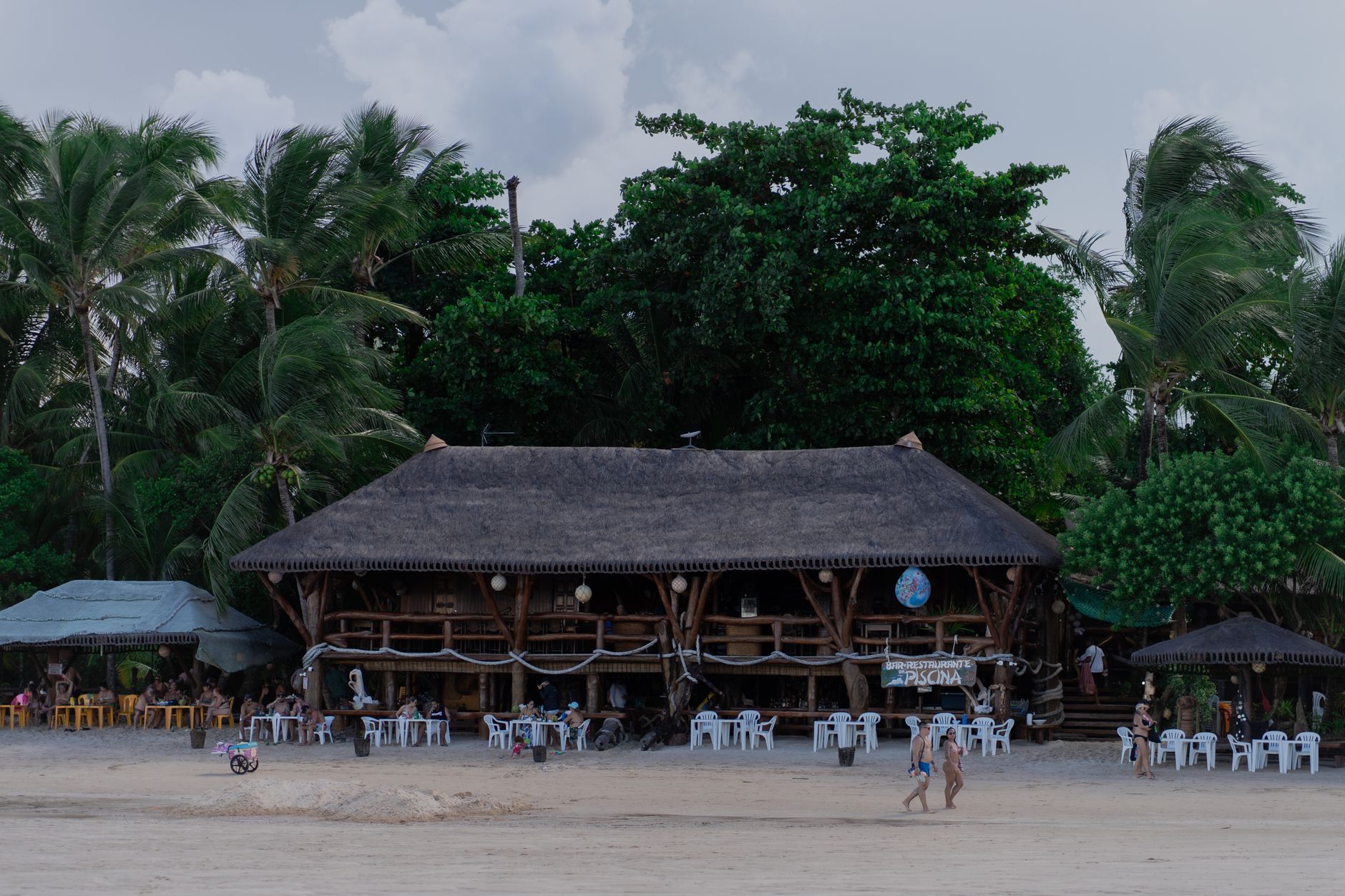
Thirteen kilometres of sand run from the village of Mission Beach down to Tam O'Shanter Point, and on most mornings you'll share it with almost no one — possibly a cassowary picking its way out of the rainforest that presses right to the dune line. That detail matters: this is one of the few places on earth where tropical reef, lowland rainforest and an endangered flightless bird occupy the same postcode.
Five small villages make up what locals collectively call Mission Beach — Bingil Bay, Mission Beach proper, Wongaling Beach, South Mission Beach, Carmoo — with a combined population under four thousand. Dunk Island sits a short water-taxi ride offshore. The pace here is set by tides and bird calls, not itineraries.
💛 What travellers fall for
People who come back tend to mention the same few things: arriving at Joey's on David Street early enough to get a patio table before the sun clears the palms, then spending an afternoon watching for cassowaries along Cassowary Drive rather than driving it. The Cassowary Festival each September draws the kind of crowd that actually knows what a cassowary eats.
Deals in Mission Beach
Book directly at the provider


How Mission Beach came to be
The Djiru people lived along this coast for at least five thousand years before the Cutten brothers arrived at Bingil Bay on April 1, 1882 — the first permanent white settlers in the area. Three decades later, on September 1, 1914, Superintendent John Martin Kenny arrived to establish the Hull River Aboriginal Settlement, clearing land and building three large houses on the hillside above the beach. Local people called it 'the mission,' and the beach took its name from that.
A cyclone in 1918 destroyed the settlement entirely. No rebuilding followed, and the Aboriginal residents were removed to Palm Island. The place largely slept until a post office opened in December 1949 and a state school in 1953. In the 1960s and early 1970s, conservationist John Büsst worked from his home at Ninney Rise in Bingil Bay to organise the campaigns that would eventually help protect both the Great Barrier Reef and the surrounding rainforest.
Who and what shaped it
People who shaped it
Landmark buildings
See Mission Beach in motion
Plan your visit
On the map
When to go
May through November is the window most visitors aim for — temperatures sit between 24 and 29°C, humidity drops, and the stinger nets come out of the water in autumn. The wet season, November through April, brings heavy rain, cyclone risk, and February averages that can top 400 mm in a single month.
Right now
Background & history adapted from Wikipedia (CC BY-SA) · specs from Wikidata (CC0) · weather from Open-Meteo · map data © OpenStreetMap contributors · photos from Wikimedia Commons / Unsplash with per-image credit. No third-party reviews or social posts reproduced.