
Proserpine
The chimneys of the Proserpine Sugar Mill rise above the cane flats before you've properly arrived, a blunt landmark that tells you exactly what this town is about. Proserpine is a working place — the kind that most travellers pass through on the way to Airlie Beach — but that's reason enough to slow down rather than accelerate.
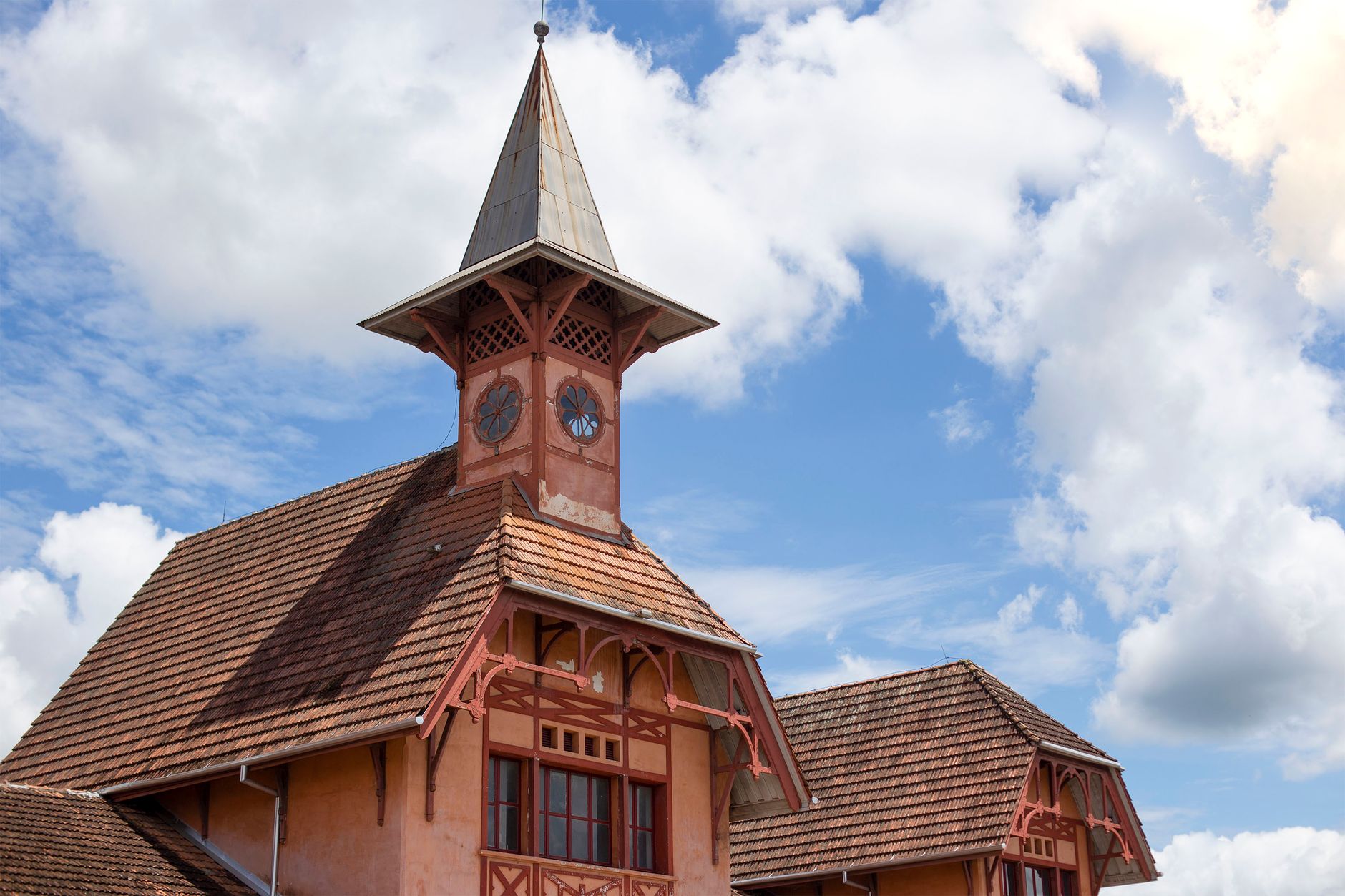
The mill has been grinding since 1897, and the Art Deco shopfronts along Main Street carry the quiet confidence of a town that built itself on sugar and cattle and stayed. St Paul's Anglican Church, with its laminated timber arches curving into a parabolic roof, is the kind of building that stops you mid-stride.
💛 What travellers fall for
Regulars tend to mention the same few things: drive out to Cedar Creek Falls after a decent rain, when the water is actually running. Check the museum on Main Street for the Billy Sing material — the Gallipoli sniper connection surprises most people. And time your visit to catch the Sugar Shed markets if you can.
Deals in Proserpine
Book directly at the provider

How Proserpine came to be
The town takes its name from the Proserpine River, which was itself named — possibly by George Elphinstone Dalrymple during his 1859 explorations, though later research casts doubt on this — after the Roman name for the Greek goddess Persephone. A pastoral run called Proserpine Creek appeared in 1861, and the name stuck to the land before it stuck to any settlement.
Sugar arrived seriously in 1882 when the Glen Isla cattle run was converted to a plantation, and though the Crystalbrook Sugar Company folded within a few seasons, a second mill opened in 1897 and this time it held. Independent farmers supplied cane; a tramway connected the mill to a river wharf. By 1910 the town had roughly a thousand people and its own shire. A rail link to Mackay and Brisbane followed in 1923, and the airport opened in 1950 to serve the growing Whitsunday tourism trade. In March 2017, Cyclone Debbie caused extensive damage — a reminder that the wet season here is not merely a weather pattern but a periodic reckoning.
Who and what shaped it
People who shaped it
Landmark buildings
See Proserpine in motion
Plan your visit
On the map
When to go
Winters are dry and genuinely pleasant, making May through September the most comfortable window to visit. The wet season from December to March brings heavy rain and the real possibility of tropical cyclones — Debbie in 2017 was a serious one.
Right now
Background & history adapted from Wikipedia (CC BY-SA) · specs from Wikidata (CC0) · weather from Open-Meteo · map data © OpenStreetMap contributors · photos from Wikimedia Commons / Unsplash with per-image credit. No third-party reviews or social posts reproduced.