
Stockholm
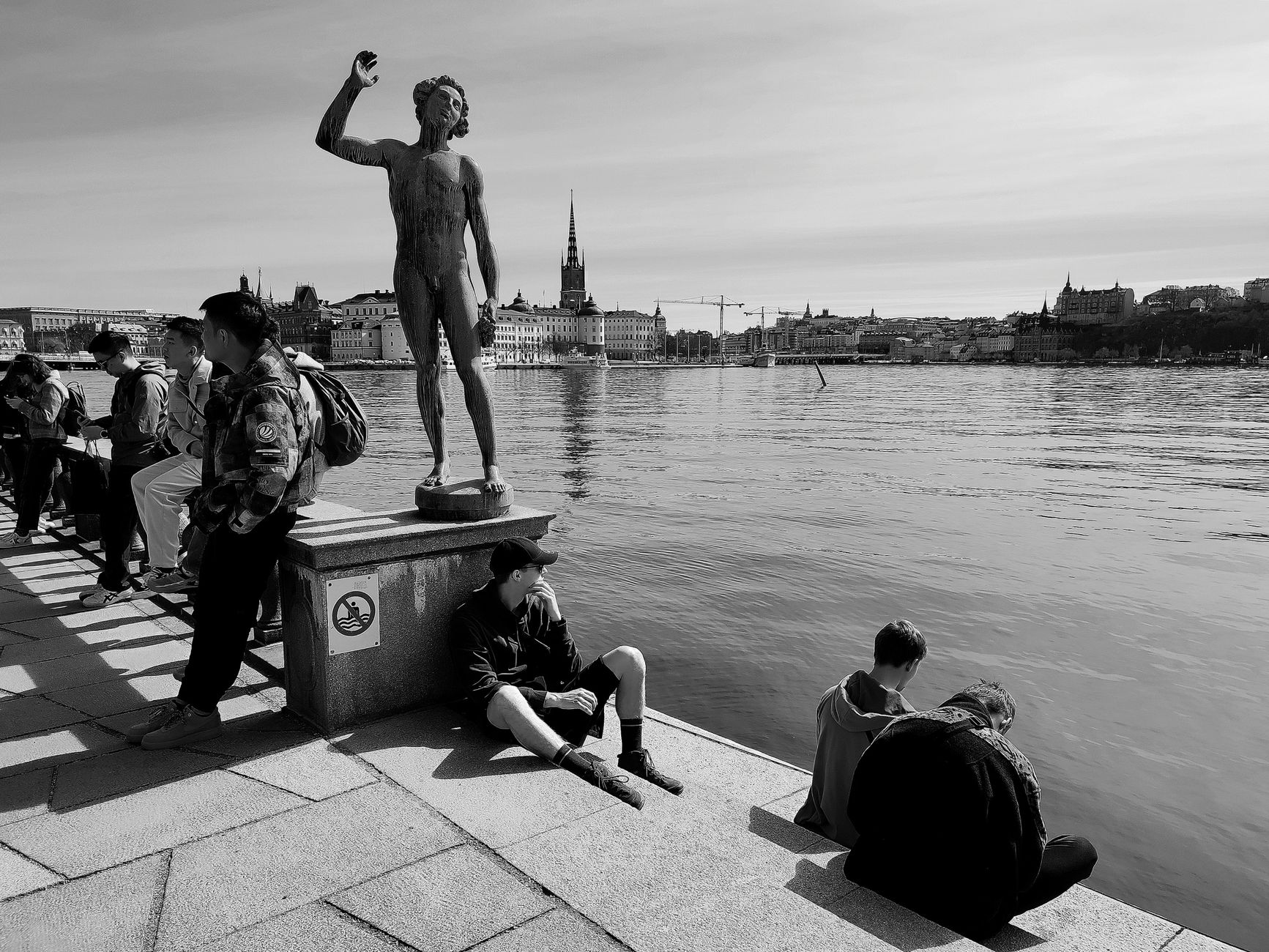
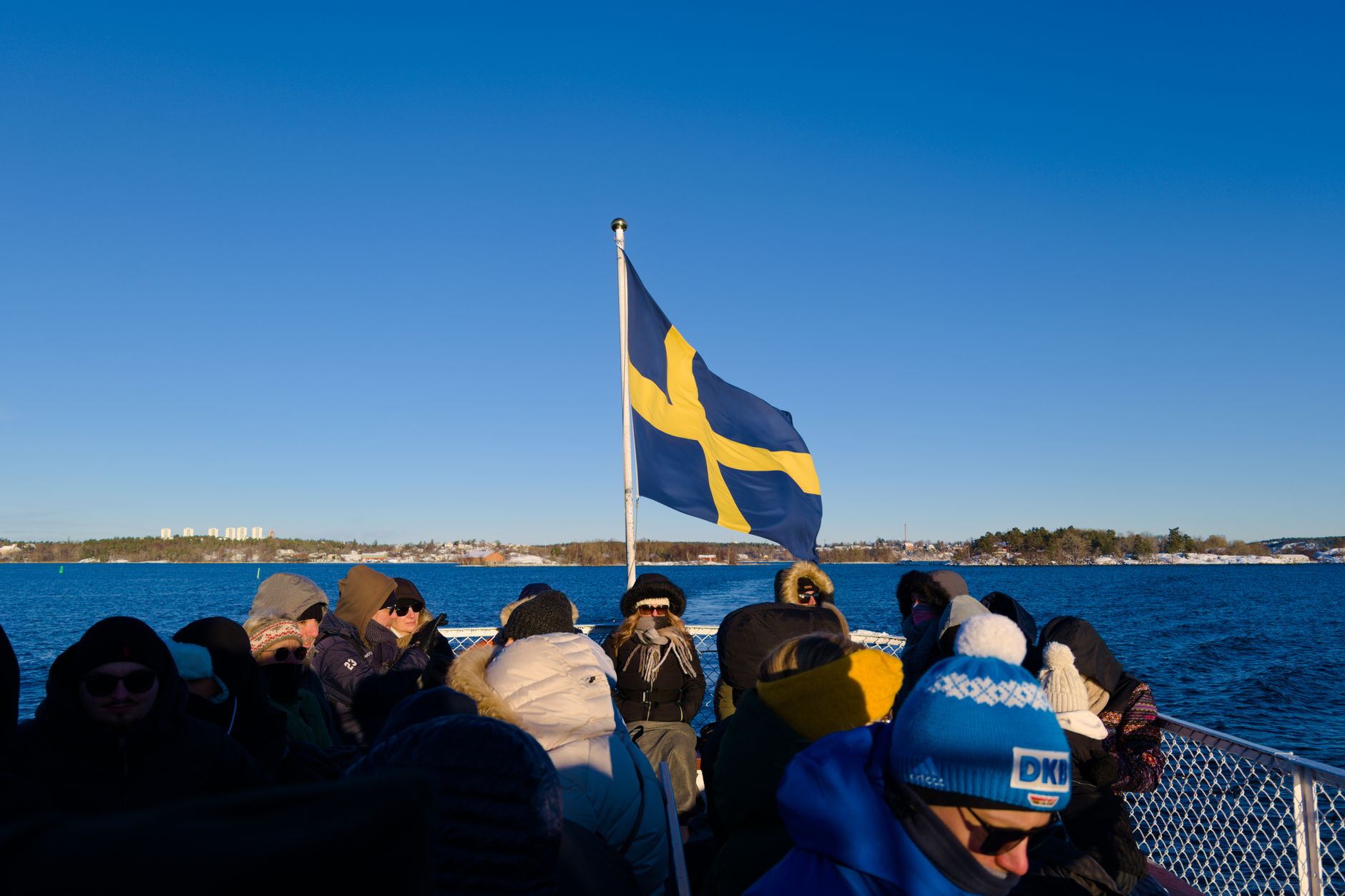
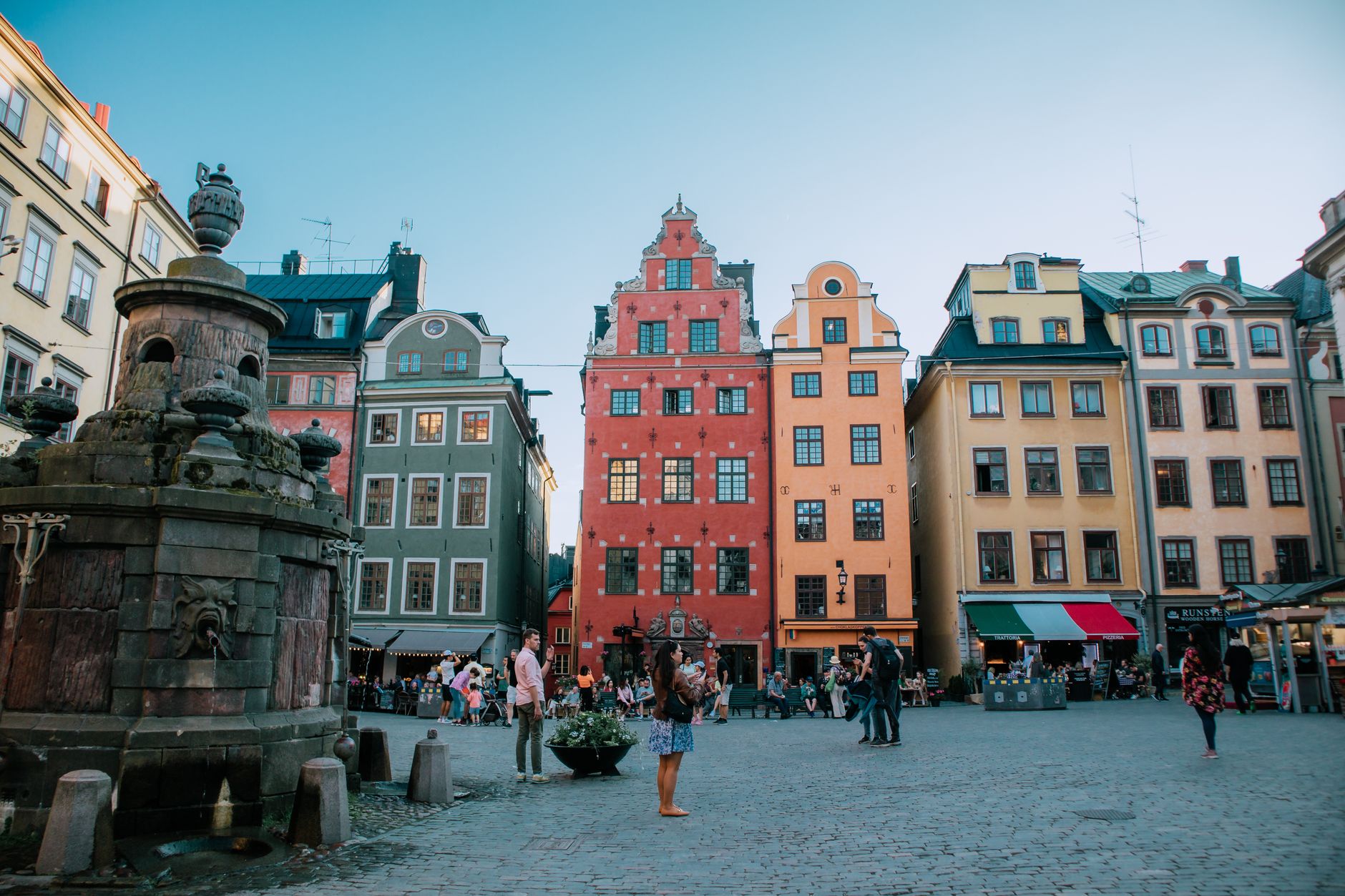
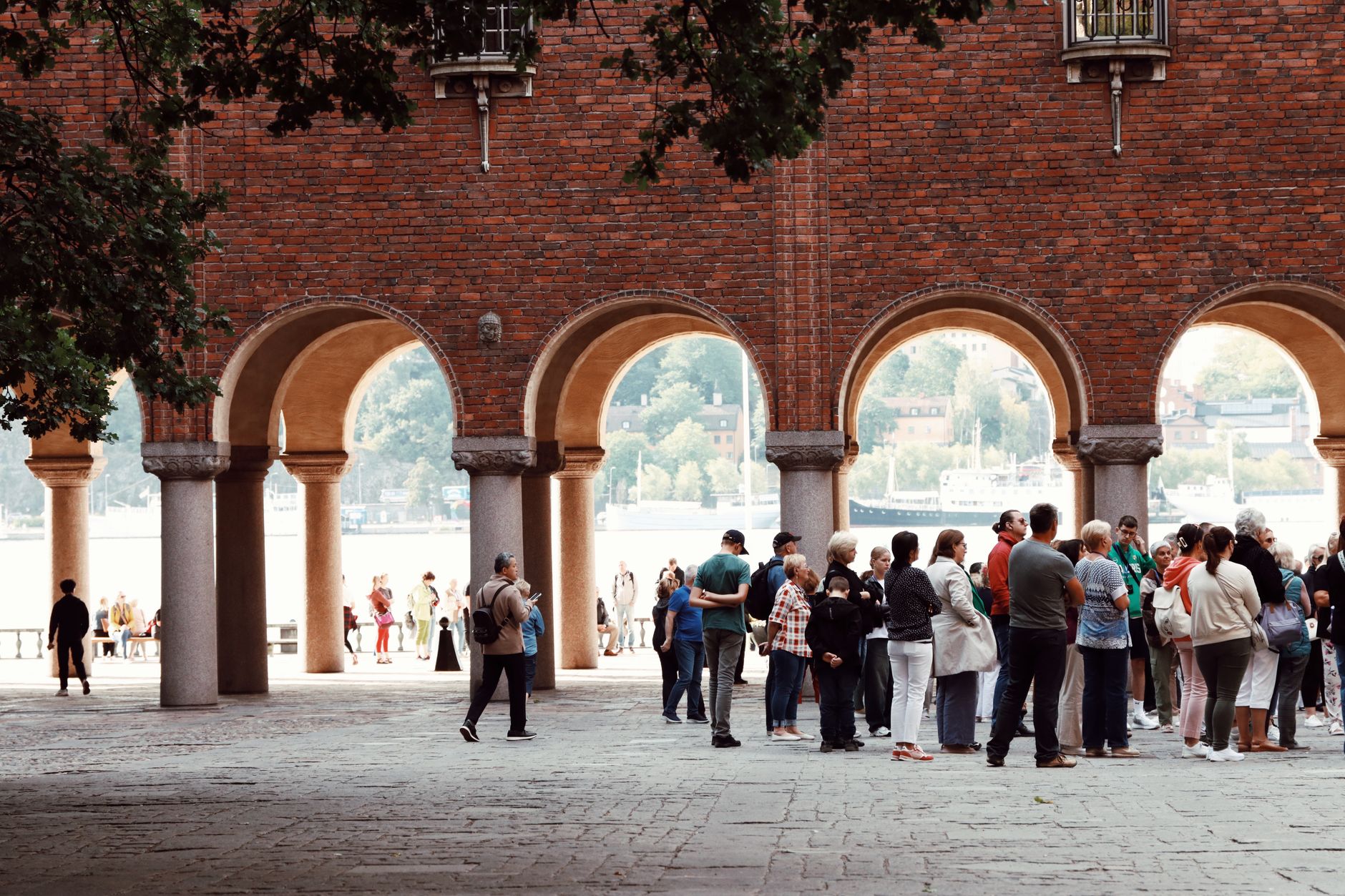
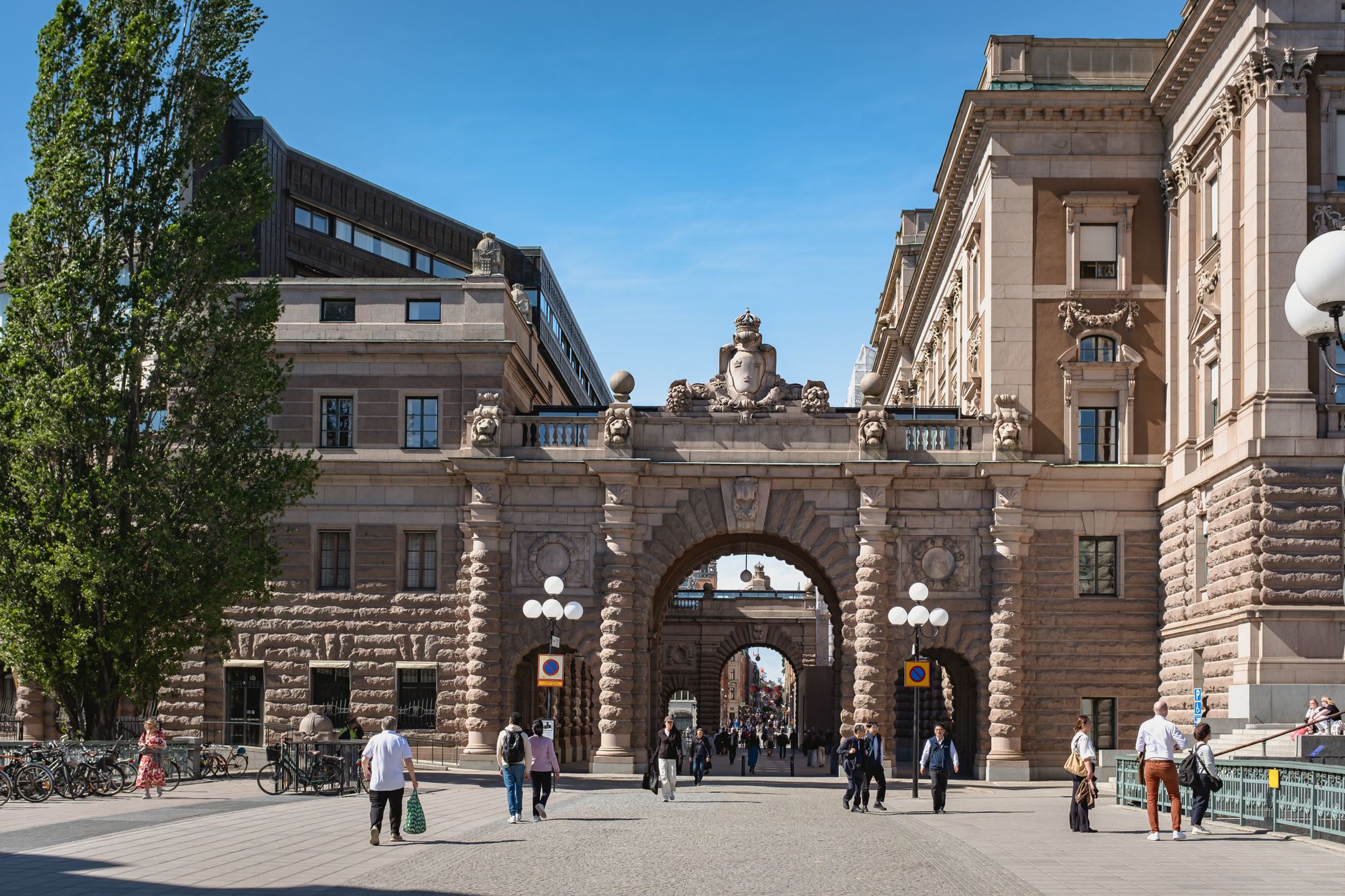
Stockholm is built on fourteen islands where Lake Mälaren meets the Baltic, and the water is never far — you catch it at the end of streets, beneath bridges, reflected in the windows of centuries-old buildings on Gamla Stan. The city has been accumulating its layers since 1252, when Birger Jarl raised a fortress on a small central island, and those layers sit close to the surface: medieval alleyways a short walk from a metro system that doubles as a public art gallery spanning more than 90 stations.
What distinguishes Stockholm from other European capitals is a certain quality of light and space. The city doesn't crowd in on itself. Even in the older districts, there's sky.
💛 What travellers fall for
People who return tend to have a metro station they swear by — Kungsträdgården on the Blue Line is the one most often mentioned, its platform walls carved to look like a ruined garden. They also learn quickly to buy an SL multi-day pass through the app; the ticket machines were phased out in 2022 and the turnstiles with card readers can queue badly in rush hour.
Deals in Stockholm
Book directly at the provider


How Stockholm came to be
Birger Jarl's 1252 fortress on Stadsholmen island grew into a trading settlement, then a city, then — by 1634 — the official capital of the Kingdom of Sweden. The road there was not smooth. In 1520, Danish King Christian II ordered the Stockholm Bloodbath, a mass execution of Swedish nobility that effectively ended Scandinavian union politics; three years later, Gustav Vasa drove out Danish rule and Sweden went its own way.
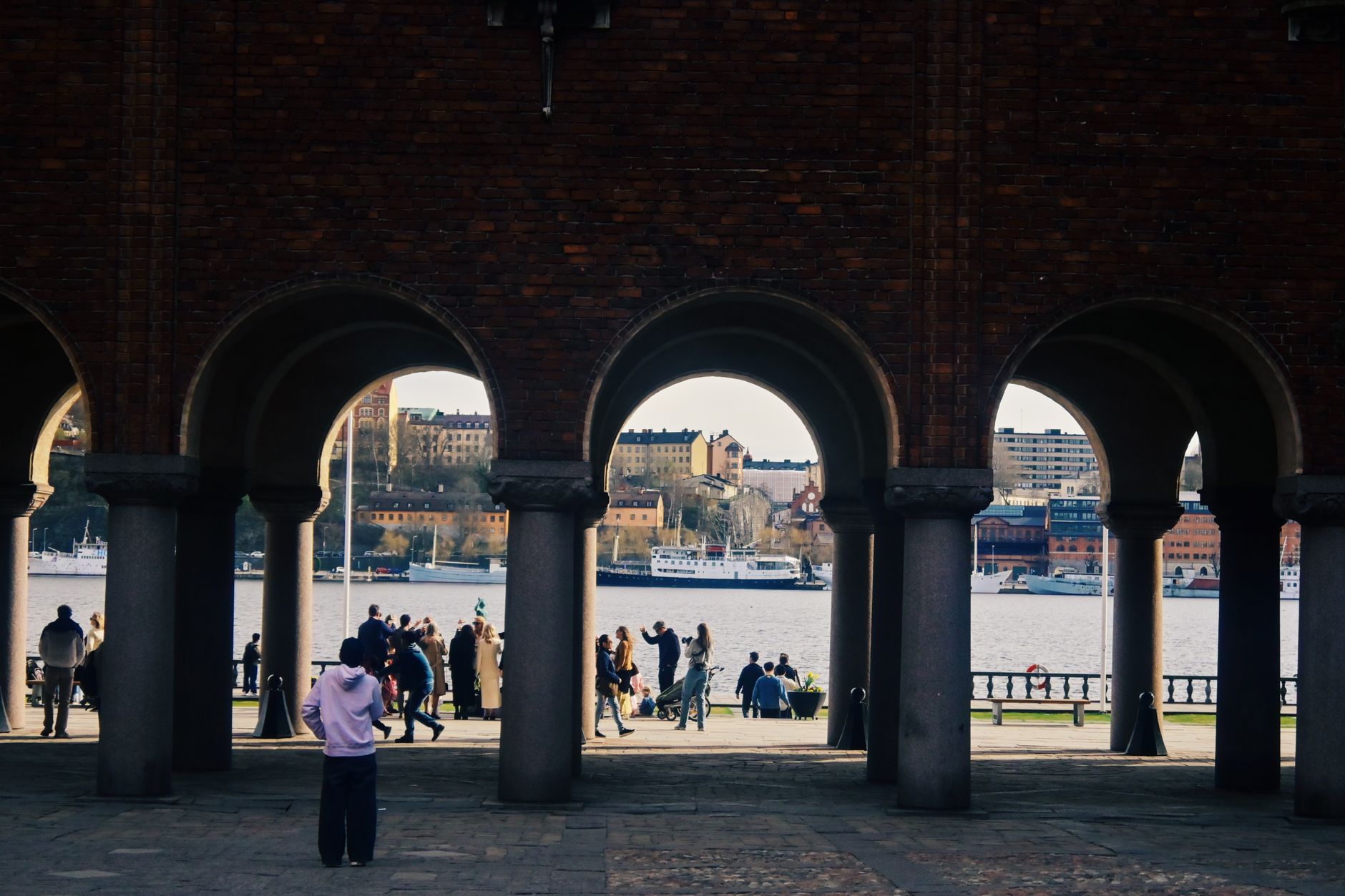
The 17th century brought a different kind of ambition. Queen Christina, reigning from Stockholm, drew European scholars and artists to the city — René Descartes among them — in a deliberate attempt to make it a northern centre of learning. Alfred Nobel was born here in 1833; the Nobel Prize banquet has been held in Stockholm City Hall every year since the hall's completion in 1923.
Who and what shaped it
People who shaped it
Landmark buildings
See Stockholm in motion
Plan your visit
On the map
When to go
Summers run long and mild, with late evening light well into June and July — the city is genuinely pleasant from May through August. Winters are cold and short on daylight: December averages just over six hours of light per day, with temperatures hovering around freezing, and the sun sets before 3 pm around the solstice.
Right now
Background & history adapted from Wikipedia (CC BY-SA) · specs from Wikidata (CC0) · weather from Open-Meteo · map data © OpenStreetMap contributors · photos from Wikimedia Commons / Unsplash with per-image credit. No third-party reviews or social posts reproduced.