
Port Vila
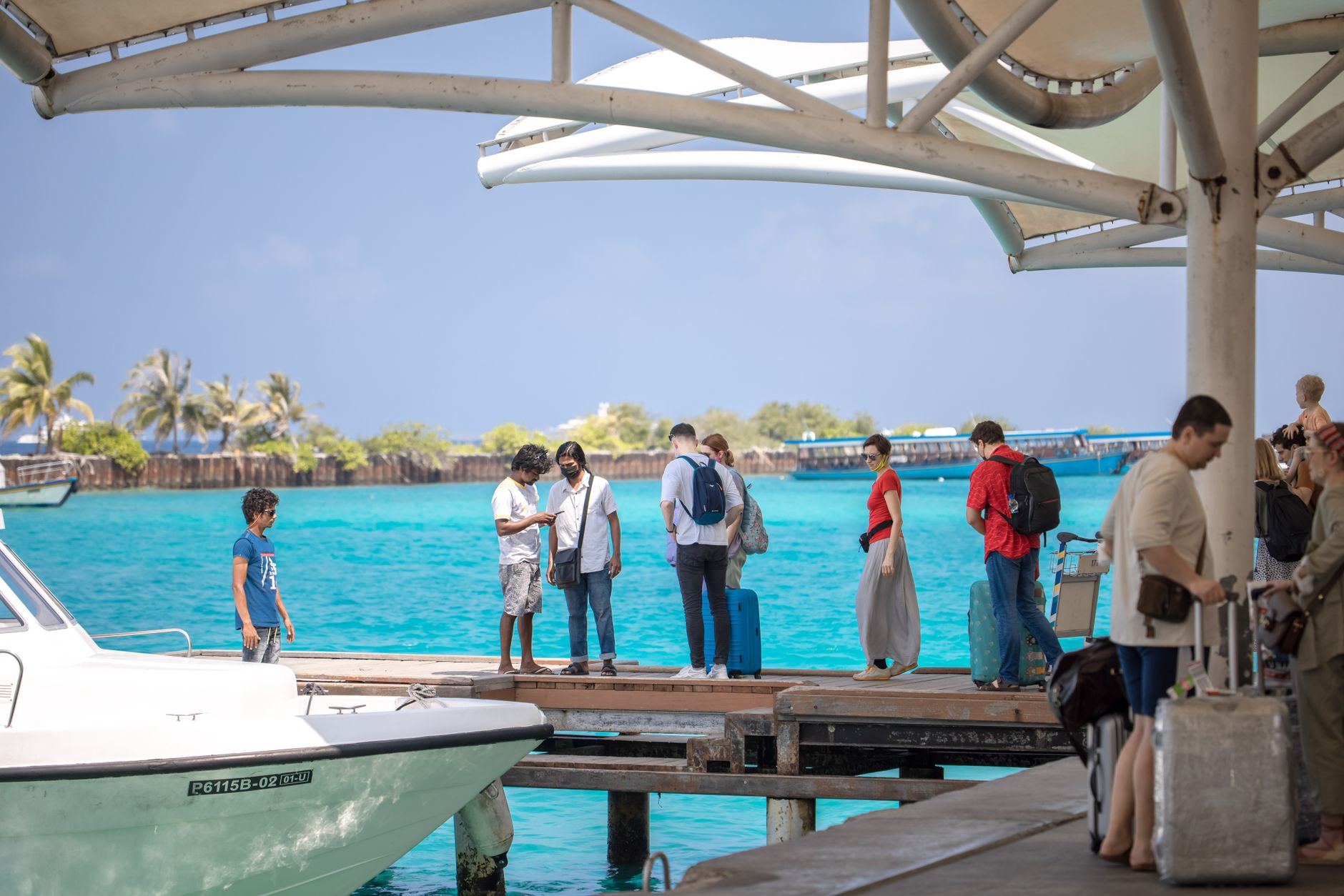
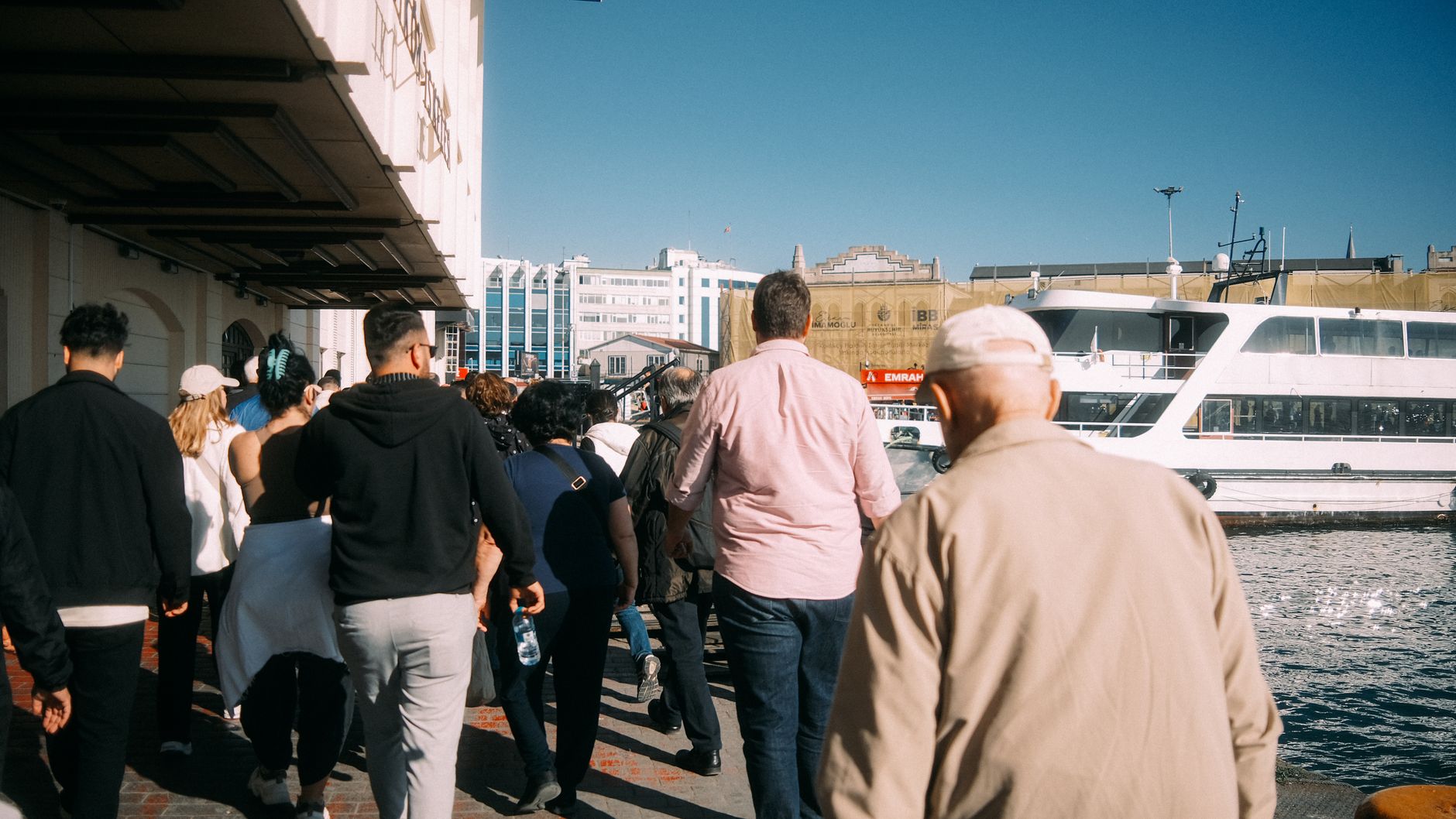
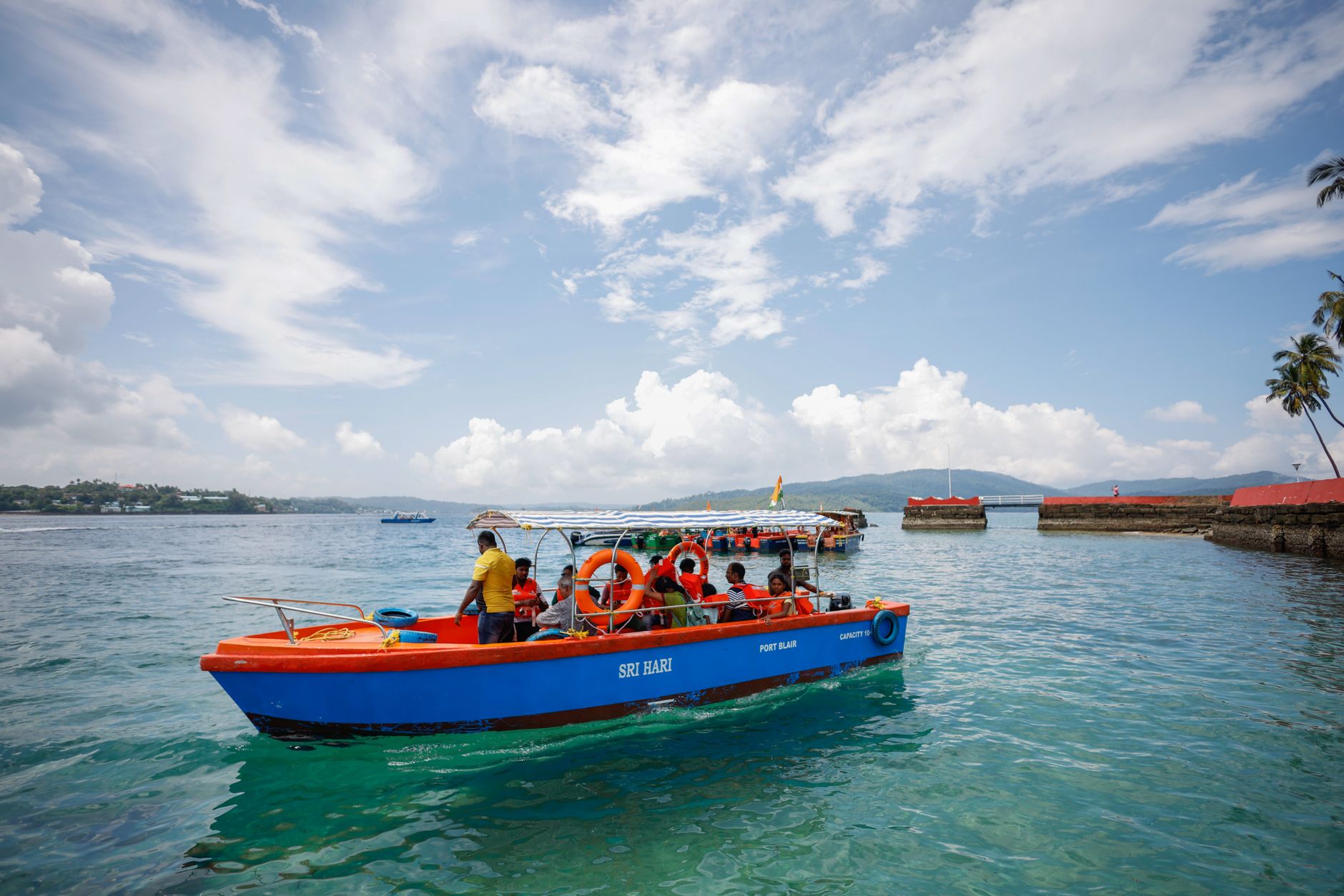
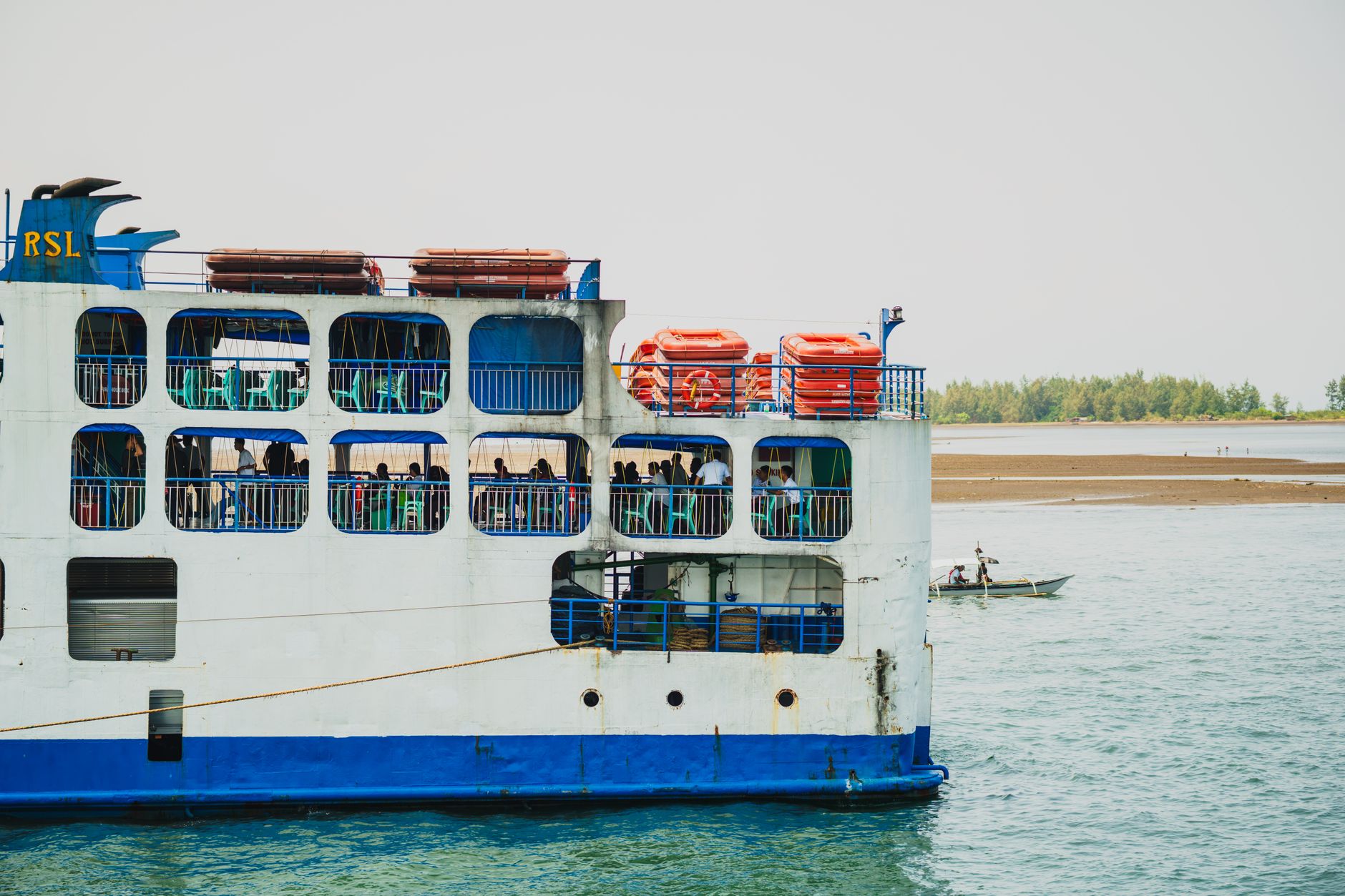
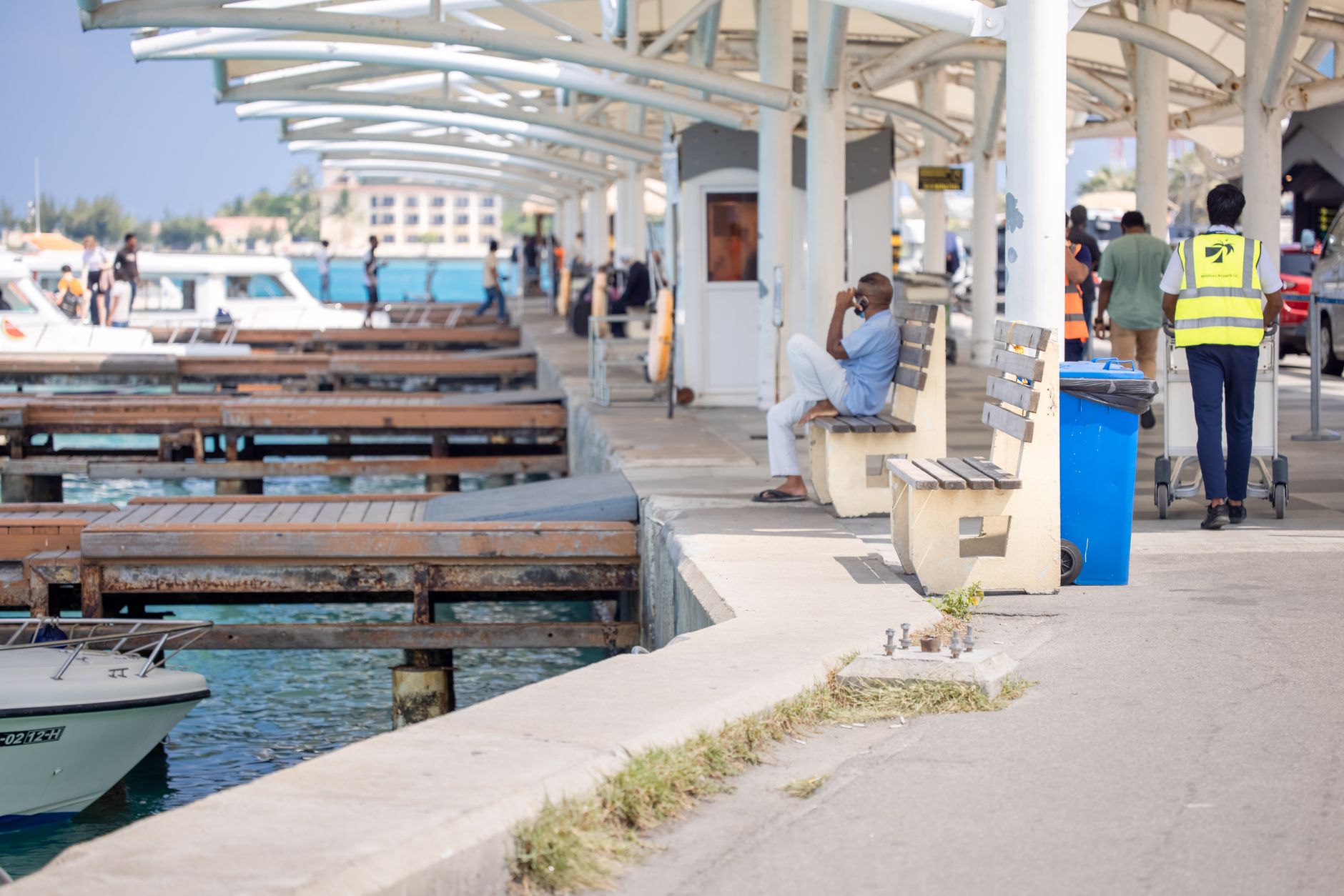
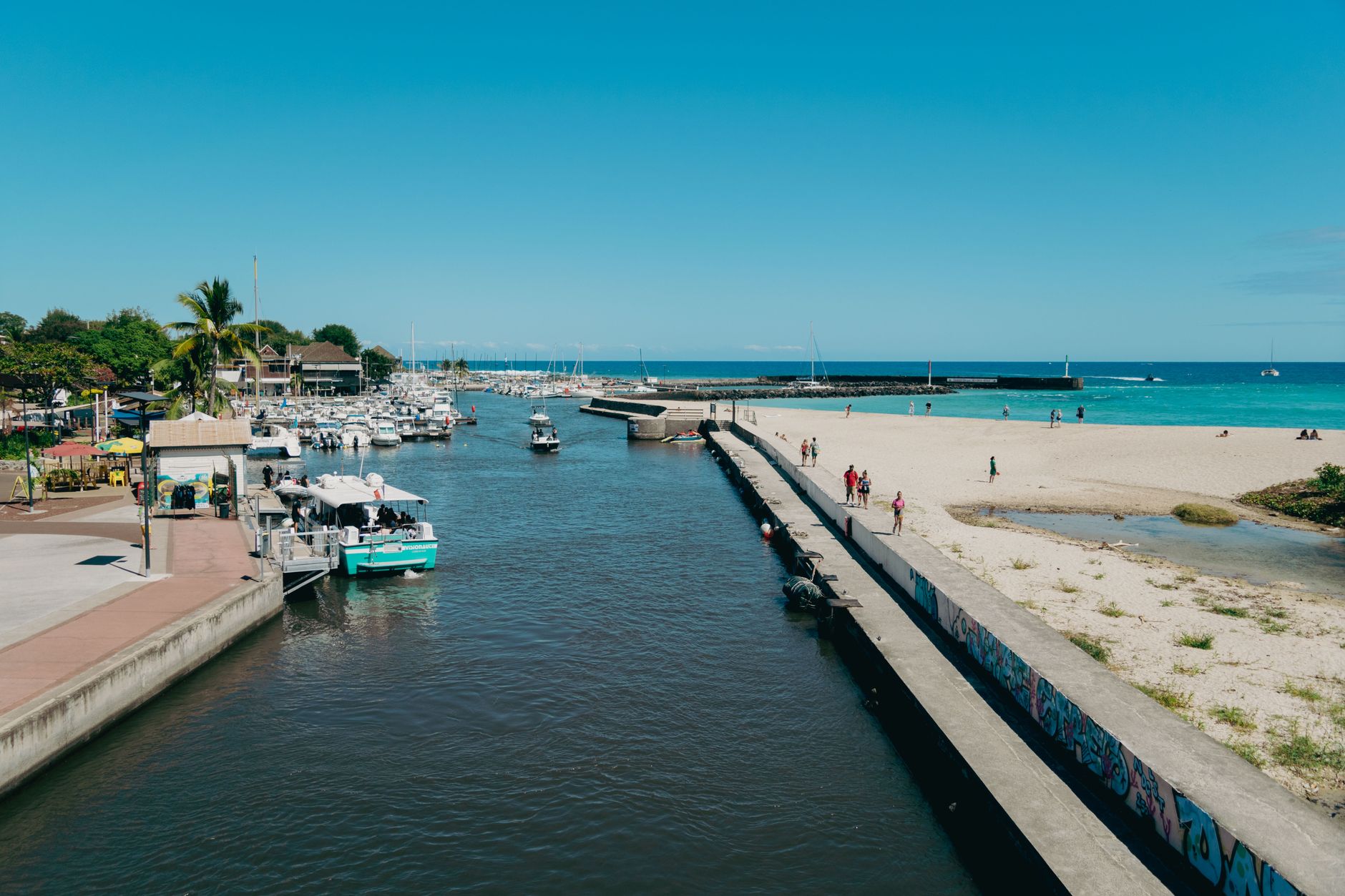
Port Vila sits on a natural harbour on Efate Island, small enough to walk end to end in half an hour, large enough to contain a colonial tangle of French and British ghosts, a weekly ferry north to Santo, and a waterfront market where fresh coconut crabs arrive before dawn. The water is the first thing you notice — Erakor Lagoon south of town, Iririki Island a short boat-ride from the esplanade, Hideaway Island barely a hundred metres offshore from Mele Beach. This is a capital city where the sea is always visible and usually within swimming distance.
Vanuatu's independence in 1980 shaped everything here: the language policy, the land tenure, the way the National Museum treats tamtam drums and outrigger canoes as living culture rather than archive. The December 2024 earthquake left marks on the city that are still being worked through, but Port Vila has been rebuilt before.
💛 What travellers fall for
People who return tend to organise a morning around the National Museum before the cruise-day crowds arrive, then head out to Mele Cascades in the afternoon when the light hits those aquamarine pools at the right angle. The red-B minivans are perfectly good for both trips — 150 vatu a ride, exact change appreciated.
Deals in Port Vila
Book directly at the provider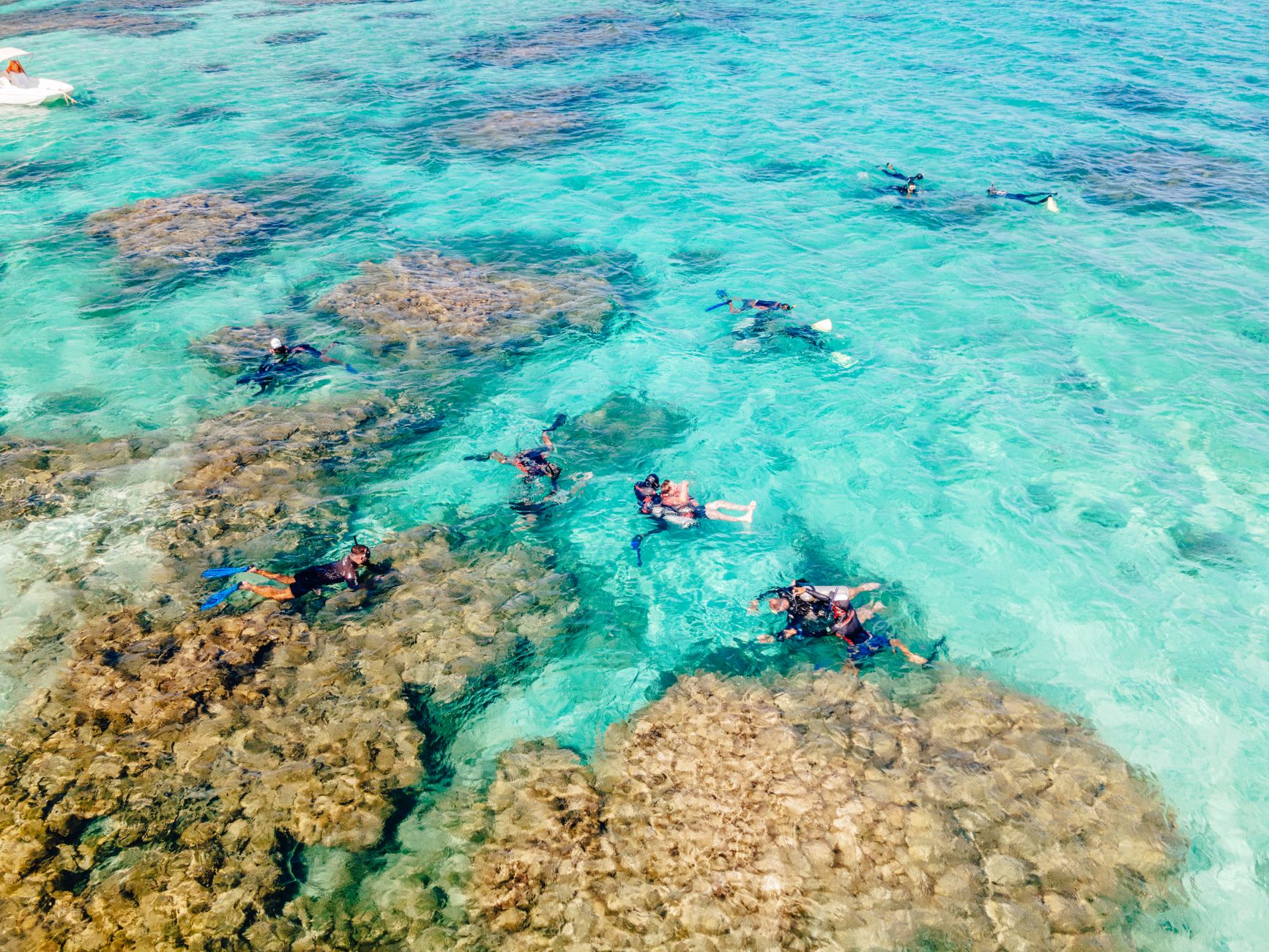


How Port Vila came to be
The settlement now called Port Vila shifted here from Havannah in the 1880s, partly fleeing malaria and coastal flooding. By 1882 it had become a commercial hub, and in 1889 a short-lived commune called Franceville declared itself independent — granting universal suffrage regardless of race or gender, an early and largely forgotten experiment. The Anglo-French Condominium formalised Vila as its joint capital in 1906, producing the administrative oddity of two parallel colonial systems sharing one small town.
American forces used Port Vila as a Pacific base during World War II; the airfield they built became Bauerfield International. Independence came in July 1980, driven in large part by Walter Lini, an Anglican priest who had founded what became the Vanuatu'aku Pati a decade earlier and went on to serve as prime minister. The 1970s tax-haven status brought a construction boom that reshaped the waterfront. Cyclone Pam tore through in March 2015; the magnitude-7.3 earthquake of December 2024 damaged nearly every building in the city and killed sixteen people.
Who and what shaped it
People who shaped it
Landmark buildings
See Port Vila in motion
Plan your visit
On the map
When to go
Port Vila sits in a tropical rainforest climate moderated by trade winds, with around 2,340 mm of rain a year — most of it falling between November and April, which is also cyclone season. May through October is drier, cooler, and generally the more comfortable time to be here.
Right now
Background & history adapted from Wikipedia (CC BY-SA) · specs from Wikidata (CC0) · weather from Open-Meteo · map data © OpenStreetMap contributors · photos from Wikimedia Commons / Unsplash with per-image credit. No third-party reviews or social posts reproduced.