
Luganville
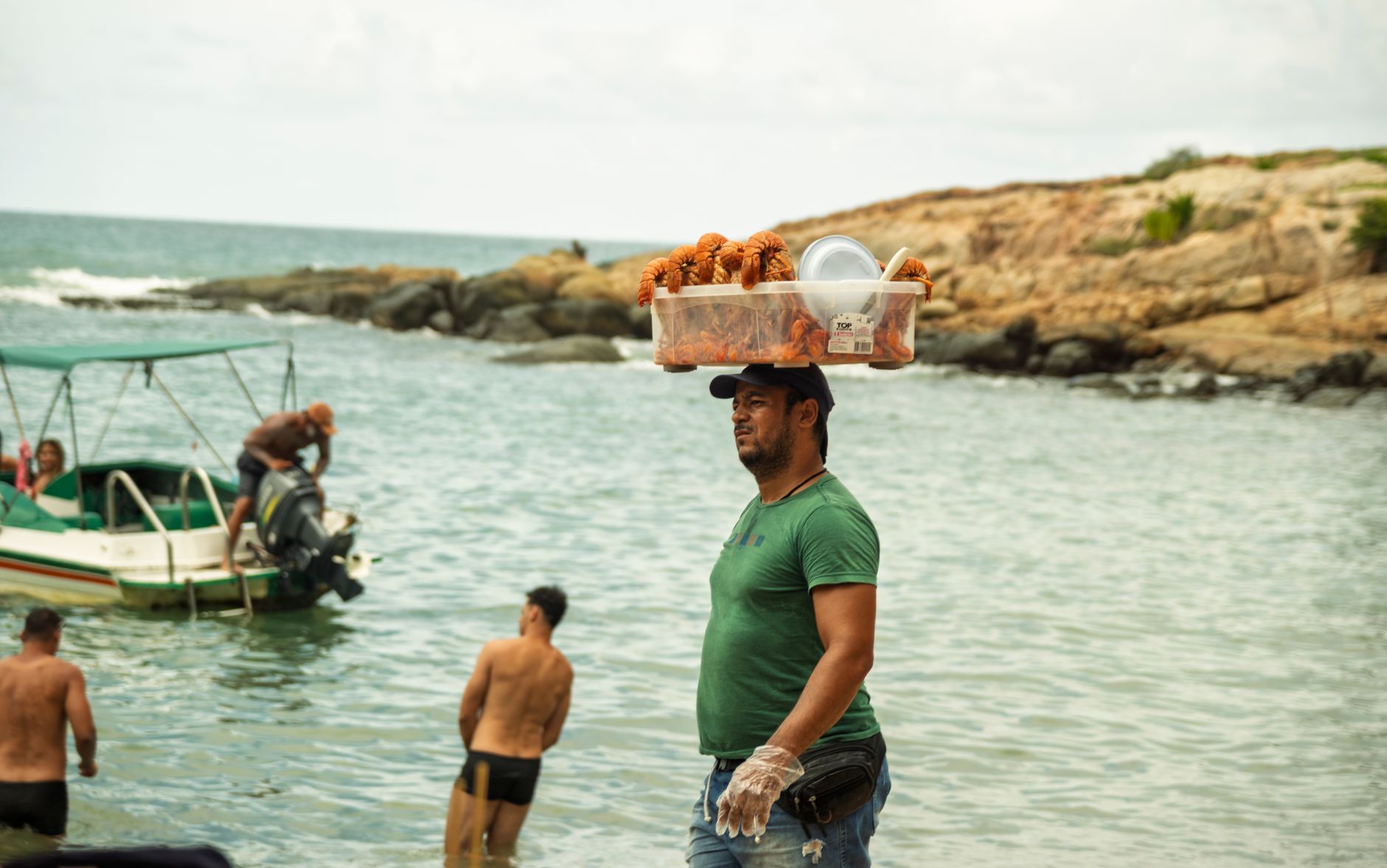
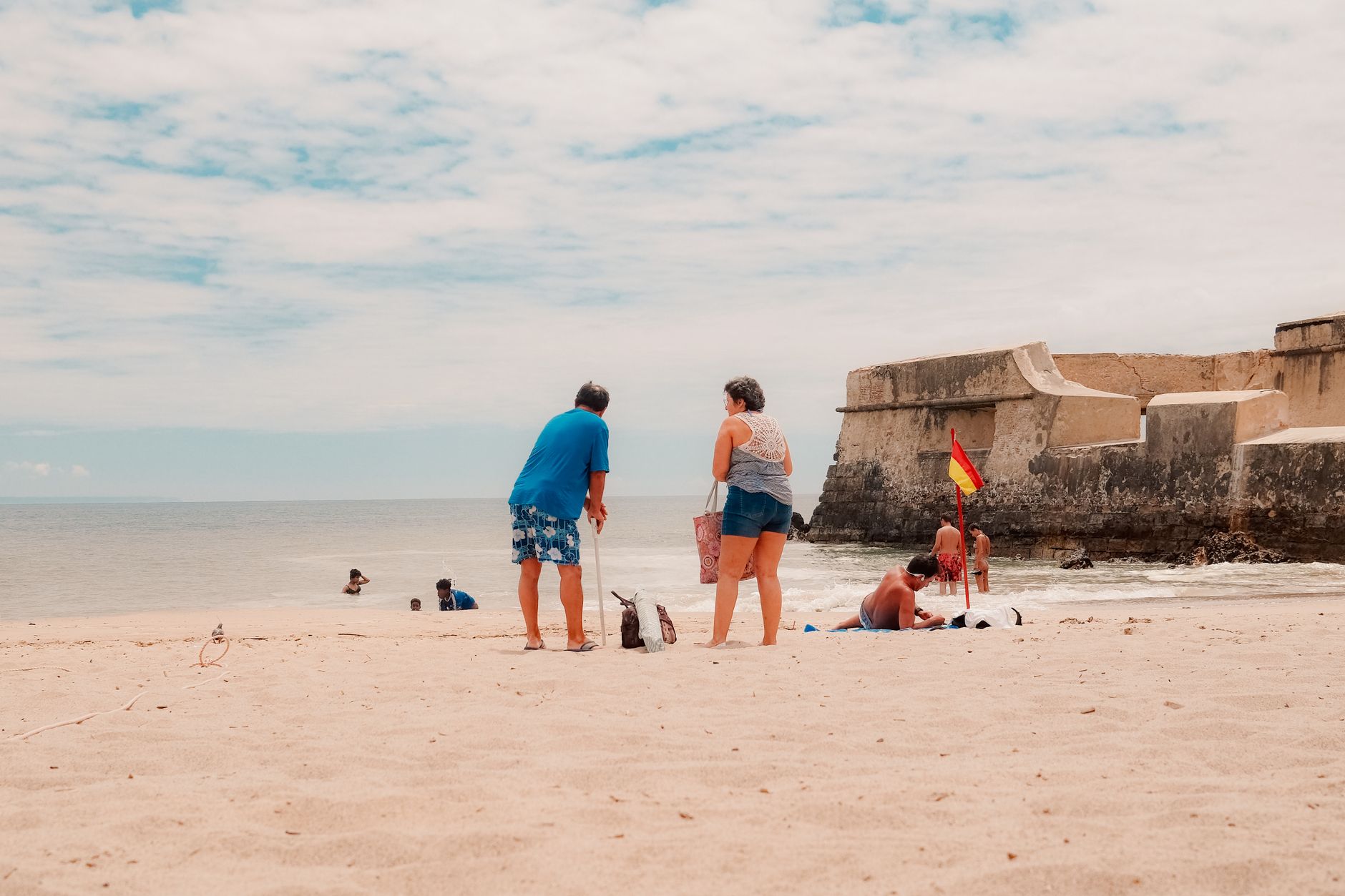
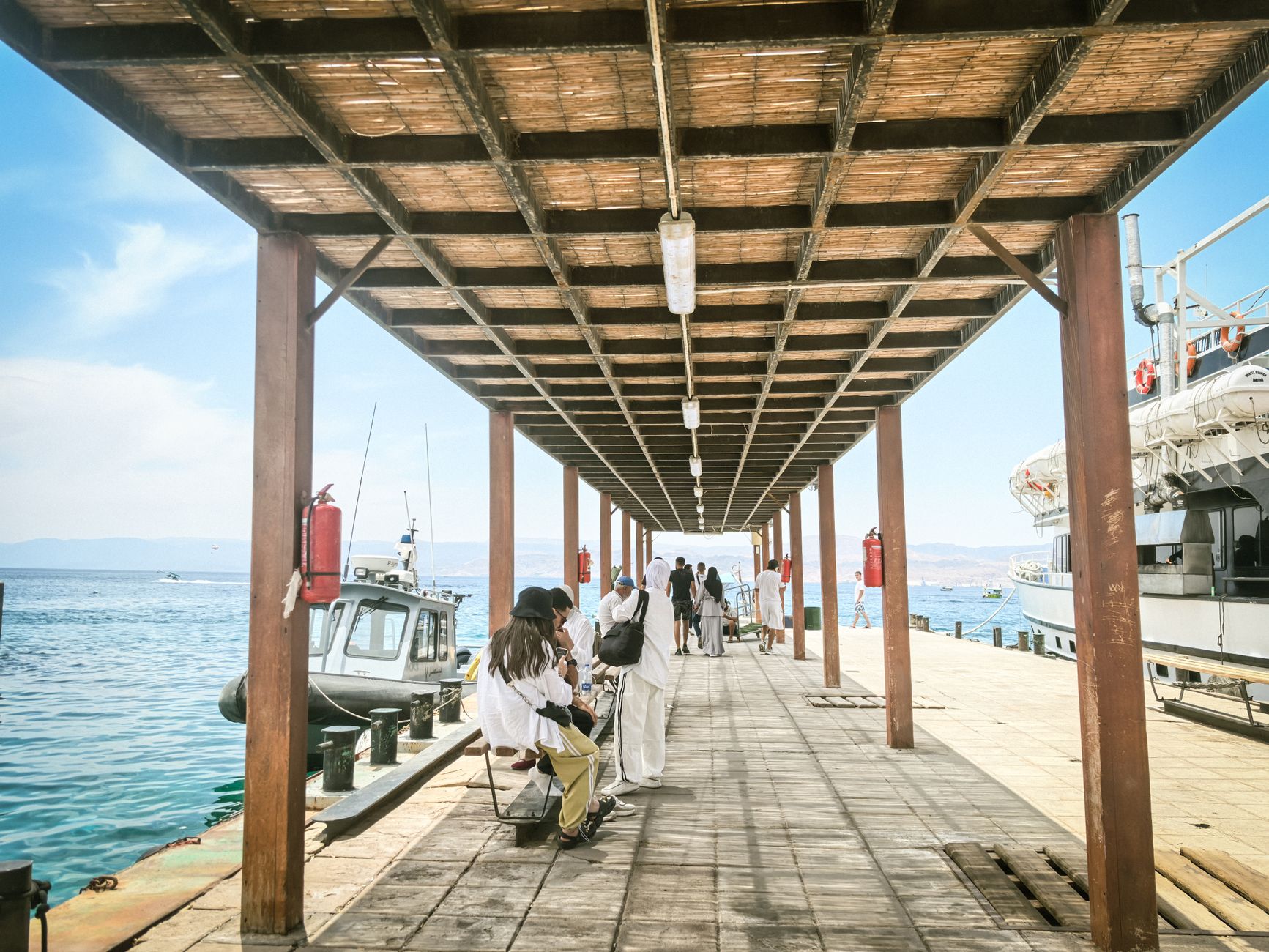
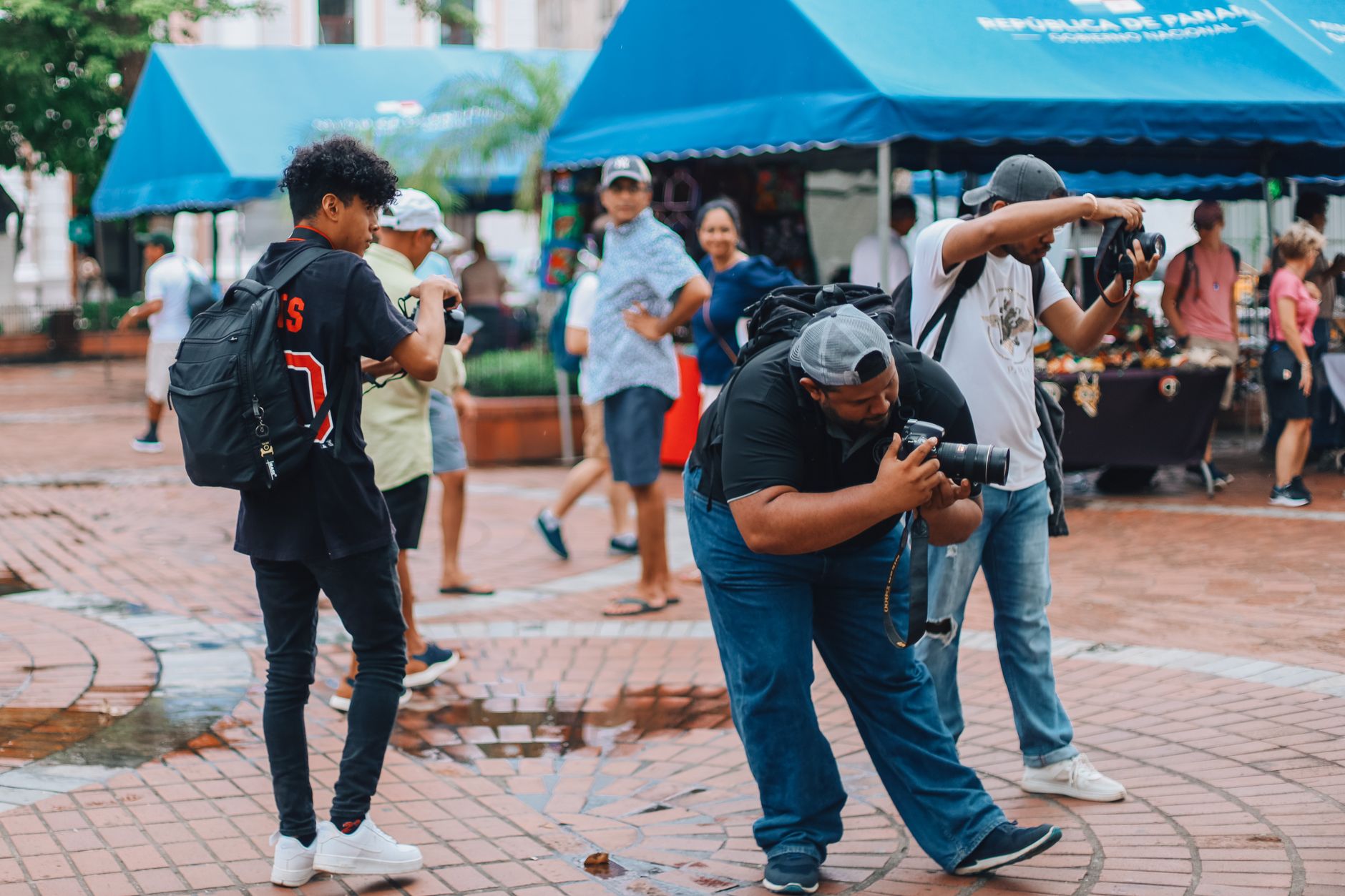

The main street of Luganville is wide enough for four tanks to drive abreast — because, in 1942, a base commander insisted it be so. That detail tells you almost everything about how this city came to exist. Before World War II there were scattered communities here on the island of Espiritu Santo; the Americans arrived, built Base Button across 38 miles of jungle and shoreline, and left behind a road grid, an airport runway, and the bones of a town.
Today Luganville is Vanuatu's second city, a working port that trades in copra, coconut oil, and cacao. Beneath its waters sit a luxury ocean liner and several acres of abandoned military hardware — two of the most unusual dive sites on earth.
💛 What travellers fall for
People who come back tend to come back for the water. The SS President Coolidge is the draw that keeps divers returning — a wreck you can reach from shore, at varying depths, across many dives. Regulars also mention the Nanda Blue Hole as the place to go on a hot afternoon when you want somewhere quiet and cold and impossibly clear.
Deals in Luganville
Book directly at the provider

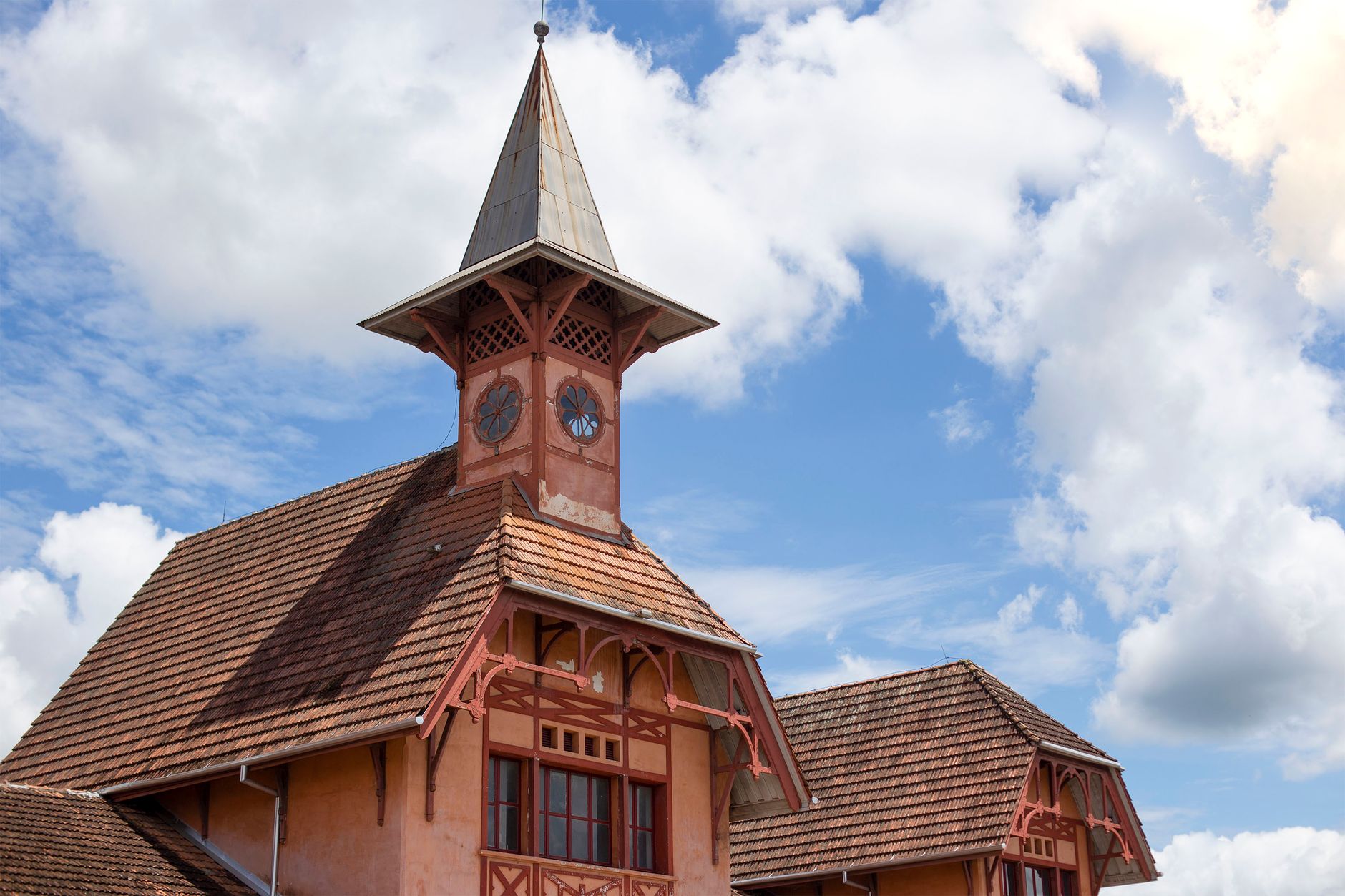
How Luganville came to be
Luganville's origin is almost entirely a product of one conflict. When the United States established Base Button here in the early 1940s, it became the largest American base in the South Pacific — a logistics hub of maintenance yards, supply depots, and four airfields spread across Espiritu Santo. The civilian population at the time was small; the military presence was enormous.
When the war ended, the Americans left quickly. Equipment that couldn't be shipped home was dumped into the bay at what is now called Million Dollar Point. The SS President Coolidge — a converted troop transport — had already sunk in 1942 after striking friendly mines; its captain, Elwood J. Euart, died attempting to rescue two men still aboard. Luganville grew from roughly 1,000 civilians in the late 1940s into a proper town, and when Vanuatu gained independence in 1980 it became the country's second city. In 2012, Mayor Peter Sakita initiated the South Pacific WWII Museum to hold that history in place.
Who and what shaped it
People who shaped it
Landmark buildings
See Luganville in motion
Plan your visit
On the map
When to go
Luganville runs warm year-round — around 25°C on average — with January nudging toward 31°C and July settling closer to 28°C. Rain is the real variable: the wet season from January to April brings heavy downpours, peaking in March, while August is the driest month, though still far from dry by most standards.
Right now
Background & history adapted from Wikipedia (CC BY-SA) · specs from Wikidata (CC0) · weather from Open-Meteo · map data © OpenStreetMap contributors · photos from Wikimedia Commons / Unsplash with per-image credit. No third-party reviews or social posts reproduced.