
Berlin
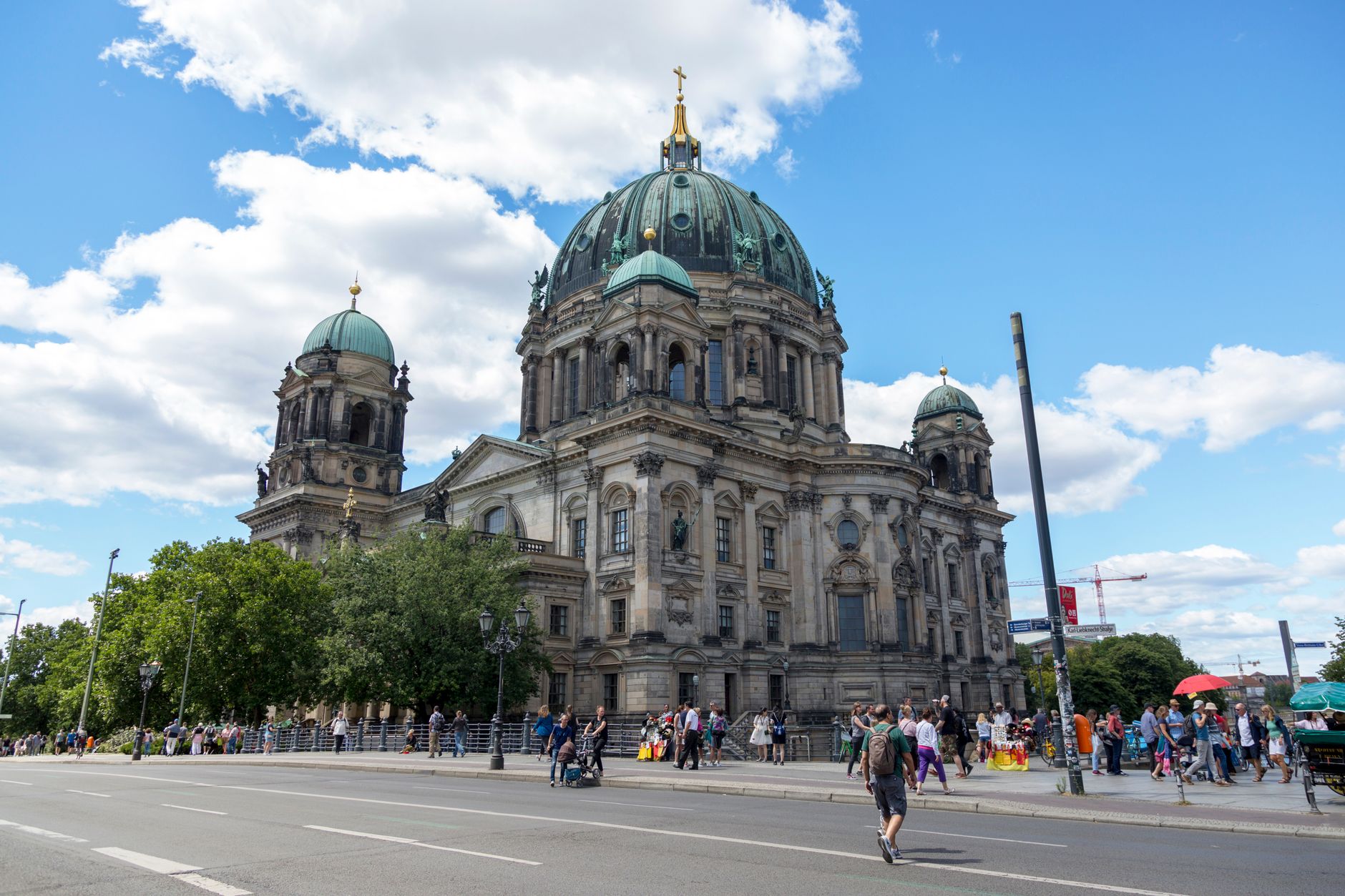
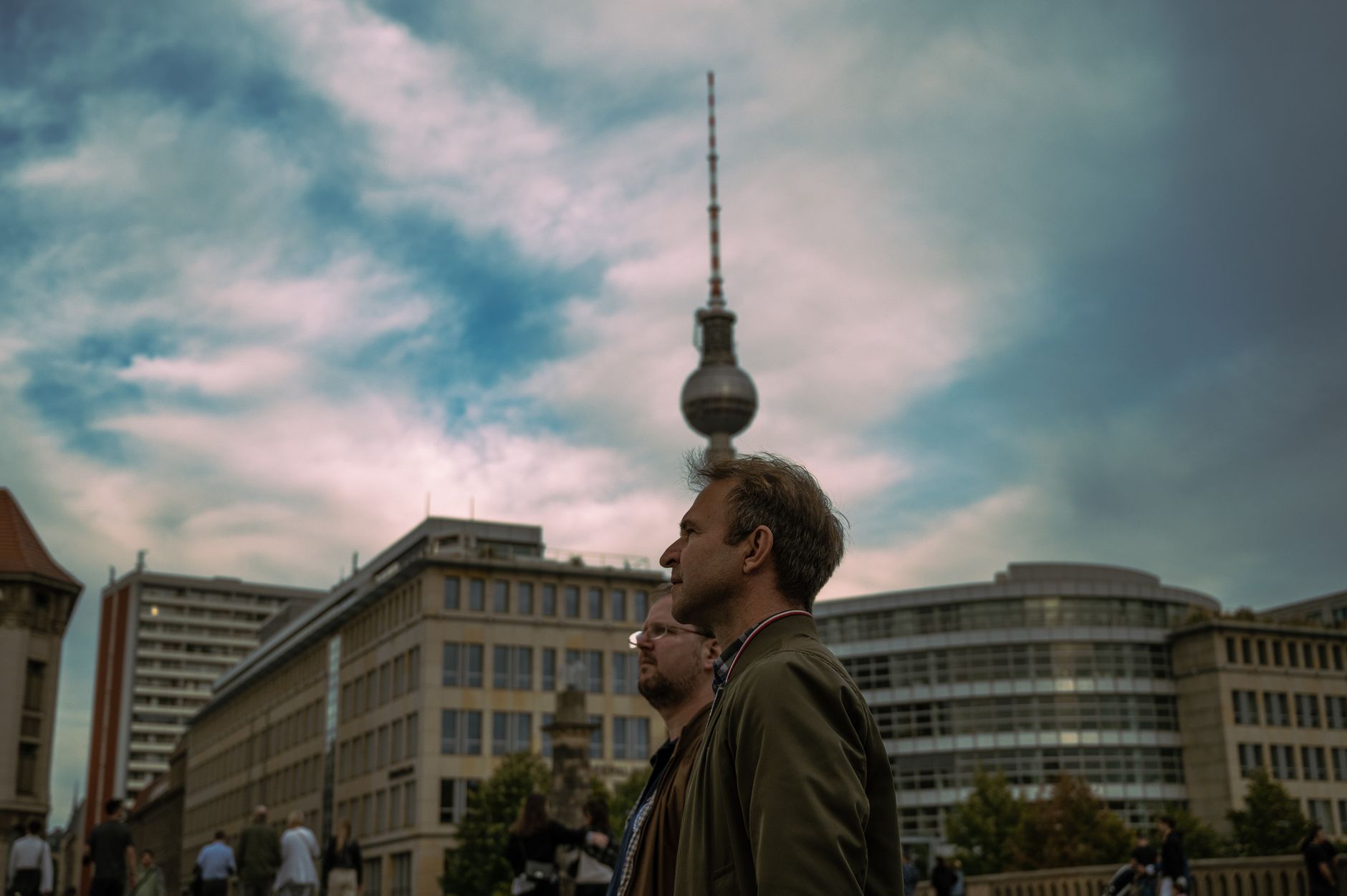
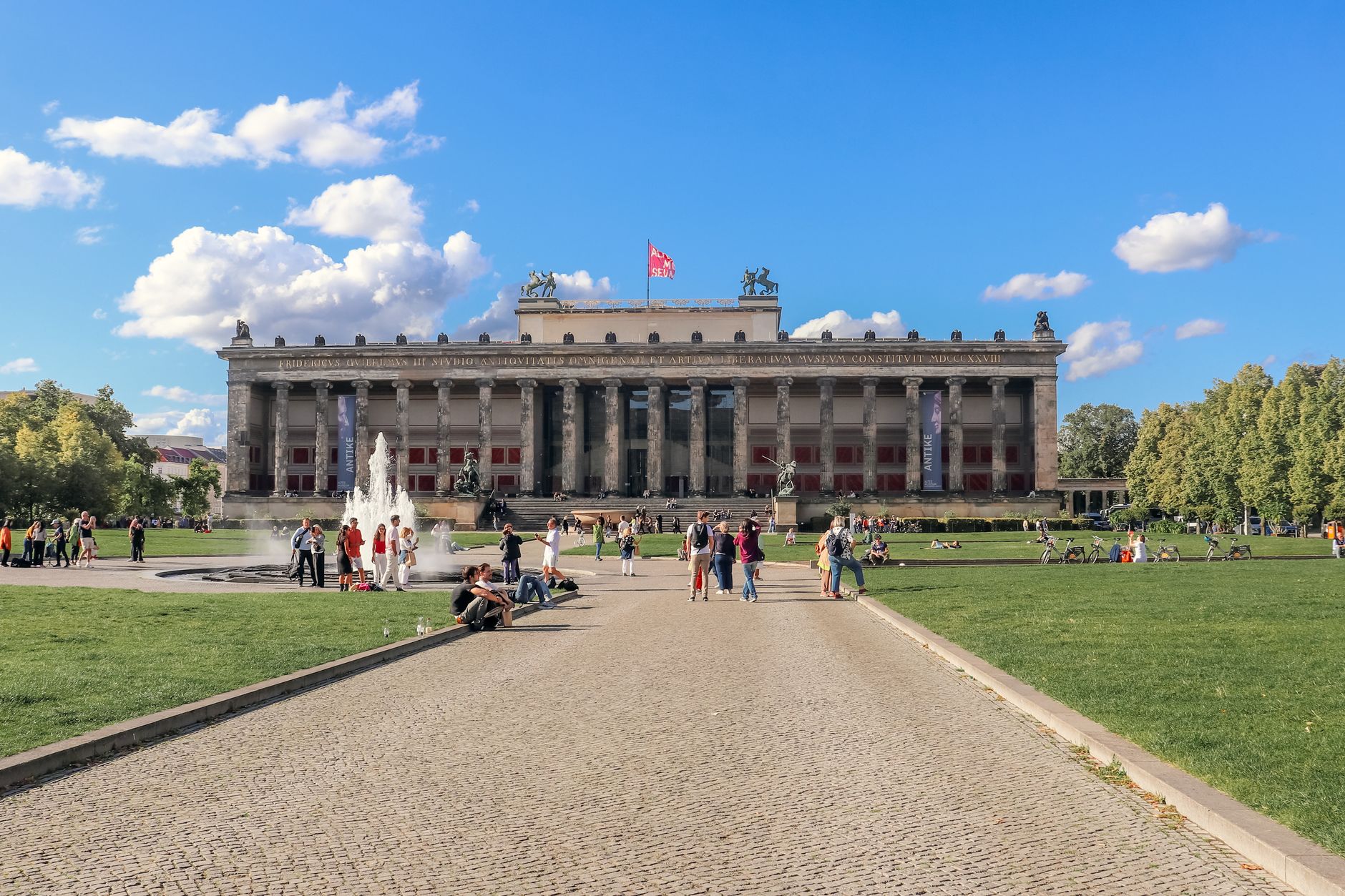
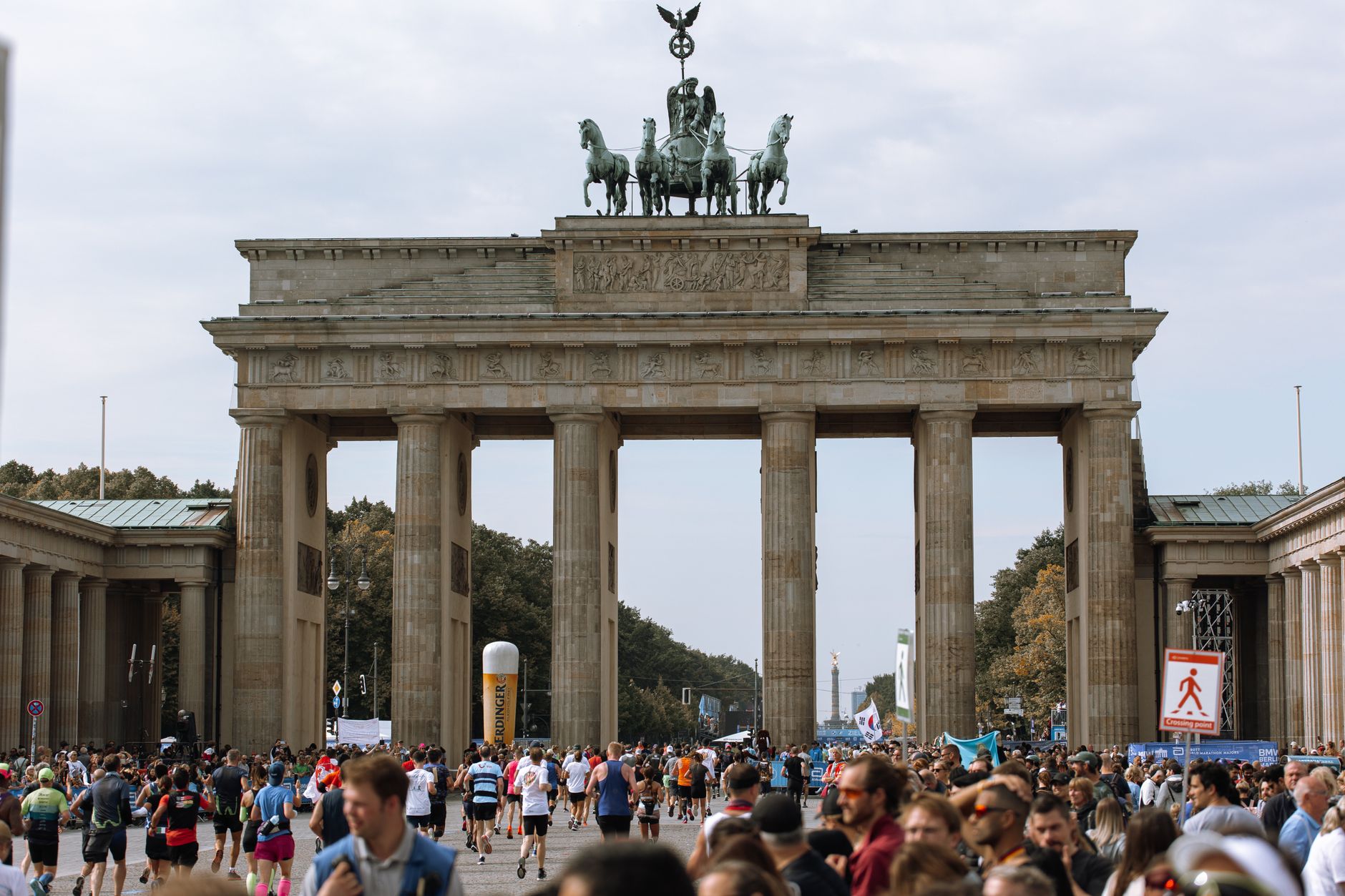
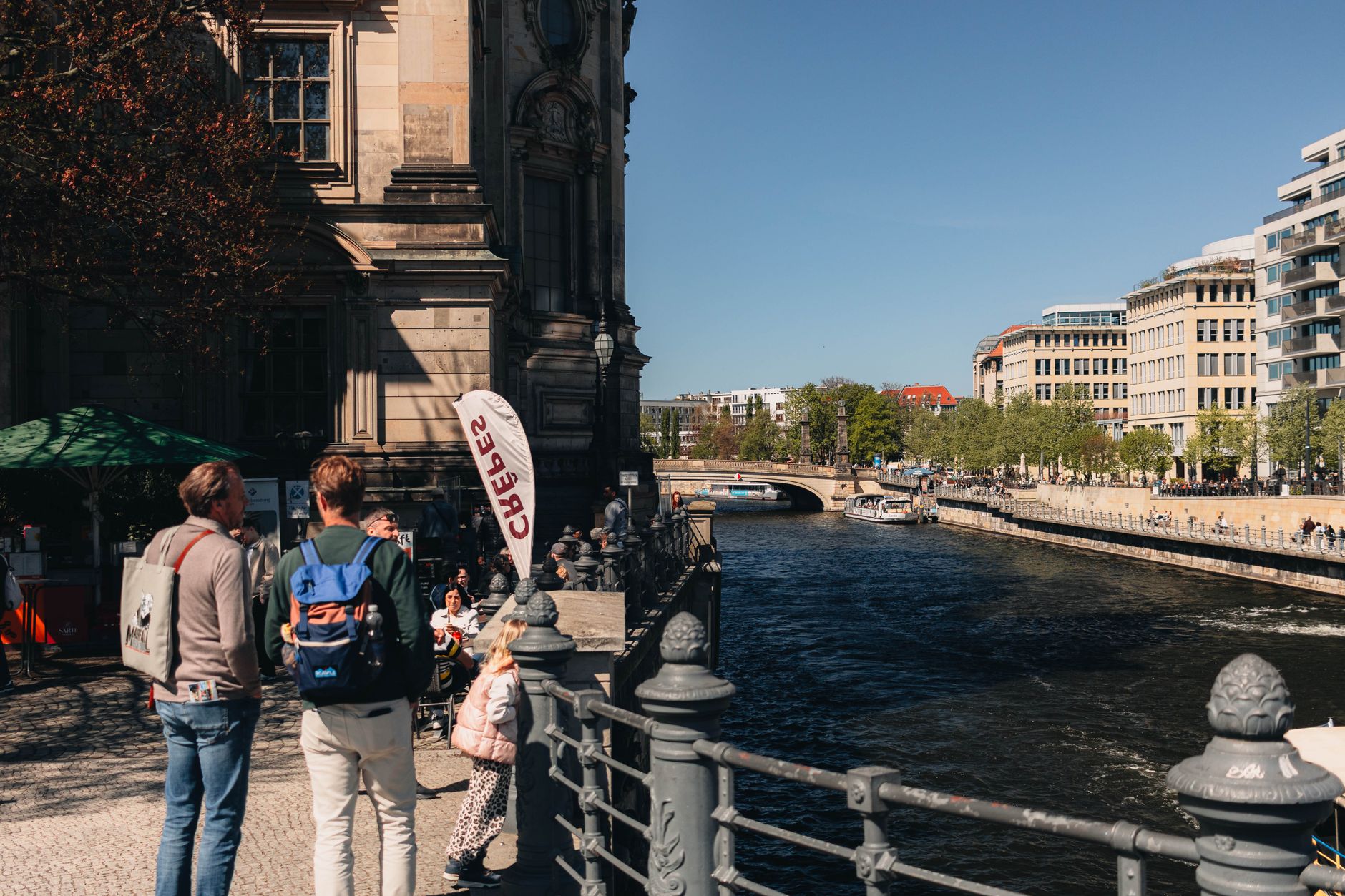
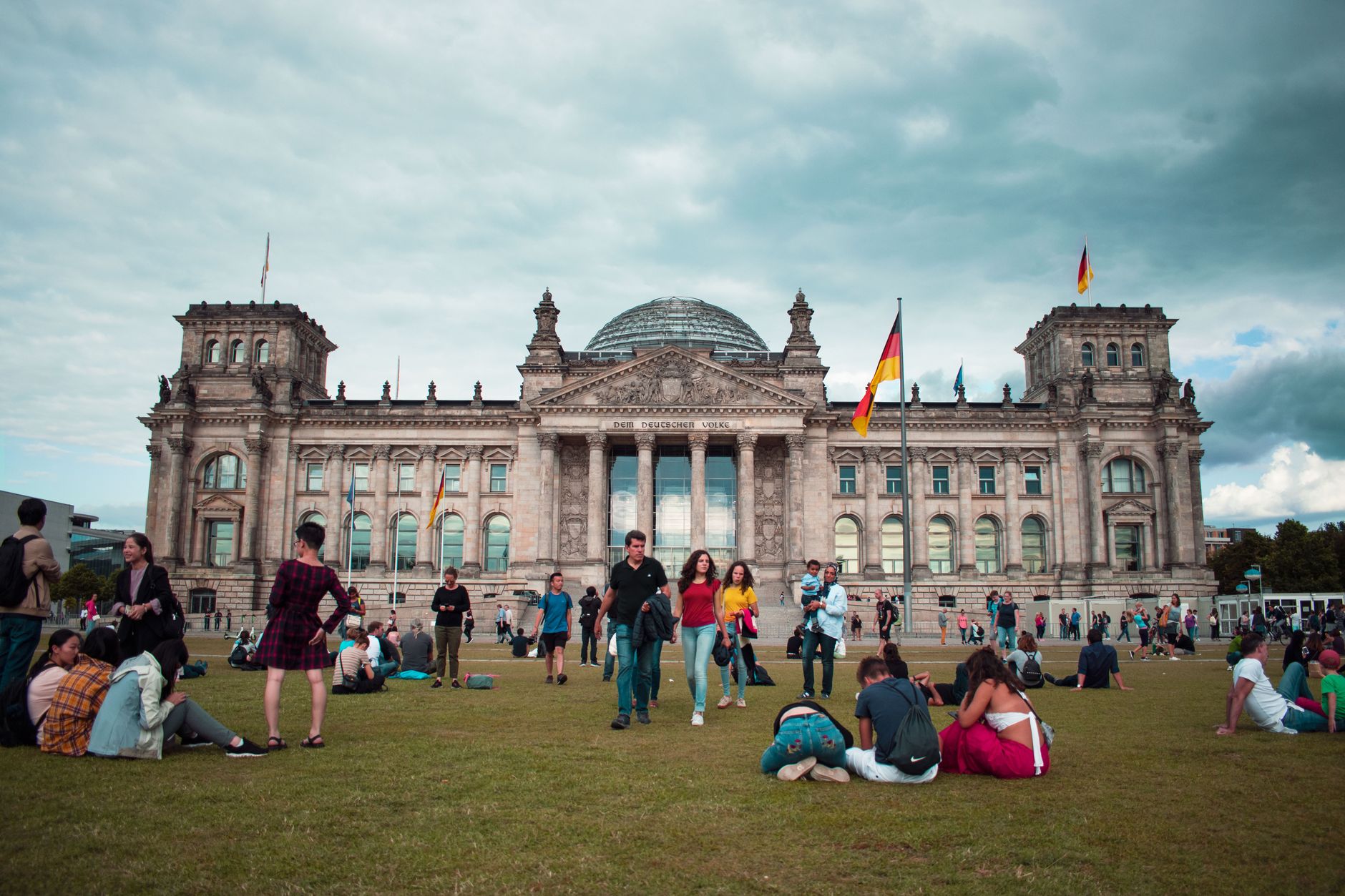
Berlin keeps rewriting itself. The city that was split in two by a concrete wall in 1961 and reunified in 1989 still carries that rupture in its geography — you can trace the Wall's former path through gaps in the urban fabric, where the scar hasn't quite healed over. That tension between erasure and memory runs through almost everything here, from the 2,711 concrete slabs of the Holocaust Memorial to the glass dome Norman Foster grafted onto the Reichstag after reunification.
What makes Berlin worth your time is the density of it — not just landmarks but the way history keeps surfacing at street level. Museum Island, the Mitte district, the long ceremonial boulevard of Unter den Linden: each layer sits on top of another, Prussian under Weimar under Nazi under Cold War under whatever is being built right now.
Popular cities in Berlin
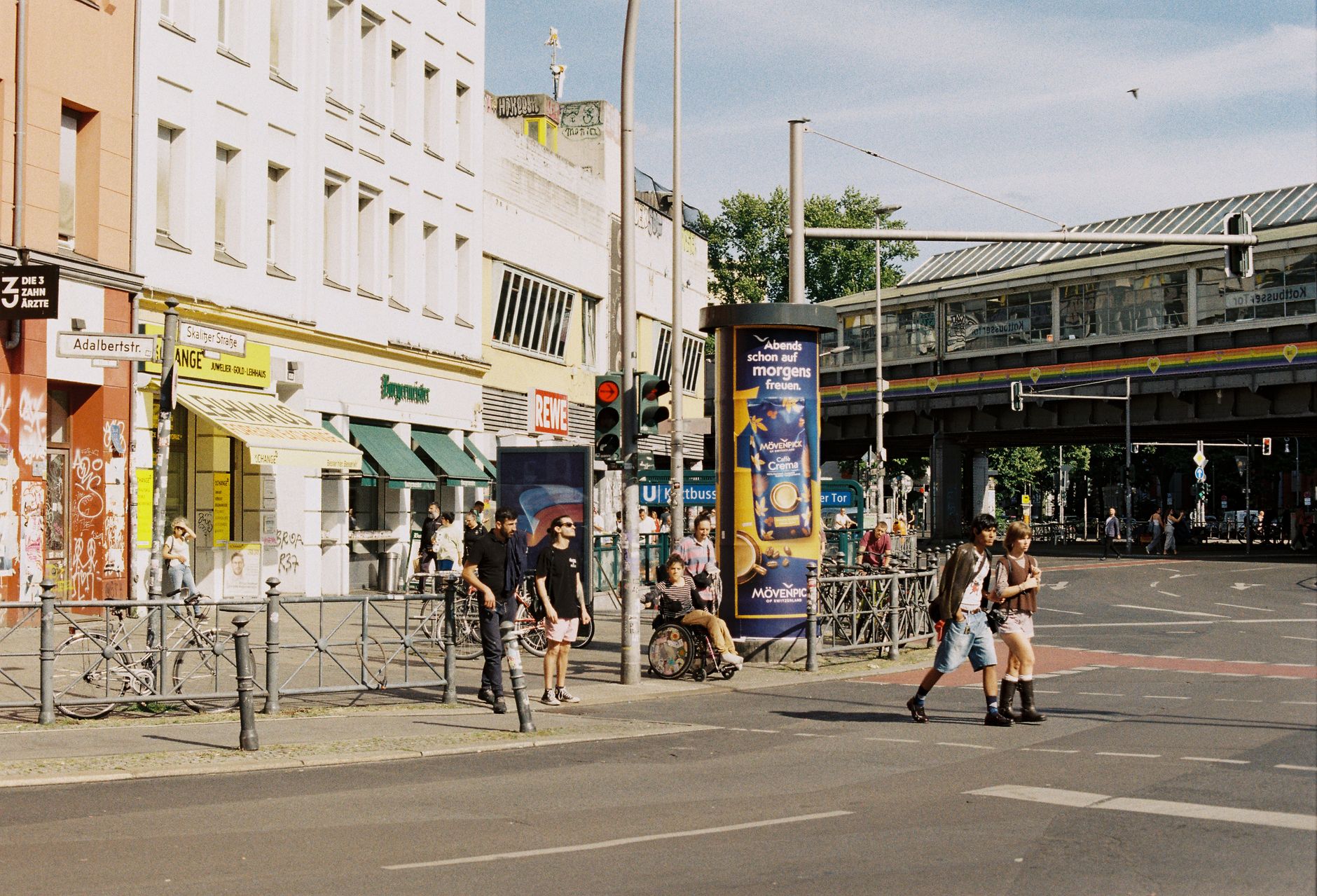
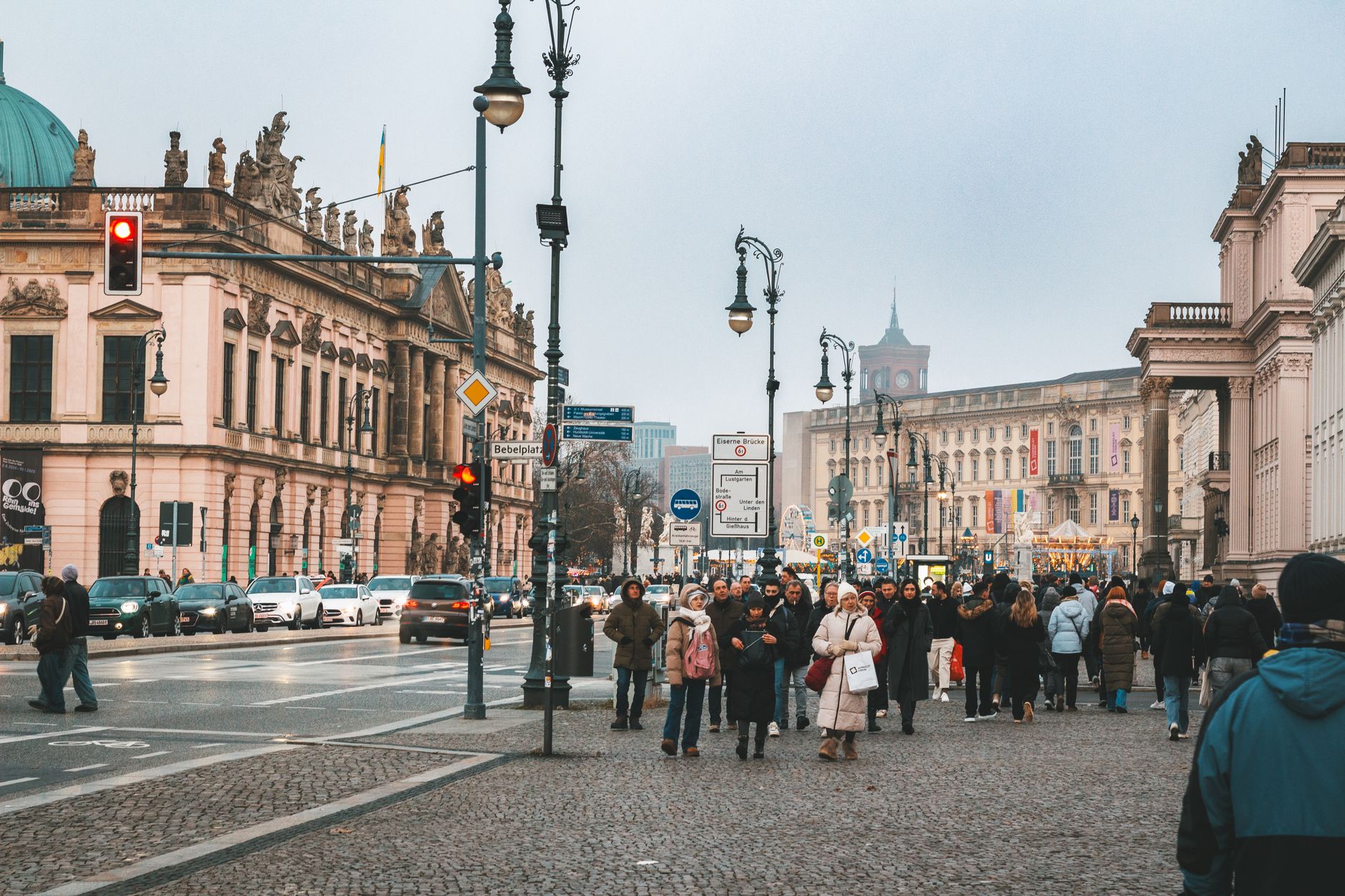
💛 What travellers fall for
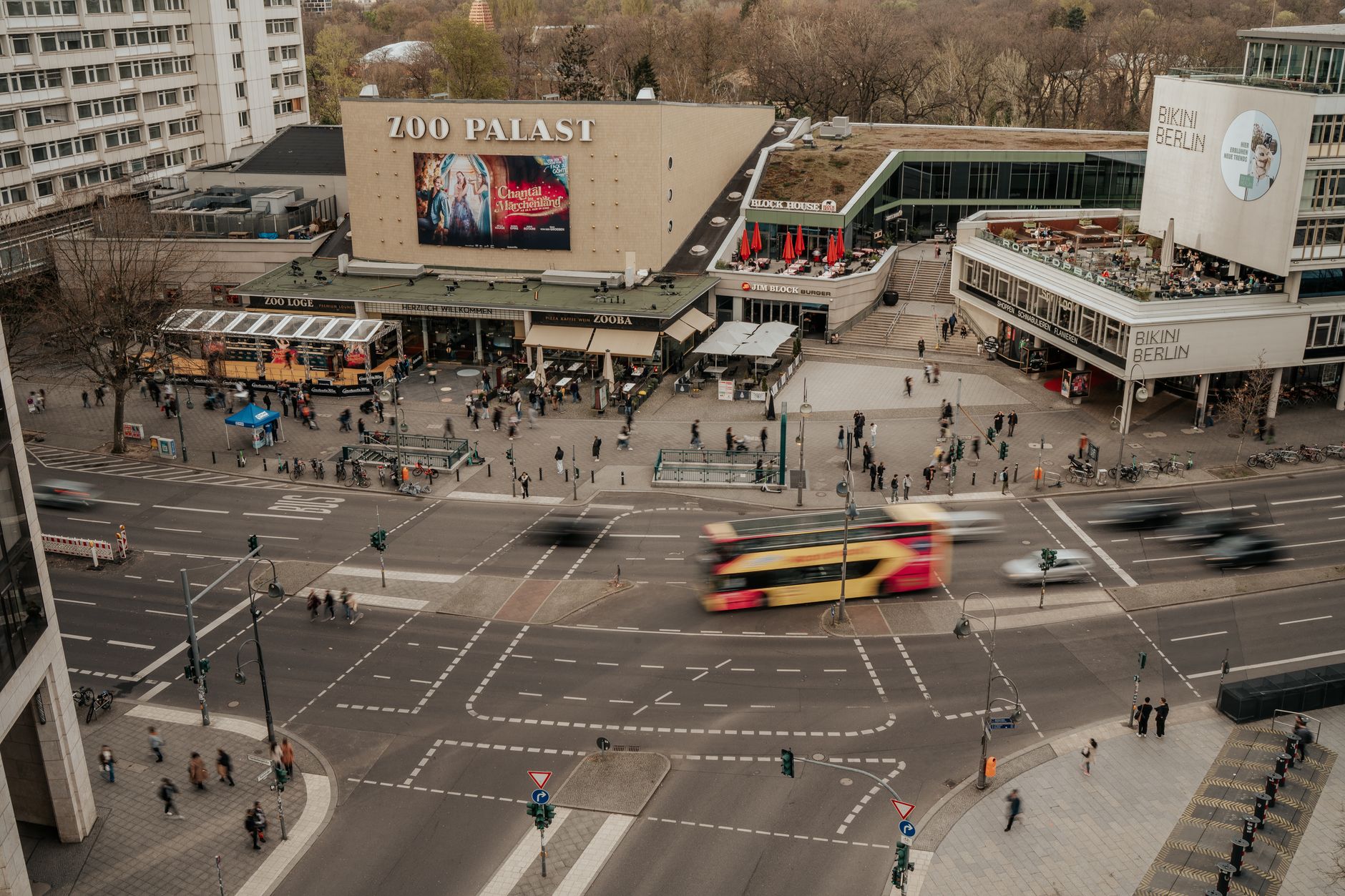
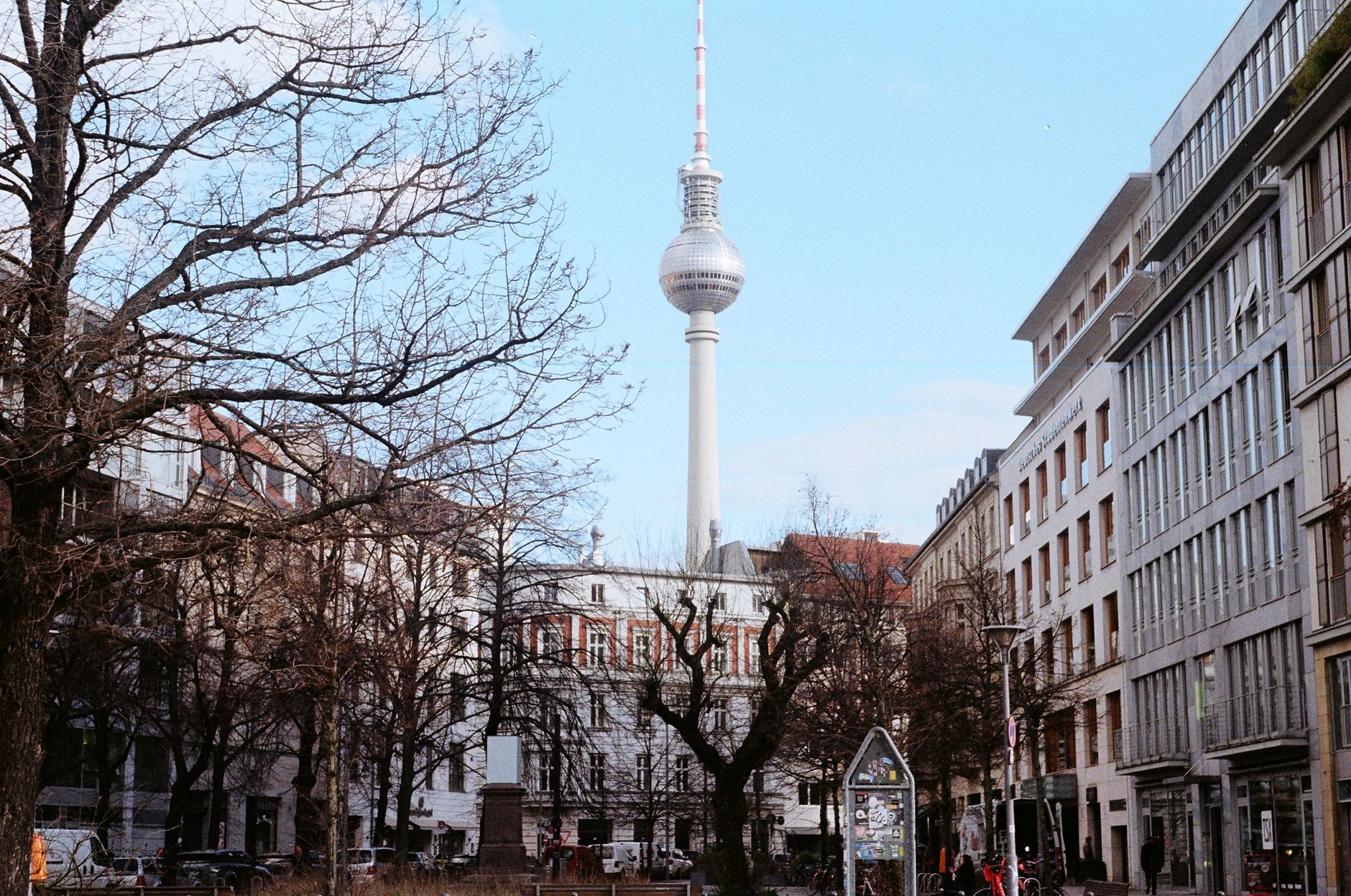
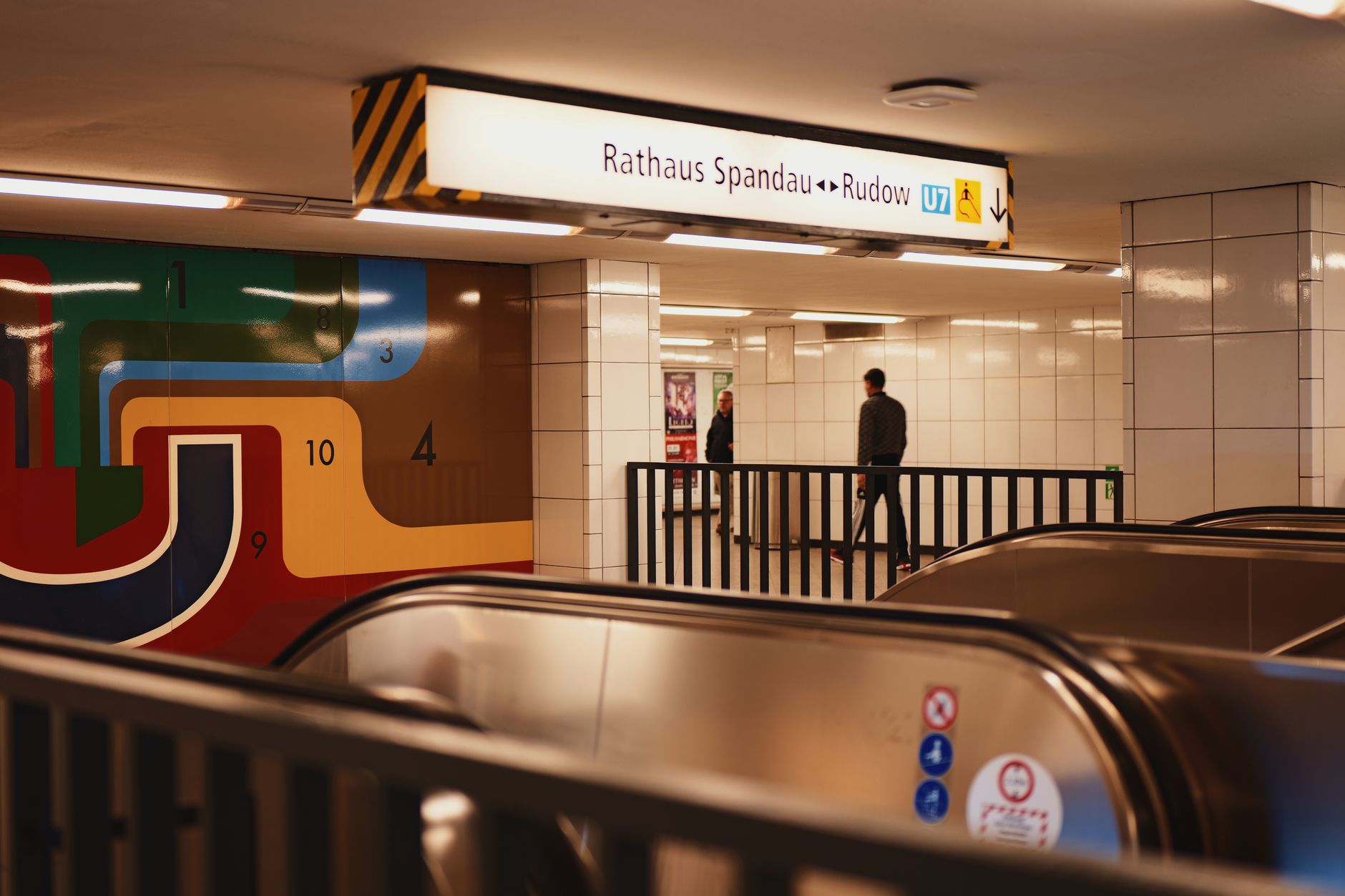
People who come back to Berlin tend to arrive with a plan and abandon it by day two. The U-Bahn is cheap and runs all weekend — a single ticket covers the S-Bahn and buses too — so the instinct to just get on a train and see where it surfaces tends to pay off. Register for the Reichstag dome in advance; the line without a booking is long and the view earns the ten minutes of admin.
How Berlin came to be
Two medieval settlements — Cölln, recorded in 1237, and Berlin, in 1244 — sat facing each other across the River Spree before merging into Berlin-Cölln in 1432. Both grew within the Margraviate of Brandenburg, which Albert the Bear had founded in 1157. The Hohenzollern dynasty made Berlin their official residence in 1451 and eventually elevated it to capital of the Kingdom of Prussia in 1701.
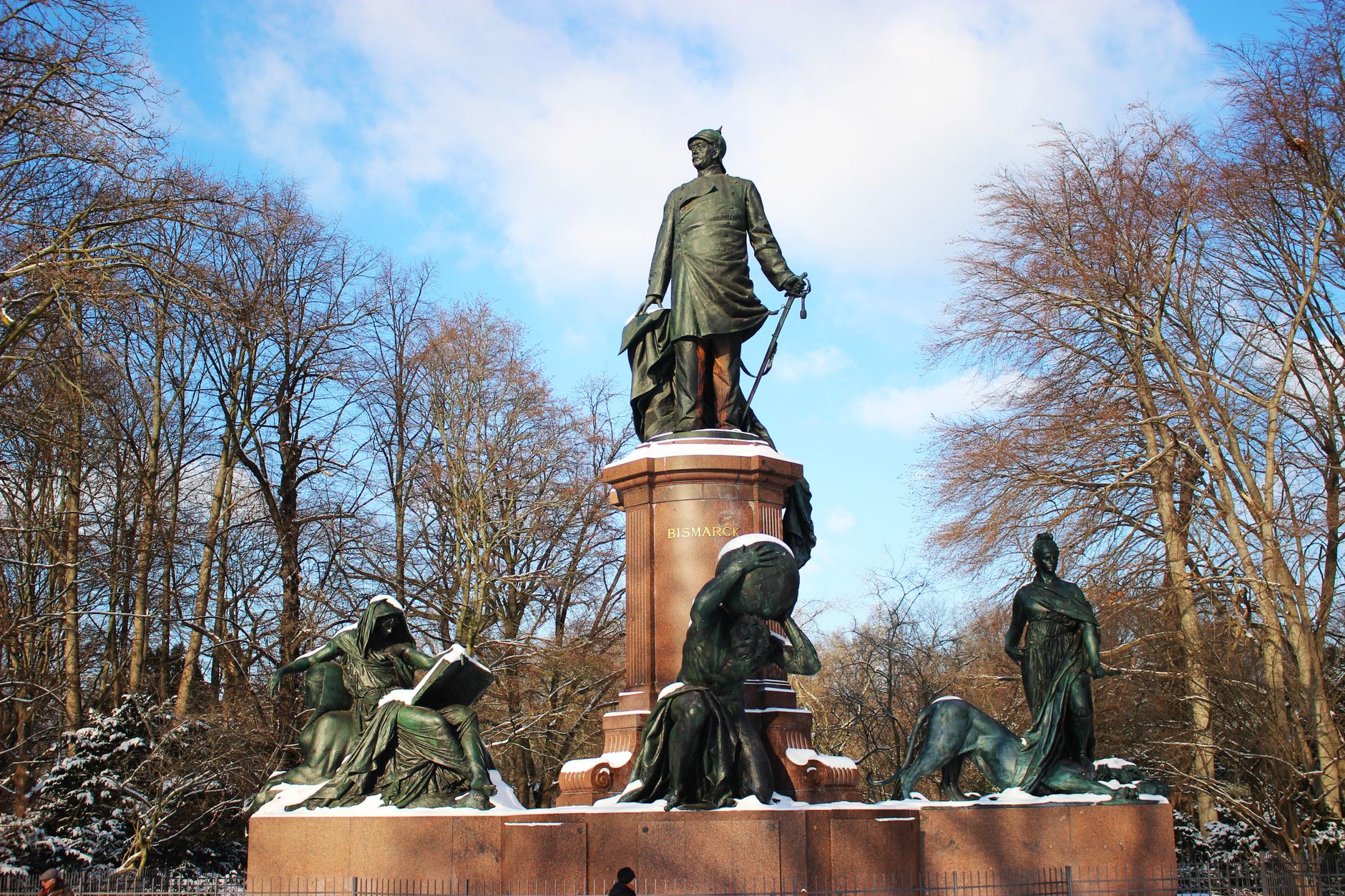
Frederick the Great, who reigned from 1740 to 1786, pulled the city toward the Enlightenment, and the architect Karl Friedrich Schinkel gave it much of its 19th-century civic face. Berlin became the capital of a unified German Empire in 1871. The 20th century compressed more history into fewer decades than almost anywhere in Europe — Weimar Republic, Third Reich, Allied bombing, partition, Wall, reunification — and the city absorbed all of it without resolving the contradictions.
Who and what shaped it
People who shaped it
Landmark buildings
See Berlin in motion
Plan your visit
On the map
When to go
Winters are genuinely cold — highs rarely above 5°C in January, with frost common — while summers settle into warm, pleasant days around 25°C. Spring is unreliable well into April, with possible snow in March, so layers are worth packing until May.
Right now
↡ Cities
Background & history adapted from Wikipedia (CC BY-SA) · specs from Wikidata (CC0) · weather from Open-Meteo · map data © OpenStreetMap contributors · photos from Wikimedia Commons / Unsplash with per-image credit. No third-party reviews or social posts reproduced.