
Mitte
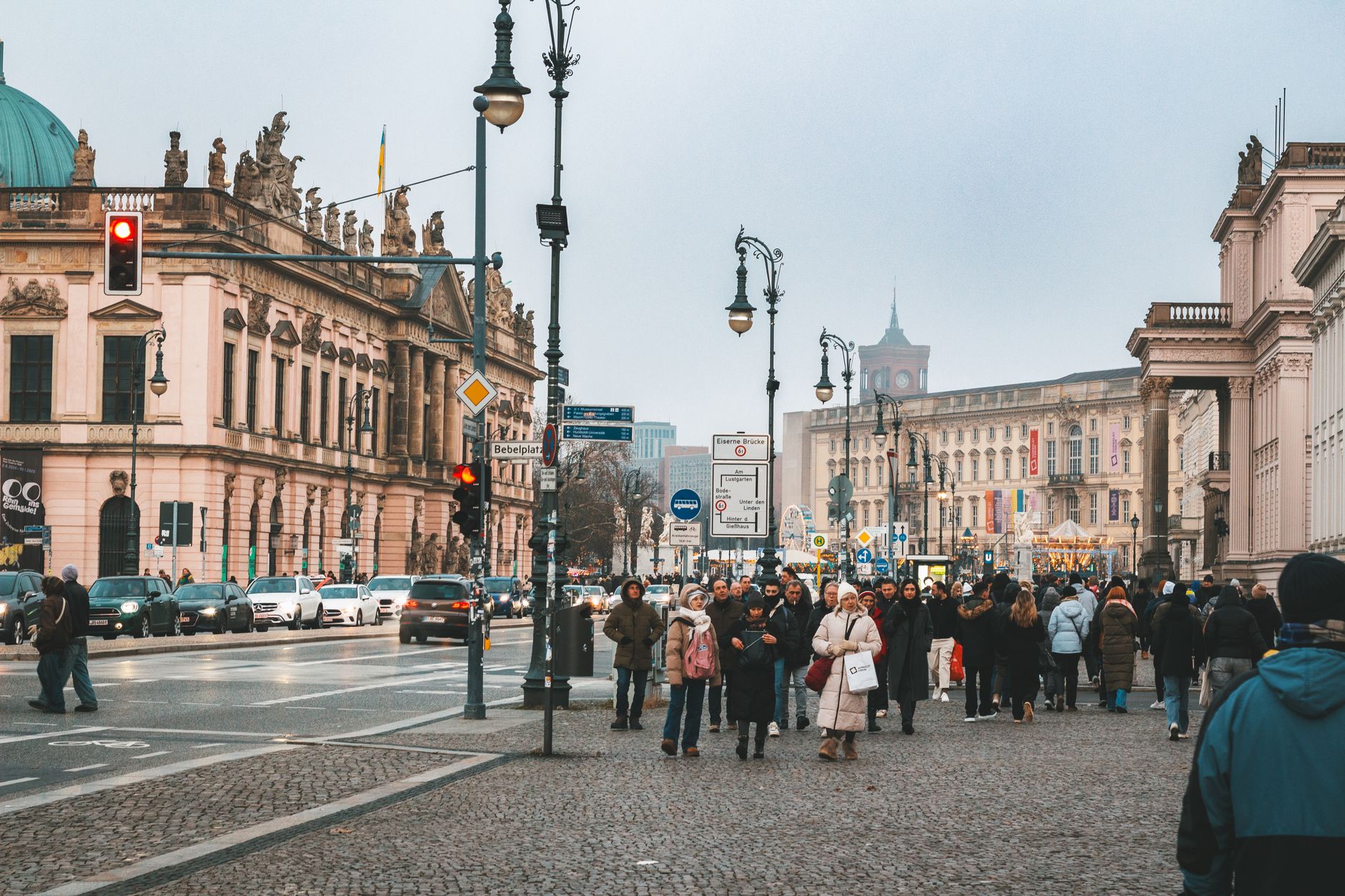
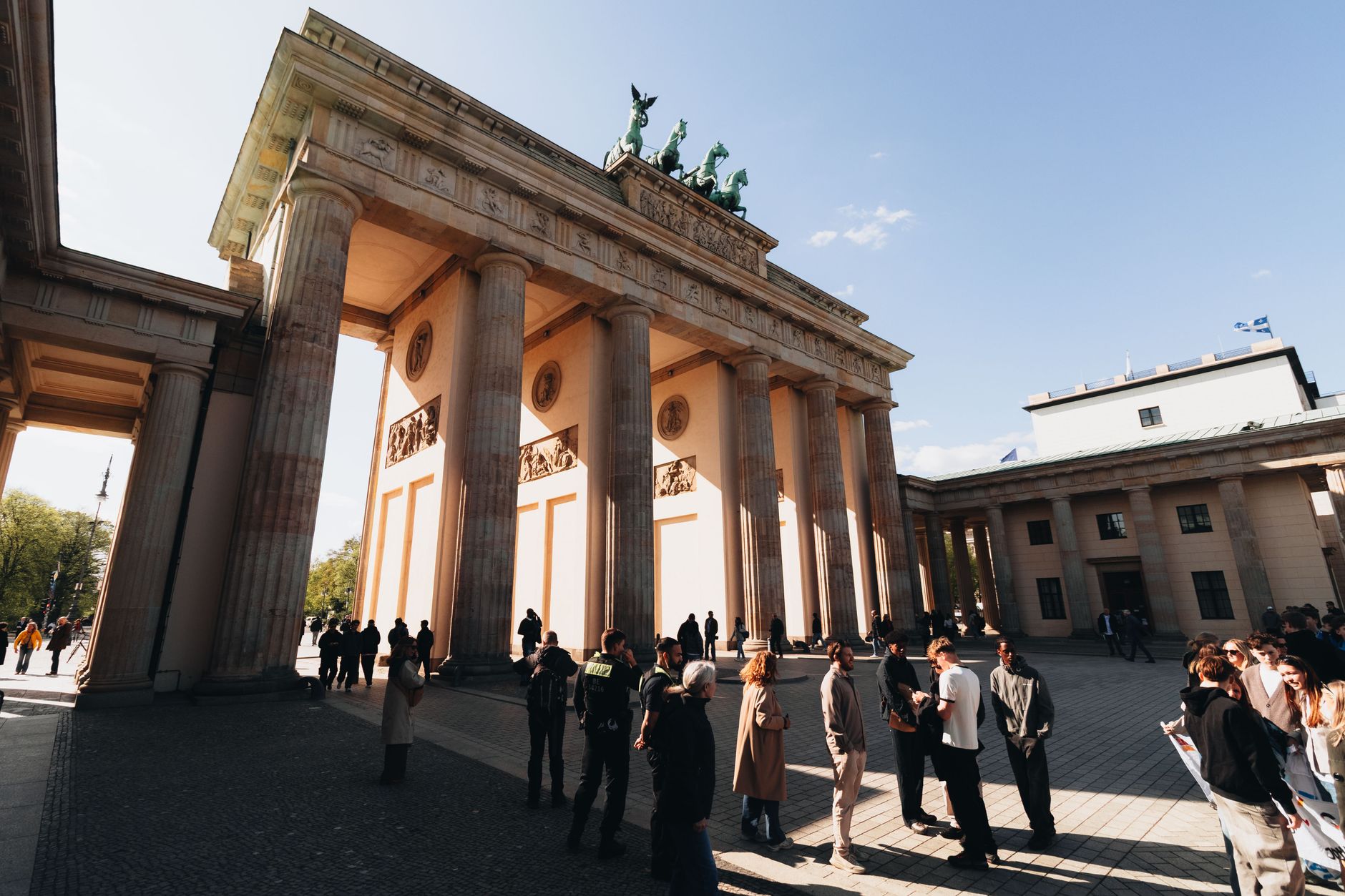
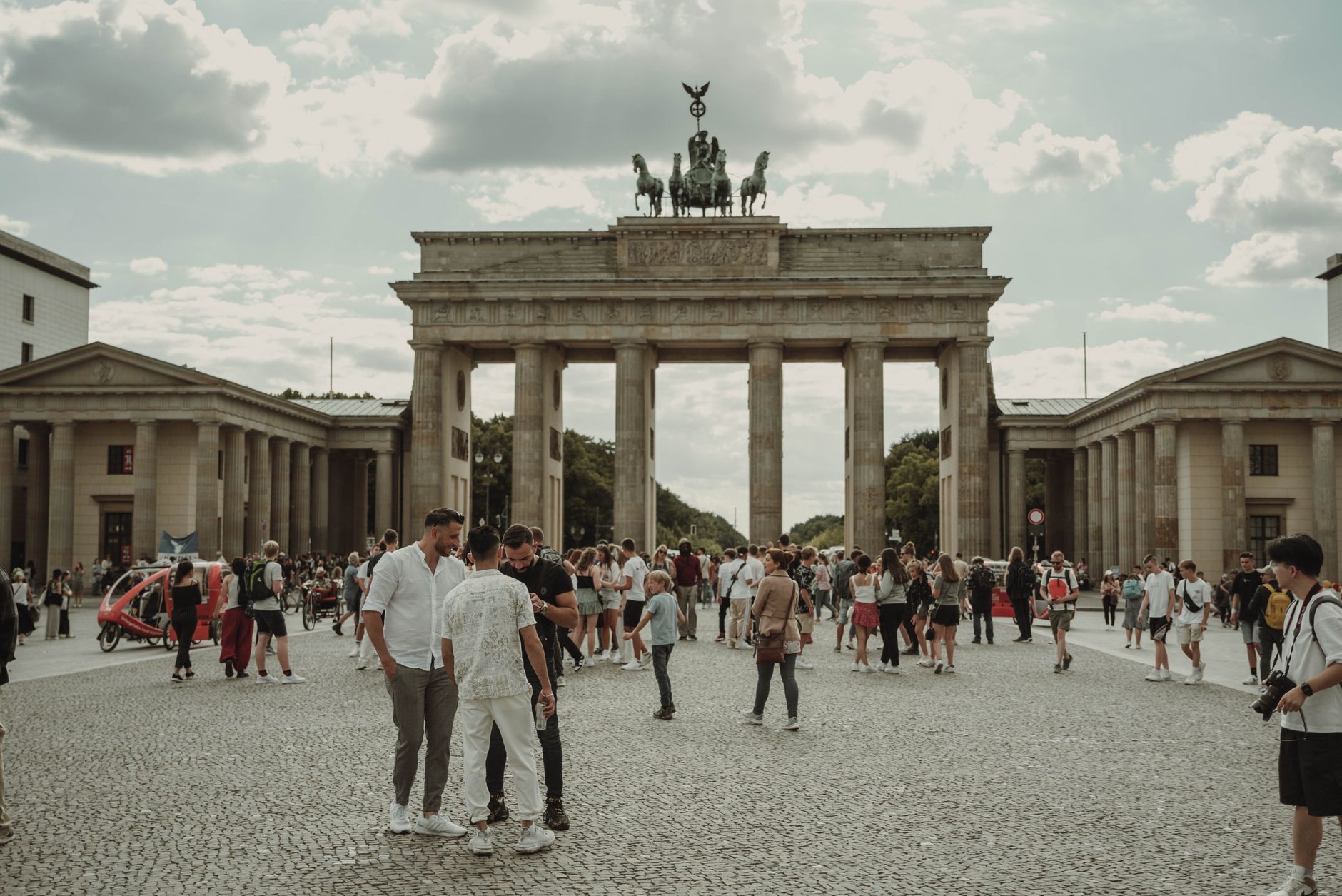
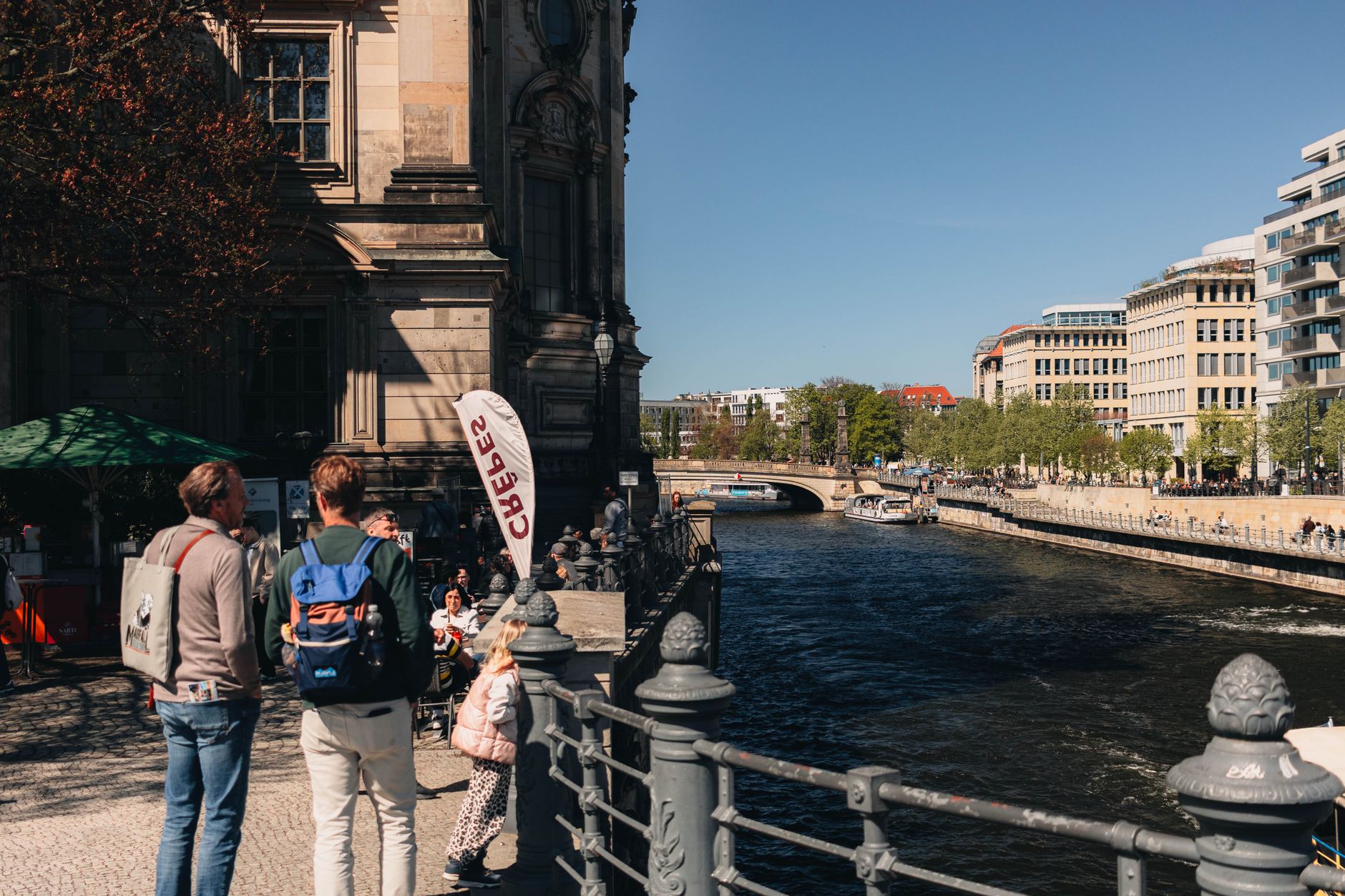
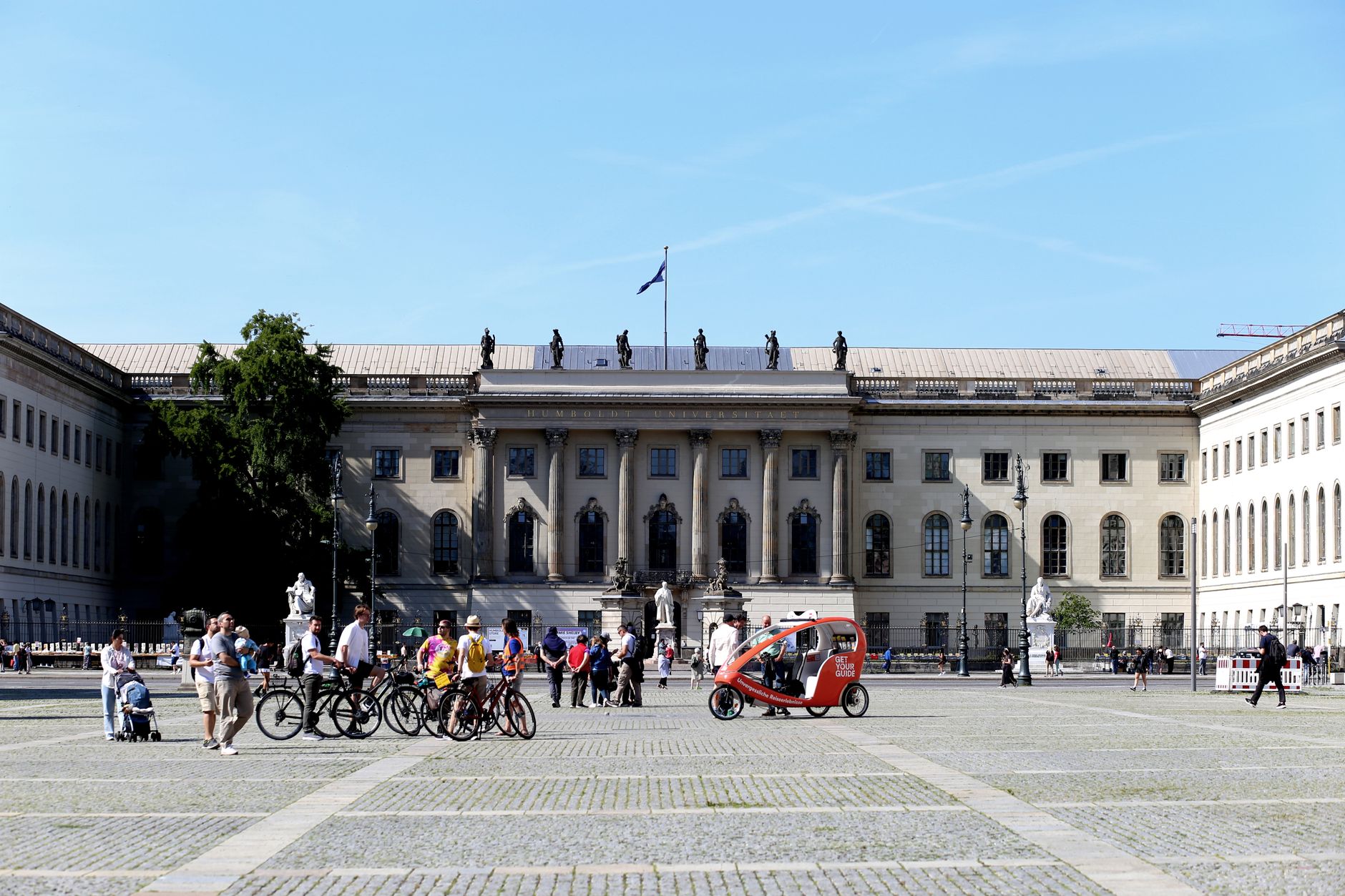
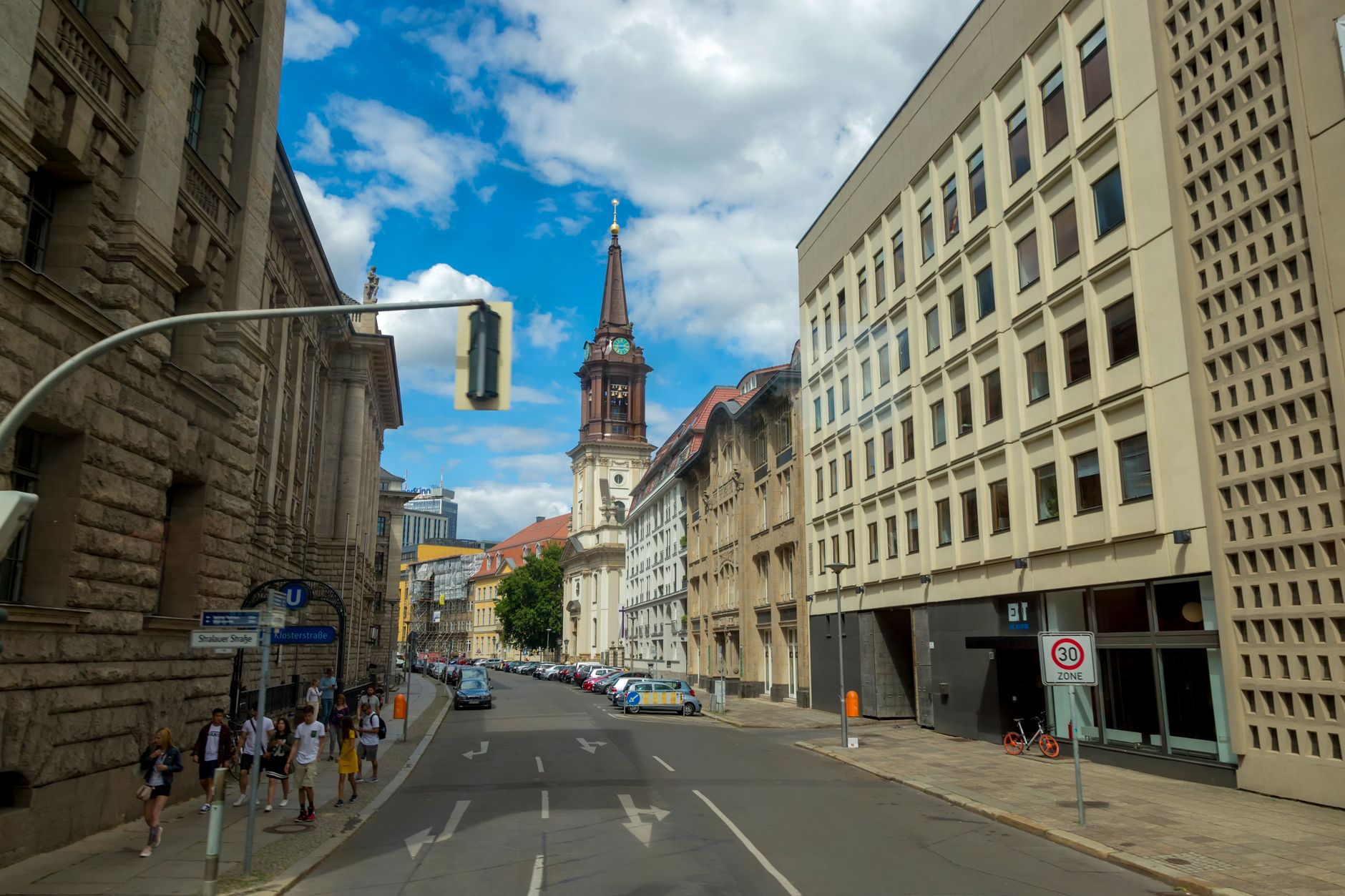
Stand at the base of the Fernsehturm on a clear morning and the geometry of old East Berlin arranges itself around you — the red-brick Rathaus, the pale dome of the Cathedral, the reconstructed Berlin Palace rising where a Cold War wound once sat open. Mitte is where the city's longest arguments played out: between Prussia and revolution, between East and West, between erasure and reconstruction.
This is the district that was, for decades, both the capital of a socialist state and a walled-in island of ideology. Since reunification it has been rebuilt, debated and rebuilt again — and the layers show, if you know where to look.
💛 What travellers fall for
People who keep coming back tend to carve out a morning for Museum Island before the tour groups arrive, then walk the full length of Unter den Linden just to feel the scale of it. The medieval remnants of the city wall tucked behind the Parochialkirche, near the old restaurant Zur letzten Instanz, are easy to walk past — worth pausing at.
Deals in Mitte
Book directly at the provider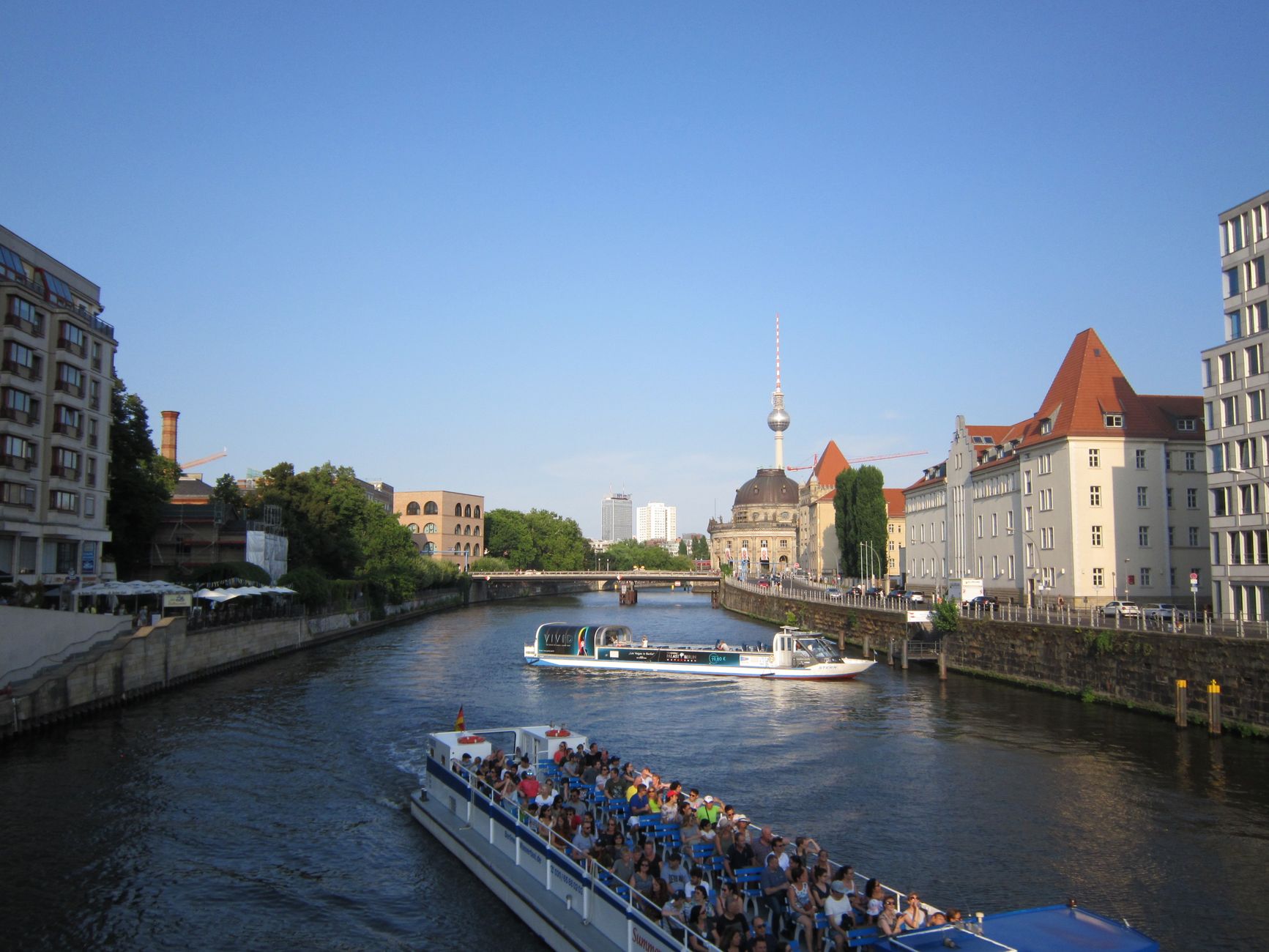

How Mitte came to be
Berlin and its twin town Cölln grew from 13th-century settlements along the Spree. Over the following centuries Mitte became the seat of the Brandenburg electoral princes and later the royal residence of the Prussian kings — the boulevard of Unter den Linden, the Cathedral, the palace, all expressions of that ambition.
The 20th century cut through it twice. After 1945, Mitte fell inside East Berlin and became the administrative heart of the GDR. From 1961 to 1990 it was hemmed in on three sides by the Wall. Reunification in 1990 restored it as the capital of a unified Germany, and the reconstruction that followed — most visibly the Berlin Palace, reopened in 2020 as the Humboldt Forum — is still, in some respects, ongoing.
Who and what shaped it
Landmark buildings
See Mitte in motion
Plan your visit
On the map
When to go
Winters are genuinely cold and grey, hovering around freezing from December through February, with short days and little sun. Summers run warm and long — around 25°C in July and August with seven or eight hours of daylight — though afternoon thunderstorms can arrive without much notice. Spring is unpredictable; snow is possible into April.
Right now
Background & history adapted from Wikipedia (CC BY-SA) · specs from Wikidata (CC0) · weather from Open-Meteo · map data © OpenStreetMap contributors · photos from Wikimedia Commons / Unsplash with per-image credit. No third-party reviews or social posts reproduced.