
Friedrichshain
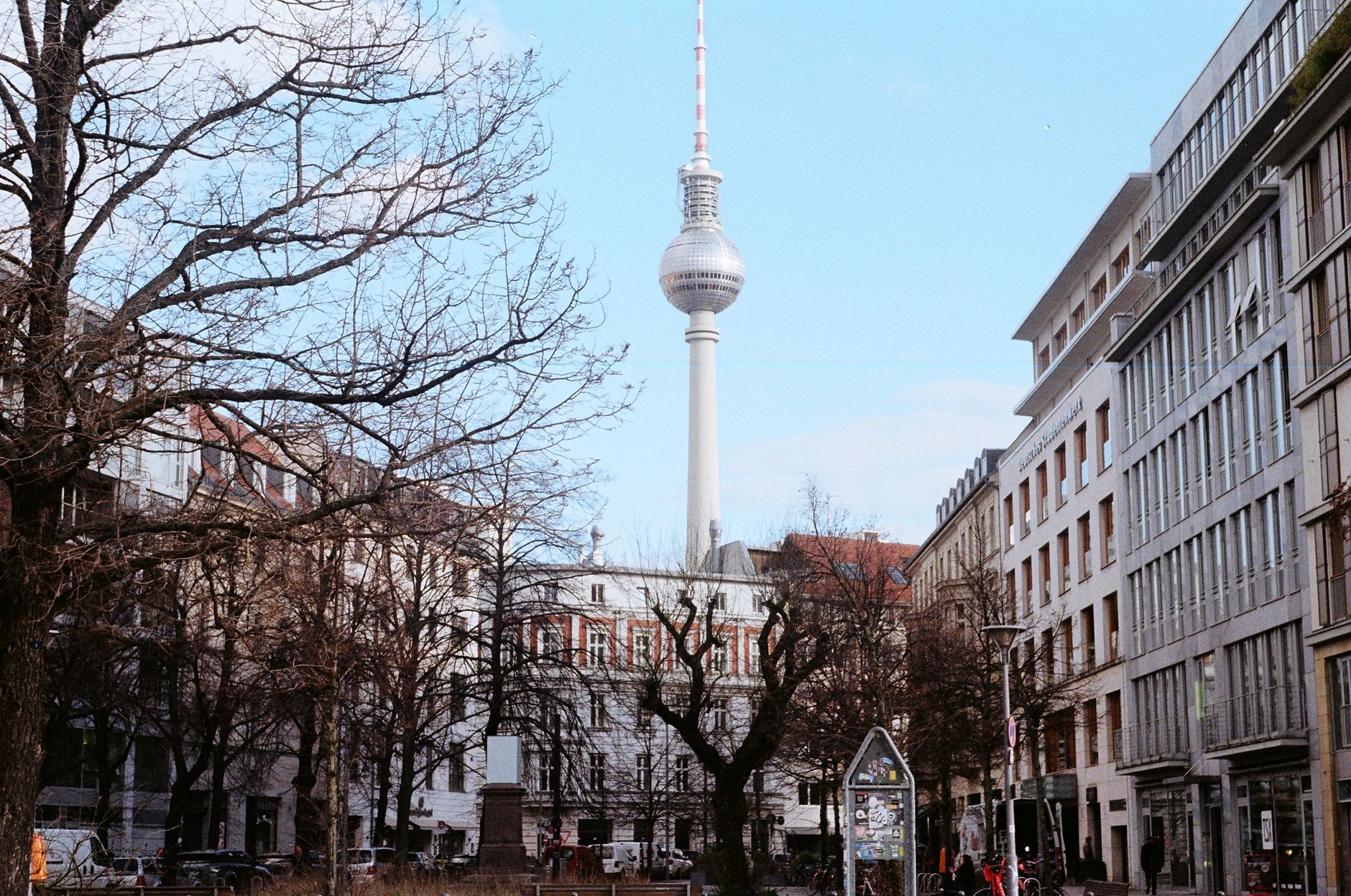
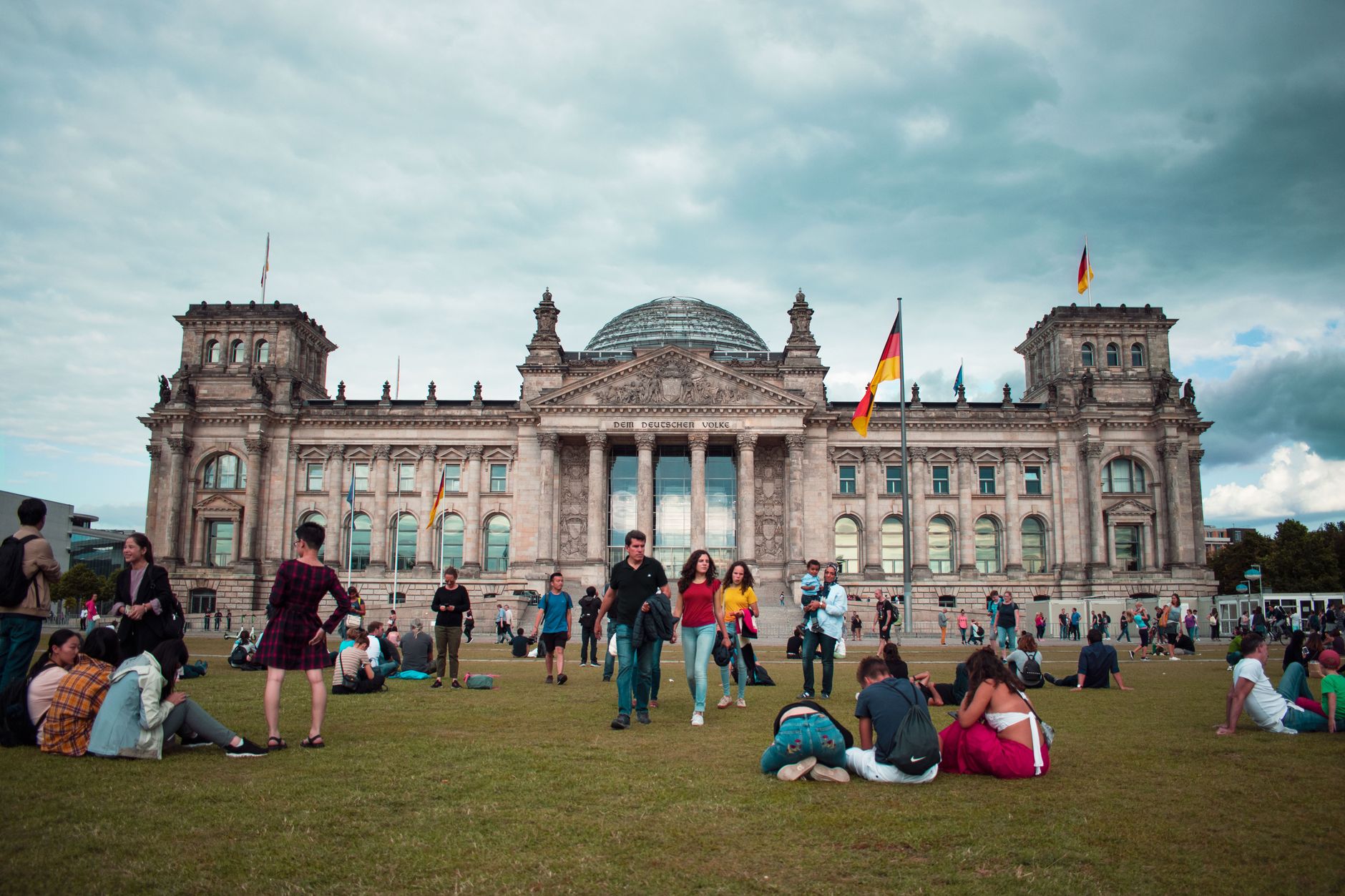
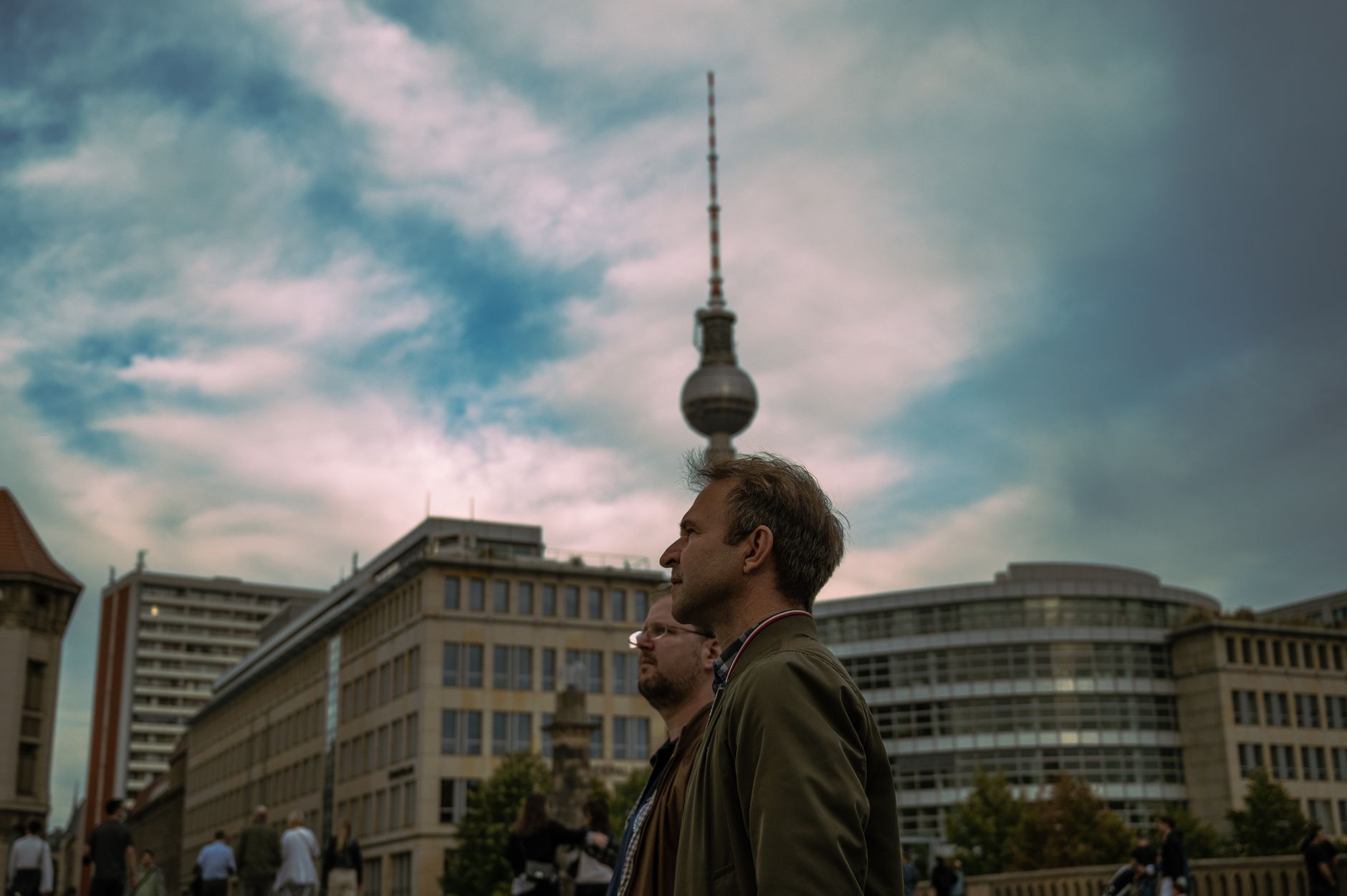
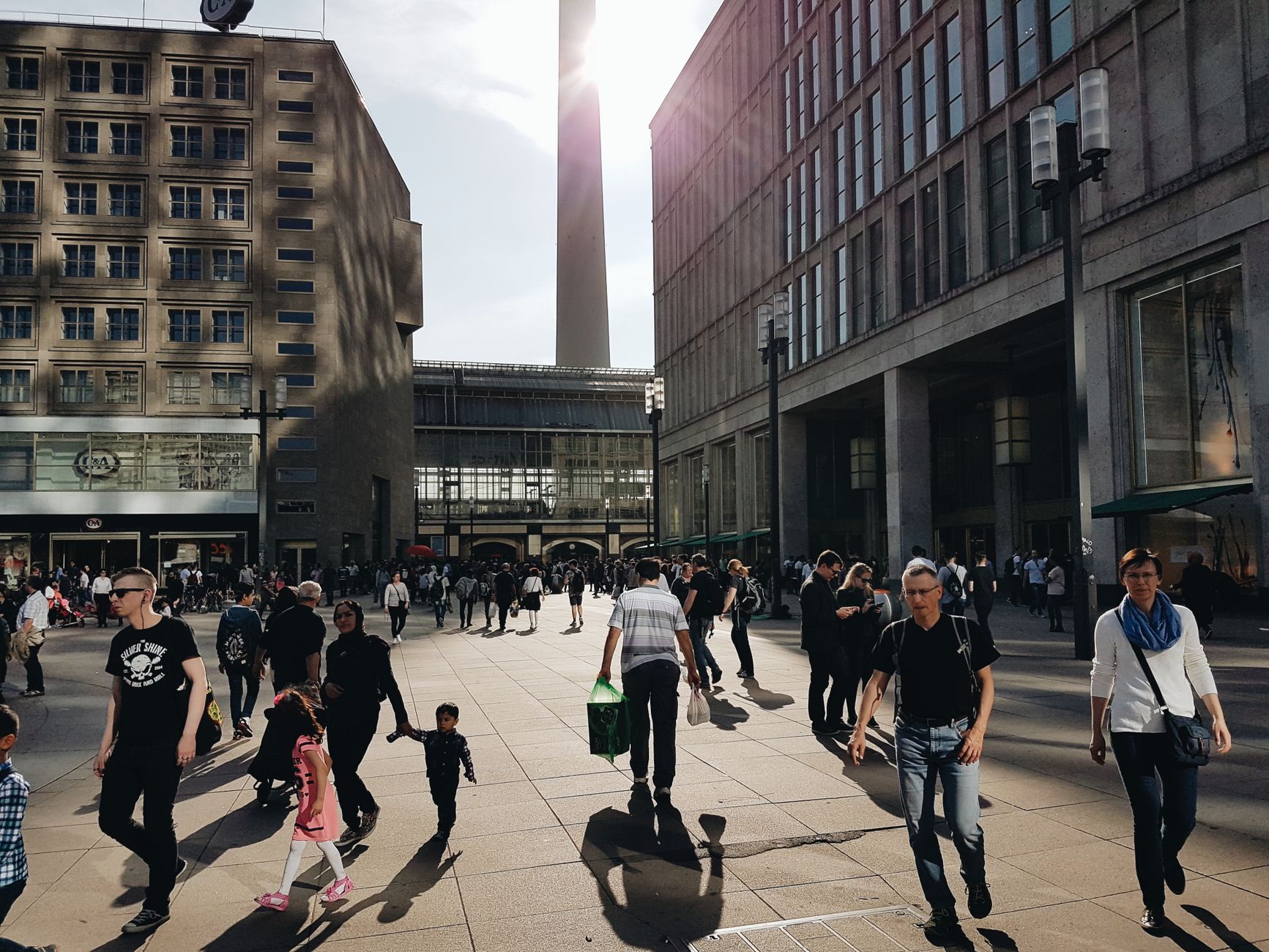
The 1.3-kilometre stretch of painted concrete along the Spree sets the tone for Friedrichshain before you've even crossed a bridge. This is where the Berlin Wall became a canvas in 1991, and where the logic of the city — its capacity to turn wreckage into something else entirely — plays out most visibly. Karl-Marx-Allee runs west from here, eight-storey apartment buildings faced in ceramic tile, their parquet floors and central heating once a statement of socialist ambition, now a statement of good bones.
Friedrichshain is one of Berlin's youngest boroughs in administrative terms, formalised as part of Greater Berlin only in 1920, though it carries a longer memory: a people's park planned in 1840, a hospital opened in 1874, a railway terminus that drew factories and workers long before the GDR had a flag to fly.
💛 What travellers fall for
People who come back tend to spend a Sunday morning at the RAW-Gelände flea market before the clubs have fully emptied, then walk north through Volkspark Friedrichshain to the Märchenbrunnen — 106 stone fairy-tale figures arranged around a fountain that took twelve years to build. The sequence makes a kind of sense only Friedrichshain can provide.
Deals in Friedrichshain
Book directly at the provider

How Friedrichshain came to be
Friedrichshain took its name from the Volkspark, which the city council planned in 1840 to mark the centenary of Frederick the Great's coronation — the grove itself preceding the borough by eighty years. The area industrialised fast after the Berlin–Frankfurt (Oder) railway opened in 1846, drawing a working-class population that remained its character through reunification.
World War II left it among Berlin's most damaged districts, and the GDR rebuilt its central boulevard — then called Stalinallee — as a showcase, with Hermann Henselmann's twin towers at Frankfurter Tor anchoring a 2.3-kilometre run of ornate, Soviet-influenced facades. After 1961 it sat hard against the Wall. After 1989, low rents and empty apartments drew squatters and artists from both sides of the former divide, and the neighbourhood's current character — still rough at the edges, still reconfiguring — follows directly from that particular window of time.
Who and what shaped it
People who shaped it
Landmark buildings
See Friedrichshain in motion
Plan your visit
On the map
When to go
Berlin summers in Friedrichshain are warm enough to spend long evenings in the park or along the Spree, though the city can turn grey and wet without warning. Winters are cold and often overcast; the architecture of Karl-Marx-Allee reads differently under a January sky — more austere, more itself.
Right now
Background & history adapted from Wikipedia (CC BY-SA) · specs from Wikidata (CC0) · weather from Open-Meteo · map data © OpenStreetMap contributors · photos from Wikimedia Commons / Unsplash with per-image credit. No third-party reviews or social posts reproduced.