
Neukölln
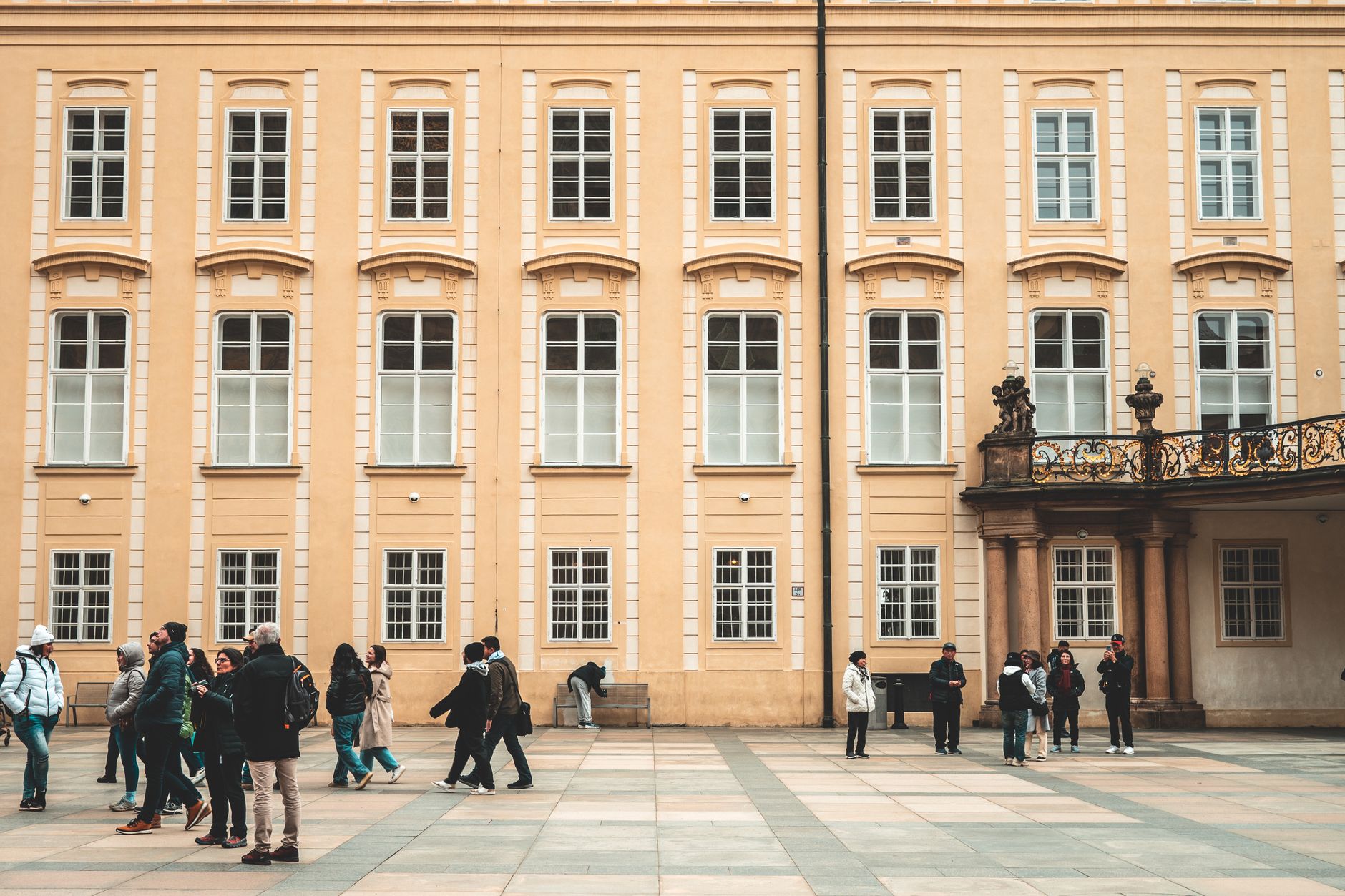
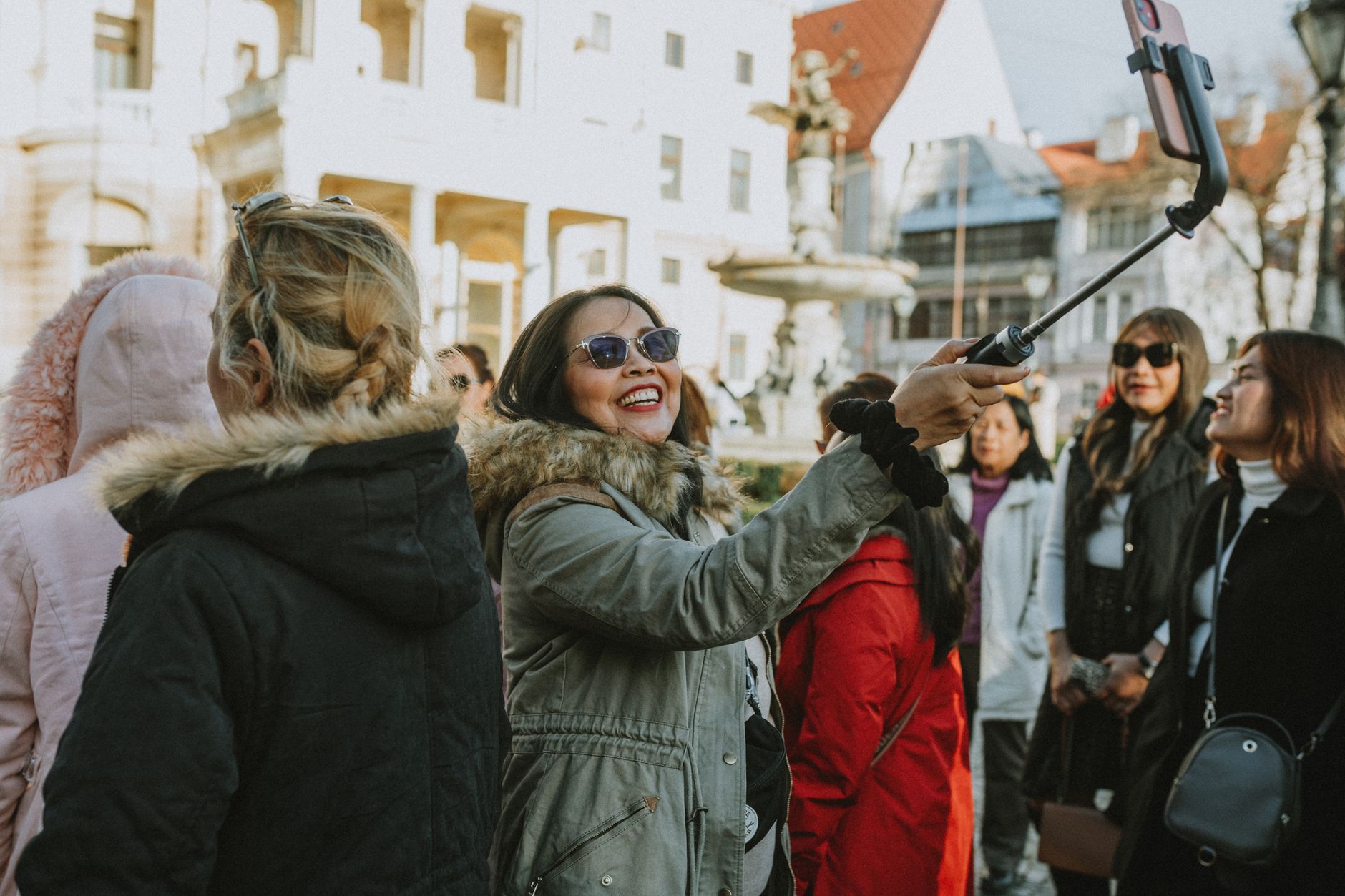
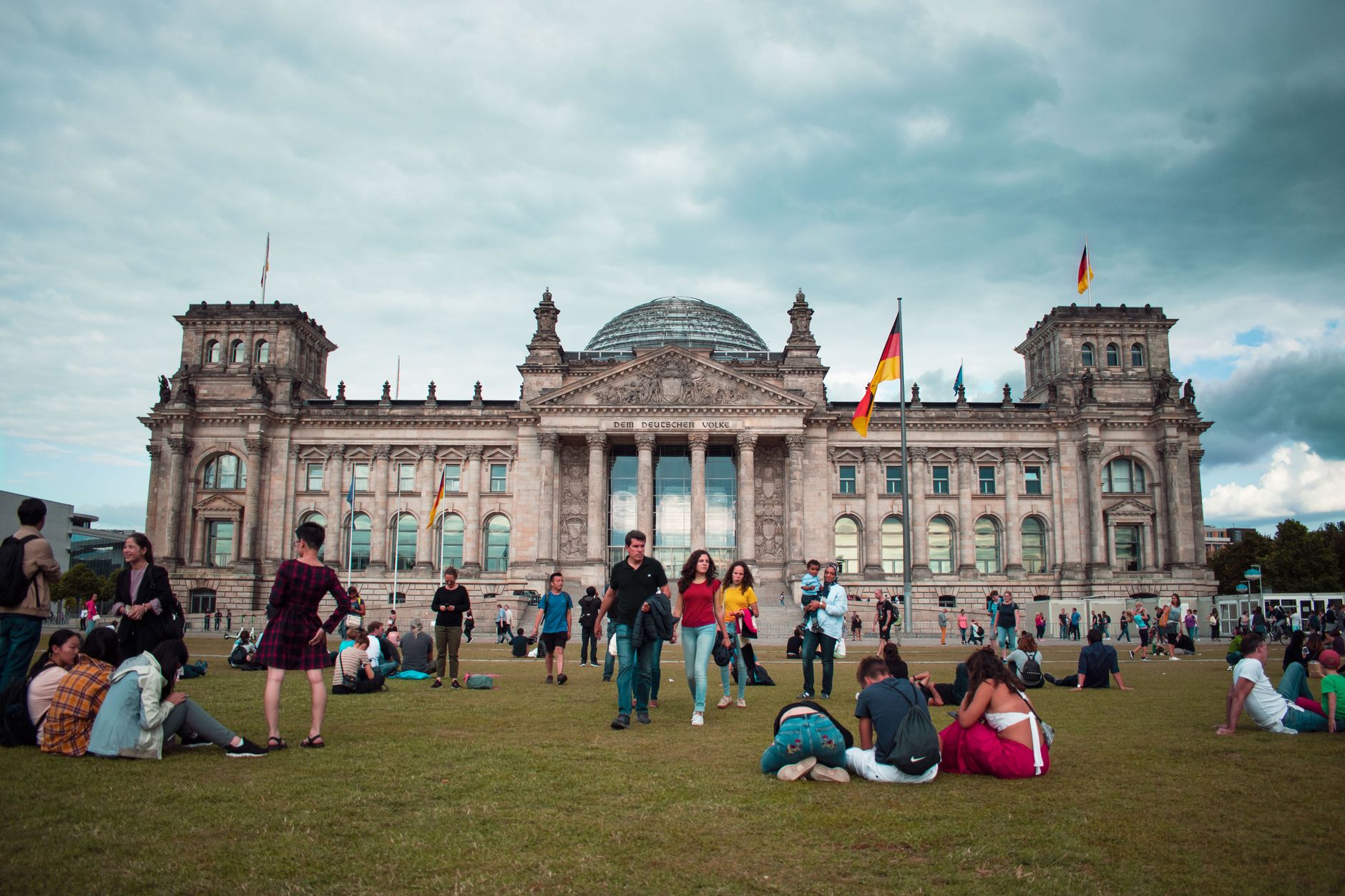
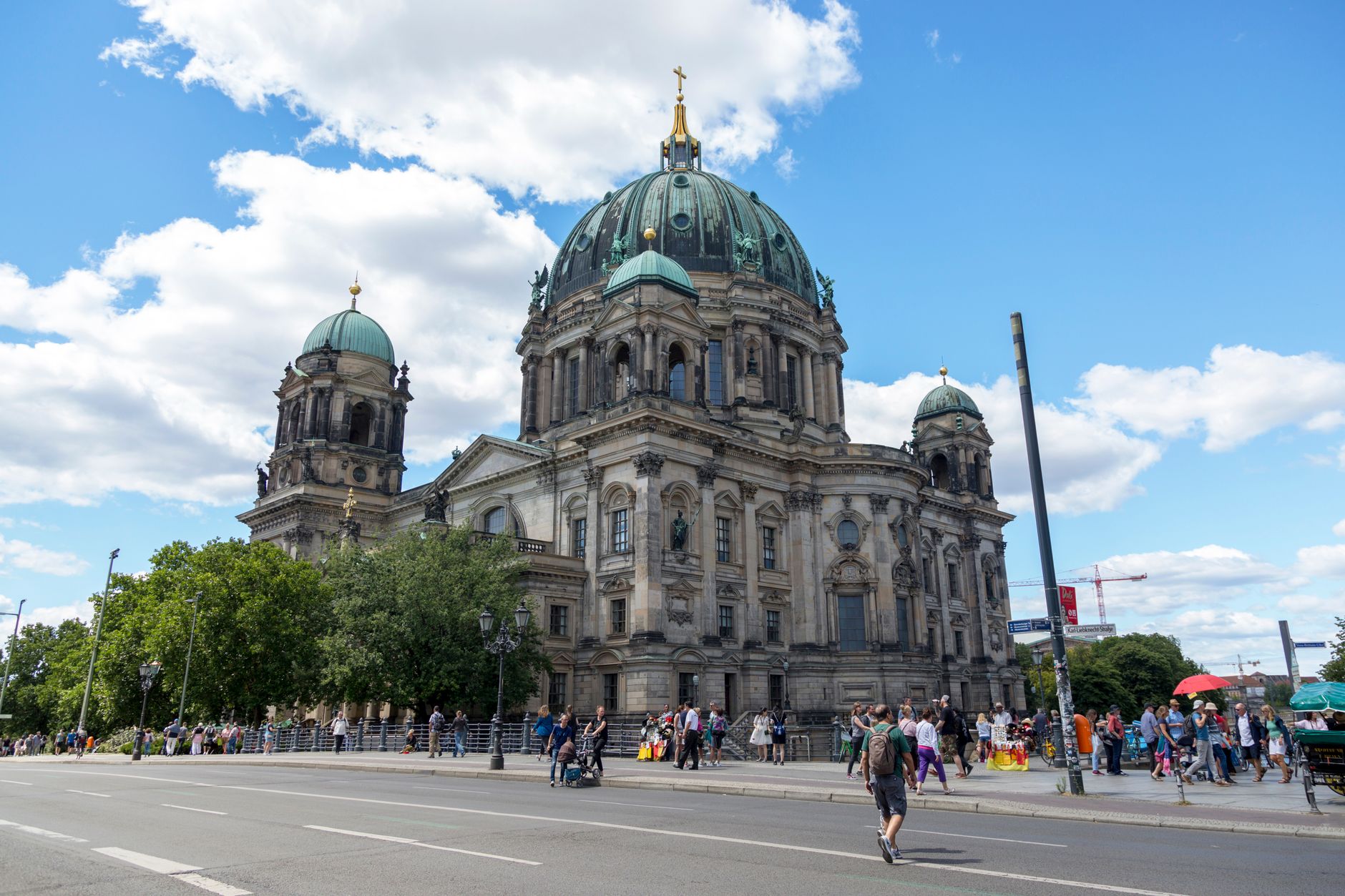
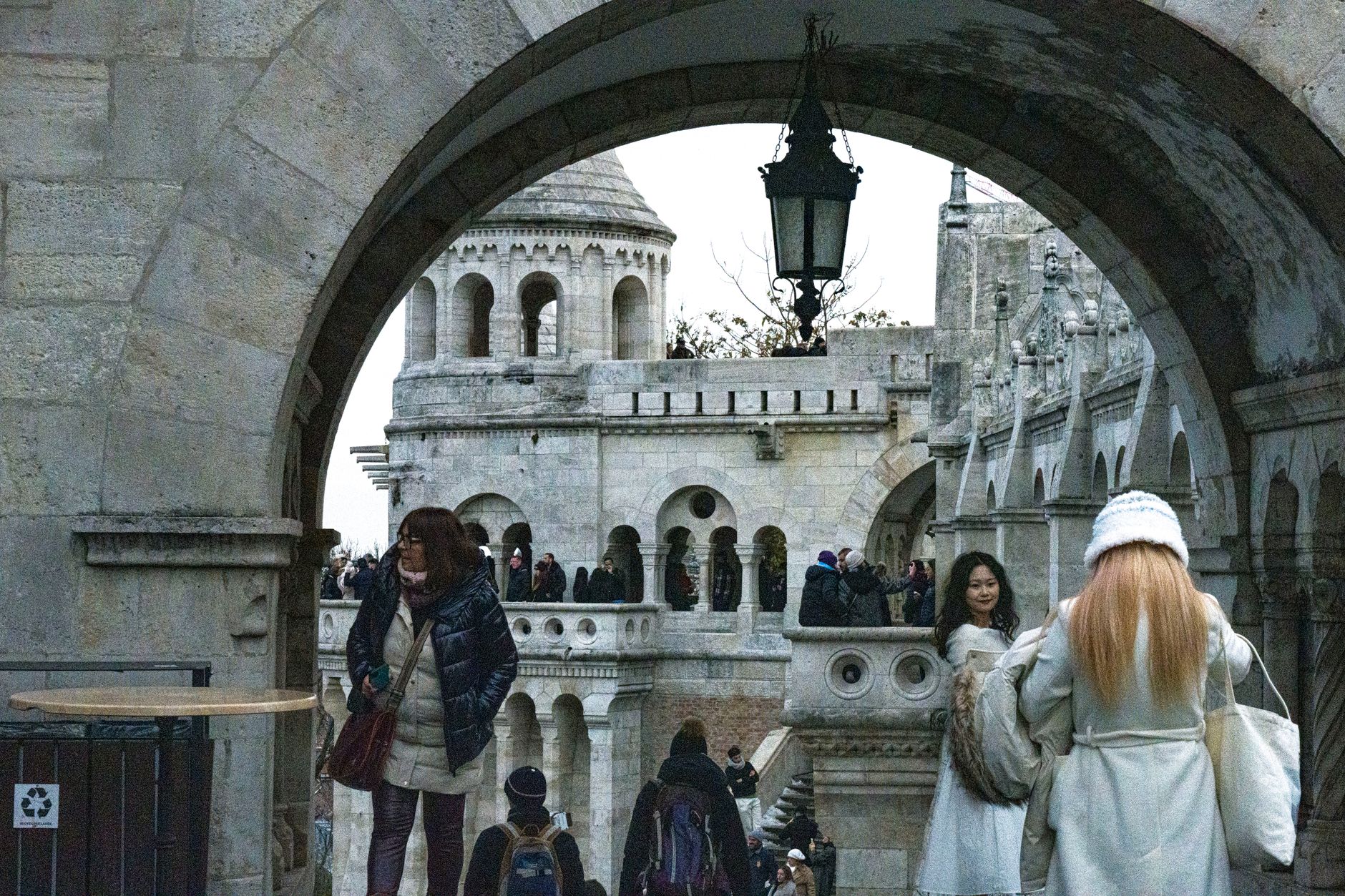
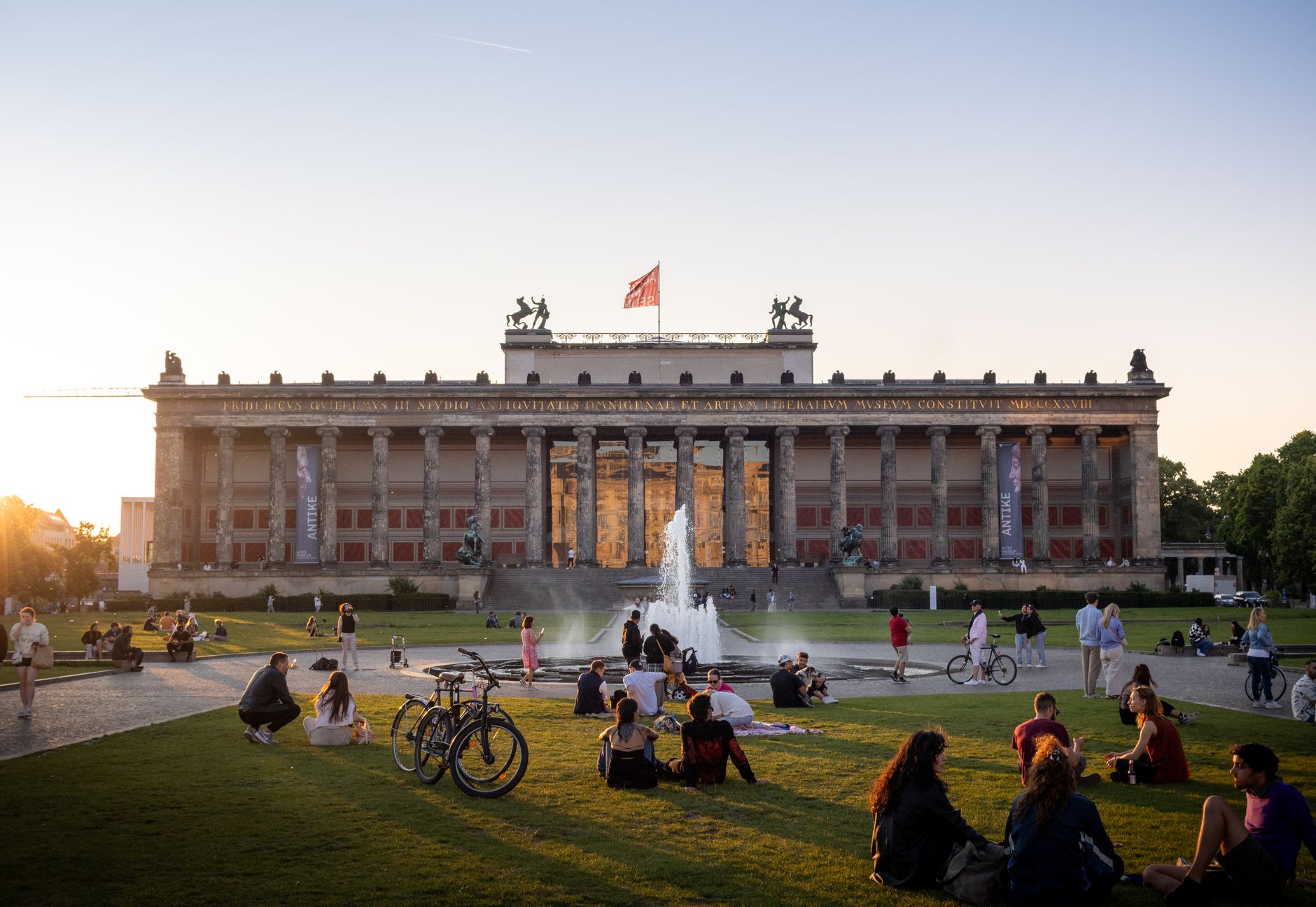
Stand at Hermannplatz on a Tuesday morning and the Maybachufer market is already deep in business — flat bread, olives, dried figs, vendors switching between German and Turkish mid-sentence. Neukölln has been absorbing new arrivals for centuries, from Bohemian refugees in the 1700s to the students and artists who began arriving in the mid-2000s, and that layering shows in every block.
What you find here is a borough that holds its contradictions without apology: Bruno Taut's UNESCO-listed Horseshoe Settlement a short ride from Walter Gropius's hulking Gropiusstadt towers; a baroque sunken park called Körnerpark sitting quietly below street level while the neighbourhood moves fast above it.
💛 What travellers fall for
People who come back tend to make Körnerpark their first stop — it's below the street, so you almost walk past it. Then Richardplatz, which still reads as a village square despite everything around it. The Neues Off Cinema on a weeknight, for whatever's on. And the KINDL brewery complex when there's a new installation.
Deals in Neukölln
Book directly at the provider

How Neukölln came to be
The ground beneath Neukölln has been organised and reorganised for eight centuries. A Knights Templar estate in the late 1200s became the village of Richardsdorf by 1360, passed to the Knights Hospitaller, and eventually grew into the town of Rixdorf — named on maps by the 18th century, when a wave of Bohemian Protestants arrived and settled here. The city was renamed Neukölln in 1912, then folded into Greater Berlin on 1 October 1920 alongside Britz, Buckow and Rudow.
The 20th century pressed hard on the borough. American-sector status after WWII shaped its postwar character, and the large-scale housing estates followed — Taut and Wagner's Hufeisensiedlung from 1925, Gropius's Gropiusstadt completed in 1975. By 1932, before the war reshaped everything, Neukölln held over 313,000 people. Today the count is different, the faces more various, the rents rising.
Who and what shaped it
People who shaped it
Landmark buildings
See Neukölln in motion
Plan your visit
On the map
When to go
Summers are mild and walkable, with daytime temperatures around 25°C — comfortable for the parks and markets. Winters sit close to freezing, so pack accordingly; December's Christmas market at Richardplatz is one reason to come anyway.
Right now
Background & history adapted from Wikipedia (CC BY-SA) · specs from Wikidata (CC0) · weather from Open-Meteo · map data © OpenStreetMap contributors · photos from Wikimedia Commons / Unsplash with per-image credit. No third-party reviews or social posts reproduced.