
Charlottenburg
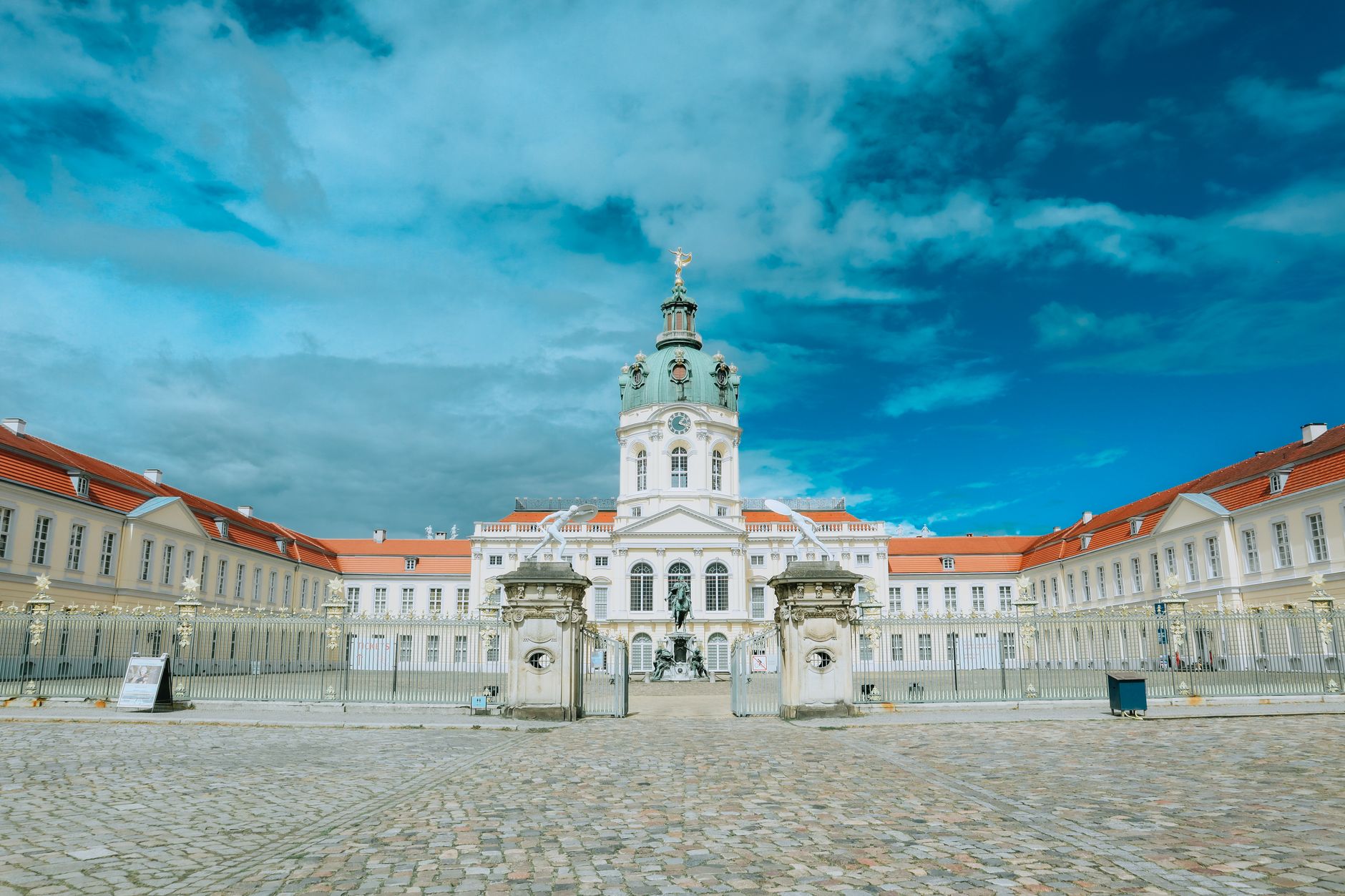
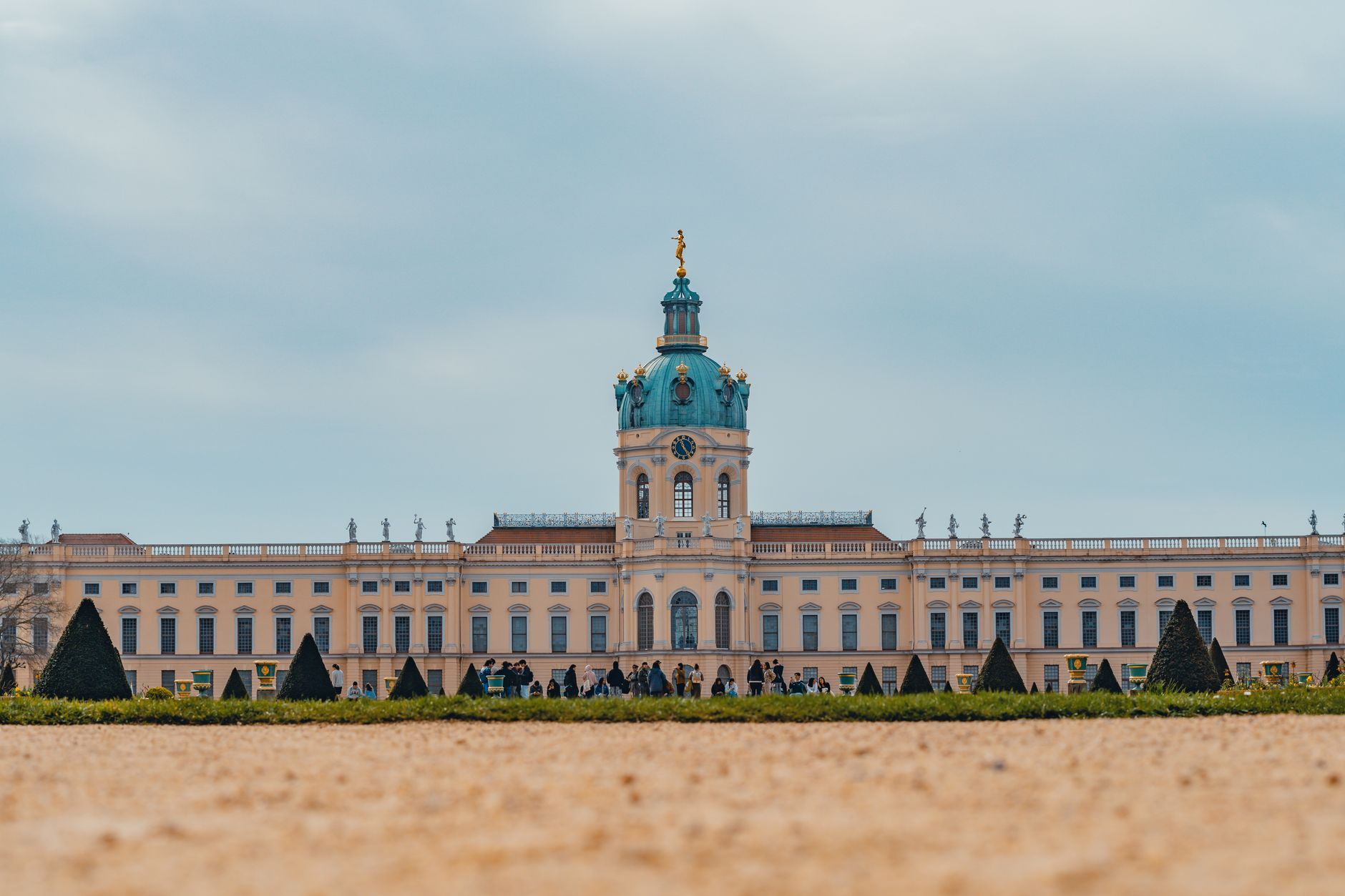
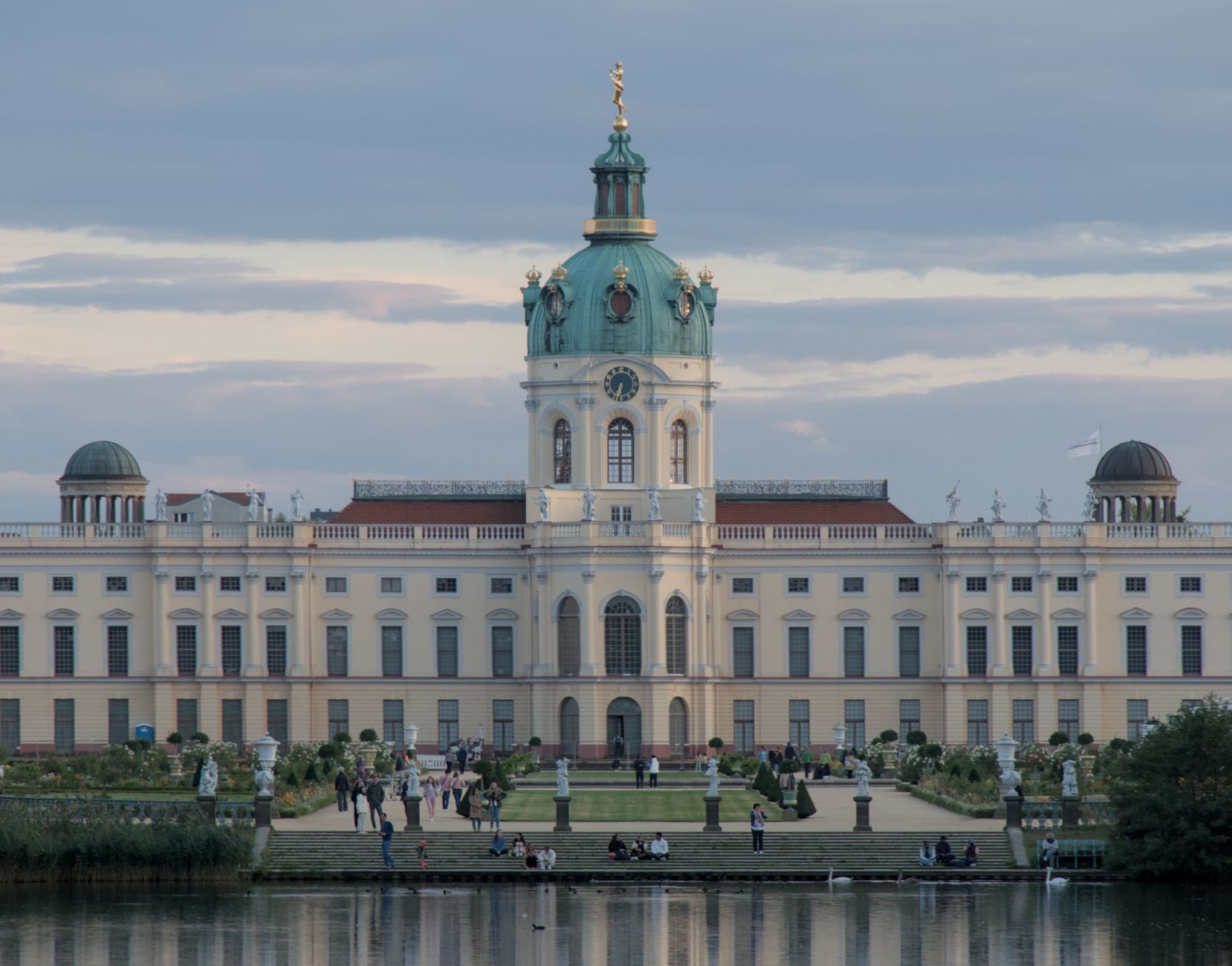
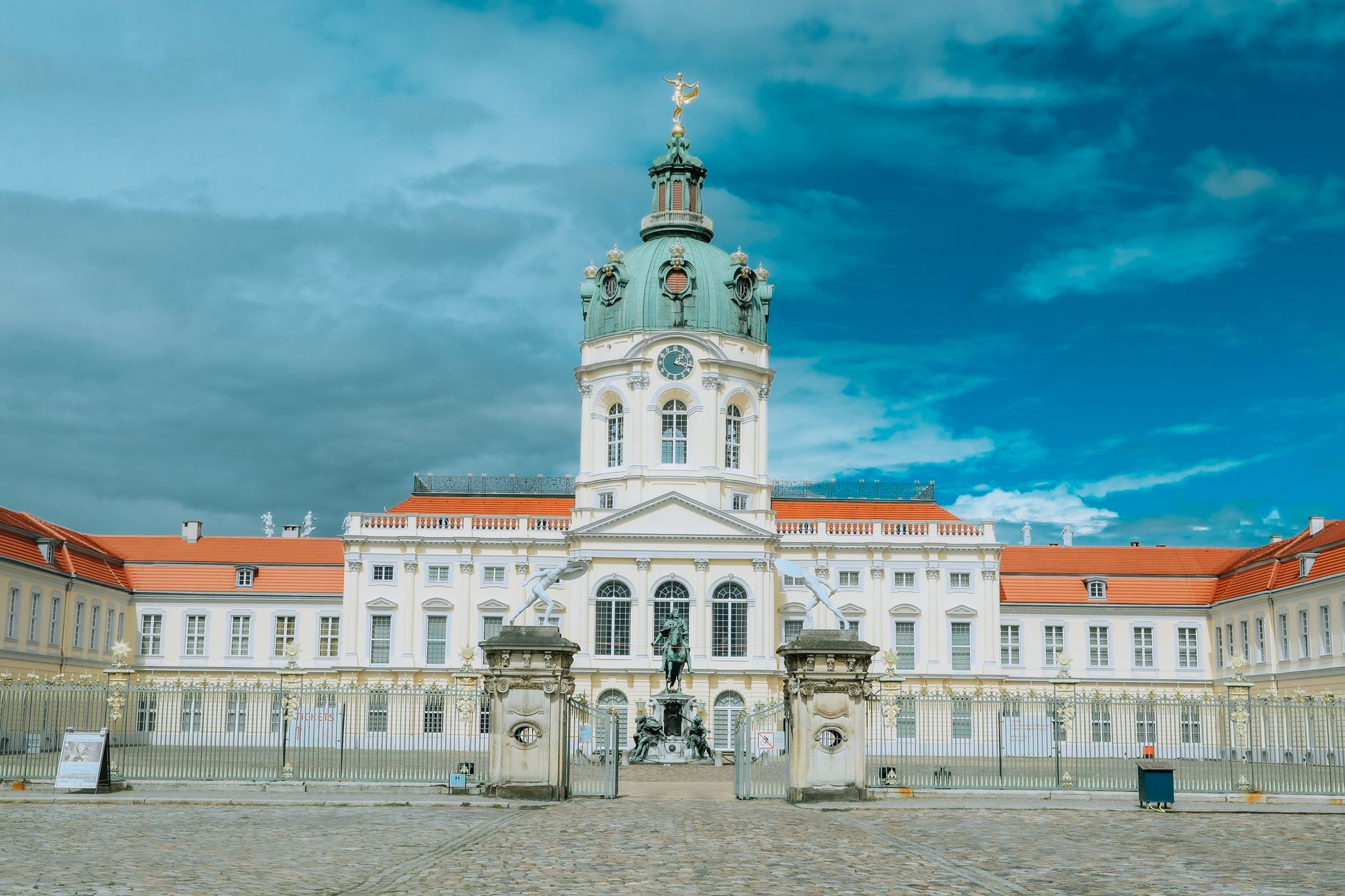
Stand in the courtyard of Charlottenburg Palace on a grey Berlin morning and the scale of the thing takes a moment to register — the long Baroque façade, the copper dome, the formal gardens dissolving into trees behind it. This is the west of Berlin, quieter in register than the districts across the river, built around a royal idea rather than a revolutionary one.
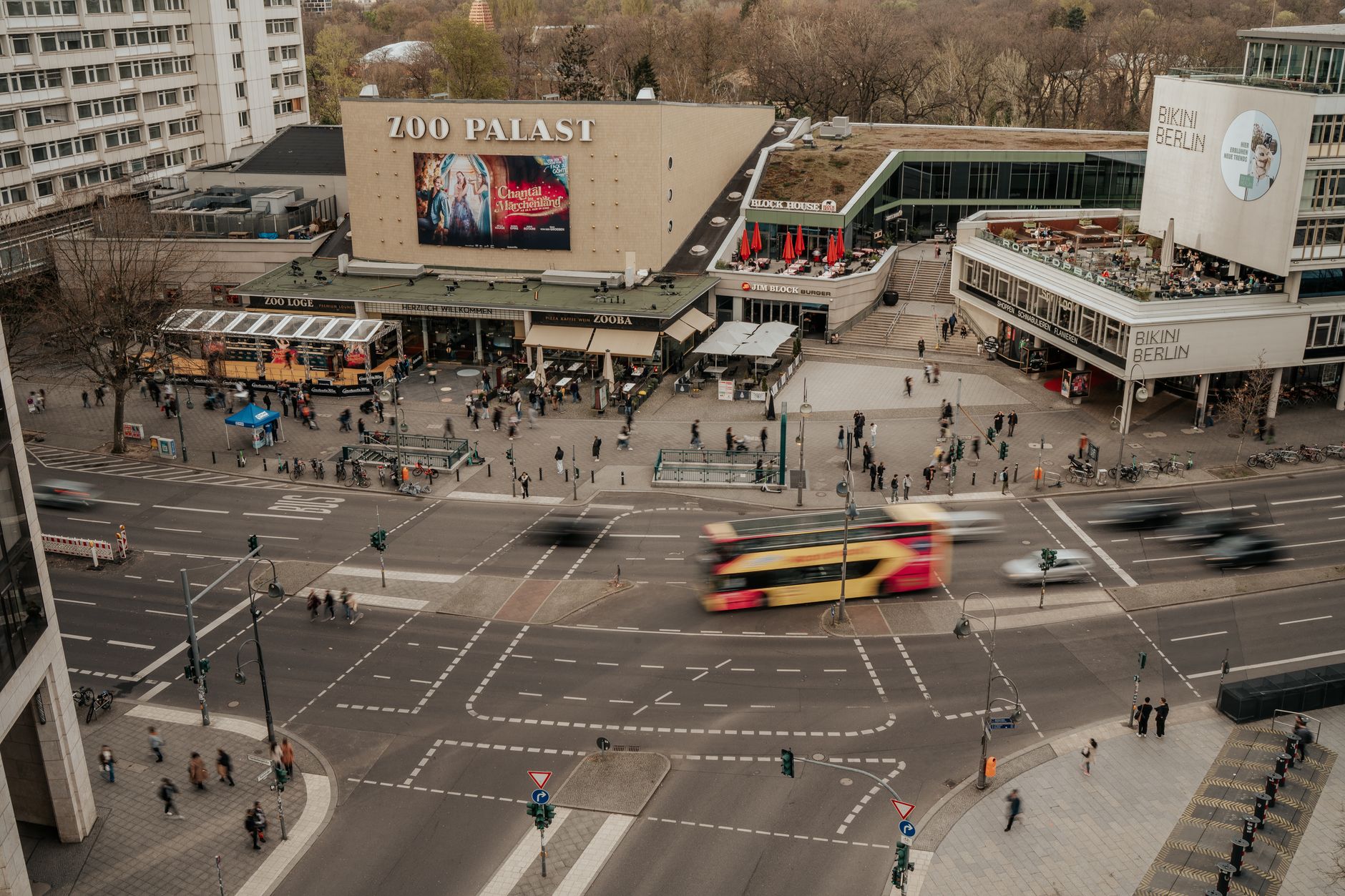
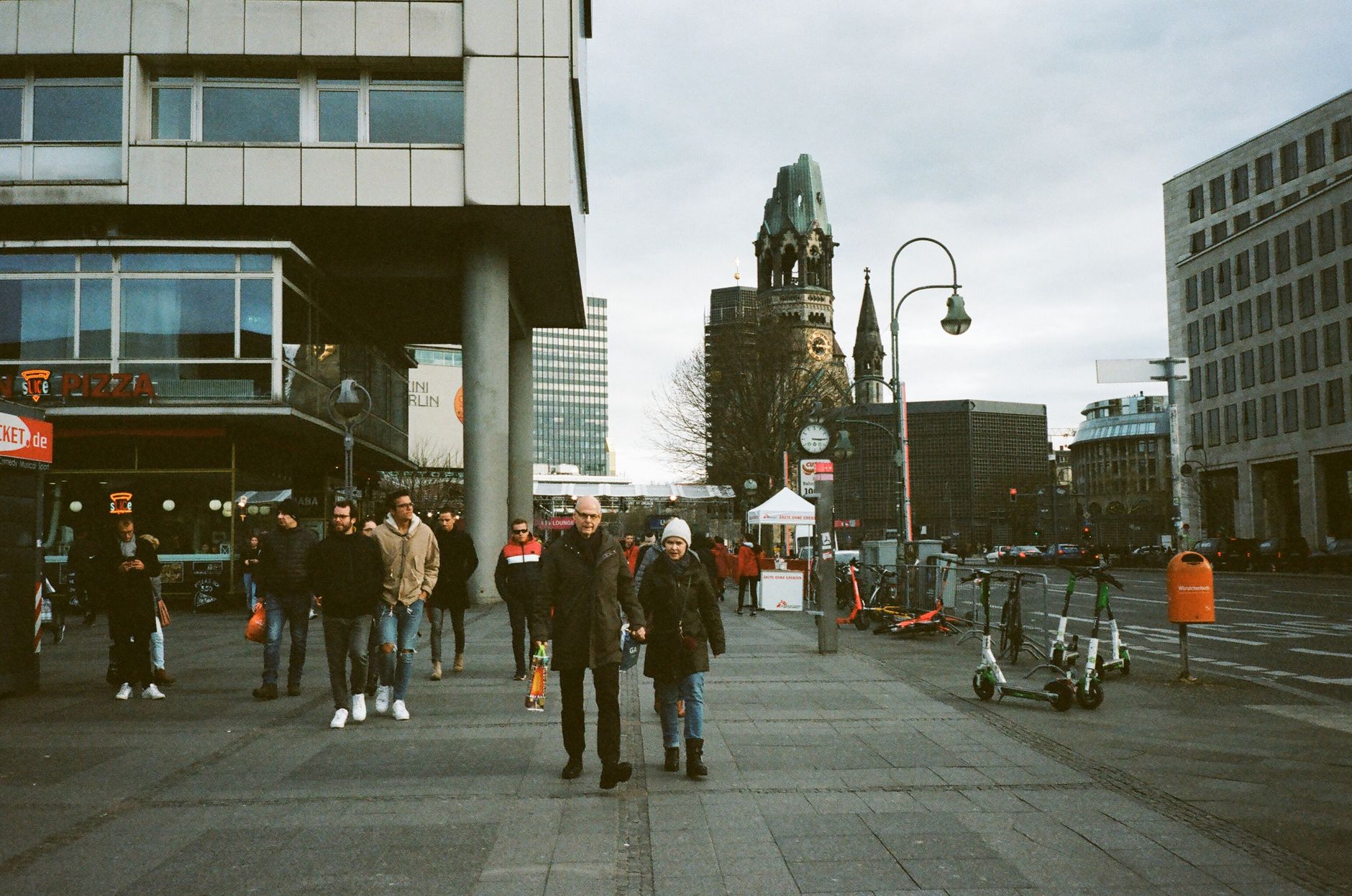
The Kurfürstendamm runs through it, lined with department stores and the ruins of the Kaiser Wilhelm Memorial Church, but Charlottenburg rewards the slower pace: the Berggruen collection a short walk from the palace gates, the palace gardens stretching across 55 hectares of Baroque geometry softened over centuries into something more English.
💛 What travellers fall for
People who come back tend to start at the palace gardens before the tour groups arrive, then cross to the Berggruen Museum — Heinz Berggruen returned his collection to his Berlin hometown in 1996 after sixty years away, and the intimacy of that gesture still reads in how the rooms are hung. Save the New Wing's Golden Gallery for last; the light changes everything.
Deals in Charlottenburg
Book directly at the provider


How Charlottenburg came to be
In 1696, Frederick I gave his wife Sophia Charlotte the estate of Lietzow manor. The architect Johann Arnold Nering drew up a Baroque summer residence, built between 1695 and 1699, and when Frederick crowned himself King in Prussia in 1701 it became her permanent home. Sophia Charlotte died in 1705, aged 36 — a patron of the arts who counted Leibniz among her friends — and the palace and the newly chartered city around it were renamed in her honour.
Construction continued in waves: Eosander extended the wings after studying Versailles; Frederick the Great added the eastern New Wing to Knobelsdorff's designs between 1740 and 1746, including the Golden Gallery and the White Hall. The palace was badly damaged in 1943 and its restoration took more than two decades. In 1920 the independent city of Charlottenburg had been folded into Greater Berlin, and in 2001 its district merged with Wilmersdorf — layers of civic identity compressed into a name that still belongs, really, to a queen who died young.
Who and what shaped it
People who shaped it
Landmark buildings
See Charlottenburg in motion
Plan your visit
On the map
When to go
Berlin winters are cold and often overcast, which suits the palace interiors well but makes the gardens stark. The gardens read best from April through October; late May and September offer mild days without the summer crowds that gather around the courtyard in July and August.
Right now
Background & history adapted from Wikipedia (CC BY-SA) · specs from Wikidata (CC0) · weather from Open-Meteo · map data © OpenStreetMap contributors · photos from Wikimedia Commons / Unsplash with per-image credit. No third-party reviews or social posts reproduced.