
Spandau
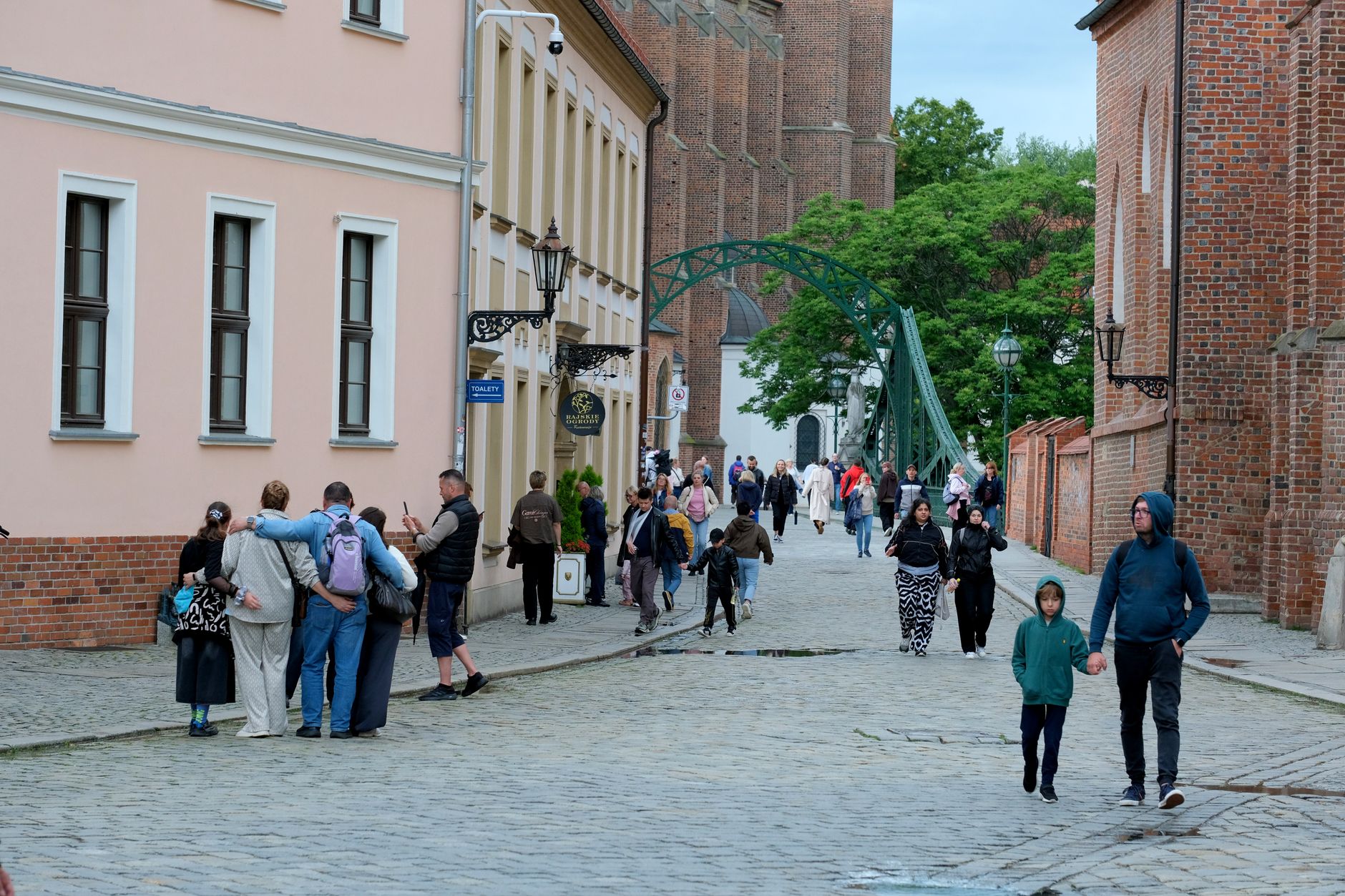
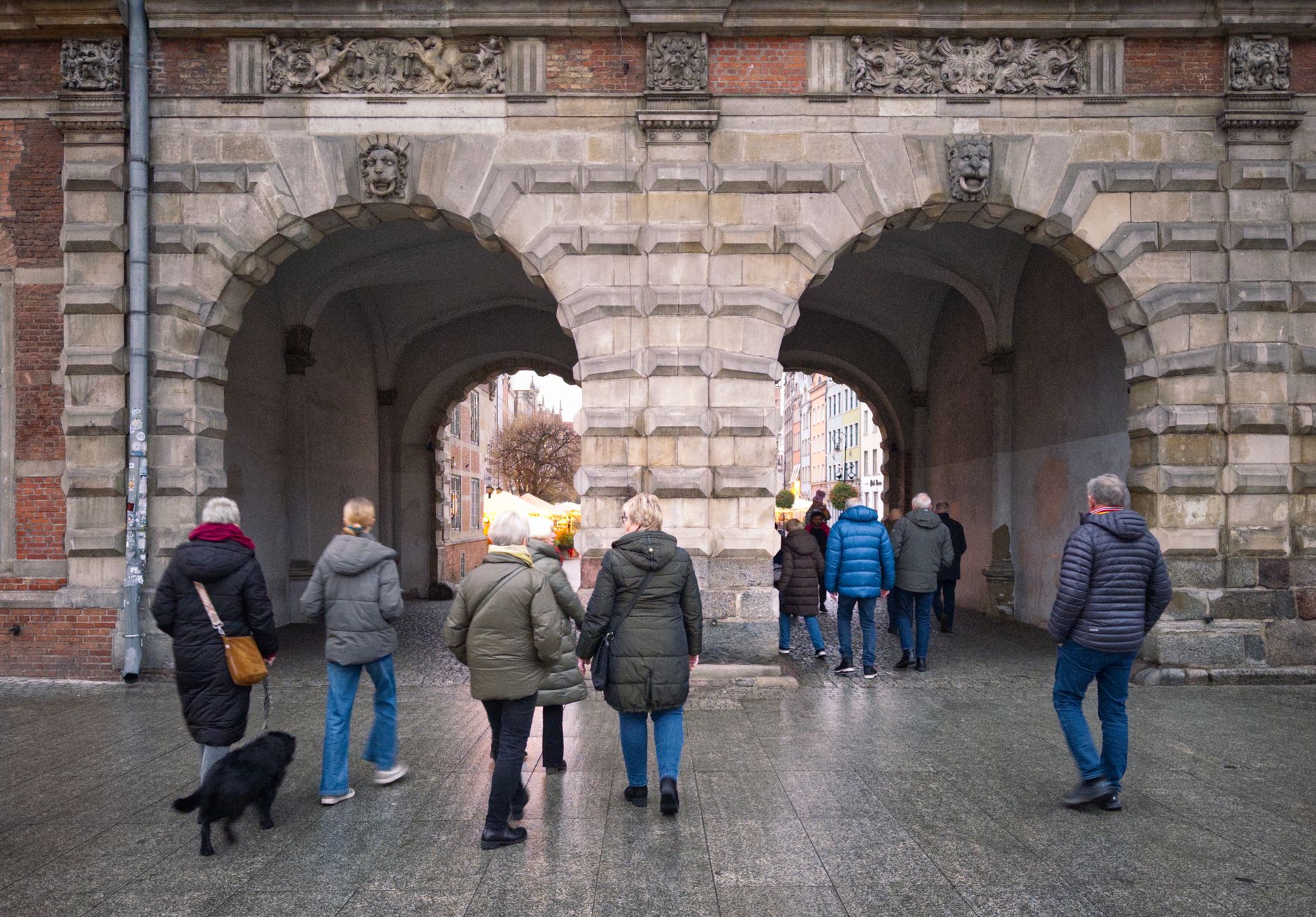
Spandau has been a city longer than Berlin has. That fact sits quietly at the heart of the Juliusturm, a 13th-century tower that predates its famous neighbour by decades and still stands at the centre of the Citadel, surrounded by a moat and four Renaissance bastions. First documented in 1197 — forty years before Berlin-Cölln appears in any record — Spandau spent centuries as a distinct place with its own rhythms, its own church, its own prison.
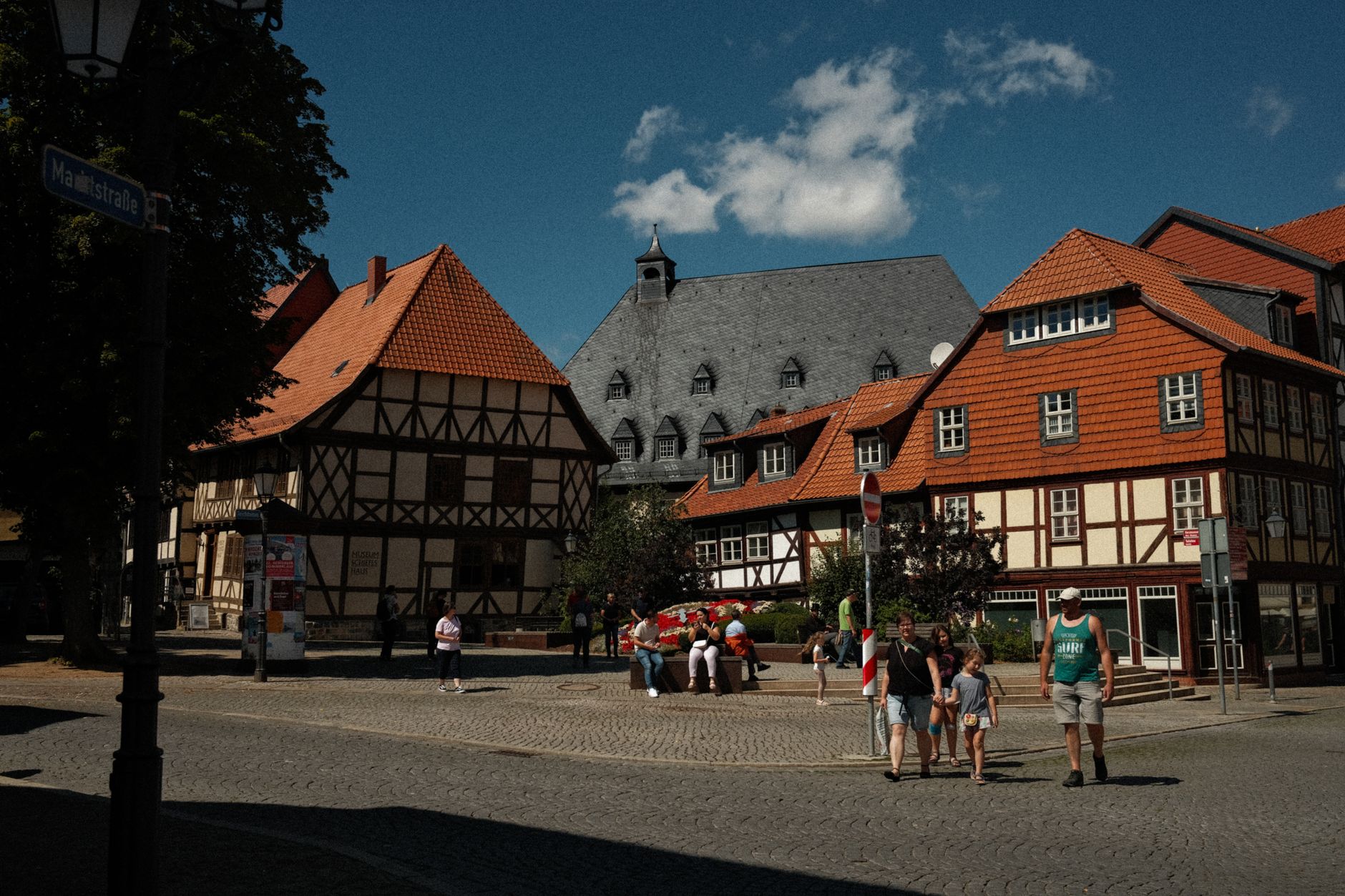
That separateness never quite dissolved. The old town has Berlin's largest pedestrian zone, a Late Gothic house from the 15th century still standing on a quiet corner, and a church where the Protestant Reformation arrived in Brandenburg on a specific date: 1 November 1539.
💛 What travellers fall for
People who come back tend to time the Citadel for a Thursday evening, when it stays open until 8 pm and the crowds thin. The Kolk quarter, oldest part of the Altstadt, is worth walking slowly — the scale is different from central Berlin, lower and older-feeling. The Gotisches Haus on the main pedestrian street is easy to walk past without realising what it is.
Deals in Spandau
Book directly at the provider


How Spandau came to be
Slavic settlers were here in the 7th or 8th century, and the Hevelli tribe built a fortress on the confluence of the Havel and Spree. By 1232, Spandau had city rights — well before Berlin was anything more than a river crossing. The Citadel as it stands now was begun under Ascanian rule and completed between 1559 and 1594 under Joachim II of Brandenburg, to plans drawn by the Italian architect Francesco Chiaramella de Gandino. Its walls run to four metres thick.
The centuries brought Swedish troops in 1634, Napoleon's forces in 1806, and Prussian and Russian besiegers in 1813. In 1920, Spandau was absorbed into Greater Berlin. After 1945 it fell into the British sector, and the prison built here in 1876 became the detention site for Nazi war criminals — Rudolf Hess its final inmate until his death in 1987, after which the building was demolished and replaced with a shopping centre.
Who and what shaped it
People who shaped it
Landmark buildings
See Spandau in motion
Plan your visit
On the map
When to go
Summers are warm and wet enough to make the Citadel's moat feel appropriately atmospheric; winters are cold and grey, with January averaging well below freezing and daylight running short. Spring and early autumn are the most comfortable seasons to walk the Altstadt at length.
Right now
Background & history adapted from Wikipedia (CC BY-SA) · specs from Wikidata (CC0) · weather from Open-Meteo · map data © OpenStreetMap contributors · photos from Wikimedia Commons / Unsplash with per-image credit. No third-party reviews or social posts reproduced.