
Köpenick
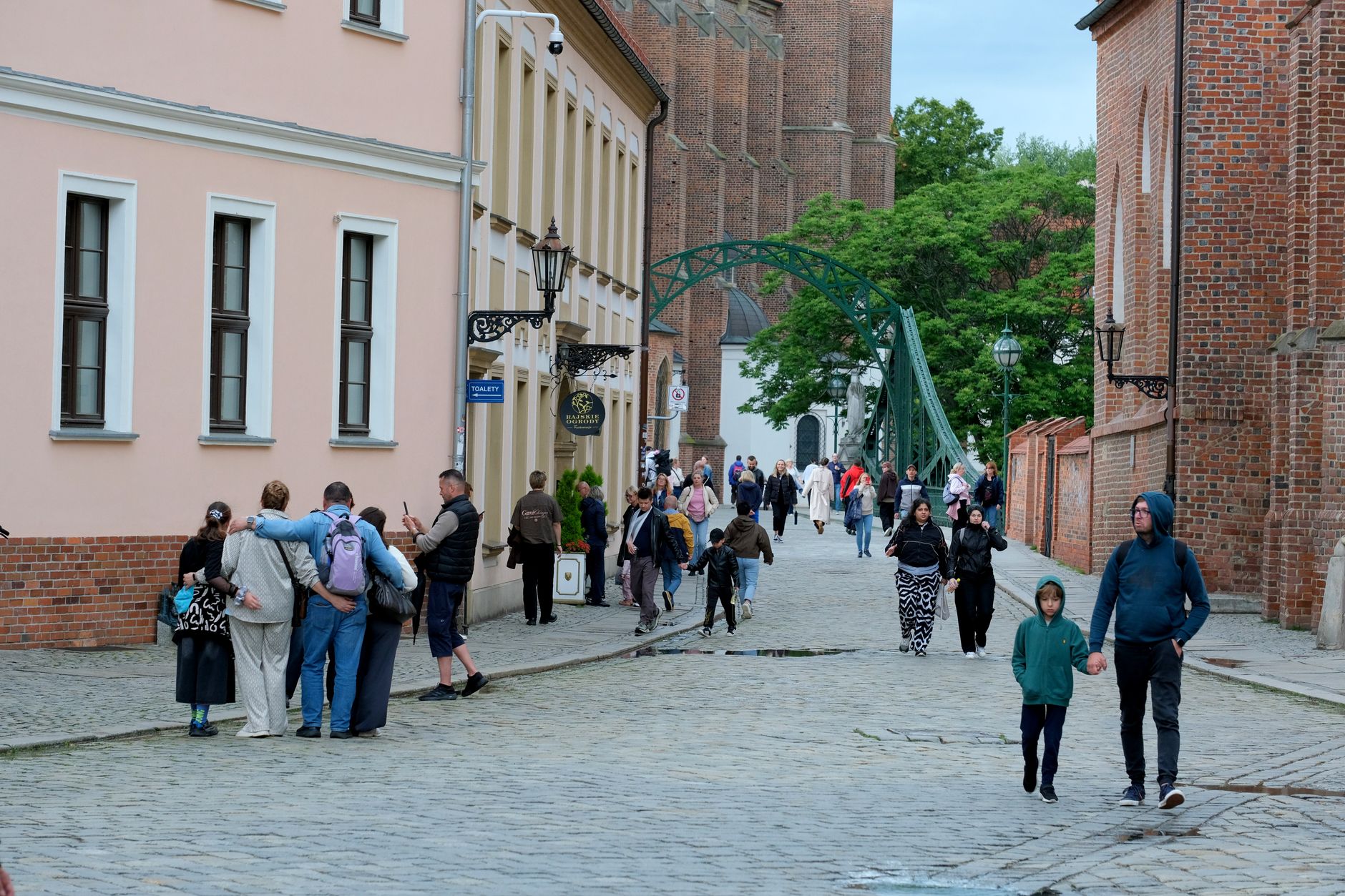
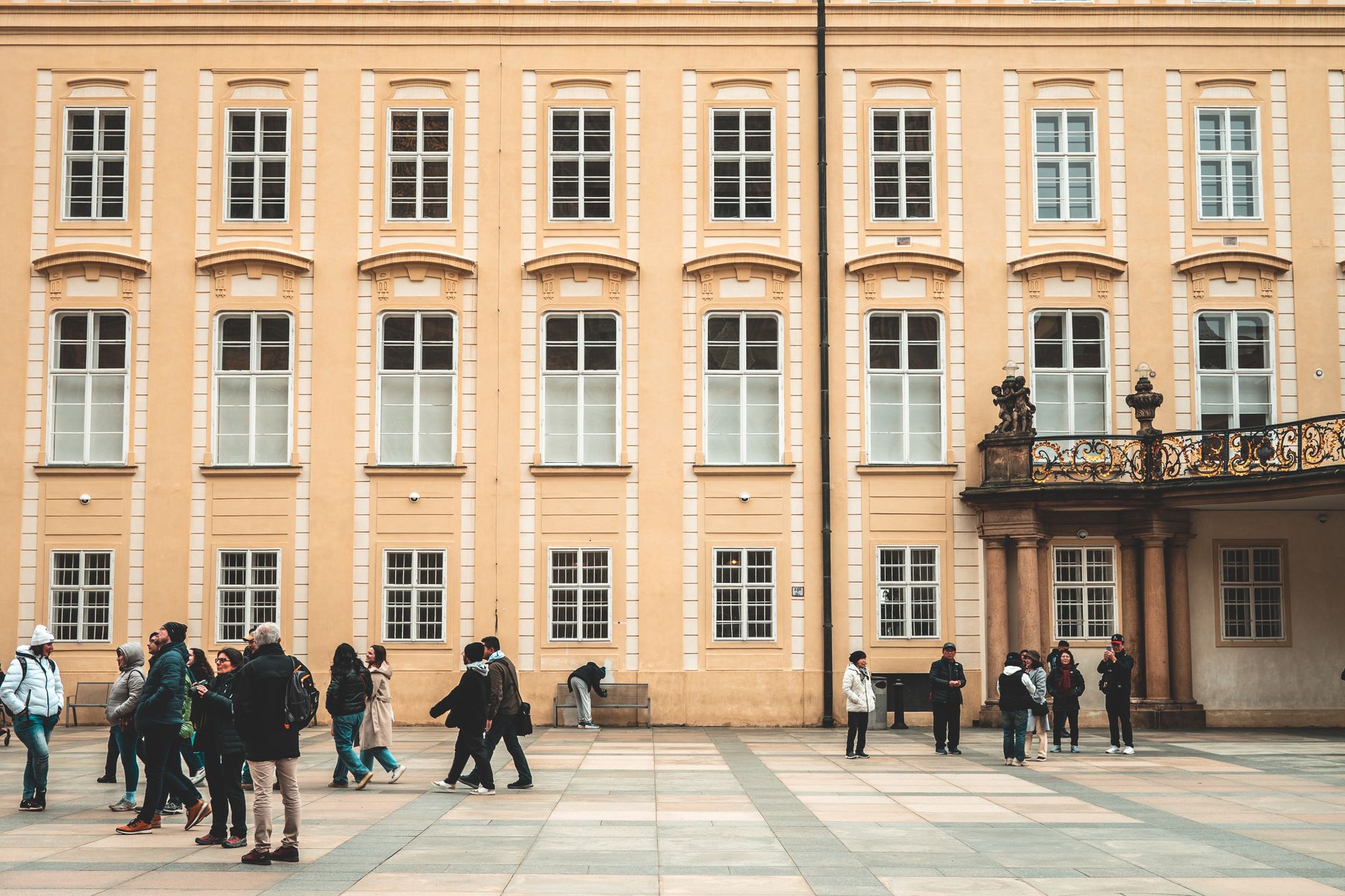
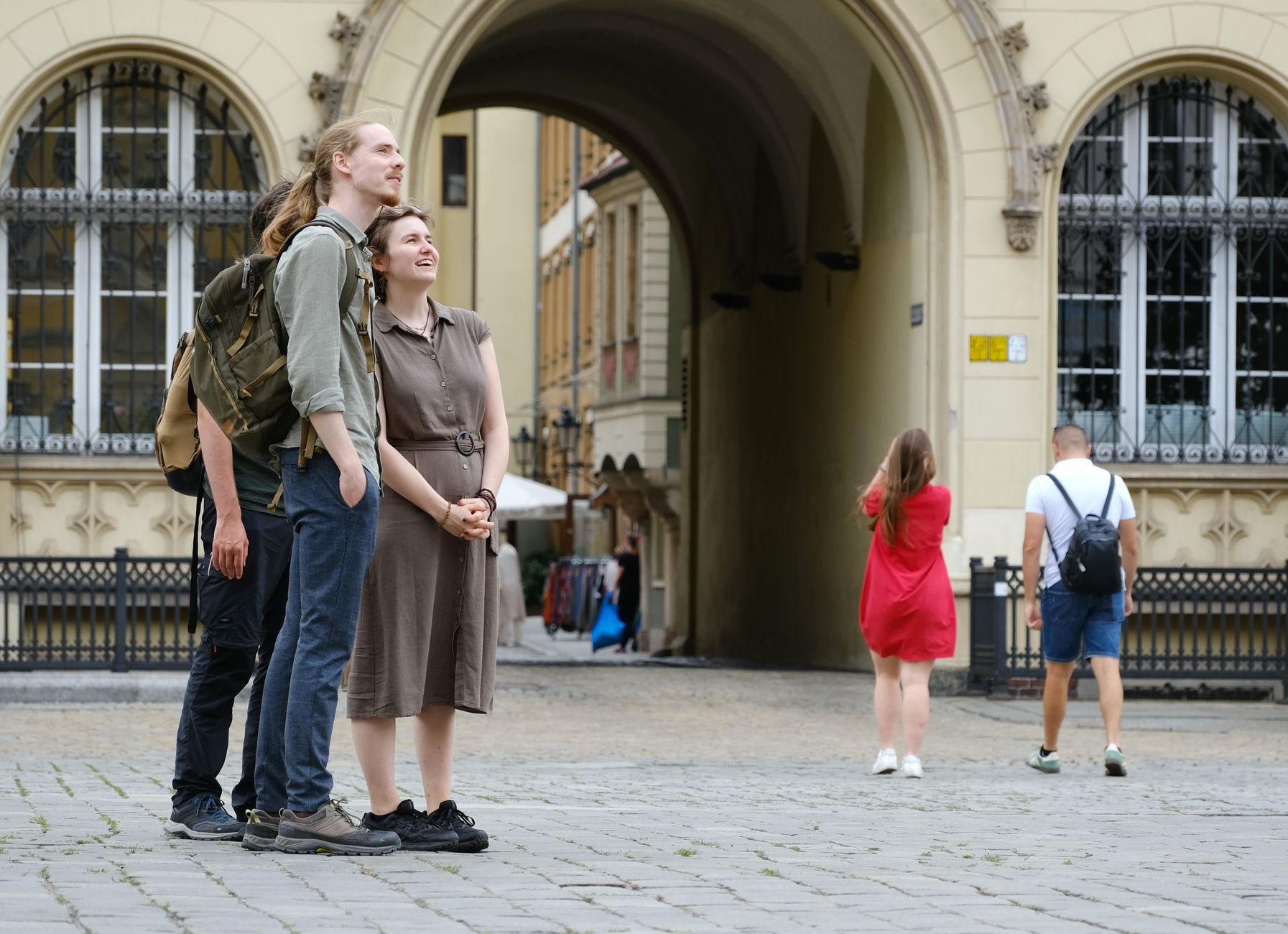

Köpenick sits at the south-eastern edge of Berlin where the Dahme and Spree rivers meet, and it has always felt like a different city from the one you arrived in. The old town is an actual island, connected by bridges, and the pace drops the moment you cross them. A Baroque palace stands on its own island a short walk away, water on all sides, an English-style park behind it.
This is the largest borough Berlin absorbed under the Greater Berlin Act of 1920 — 128 square kilometres of lakes, forest, low-rise streets, and the Müggelberge hills, which at 115 metres are the highest natural point in the city. It rewards wandering more than planning.
💛 What travellers fall for
People who come back tend to mention the Fischerkiez — the Fishermen's Quarter on Gartenstraße, where single-storey houses sit close to the water and the scale feels almost rural. They also mention the Schloss Köpenick courtyard on a quiet weekday, when you can have the cobblestones largely to yourself and the entry fee is four euros.
Deals in Köpenick
Book directly at the provider


How Köpenick came to be
The earliest written record of Köpenick is a deed dated 12 February 1210, issued under the seal of Margrave Conrad II of Lusatia. Town privileges followed by 1232. The place cycled through spellings — Copanic, then Cöpenick — before settling on the current form in 1931.
The building that defines it architecturally began as a hunting lodge in 1558, ordered by Elector Joachim II Hector of Brandenburg. It was rebuilt between 1677 and 1690 for Frederick III by the Dutch master builder Rutger van Langervelt, emerging as the Baroque water palace that still stands on its island in the Dahme. The town hall, built in Brandenburg brick Gothic, acquired its most famous association in 1906, when a shoemaker named Friedrich Wilhelm Voigt dressed as a Prussian captain, commandeered a squad of soldiers, marched them to the town hall, had the mayor arrested, and walked off with the town treasury. He was caught ten days later. Carl Zuckmayer turned the episode into a play; a bronze statue of the captain now stands at the town hall entrance.
Who and what shaped it
People who shaped it
Landmark buildings
See Köpenick in motion
Plan your visit
On the map
When to go
Winters are cold and grey, with January the snowiest month and short days that make outdoor exploration less appealing. Spring is unpredictable — snow is possible into April — but by May the lakes and forest paths come into their own. Summer days reach around 25°C and the waterways make the heat easy to bear; this is when Köpenick makes the most sense.
Right now
Background & history adapted from Wikipedia (CC BY-SA) · specs from Wikidata (CC0) · weather from Open-Meteo · map data © OpenStreetMap contributors · photos from Wikimedia Commons / Unsplash with per-image credit. No third-party reviews or social posts reproduced.