
Tiergarten
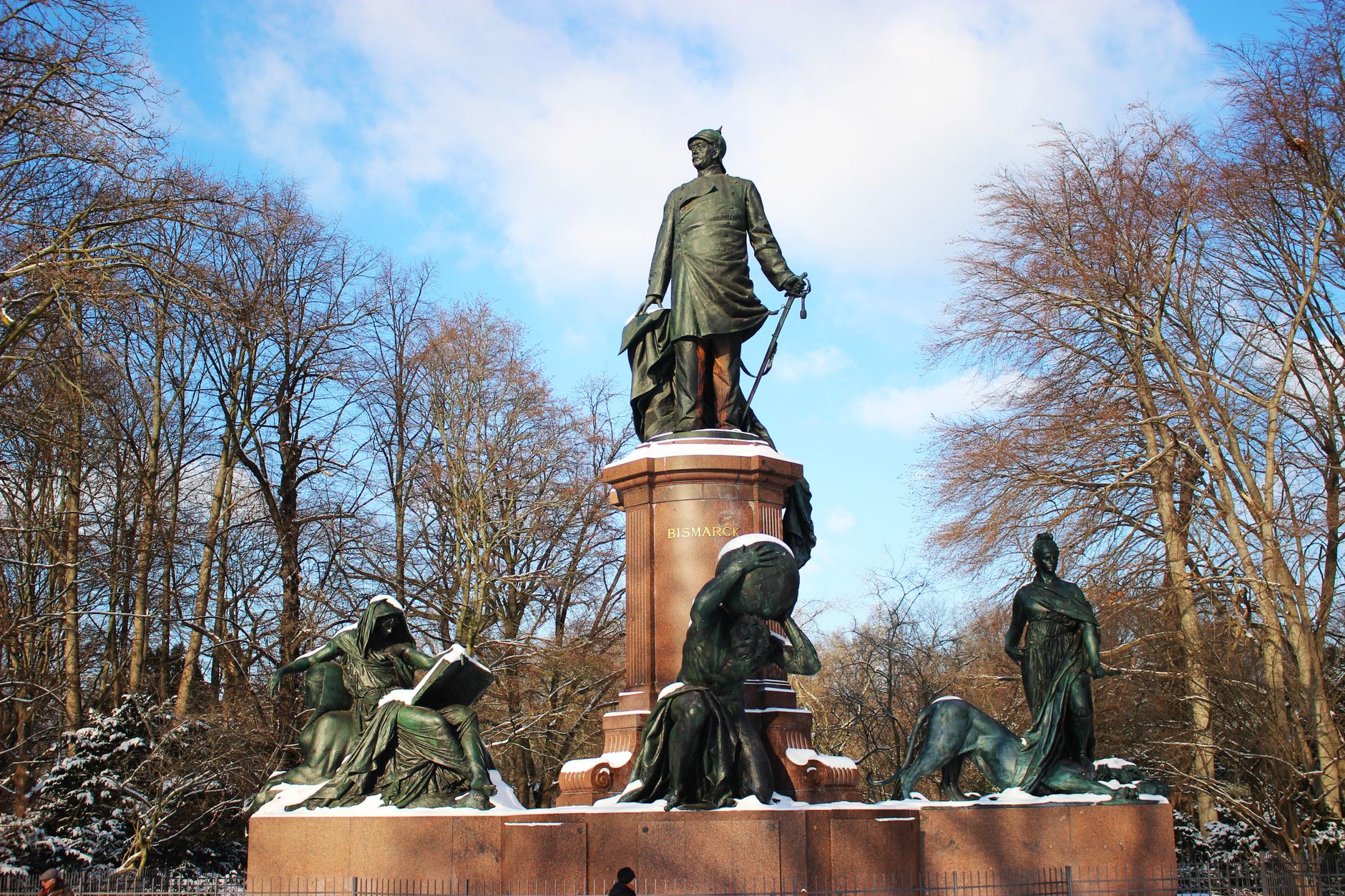
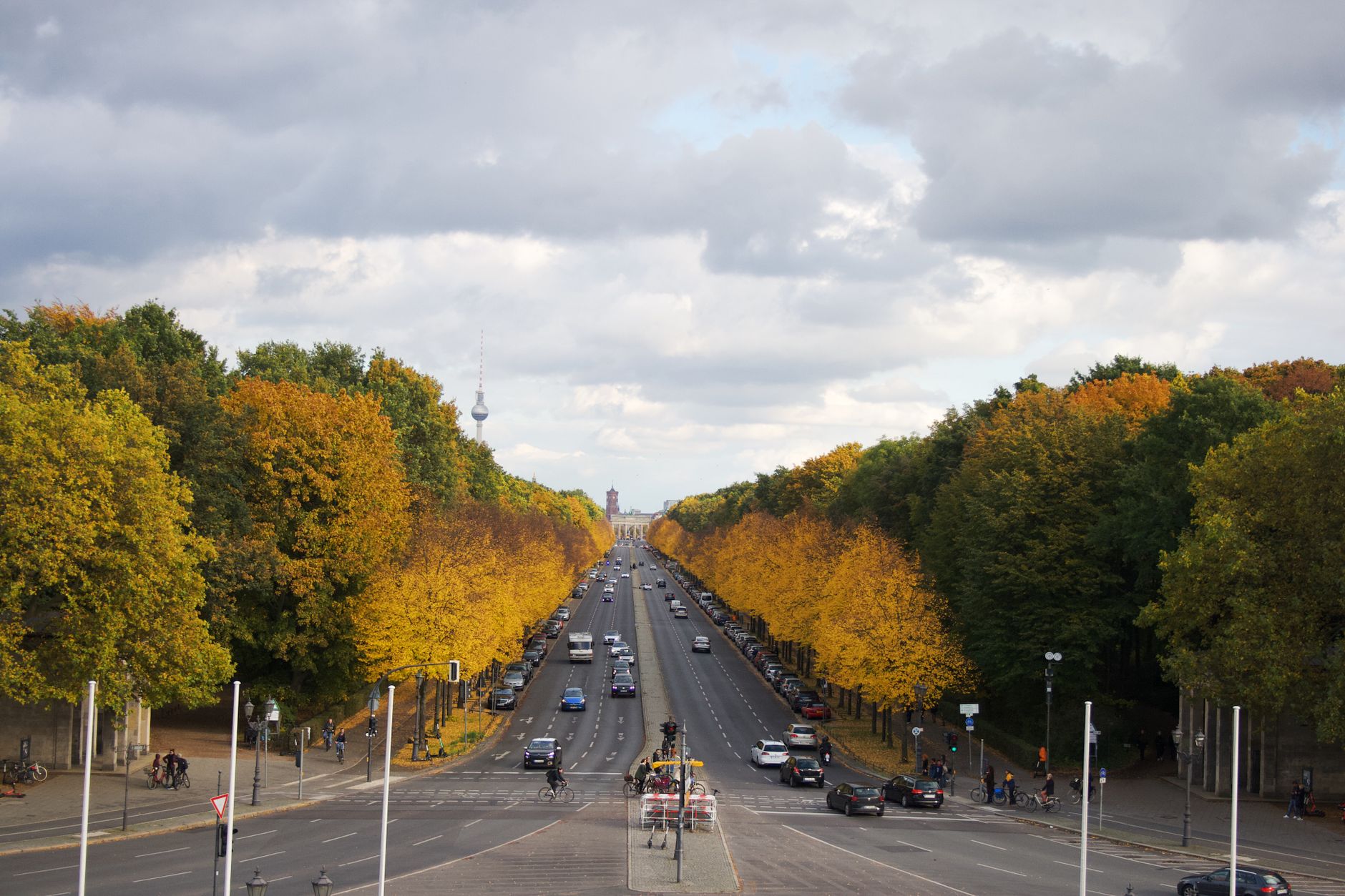
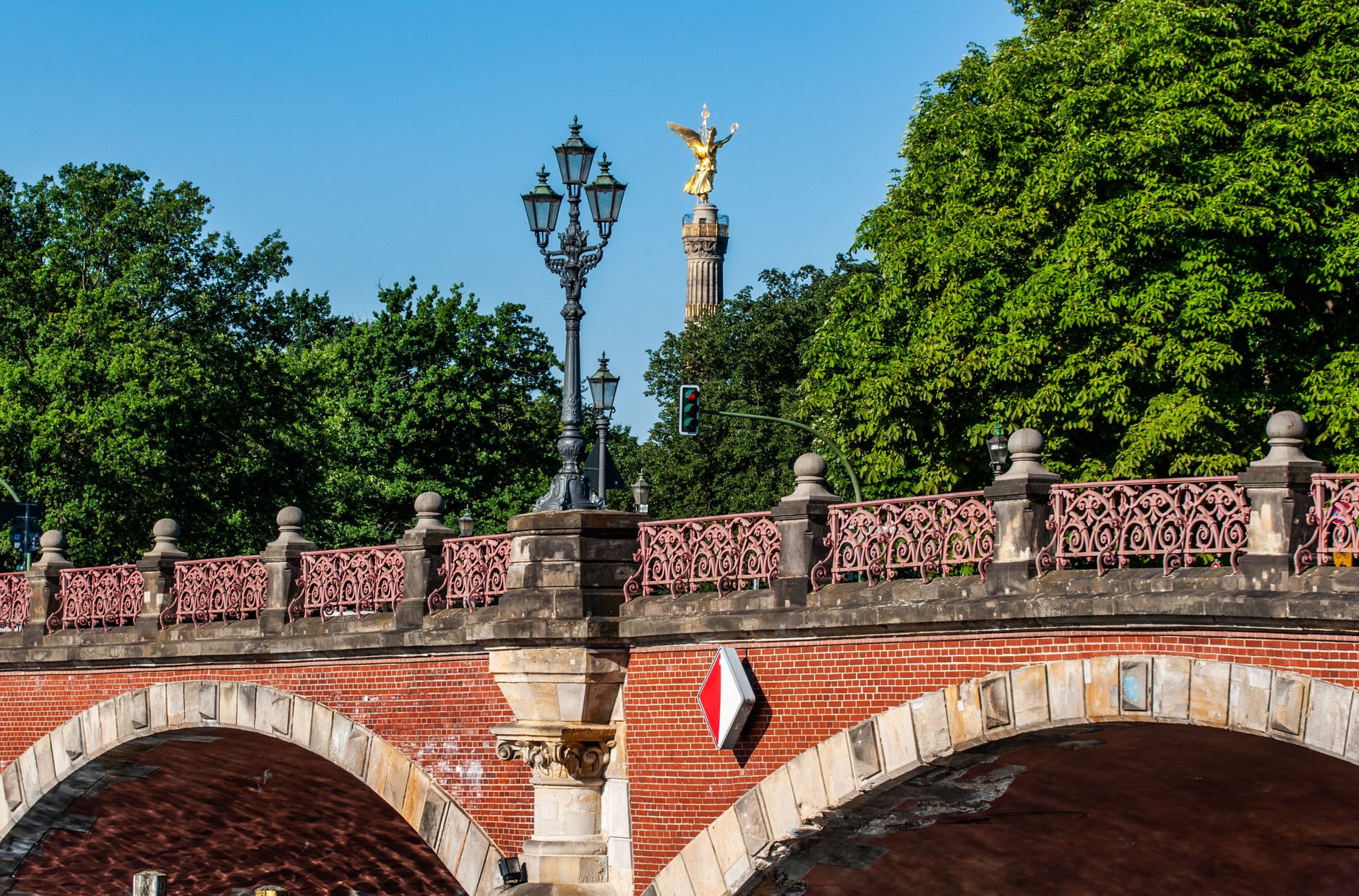
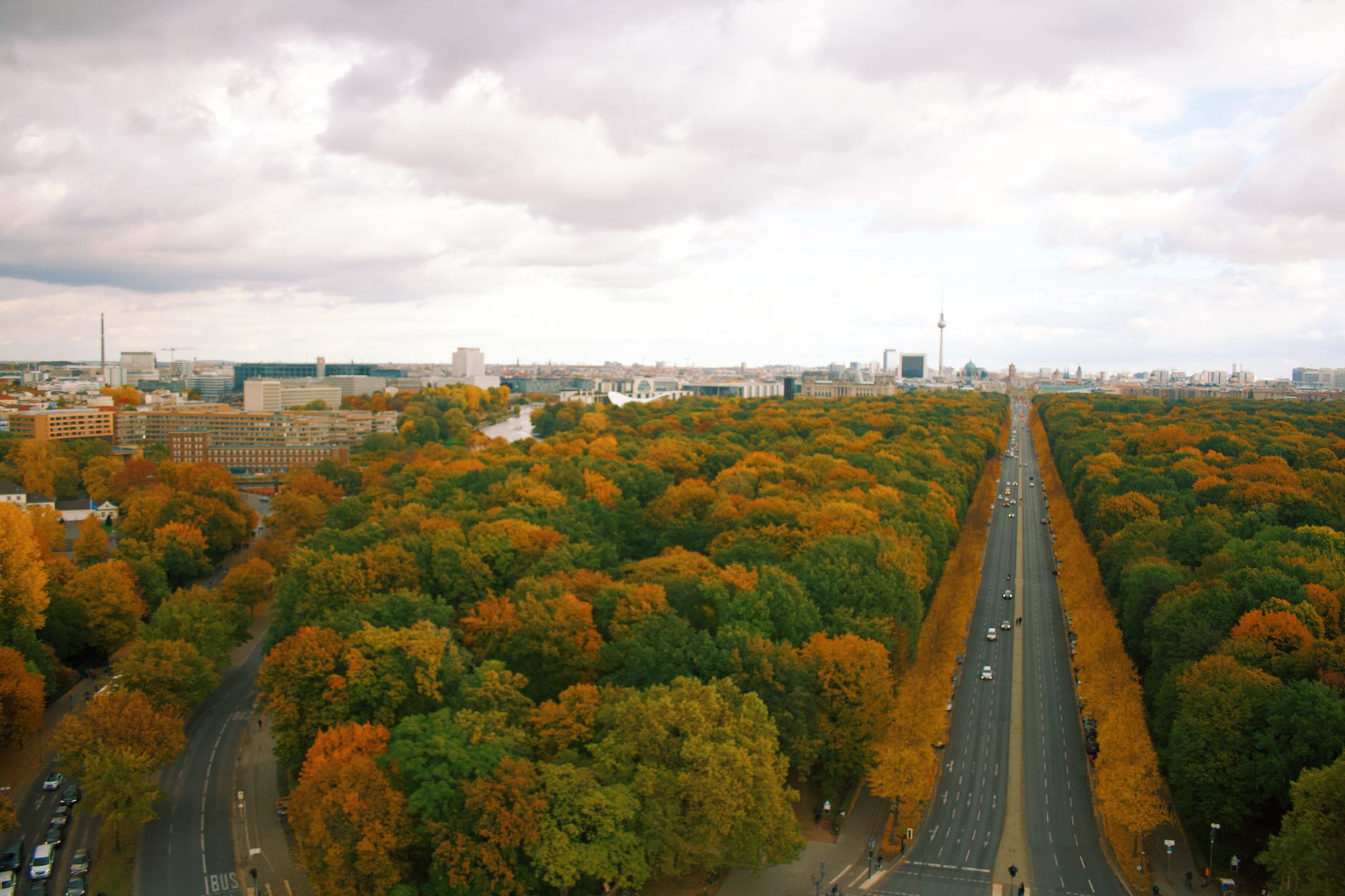
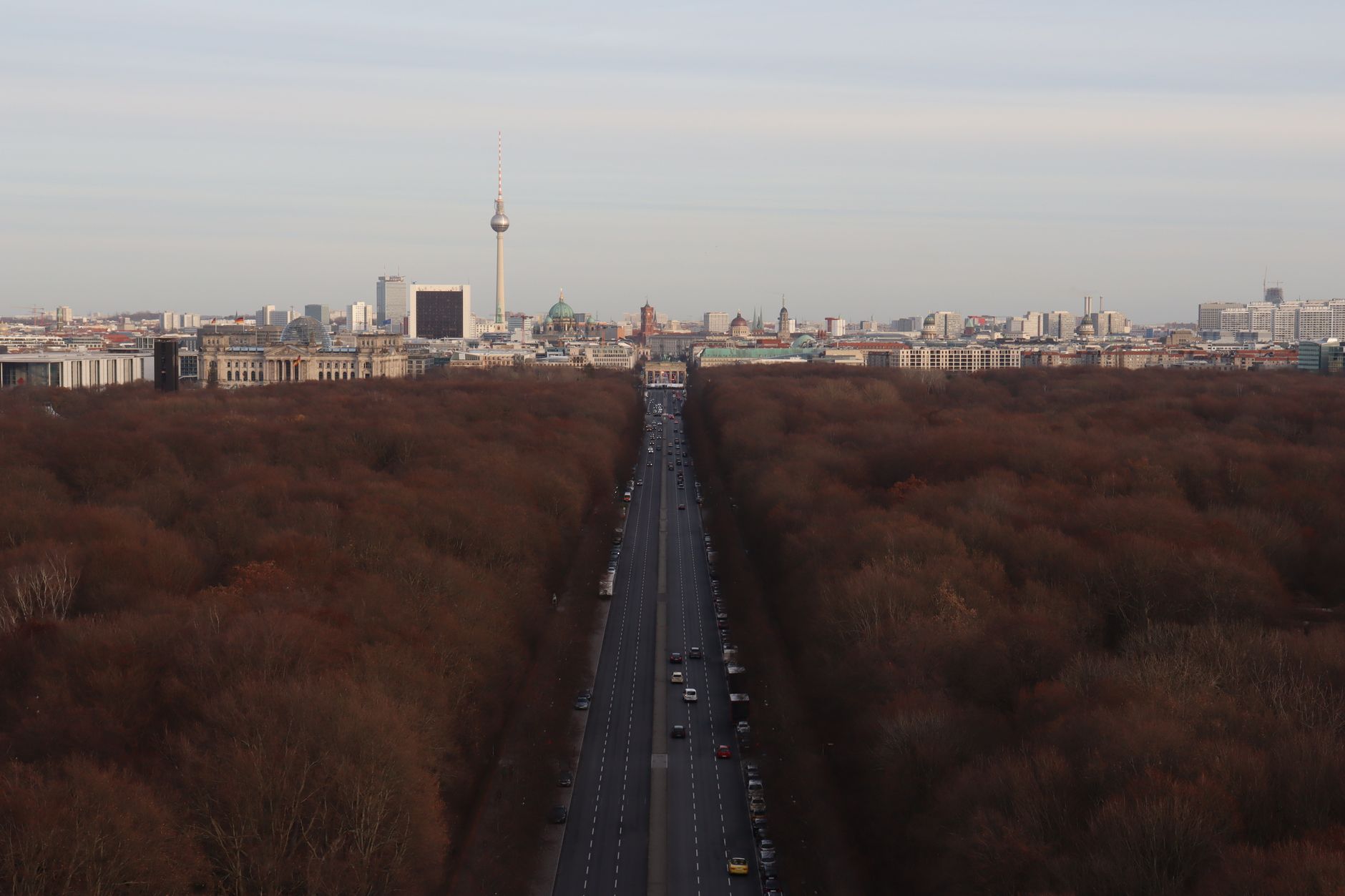
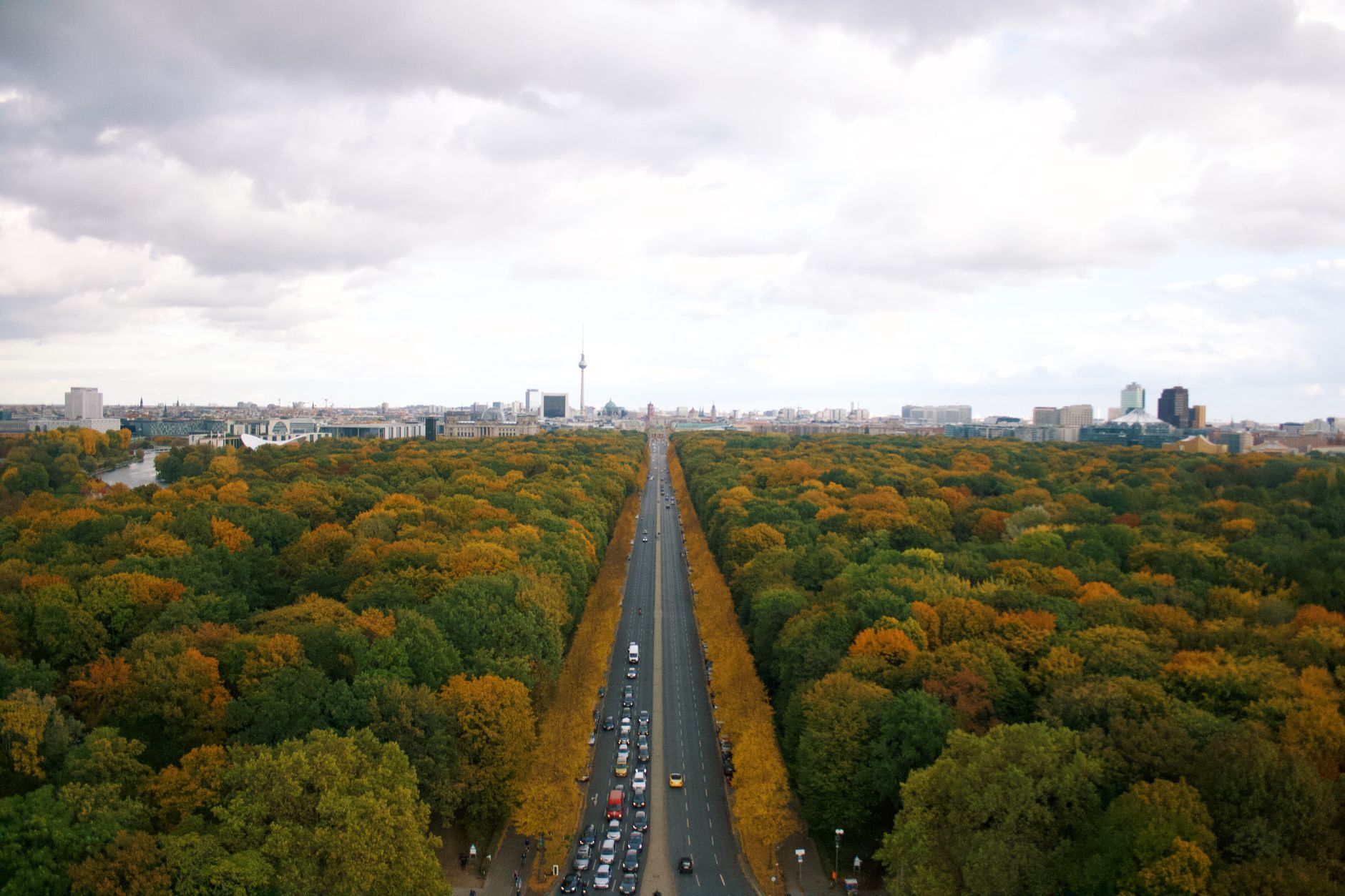
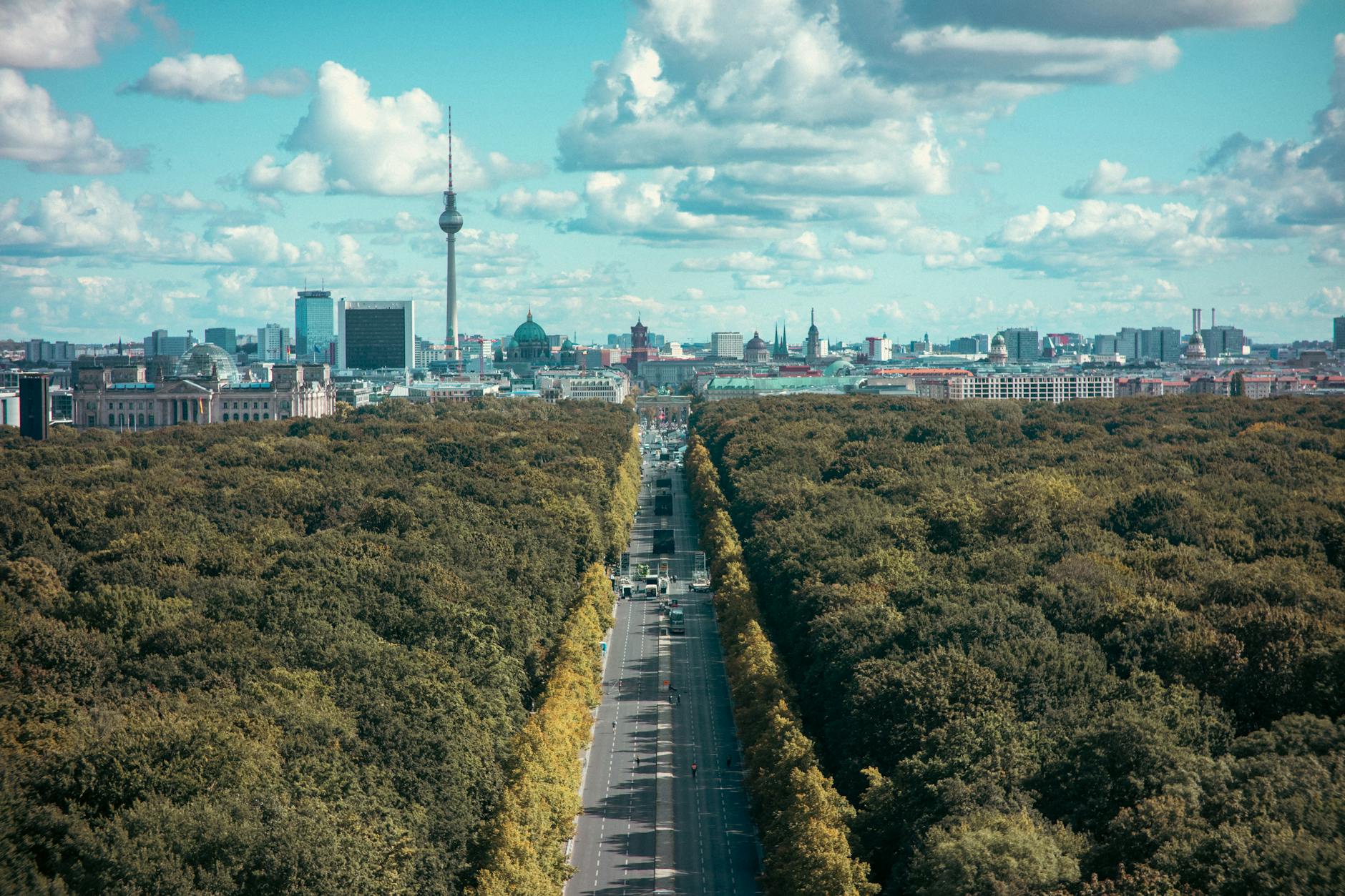
The Siegessäule stands at the centre of Großer Stern, its gilded Victoria catching the light above a roundabout where eight avenues converge — and this strange, layered quality runs through all of Tiergarten. A 210-hectare park that was once a royal hunting ground, then a landscape garden, then a wasteland where Berliners stripped every tree for firewood in the winter of 1945. The 700 survivors of 200,000 original trees still stand among the replanted ones, older and thicker, if you know to look.
The park is the geographical and psychological centre of unified Berlin. The Reichstag sits at its northeast corner, the Federal Chancellery beside it, Bellevue Palace along the Spree to the north. This is where the city keeps its institutions — and, on any given afternoon, where its residents bring their bicycles and their dogs.
💛 What travellers fall for
Regulars tend to land at Café am Neuen See on a weekday, when the lakeside tables are actually available. The Berliner Philharmonie's free Tuesday lunchtime concert at 1pm is something people stumble on once and then quietly plan return trips around. The Reichstag dome is worth booking ahead — the helical ramp and the rooftop view over the Tiergarten canopy repay the admin.
Deals in Tiergarten
Book directly at the provider

How Tiergarten came to be
Tiergarten began in 1527 as a hunting ground for the Elector of Brandenburg, west of the old city wall of Cölln. Frederick Wilhelm I formalised its layout in the early eighteenth century, adding Der Große Stern and Kurfürstenplatz. The transformation into a landscape park came in 1818, when Peter Joseph Lenné was commissioned to redesign it — a project that shifted it from formal geometry toward something more naturalistic.
Emperor Wilhelm II later drove Siegesallee through it, lined with statues of Prussian royals. Then came the Nazi years: Hitler earmarked Tiergarten as the core of his planned "Welthauptstadt Germania." The war left it almost bare. Under British occupation, desperate Berliners felled the remaining trees for fuel; only 700 of 200,000 survived. Restoration began in 1949, with the English Garden inaugurated in 1952 in the presence of Anthony Eden, and replanting continued through 1959.
Who and what shaped it
People who shaped it
Landmark buildings
See Tiergarten in motion
Plan your visit
On the map
When to go
Spring and early autumn are the most comfortable seasons — mild temperatures, the linden trees in leaf, and manageable crowds. Summers can be warm and occasionally humid; winters are grey and cold, though the bare canopy opens up long sightlines through the park that you don't get in summer.
Right now
Background & history adapted from Wikipedia (CC BY-SA) · specs from Wikidata (CC0) · weather from Open-Meteo · map data © OpenStreetMap contributors · photos from Wikimedia Commons / Unsplash with per-image credit. No third-party reviews or social posts reproduced.