
Pankow
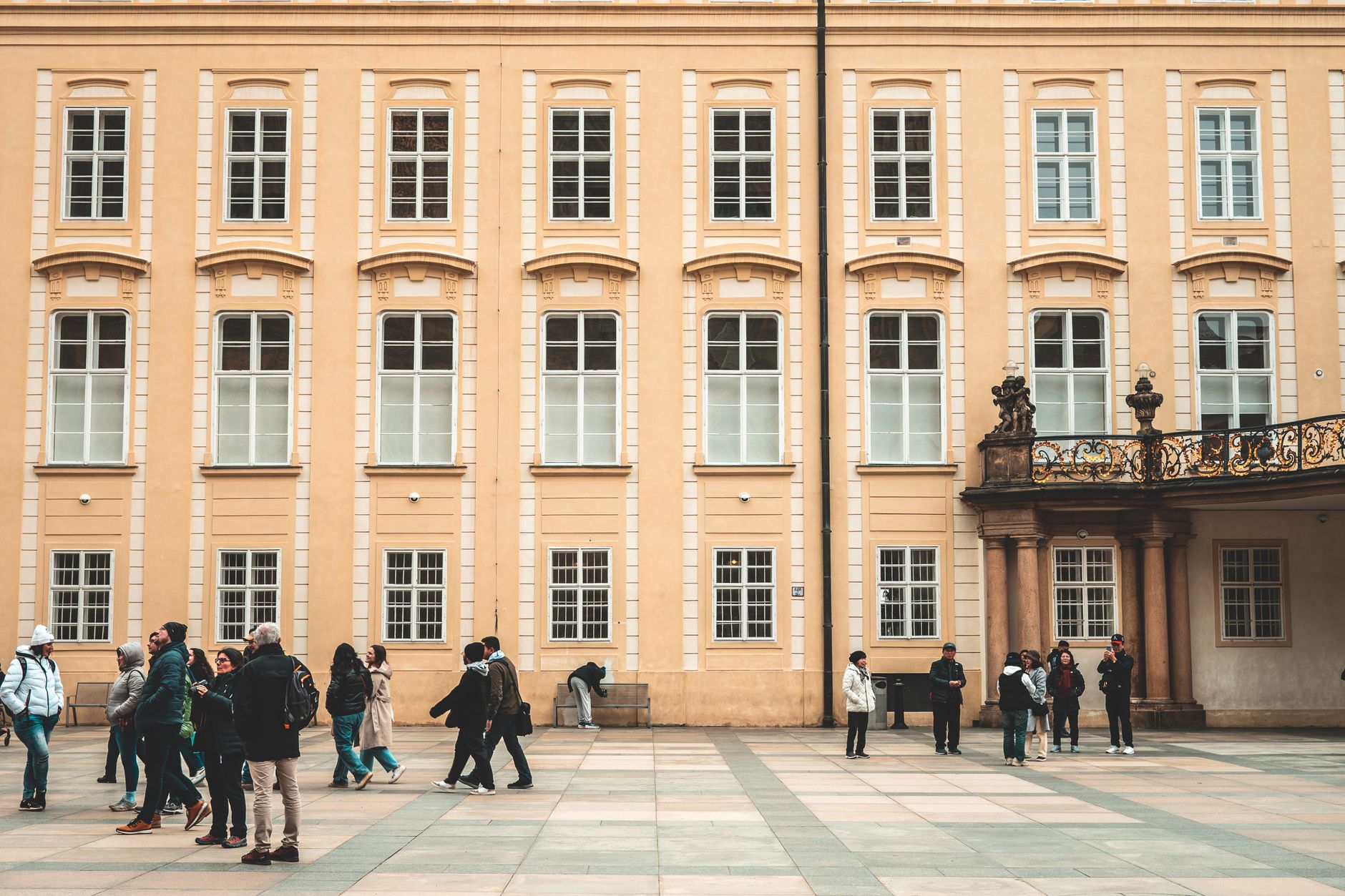
Pankow takes its name from the Panke, a modest river that once drew Berliners north by tram on Sunday afternoons when the city felt too close. That day-trip habit left something behind: parks laid out around a Baroque palace, a ballroom built in 1880 that still hosts dancing, and streets wide enough to suggest a place that never quite became the city it borders.
The borough today stretches from the dense southern blocks of Prenzlauer Berg — red-clinker housing estates, a repurposed brewery the size of a village — up through quieter residential streets to Niederschönhausen, where a UNESCO-listed palace once served as the official residence of GDR heads of state.
💛 What travellers fall for
People who keep coming back tend to head straight for Schlosspark and Bürgerpark before anywhere else — two of the city's most underused historical parks, almost always quiet on a weekday morning. The Weißensee Jewish Cemetery, 42 hectares and 115,000 graves, asks for an hour you won't regret giving it.
Deals in Pankow
Book directly at the provider


How Pankow came to be
A deed from 1311 records the settlement, though the fieldstone church of the Four Evangelists had already stood here for roughly eighty years by then, built by hands that left no names. The Panke valley stayed agricultural until the 19th century, when Berlin's industrialisation pushed workers and then weekenders northward, turning Pankow into a destination for excursions and eventually a suburb in its own right.
The 1920 Greater Berlin Act folded it into the city. Then came the GDR, and Pankow acquired a different kind of weight: Schönhausen Palace, built for the Dohna family in the 1660s and later a summer residence for Queen Elisabeth Christine, became home to Wilhelm Pieck and Walter Ulbricht, and later Erich Honecker. Writers Christa Wolf and Heiner Müller lived nearby on Mayakovskiring. In 2001, Pankow merged with Prenzlauer Berg and Weißensee, keeping its name over a borough that now holds more history than it tends to advertise.
Who and what shaped it
People who shaped it
Landmark buildings
See Pankow in motion
Plan your visit
On the map
When to go
Summers run warm and manageable — July and August average around 25°C — making the parks genuinely pleasant. Winters are cold and grey, with temperatures hovering near freezing from December through February and occasional snow that rarely settles for long; spring arrives unevenly, with real warmth only reliable from May onward.
Right now
Background & history adapted from Wikipedia (CC BY-SA) · specs from Wikidata (CC0) · weather from Open-Meteo · map data © OpenStreetMap contributors · photos from Wikimedia Commons / Unsplash with per-image credit. No third-party reviews or social posts reproduced.