
Lichtenberg
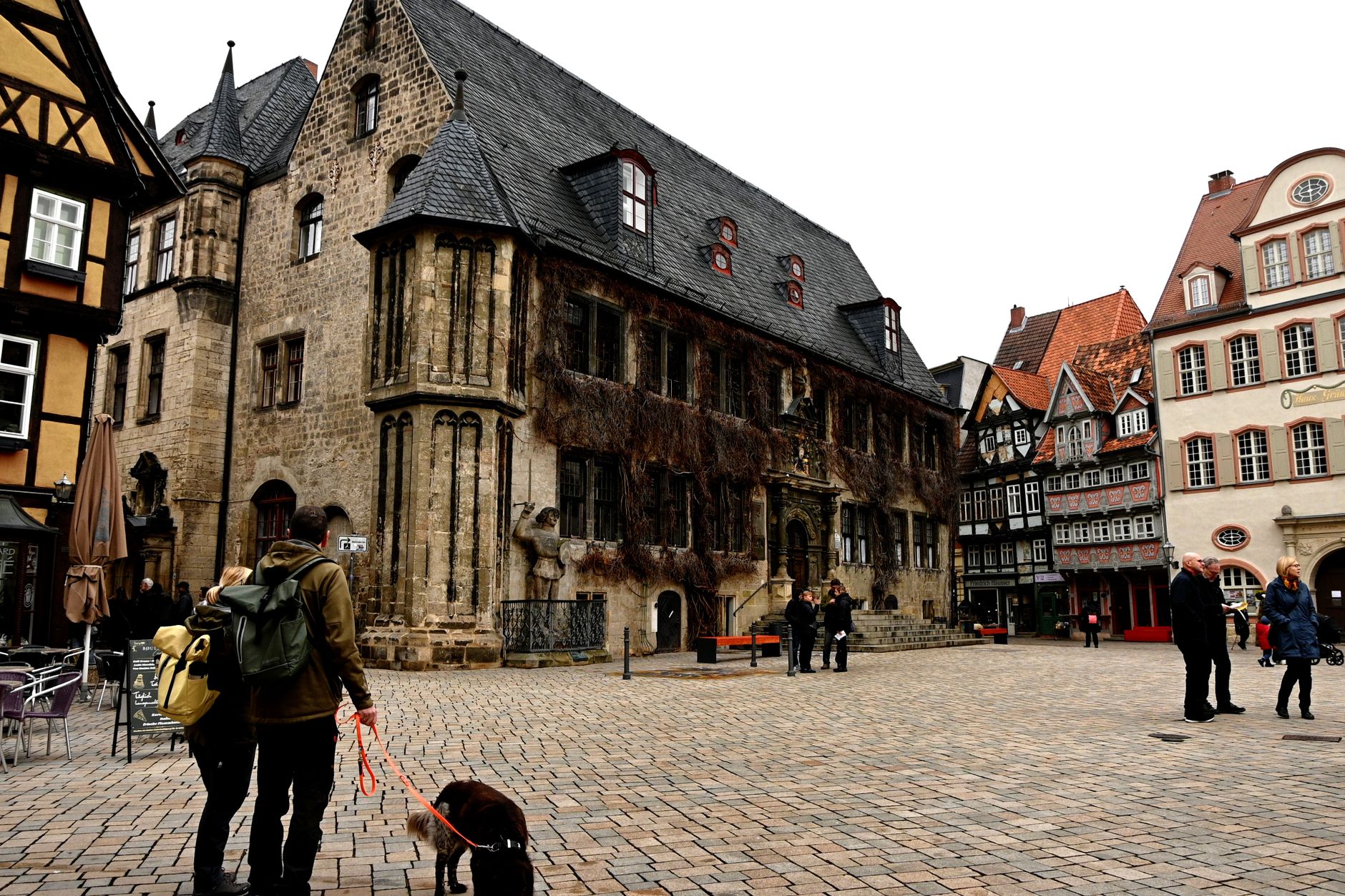
The oldest building in Lichtenberg is a fieldstone church from around 1250, and the most recent reason people come is a former factory where computer-controlled light and sound move through seven rooms in the dark. That span — medieval village to Stasi headquarters to emerging Asiatown — is what this eastern Berlin borough actually is. It was a quiet Prussian estate, then a working-class suburb, then the operational heart of the GDR's surveillance state, and now a place where 150,000 prefabricated concrete flats stand alongside a Mies van der Rohe house and Europe's largest zoo by area.
Lichtenberg doesn't perform for visitors the way some Berlin neighbourhoods do. The weight here is real: the Hohenschönhausen Memorial occupies the former Stasi remand prison, and the German-Russian Museum marks the exact spot where the Wehrmacht signed its unconditional surrender on 8 May 1945. You can walk from that building to a Vietnamese market in under twenty minutes.
💛 What travellers fall for
People who come back tend to do Hohenschönhausen first, before anything else — the guided tours fill up and the experience needs time to settle. Then Haus Lemke on the Obersee, which is absurdly calm for a Mies building you can actually enter. Dark Matter on a Friday afternoon, when the light installations hit differently with fewer people in the rooms.
Deals in Lichtenberg
Book directly at the provider


How Lichtenberg came to be
A village since at least 1288, Lichtenberg spent several centuries as agricultural land on the Barnim plateau before Prussian noblemen — among them General Wichard von Möllendorf — built country residences here in the late 18th century. The Lichtenberg estate passed to chancellor Karl August von Hardenberg in 1815. A town hall went up in 1898, town privileges followed in 1907, and the Greater Berlin Act folded the borough into the city in 1920.
The 20th century arrived hard. Mies van der Rohe completed Haus Lemke in 1932–33 — his last residential commission in Germany before leaving for the United States. The Soviets established their military administration here after 1945, and the building that had served as a Wehrmacht officers' mess became the operational centre of the Stasi. Between 1976 and 1989, some 150,000 plattenbau units were erected across the borough, housing the workers — including over 60,000 Vietnamese contract labourers — that the GDR needed for its textile and electronics industries.
Who and what shaped it
People who shaped it
Landmark buildings
See Lichtenberg in motion
Plan your visit
On the map
When to go
Berlin's continental climate means Lichtenberg's outdoor sites — Tierpark, Obersee, the church at Alte Pfarrkirche — are best from late April through October, when days are long and temperatures sit comfortably in the teens and low twenties Celsius. Winters are grey and cold, often below freezing in January, but the indoor memorials and Dark Matter run year-round.
Right now
Background & history adapted from Wikipedia (CC BY-SA) · specs from Wikidata (CC0) · weather from Open-Meteo · map data © OpenStreetMap contributors · photos from Wikimedia Commons / Unsplash with per-image credit. No third-party reviews or social posts reproduced.