
Düsseldorf
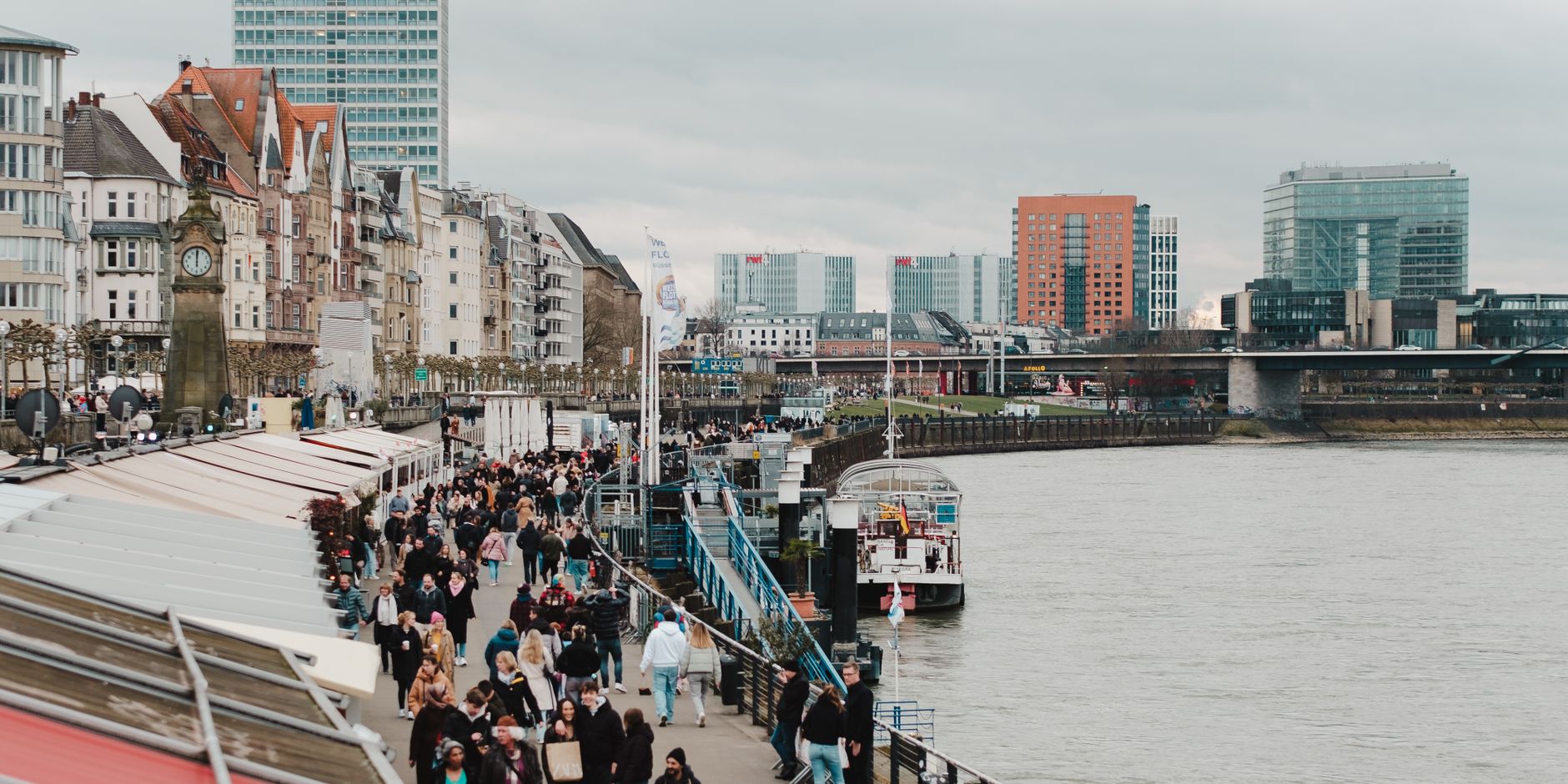
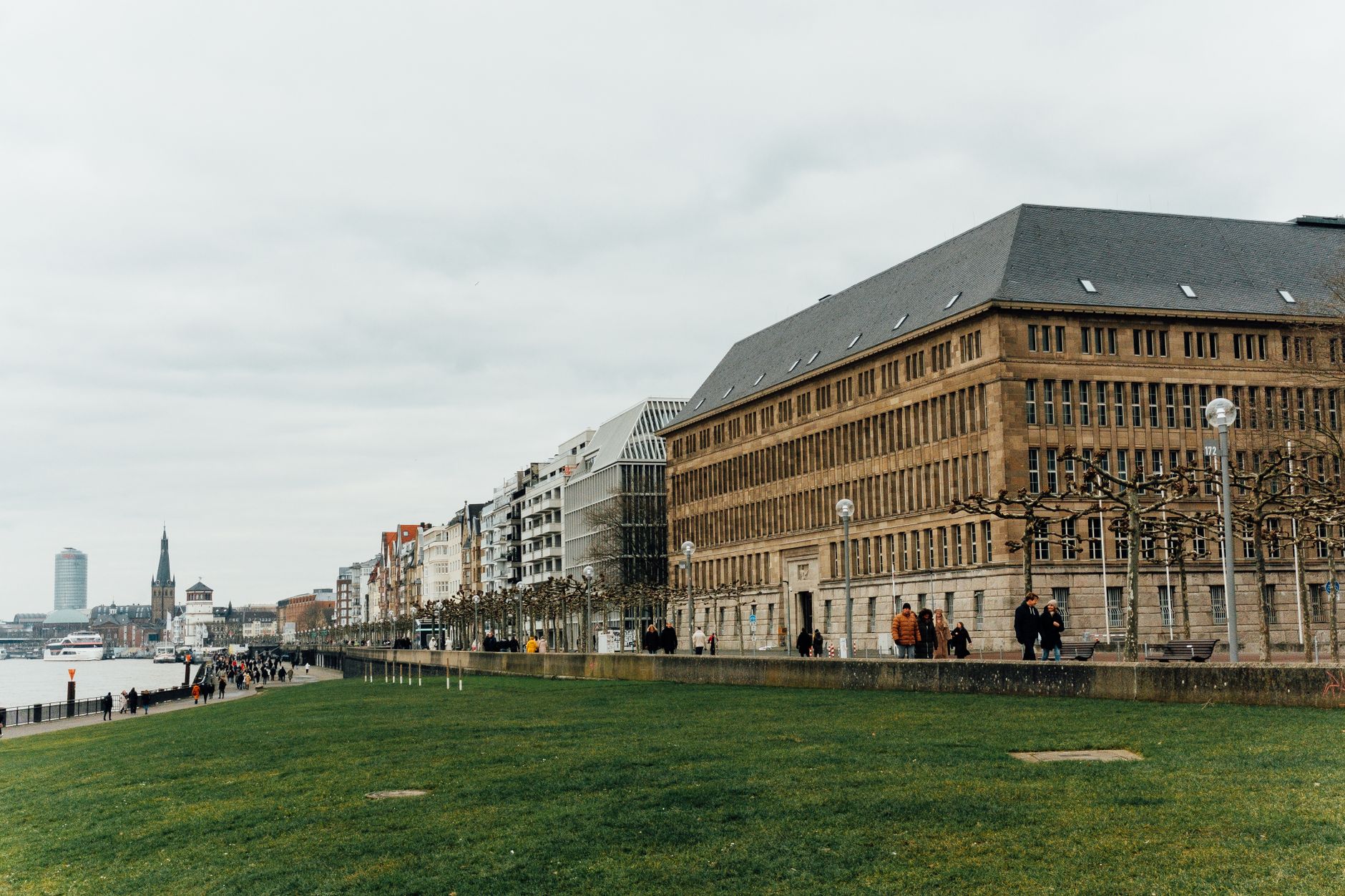
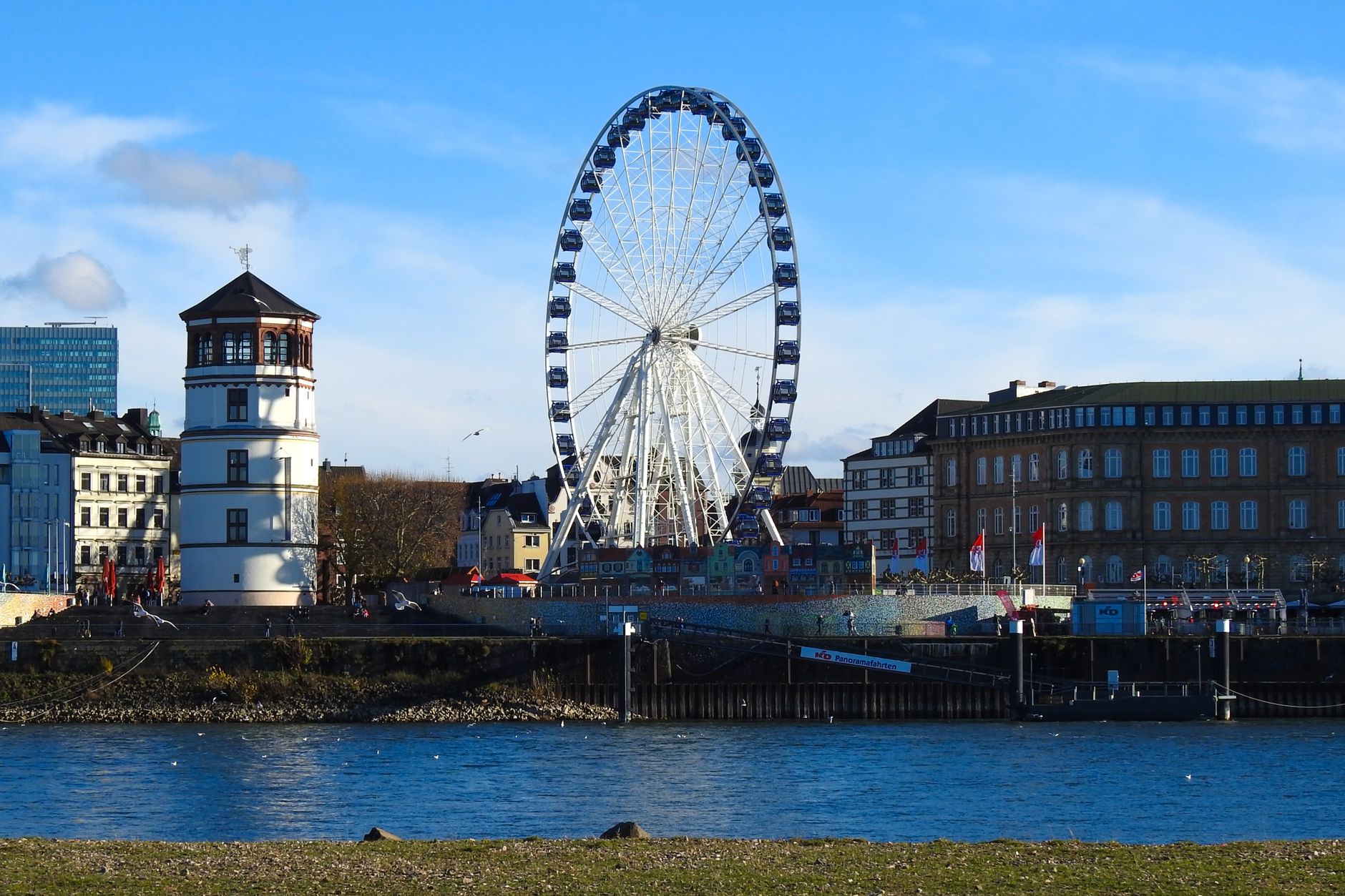
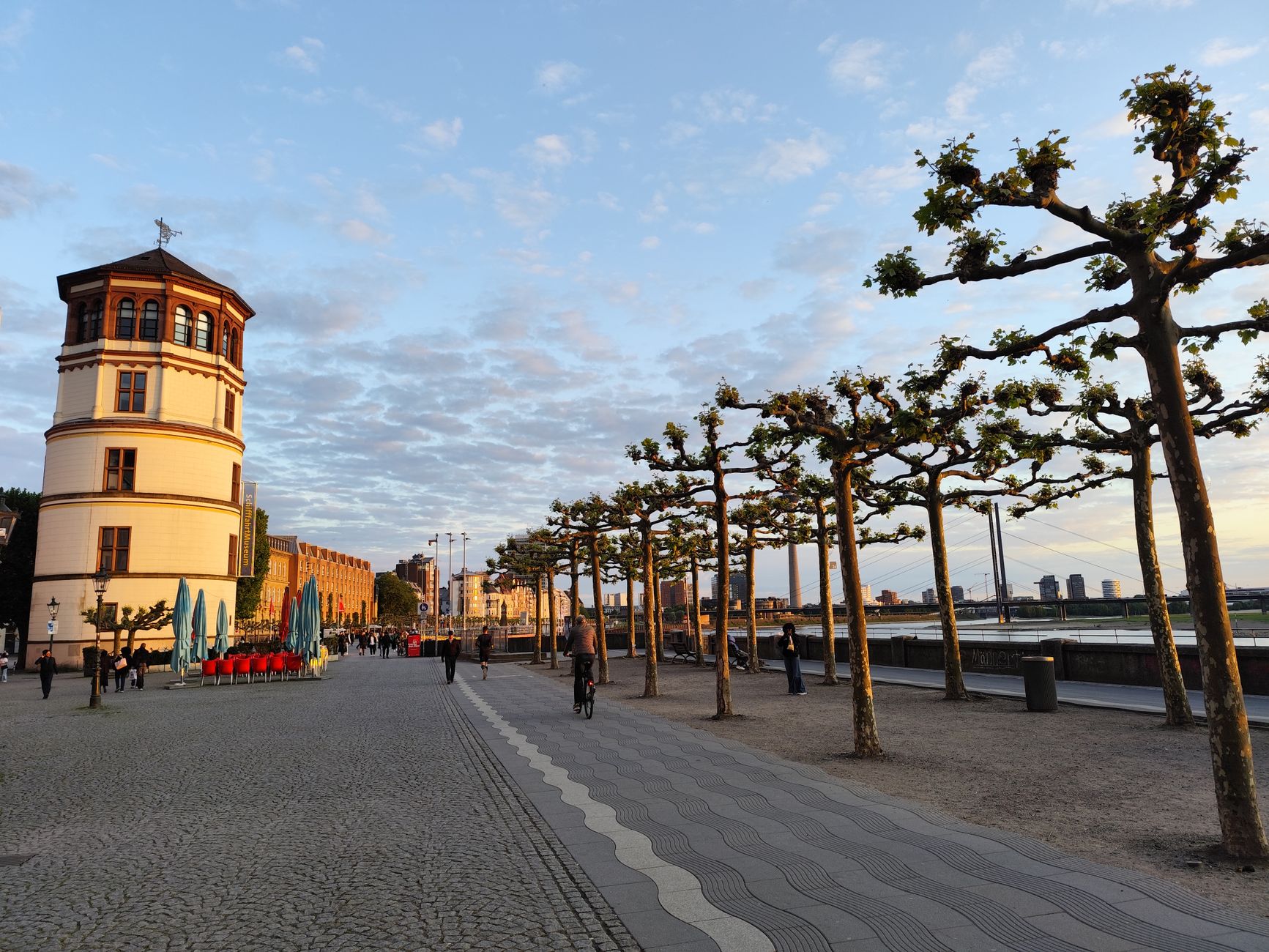
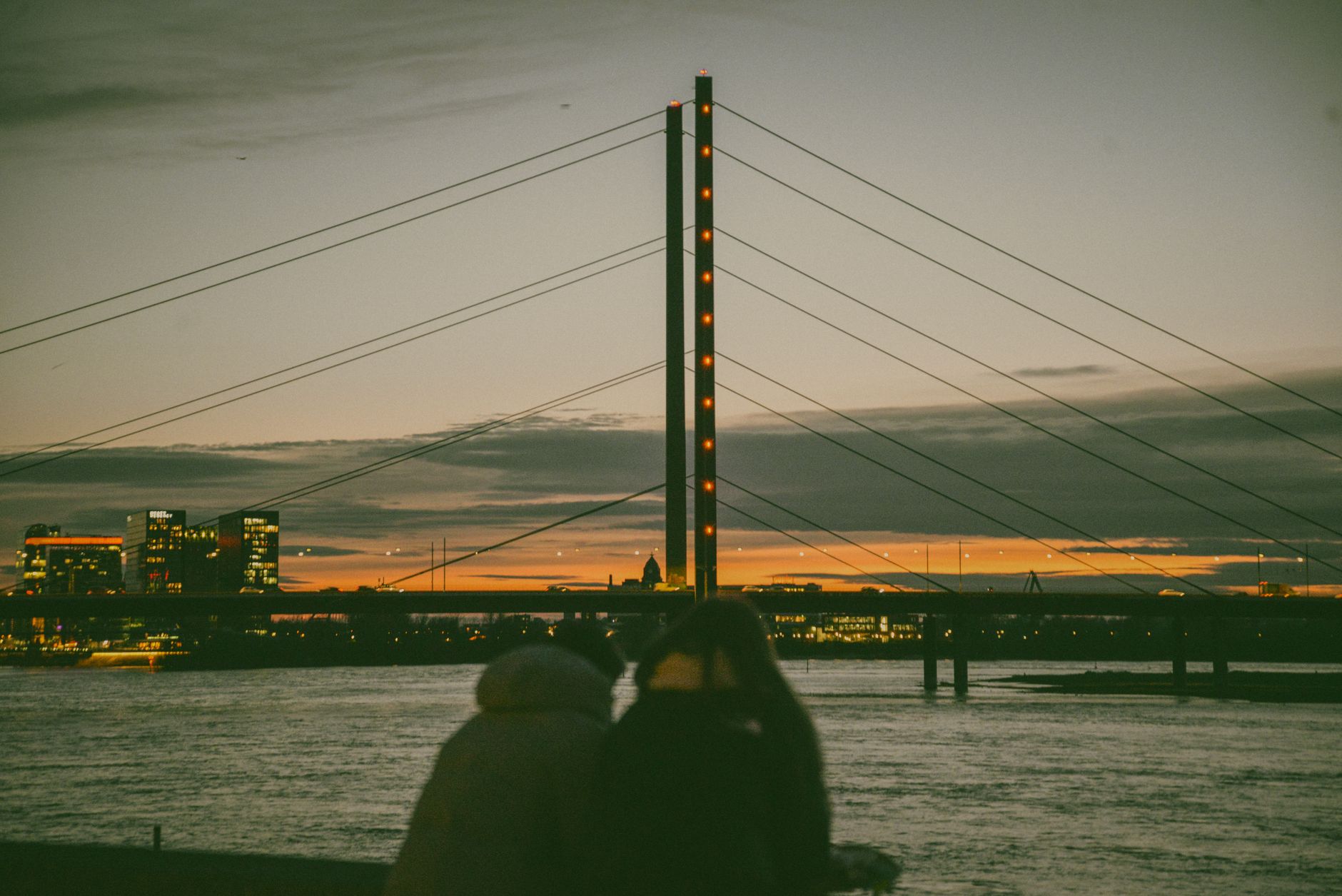
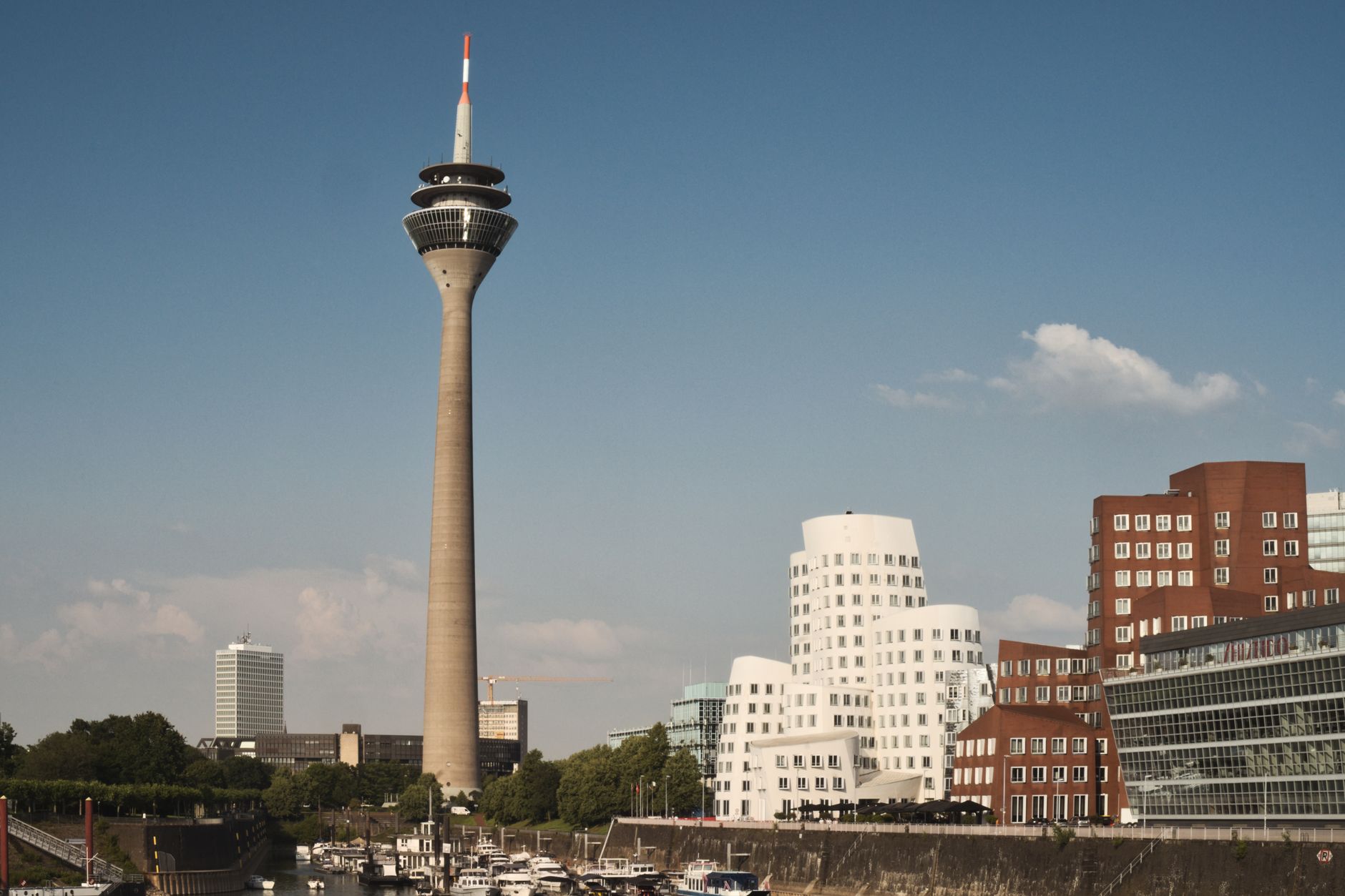
Düsseldorf announces itself through contradictions: a medieval church with a twisted spire stands a short walk from three Frank Gehry buildings that lean and curve like something out of a fever dream, and the Rhine moves steadily past all of it. The city earned its reputation as a fashion and trade capital, but its deeper current runs through art — the Kunstakademie produced Joseph Beuys, Gerhard Richter and Nam June Paik, and that lineage still shapes what gets made and shown here.
The Altstadt is compact and walkable, the Medienhafen worth the twenty-minute stroll south along the river, and the Königsallee — the long boulevard split by a tree-lined canal — gives you a clear read on what the city thinks of itself. Spend a few days and you'll find the layers stack up quickly.
💛 What travellers fall for
People who come back tend to anchor themselves at Heinrich-Heine-Allee station, where all ten U-Bahn lines converge and the Altstadt, Rheinufer and the K20 art museum are all within walking distance. The Jan-Wellem equestrian statue outside the Rathaus is a reliable meeting point, and St. Lambertus — with that famously warped spire — is worth circling slowly before you go inside.
Deals in Düsseldorf
Book directly at the provider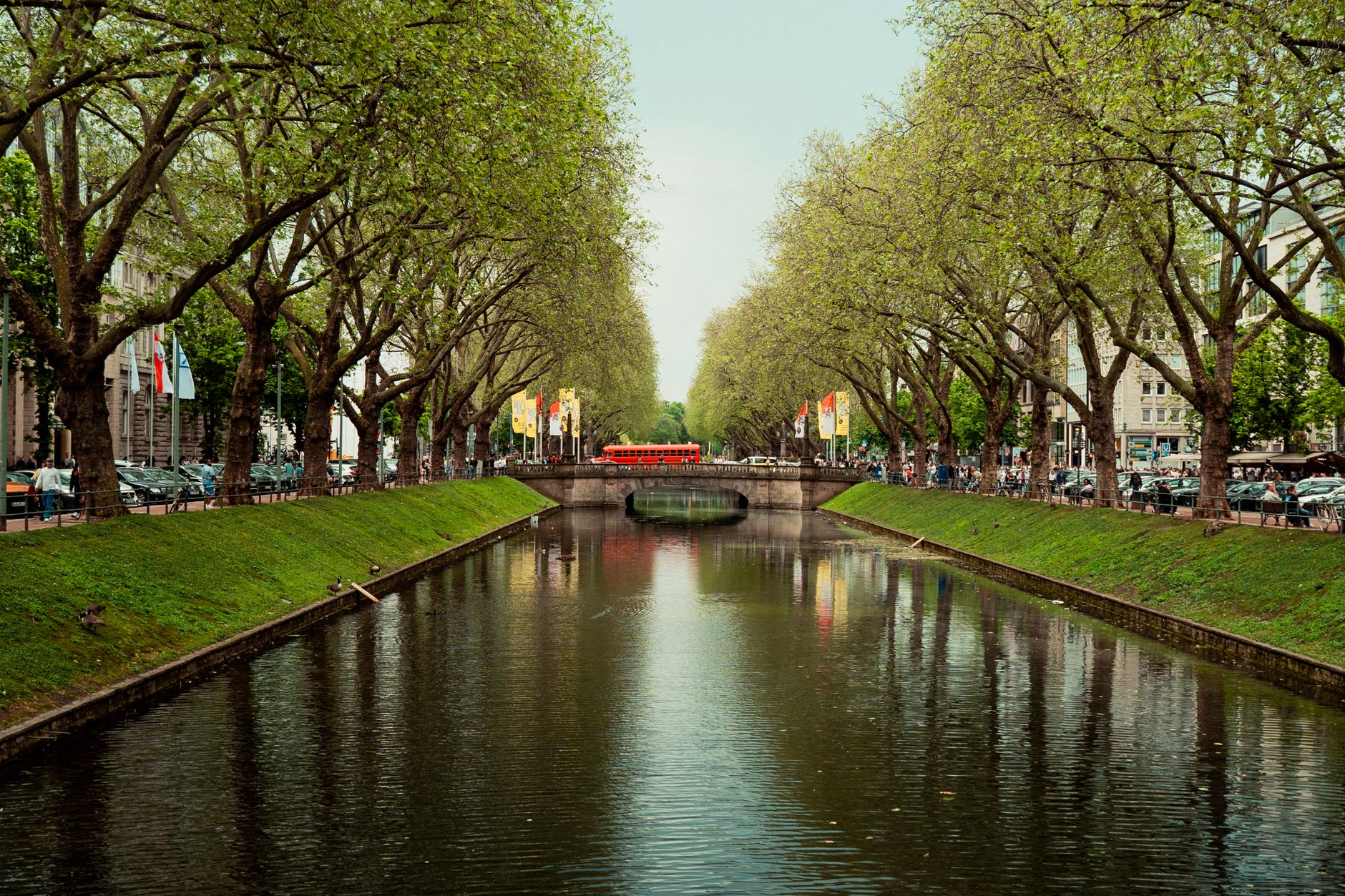


How Düsseldorf came to be
The settlement now called Düsseldorf was first recorded in documents between 1135 and 1159, referred to as Thusseldorp in 1162. Count Adolf VIII of Berg granted it official town status in 1288 — the same year St. Lambertus Church was founded — and the city served as the seat of the Duchy of Berg from 1380 onward. Its most consequential patron arrived in the late seventeenth century: Elector Palatine Johann Wilhelm II, known as Jan Wellem, made the city his primary residence, founded its famous art gallery and attracted artists from across Europe. He died here in 1716, and his equestrian statue still stands outside the Rathaus.
The city passed to Prussia after Napoleon's defeat and became the capital of North Rhine-Westphalia in 1946. The Wirtschaftswunder of the 1950s and 1960s left a visible mark — the 94-metre Dreischeiben skyscraper dates to 1960 — and the founding of the Kunstakademie as a Royal Prussian institution in 1819 laid the groundwork for the art world influence the city carries to this day.
Who and what shaped it
People who shaped it
Landmark buildings
See Düsseldorf in motion
Plan your visit
On the map
When to go
Summers are mild and occasionally warm enough to sit along the Rheinufer in shirtsleeves, though rain is never far off. Winters are grey and damp rather than bitterly cold, and the Christmas markets make December more bearable than the short days suggest.
Right now
Background & history adapted from Wikipedia (CC BY-SA) · specs from Wikidata (CC0) · weather from Open-Meteo · map data © OpenStreetMap contributors · photos from Wikimedia Commons / Unsplash with per-image credit. No third-party reviews or social posts reproduced.