
Munich
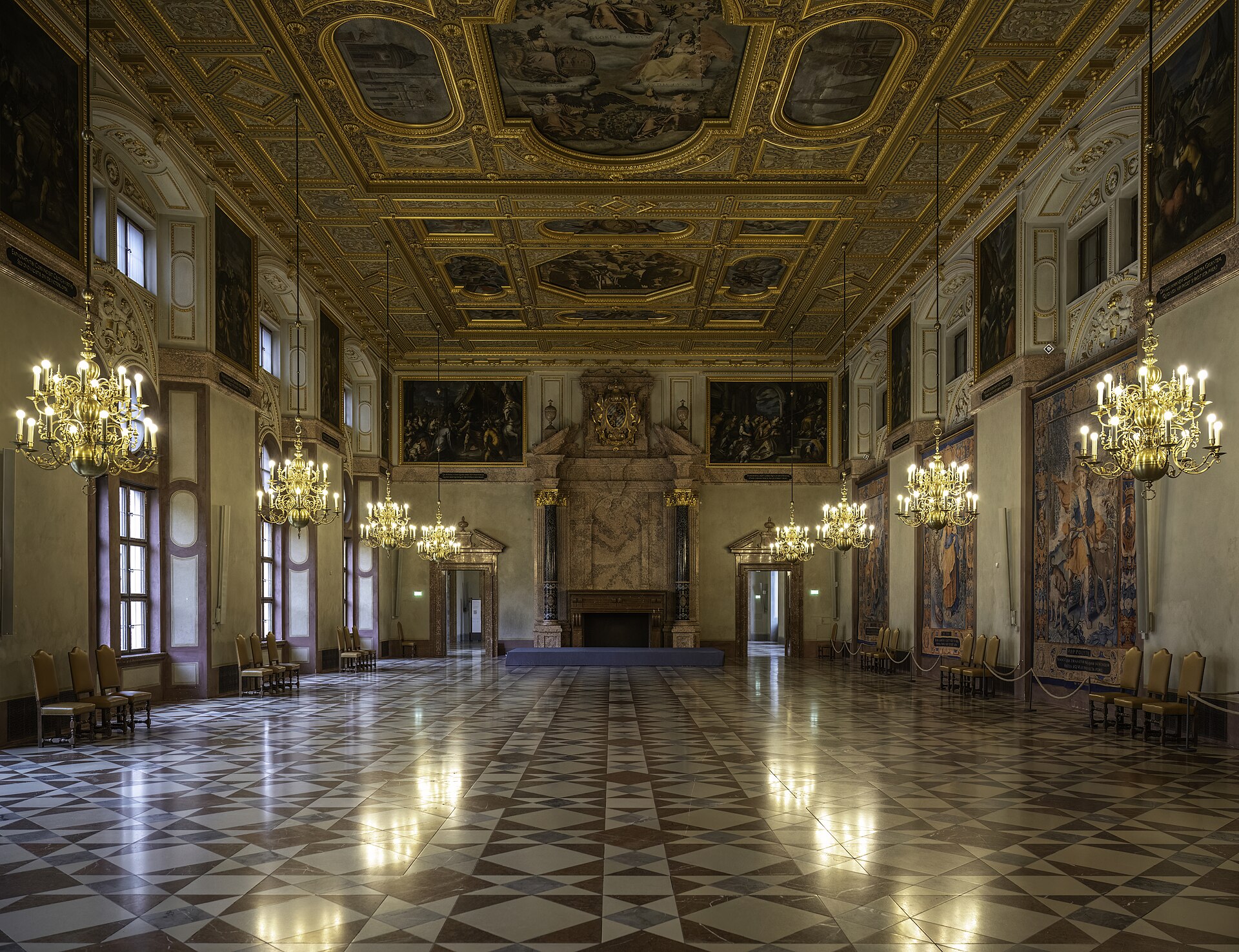
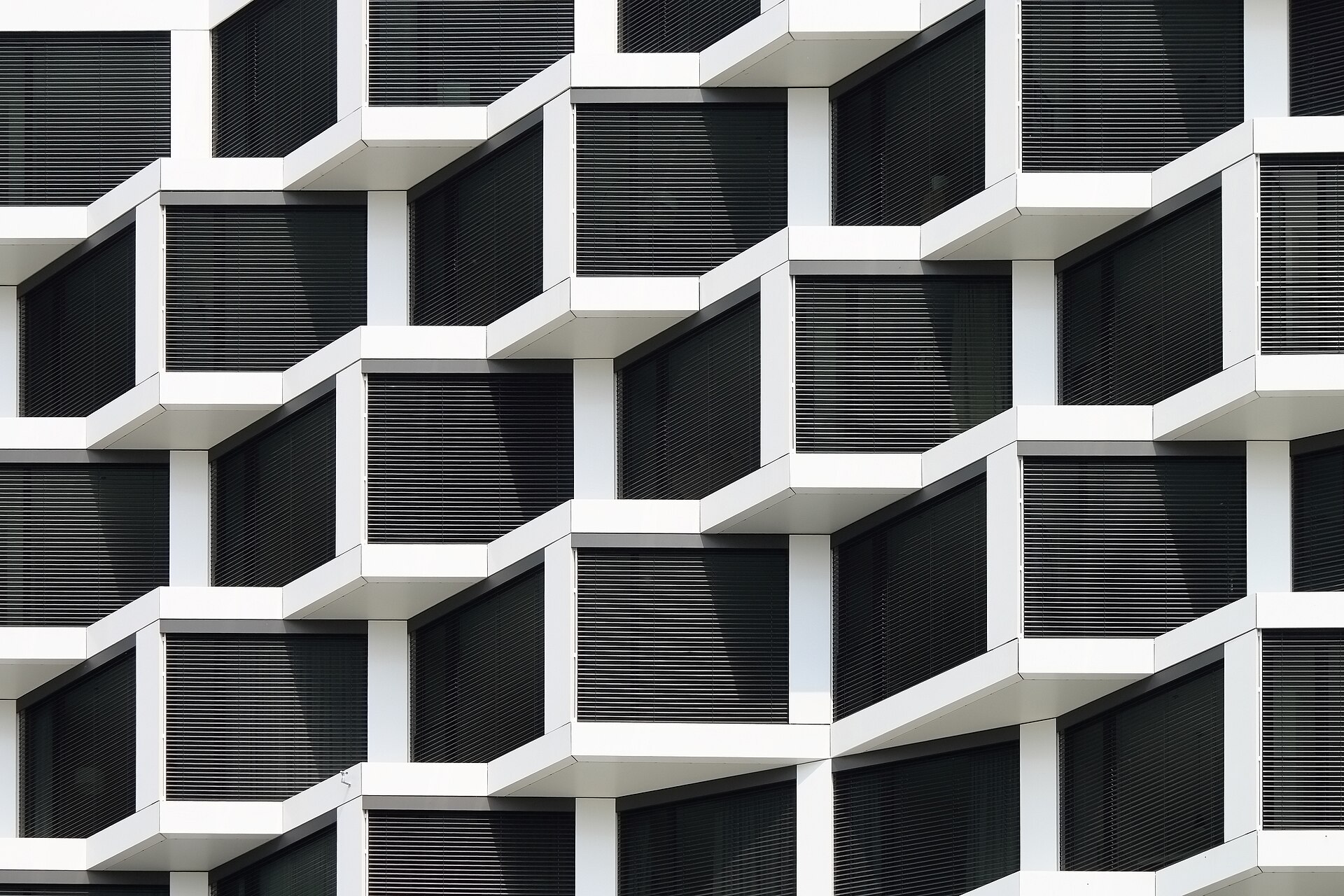
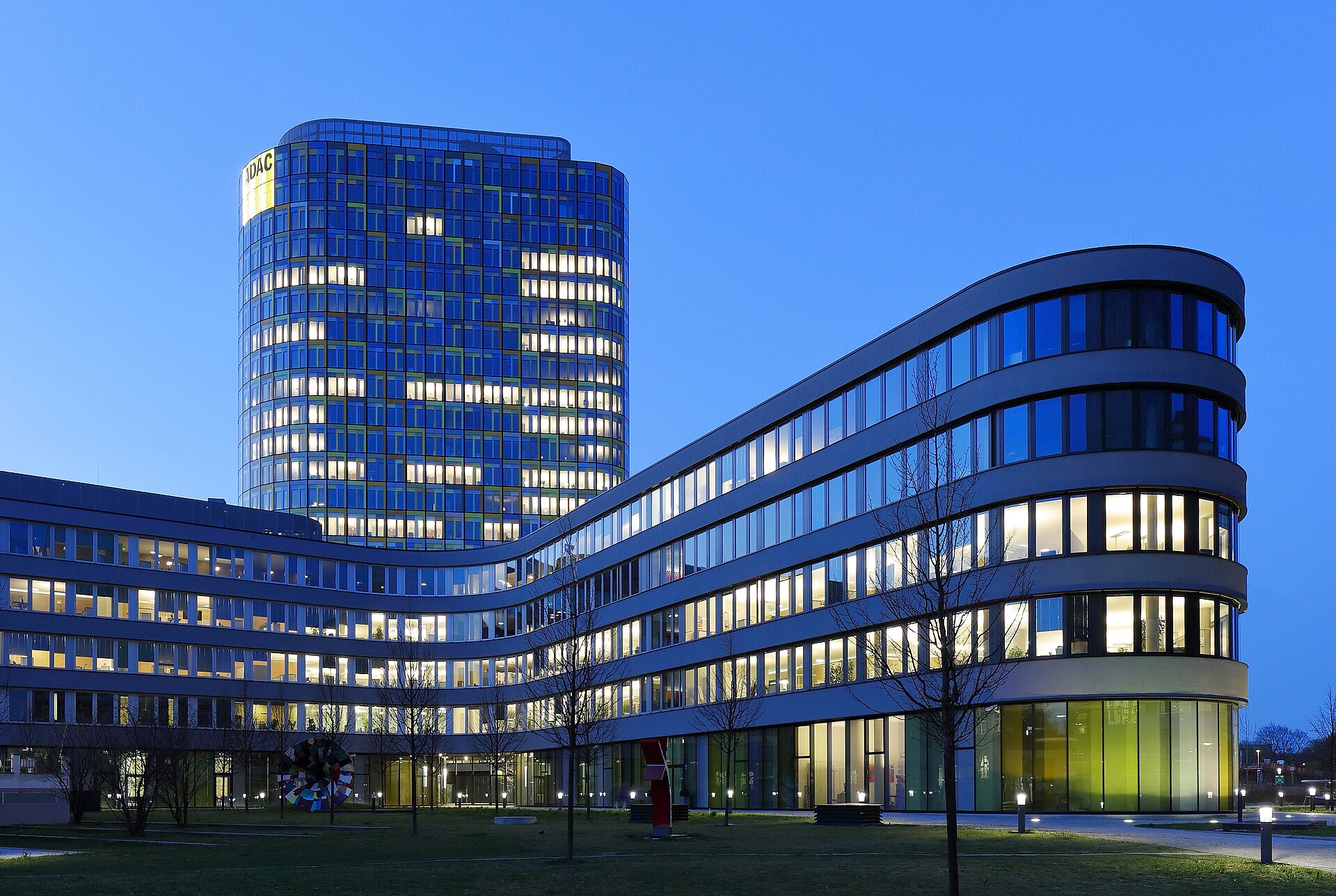
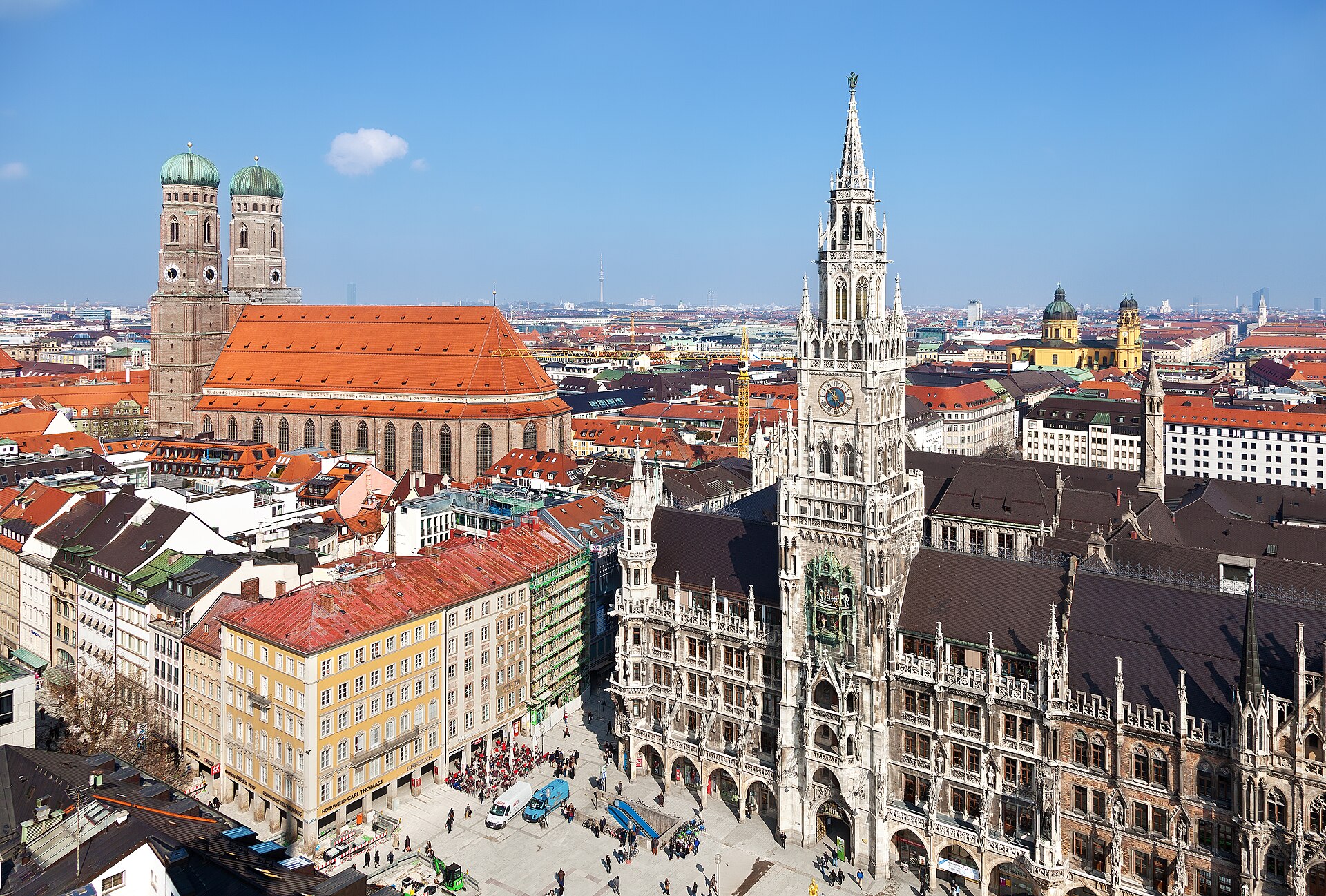
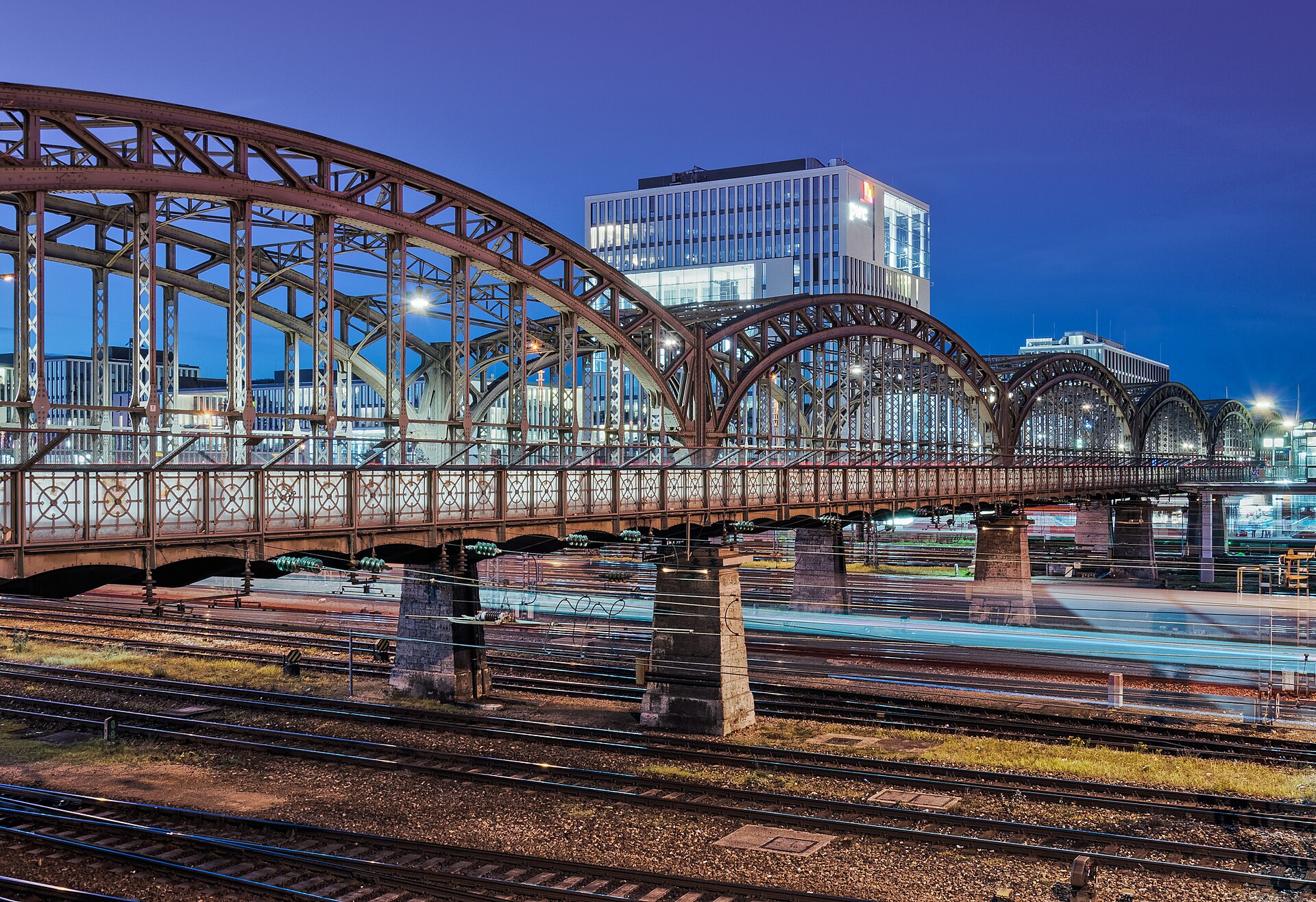
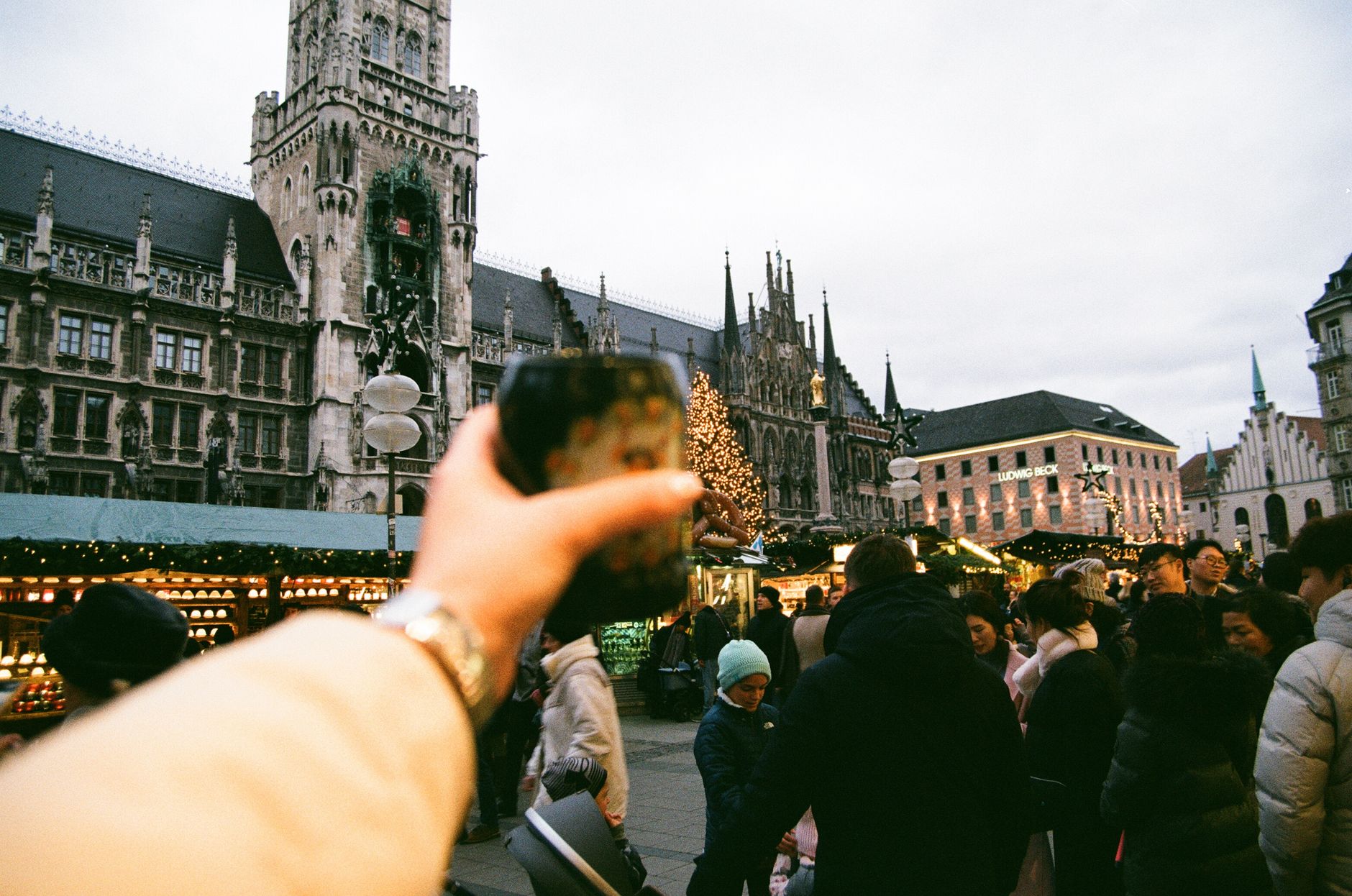
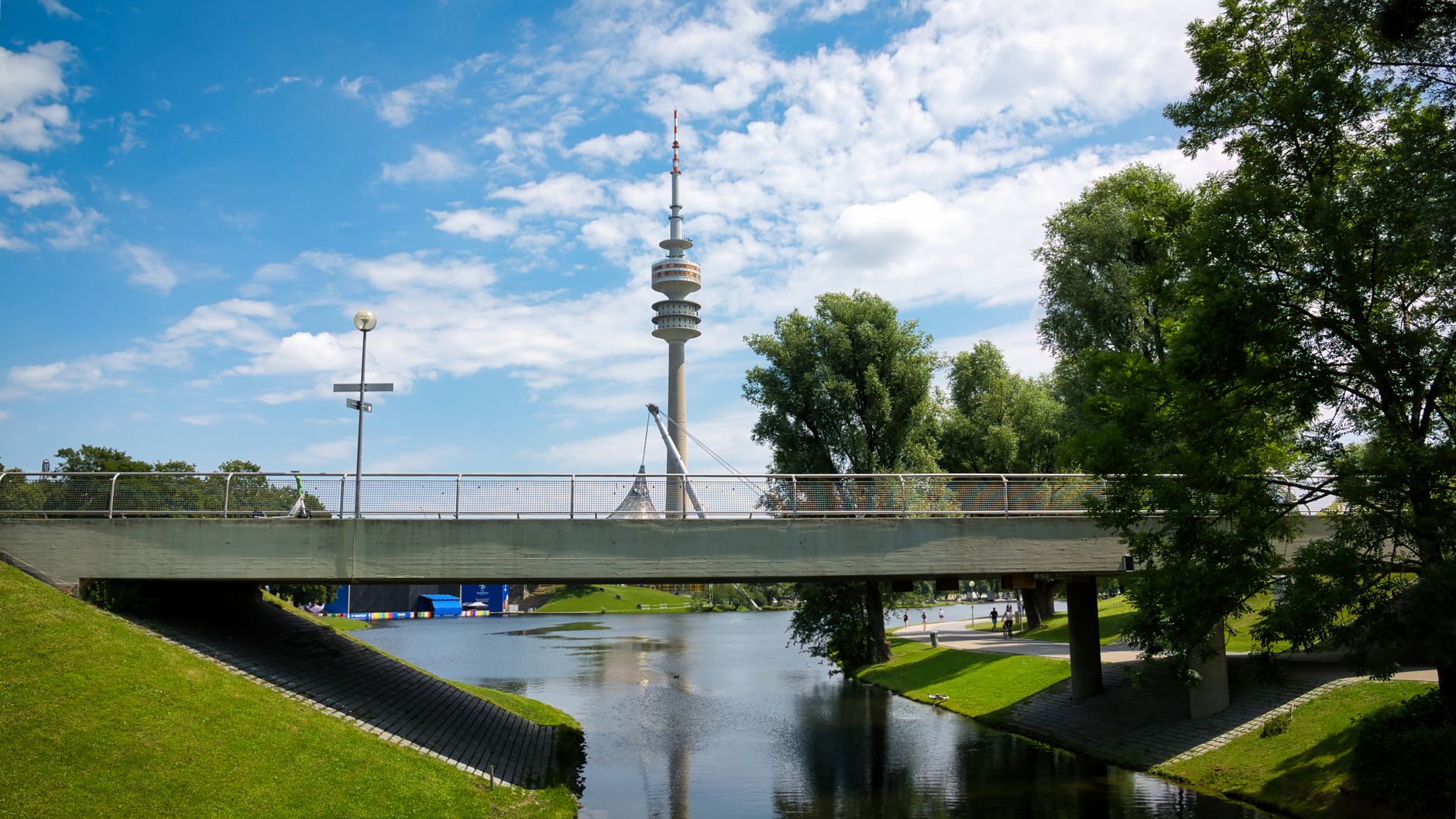
Munich earns its reputation the old-fashioned way: through specificity. The twin dome towers of the Frauenkirche set the skyline's legal ceiling — no building in the city may rise above their 99 metres — and that single civic rule tells you something about how seriously Munich takes its own character. The English Garden stretches wider than Central Park through the middle of it all, and on warm days surfers ride a standing wave on the Eisbach where the river curls under a bridge at its edge.
This is a city that holds contradictions without strain. The Hofbräuhaus has been pouring beer since 1589; the BMW headquarters has looked like four stacked cylinders since 1973. Between those poles lies one of Europe's most liveable, walkable, and architecturally layered capitals.
Popular cities in Munich
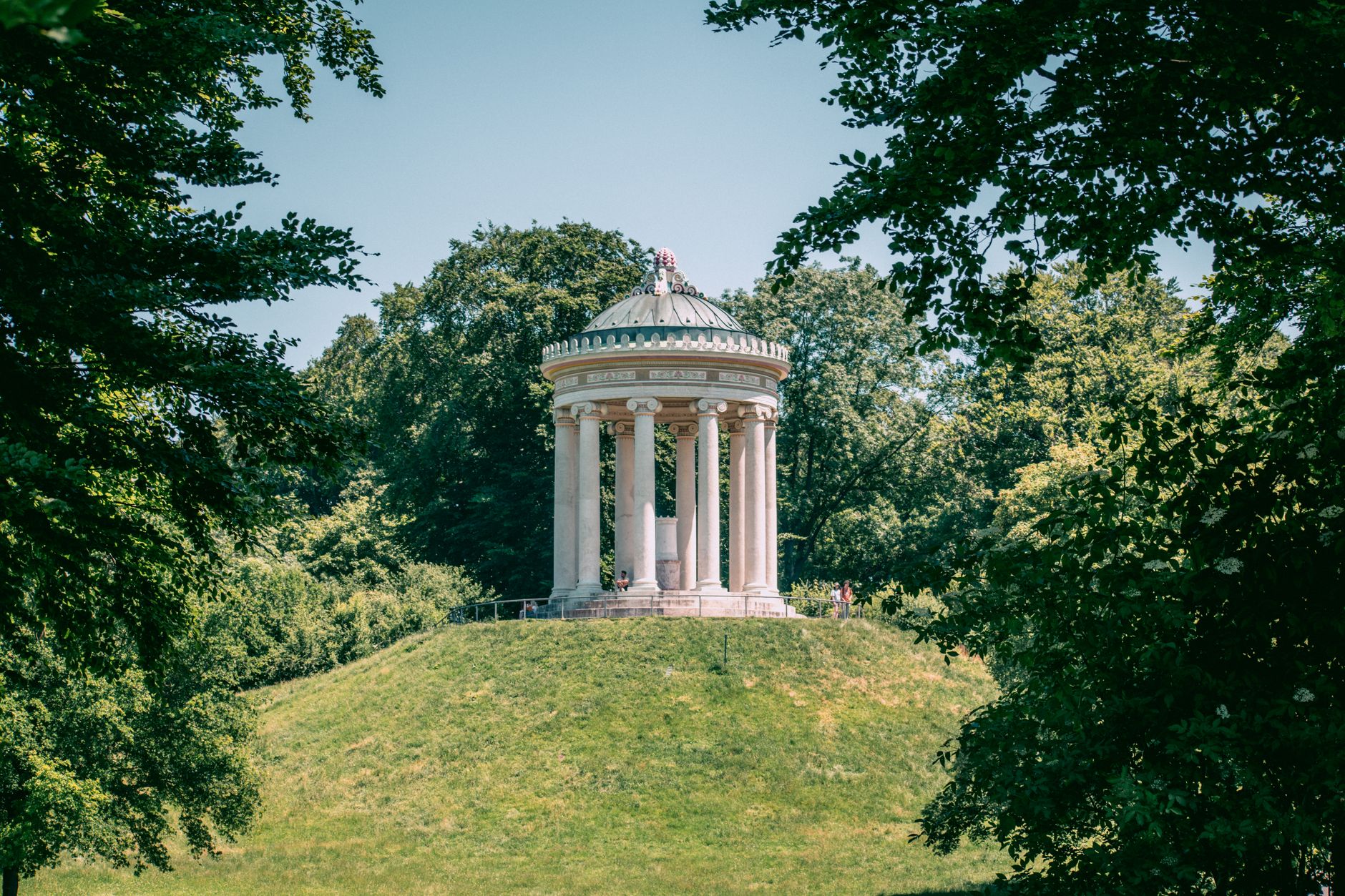
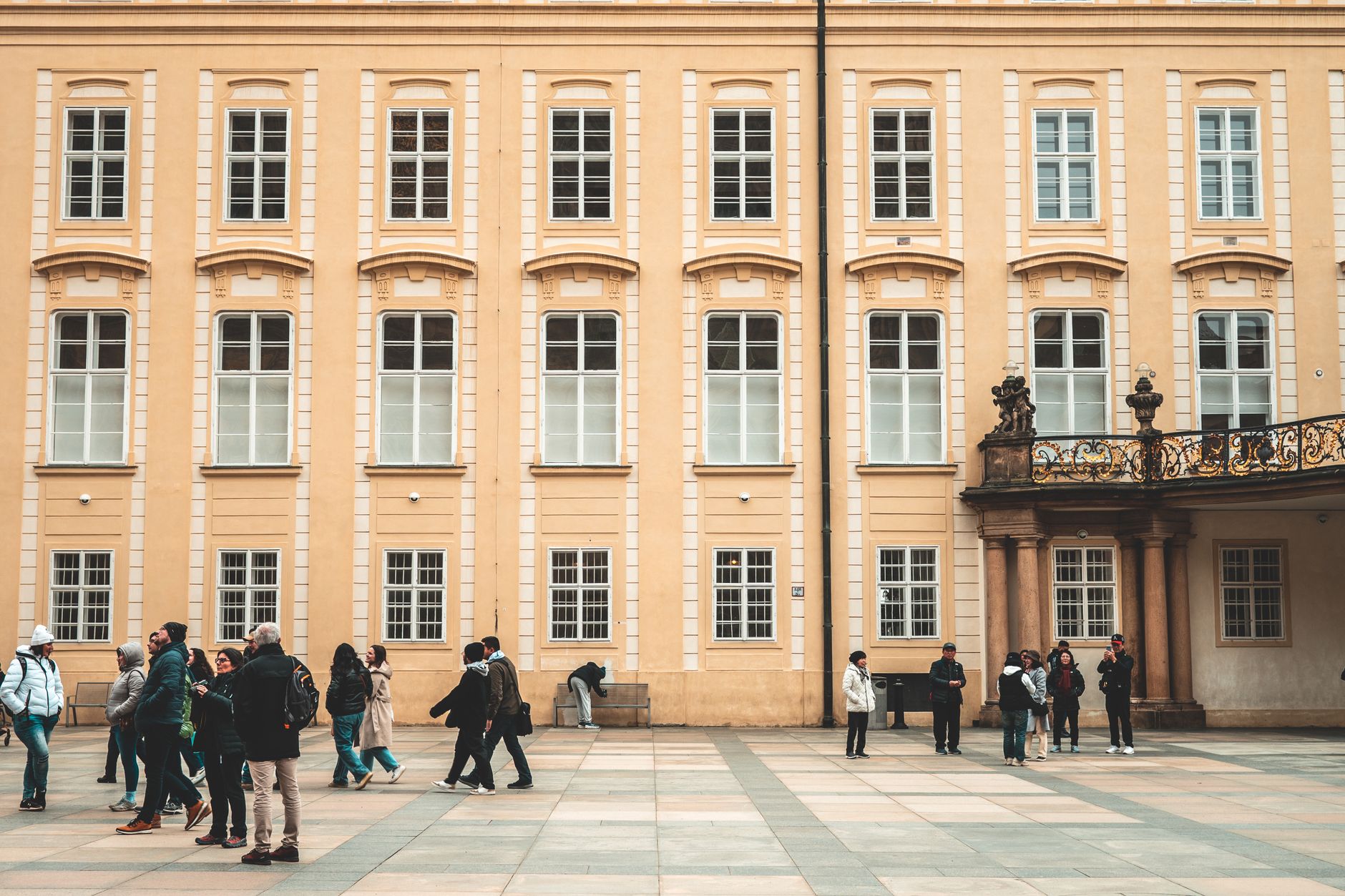
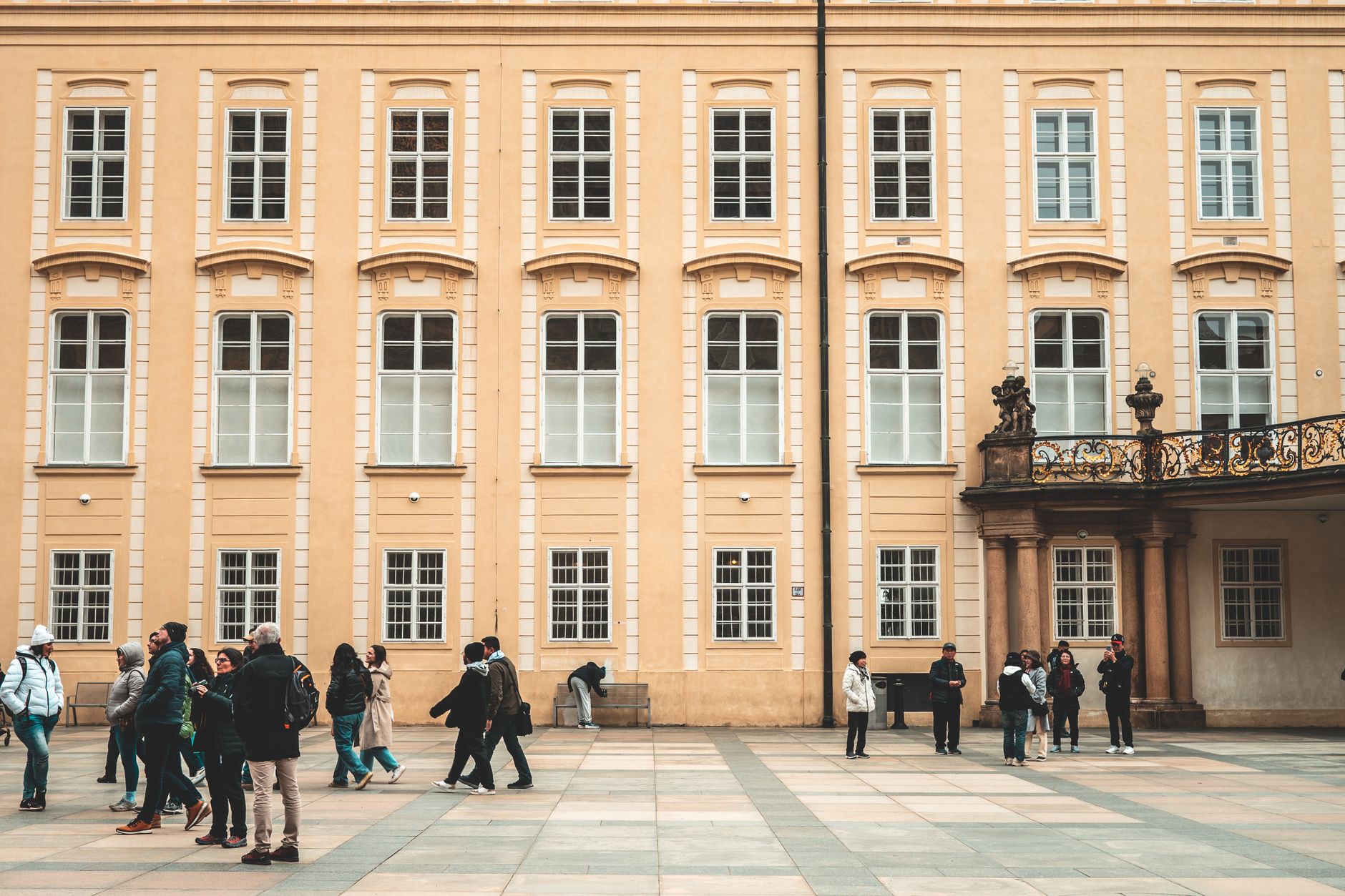
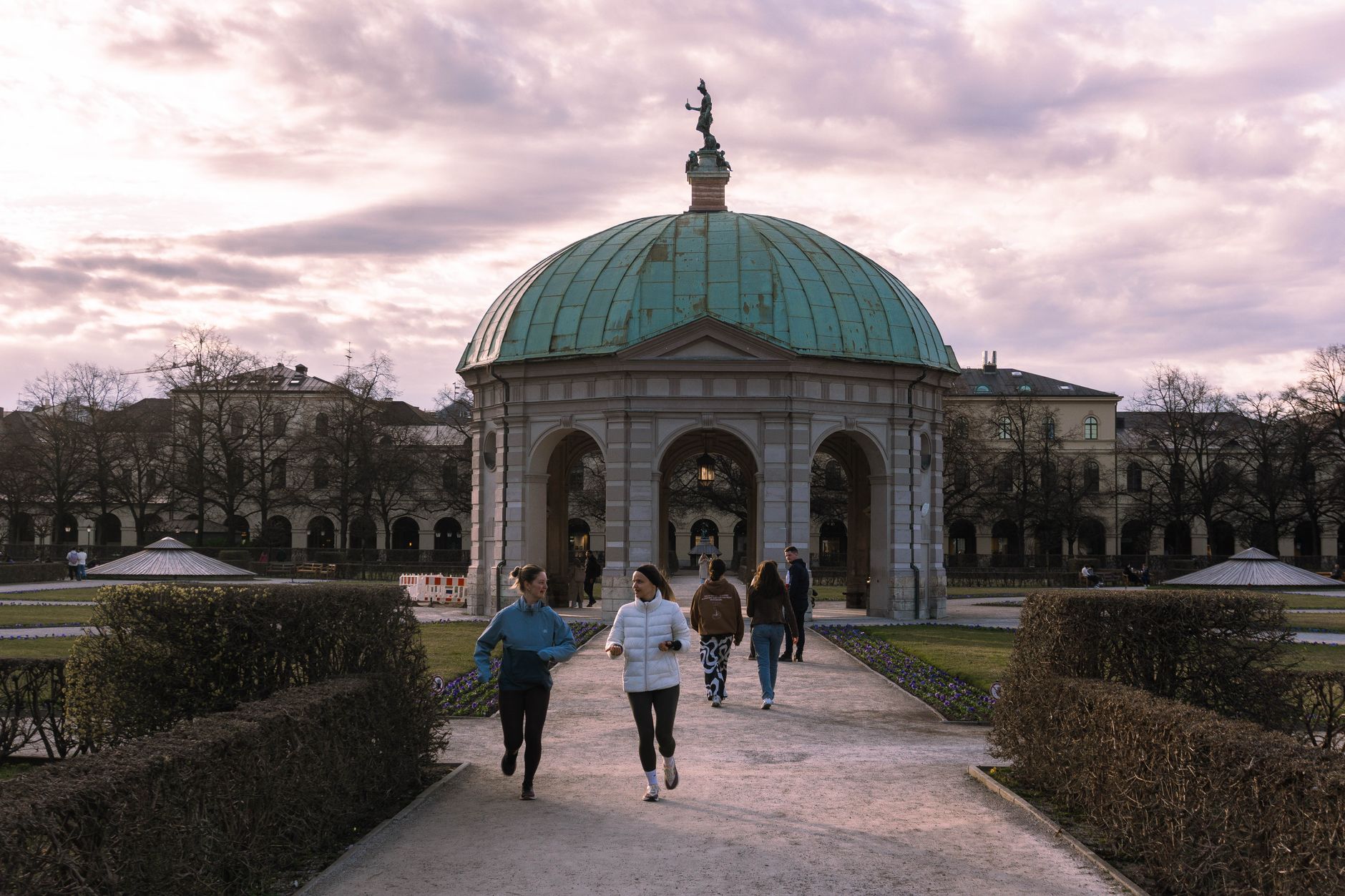
💛 What travellers fall for
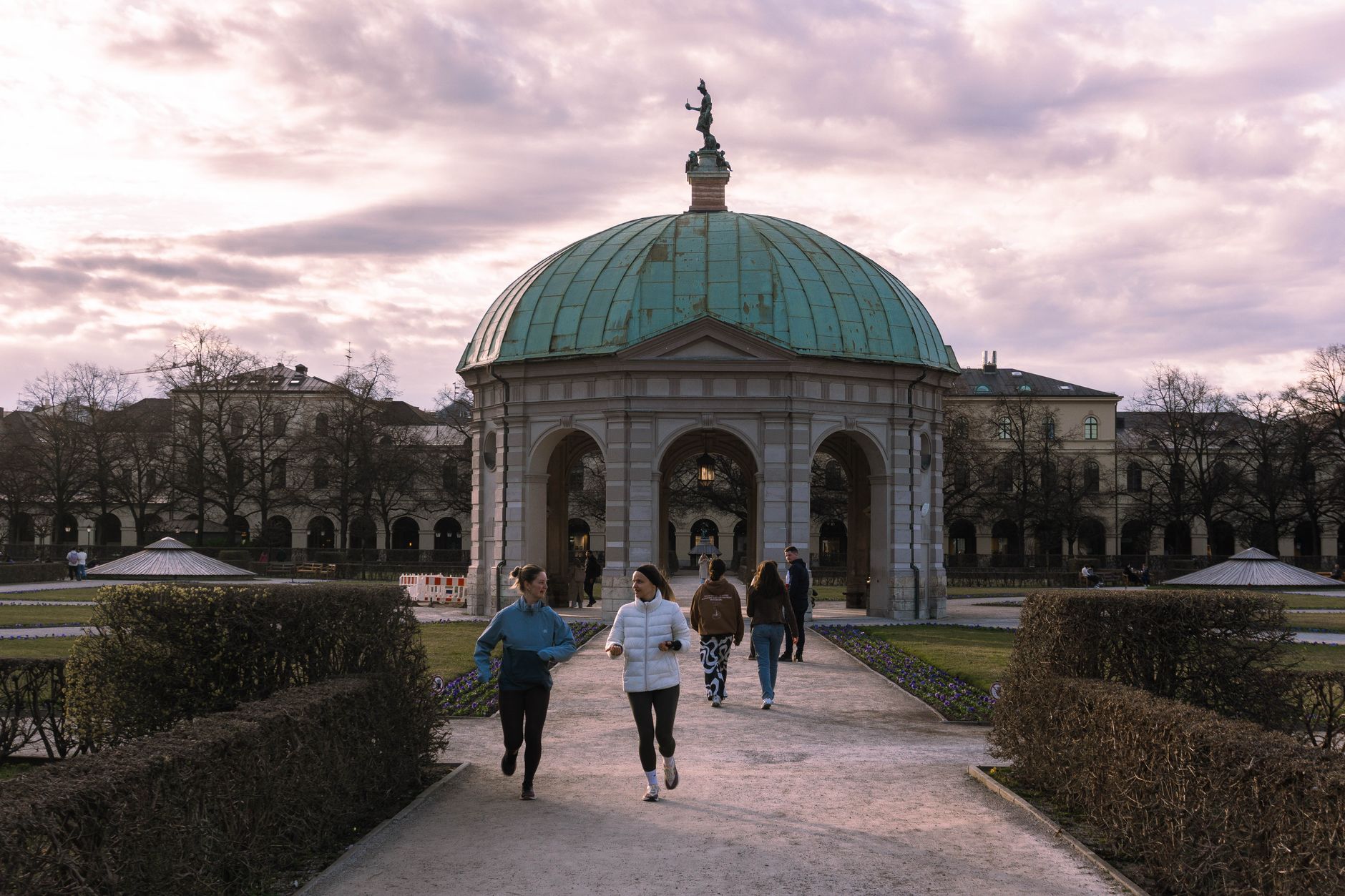
People who come back tend to have a neighbourhood rather than a list. They'll tell you to get off the U-Bahn one stop early and walk through Schwabing, or to go to the Residenz on a Tuesday morning when the tour groups are thin. The Glockenspiel is worth one look — then you've seen it.
How Munich came to be
Munich's origin is blunt and transactional. In 1158, Henry the Lion, Duke of Saxony and Bavaria, burned down the town of Föhring and its bridges over the Isar to redirect the salt trade through his own crossing point. The city that grew from that act was granted official status and fortification by 1175. When the Wittelsbach dynasty established their residence here in 1255, Munich's role as a political centre was fixed — and it remained the seat of that family until 1918.
The city's modern shape was partly forced on it: heavy bombing in World War II destroyed much of what centuries had built, and the subsequent restoration effort was painstaking. The 1972 Summer Olympics accelerated modernisation — the U-Bahn opened that year — and gave the city infrastructure it still relies on. The first Oktoberfest, for context, was held in 1810 to mark the marriage of Crown Prince Ludwig; what began as a horse race on the Theresienwiese became the world's largest folk festival.
Who and what shaped it
People who shaped it
Landmark buildings
See Munich in motion
Plan your visit
On the map
When to go
Summers are warm and sociable, with long evenings well-suited to the beer gardens that open across the city. Winters are cold and often snowy, with temperatures regularly dropping below freezing from December through February; the city handles it without much fuss, but pack accordingly.
Right now
↡ Cities
Background & history adapted from Wikipedia (CC BY-SA) · specs from Wikidata (CC0) · weather from Open-Meteo · map data © OpenStreetMap contributors · photos from Wikimedia Commons / Unsplash with per-image credit. No third-party reviews or social posts reproduced.