
Schwabing-West
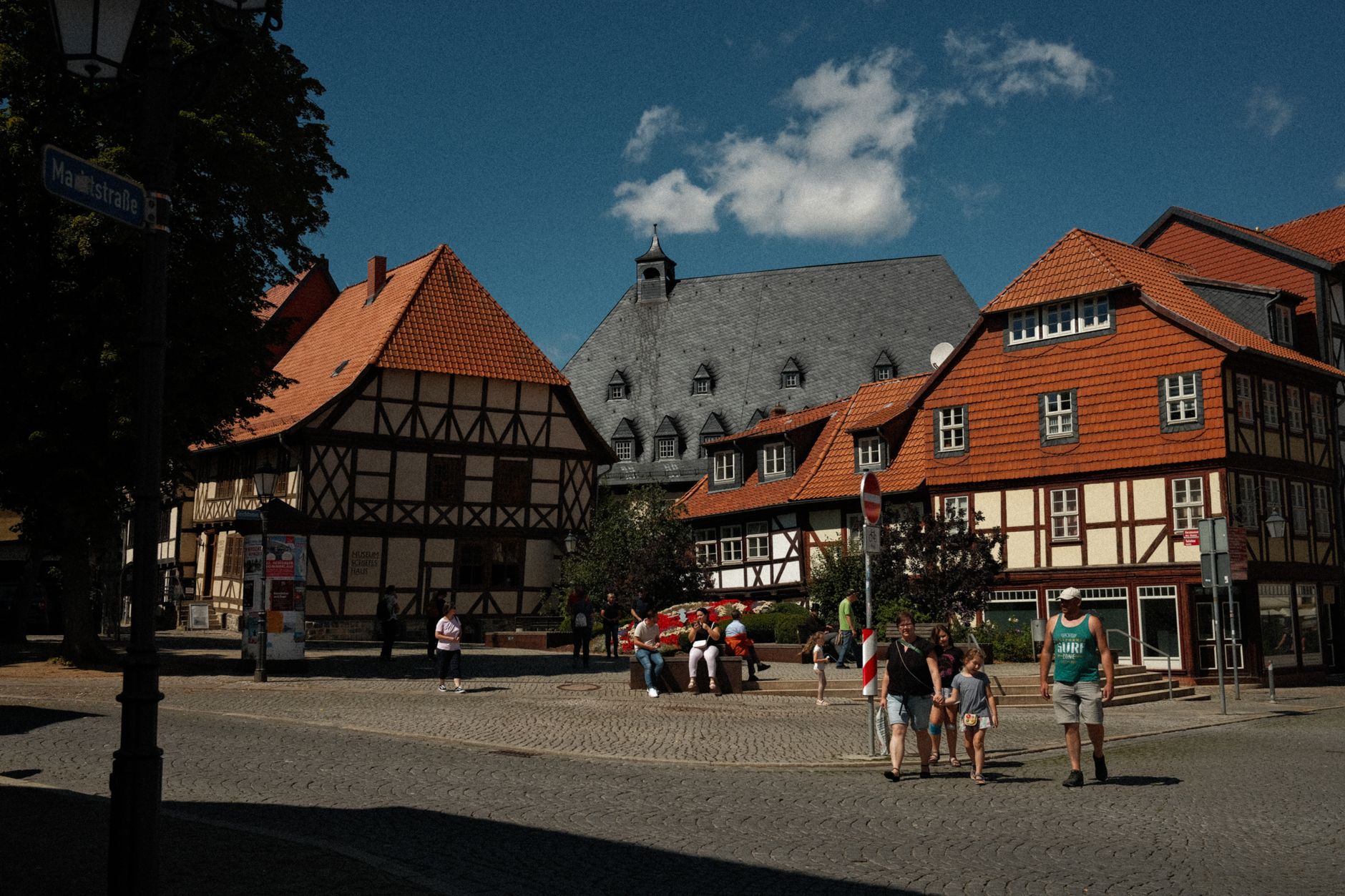
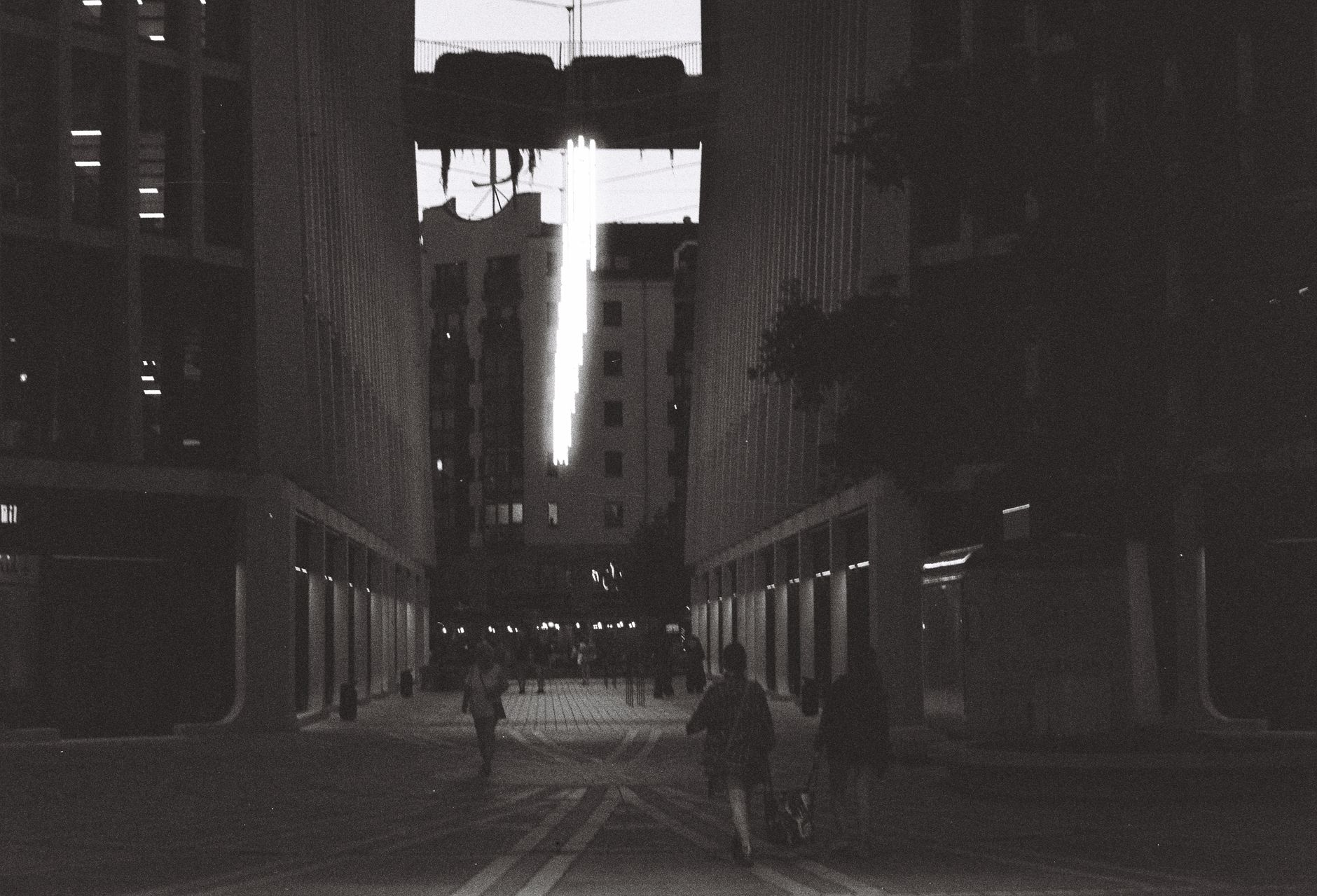
The first thing you notice on Leopoldstraße is the scale of it — a long, wide boulevard that seems built for a grander era, which it was. Behind the Siegestor triumphal arch, the avenue stretches north through Schwabing-West past Neo-Renaissance facades and pavement cafés where the afternoon light falls at an angle that explains why artists once came here in such numbers.
Schwabing-West is Munich's most expensive address now, which tells you something about how thoroughly a neighborhood can be transformed by its own reputation. The bohemian energy is mostly history, but the bones remain: the Wilhelminian-era squares, the Elisabethmarkt with its farmer's stalls, the park that begins where the city seems to exhale.
💛 What travellers fall for
People who come back tend to time it around the Elisabethmarkt on a weekday morning — quieter than the Viktualienmarkt and genuinely local. From there, Hohenzollernstraße repays a slow walk for its particular mix of independent shops. The Christmas market at Münchner Freiheit is worth the detour in December.
Deals in Schwabing-West
Book directly at the provider


How Schwabing-West came to be
Schwabing's first recorded mention is from 782 — it was a village with its own church long before Munich existed as a city. It was absorbed into Munich in the 1890s, and what followed was one of the more remarkable concentrations of creative life in early 20th-century Europe. During the reign of Prince Regent Luitpold, Thomas Mann, Rainer Maria Rilke, Frank Wedekind, Rainer Maria Rilke, and Lion Feuchtwanger all lived or worked here, alongside Lenin, who wrote 'What Is To Be Done' in the neighborhood in 1902. Fanny zu Reventlow, the self-styled Bohemian Countess, became its emblem.
The counterculture returned in the 1960s — Schwabing was a center of the 1968 student movement, prefigured by the Schwabinger Krawalle street unrest of 1962. Decades of gentrification have since displaced the nightlife and most of the artists, leaving behind the architecture, the squares, and property prices that would have astonished the bohemians who made the neighborhood famous.
Who and what shaped it
People who shaped it
Landmark buildings
See Schwabing-West in motion
Plan your visit
On the map
When to go
Munich has warm summers and cold, often snowy winters, but Schwabing-West specifically runs hotter than surrounding districts in summer — recent temperature measurements confirm the effect. Spring and early autumn are the most comfortable seasons for walking the streets and squares.
Right now
Background & history adapted from Wikipedia (CC BY-SA) · specs from Wikidata (CC0) · weather from Open-Meteo · map data © OpenStreetMap contributors · photos from Wikimedia Commons / Unsplash with per-image credit. No third-party reviews or social posts reproduced.