
Glockenbachviertel
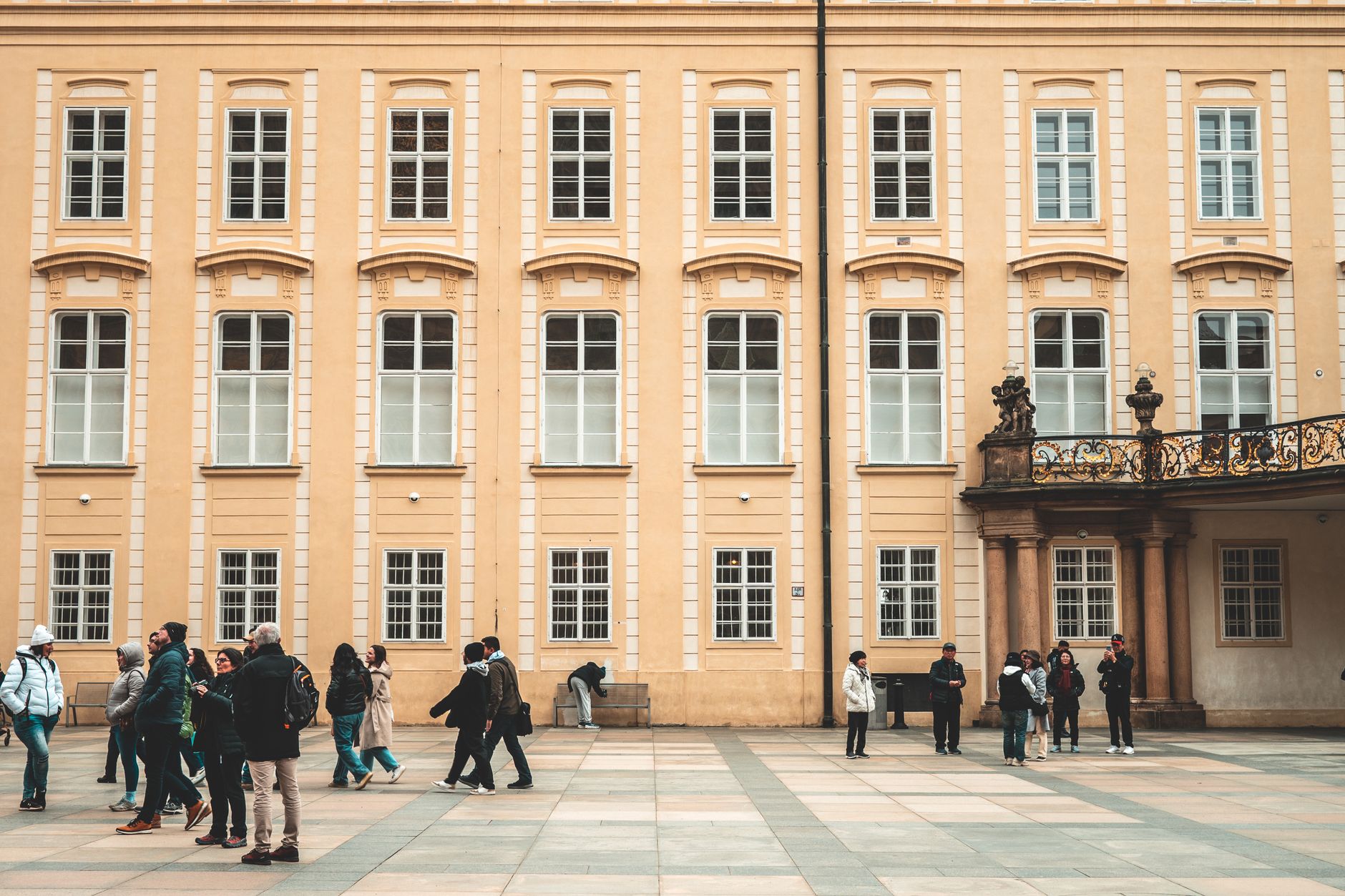
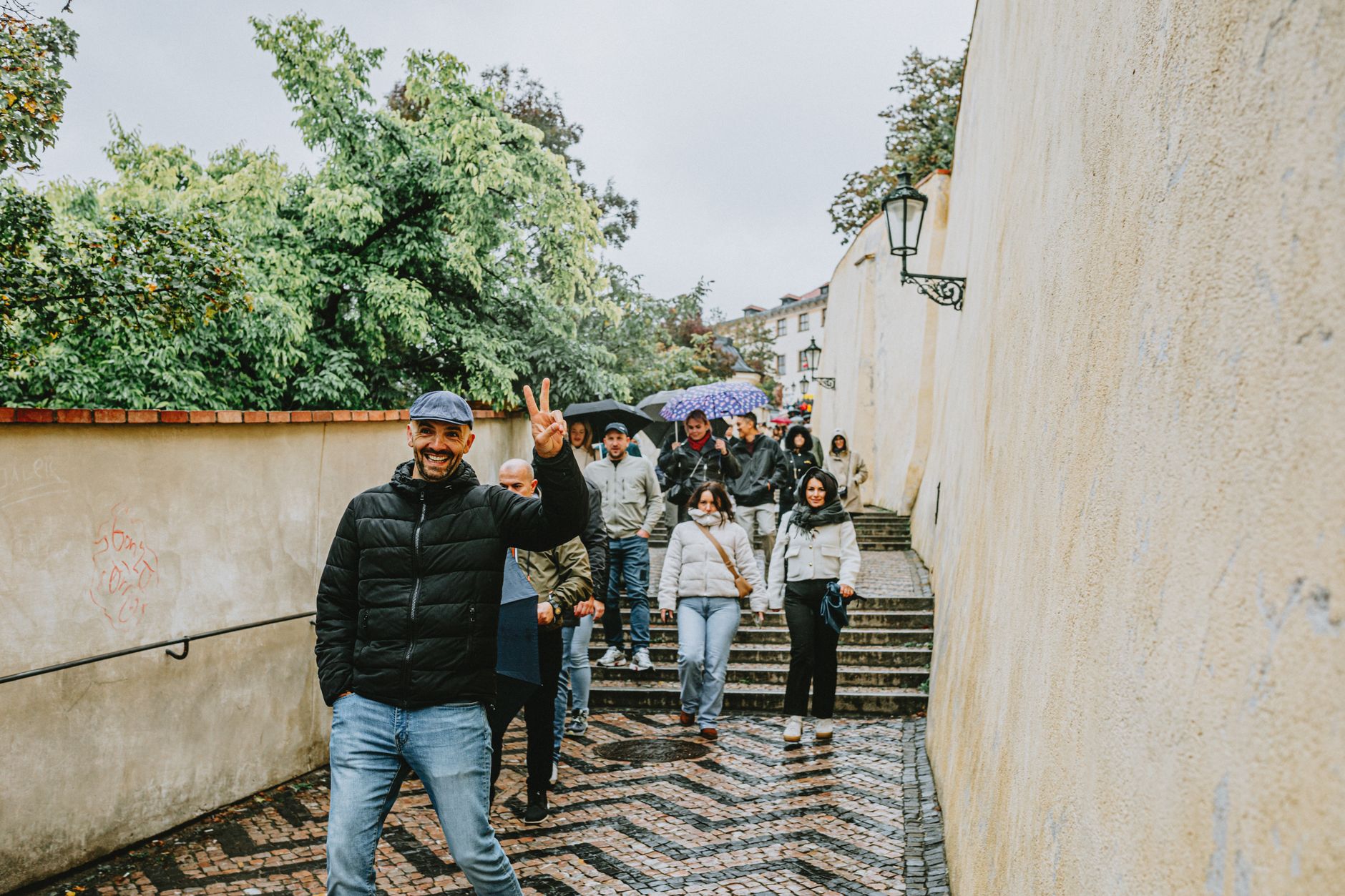
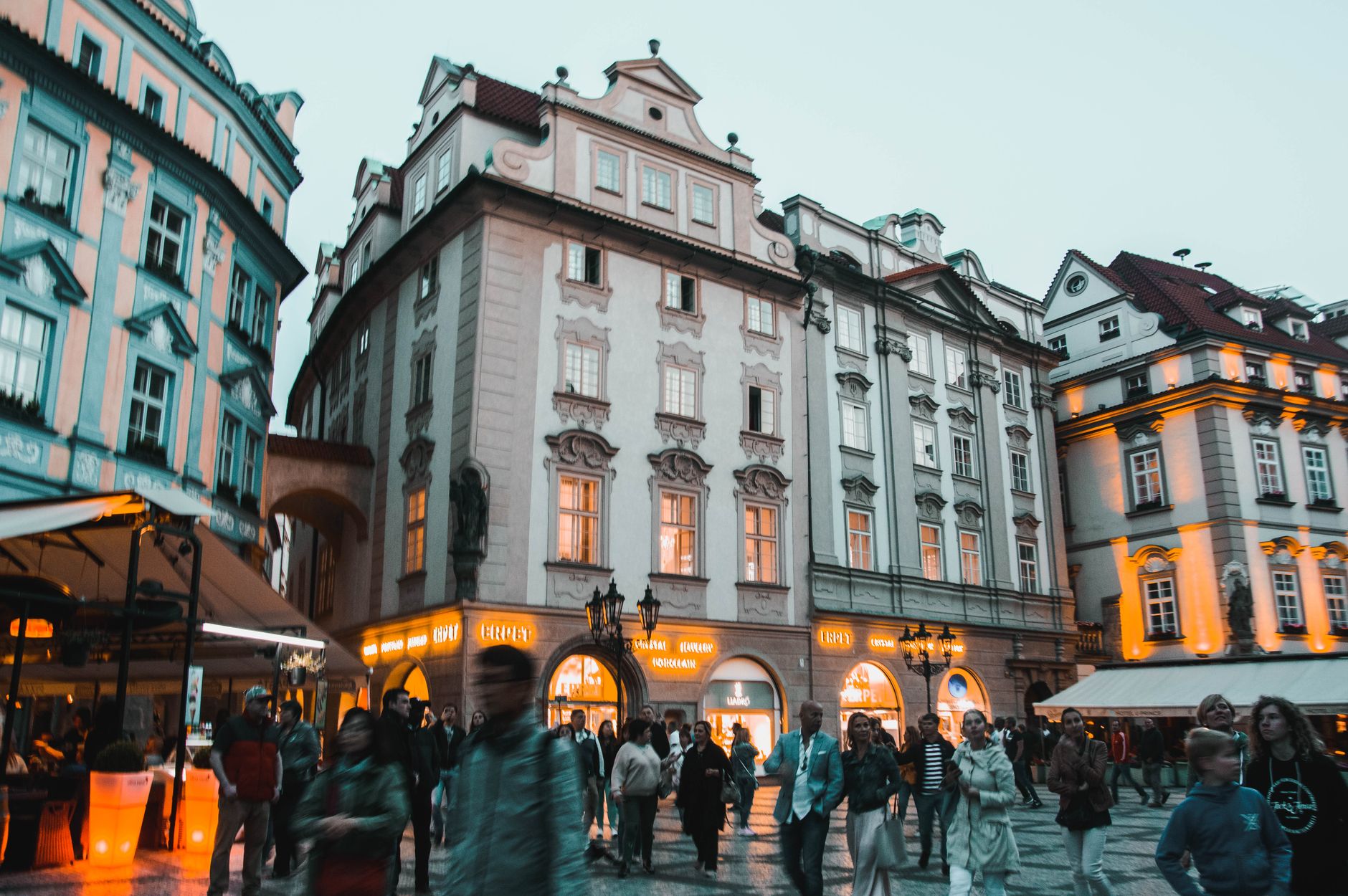
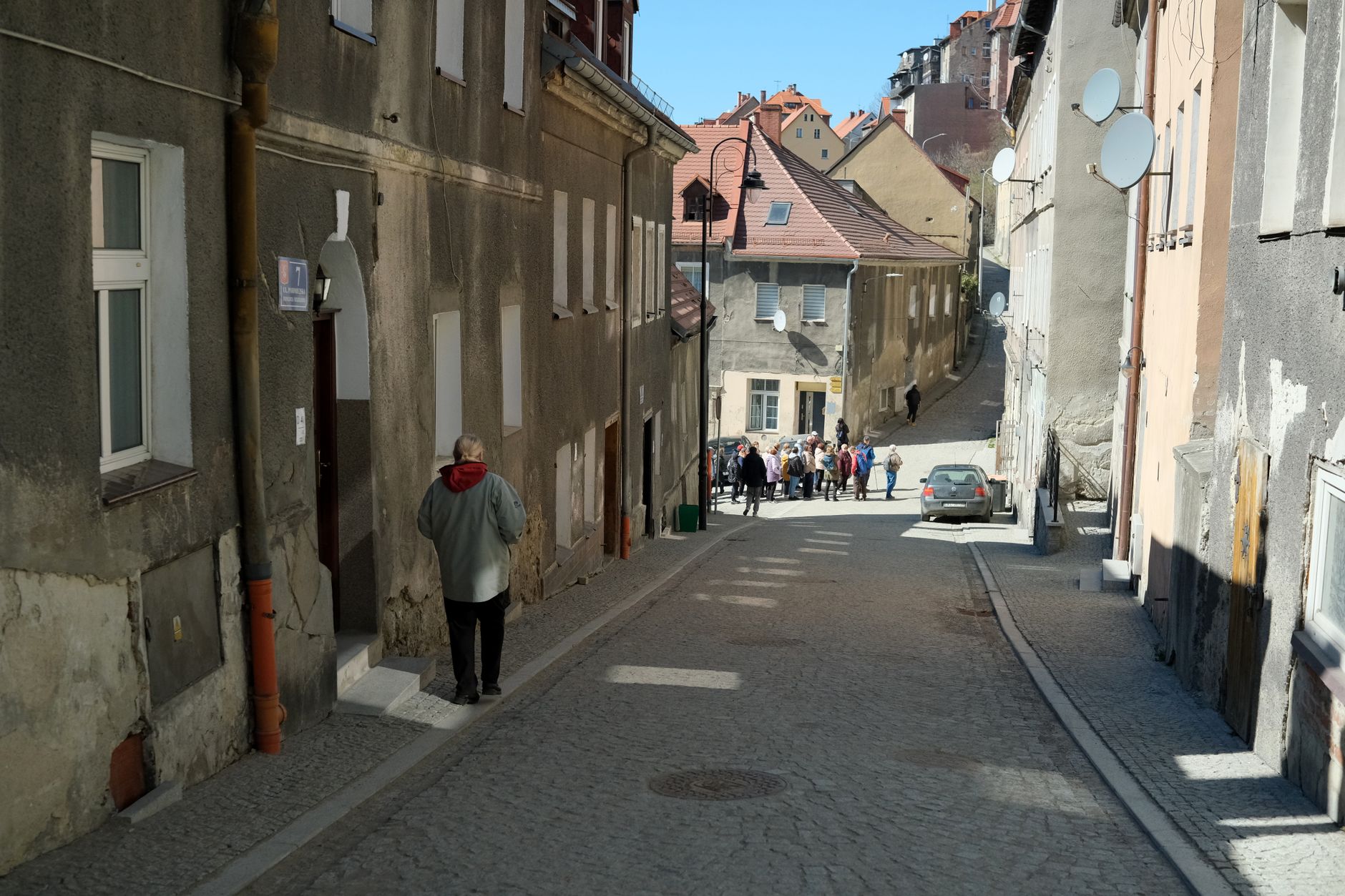
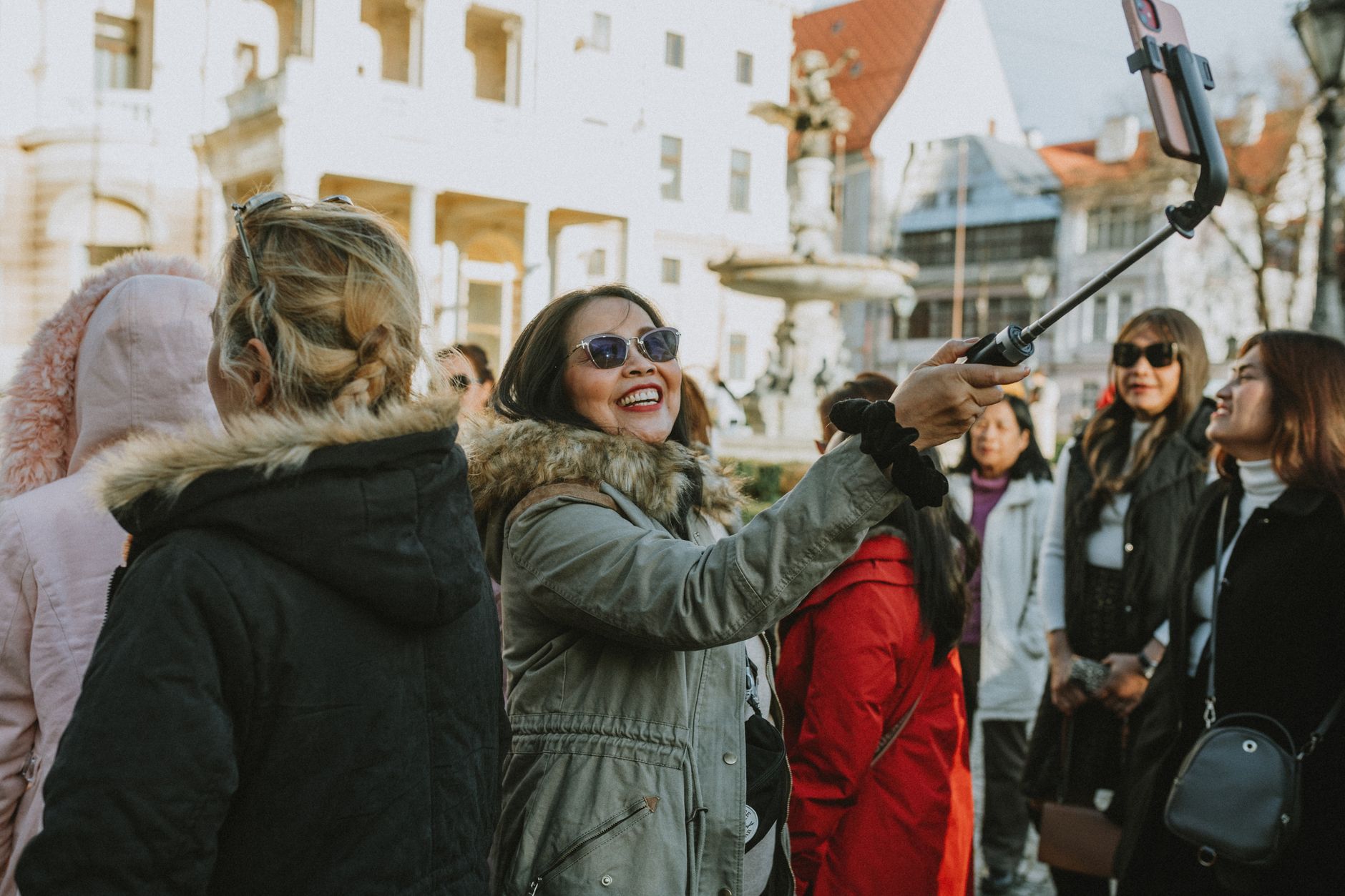
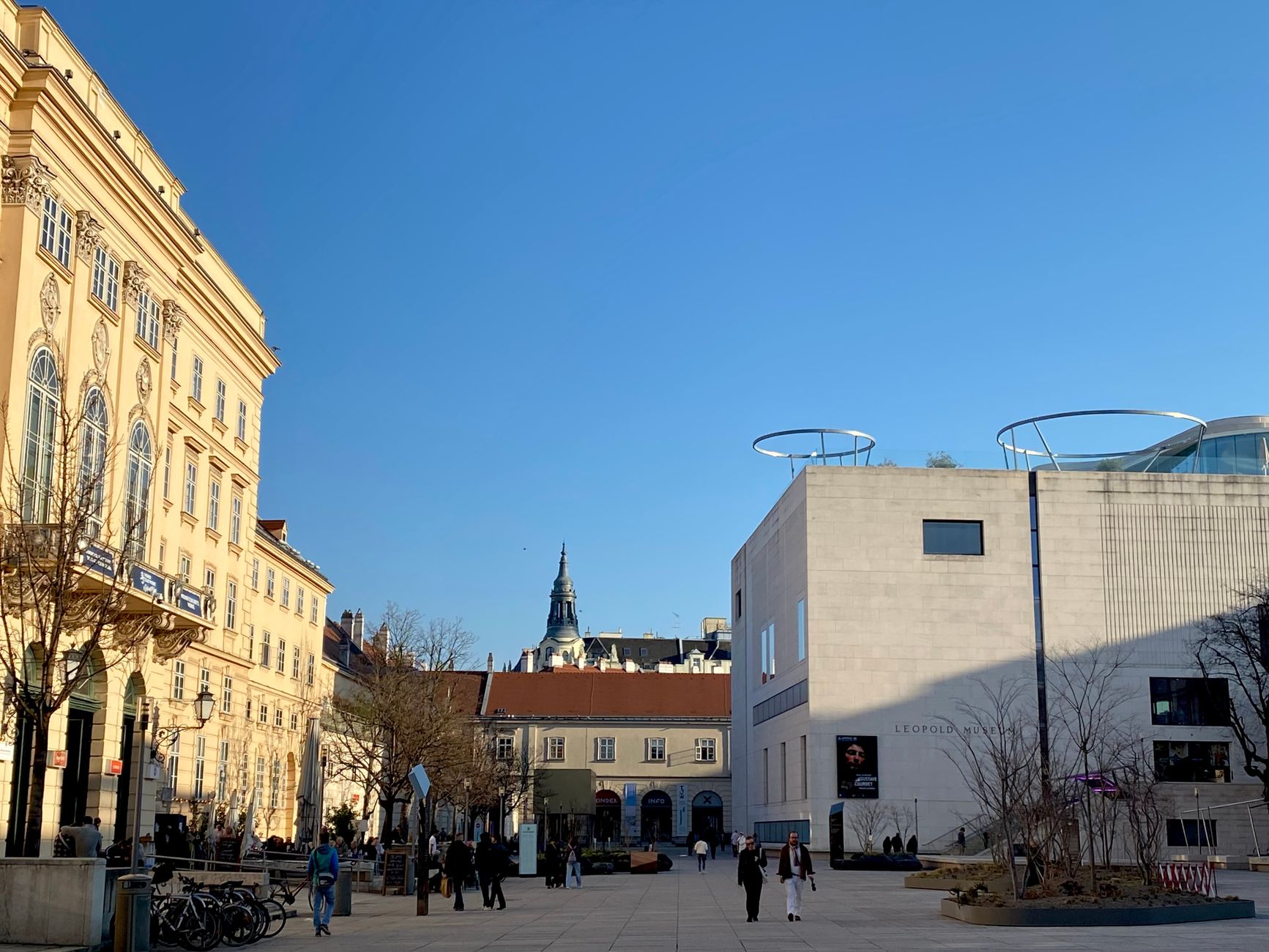
The Glockenbach stream that gave this quarter its name now runs mostly underground, but the neighborhood built above it has never been quieter. Fraunhoferstraße is the spine of it all — lamp shops and comic stores beside gallery windows, rooftop terraces above Bavarian costume boutiques, restaurants spilling onto the pavement as the street runs from Müllerstraße down to the Reichenbach Bridge.
Glockenbachviertel has been Munich's LGBTQ+ heartland since the 1960s, and it carries that history lightly — in the mix of bars, the pace of the street, the sense that the neighborhood has always made room for people who didn't quite fit elsewhere. Gärtnerplatz anchors the western end like a stage set, the round neoclassical theater at its south end still drawing crowds most nights.
💛 What travellers fall for
People who know the quarter well tend to arrive on foot from Sendlinger Tor and walk the length of Fraunhoferstraße slowly. The Arena Kino on Hans-Sachs-Straße — showing films in their original language since 1912 — is worth checking before you go; evening screenings sell out. The Alter Südfriedhof on a weekday afternoon, squirrels and all, is a different city entirely.
Deals in Glockenbachviertel
Book directly at the provider

How Glockenbachviertel came to be
The name goes back to a bell foundry that once operated on the banks of a small stream at the city's edge — the Glockenbach, or bell stream. That stream is underground now, but the Old South Cemetery nearby marks where the city gates once stood, and for eighty years it was Munich's only burial ground. Friedrich von Gärtner, Georg Simon Ohm, and Ellen Ammann are among those buried there, the cemetery long since converted into a listed park.
The quarter itself took shape during the Gründerzeit building boom, its apartment blocks going up for artisans and workers. It stayed a working-class neighborhood well into the 20th century before artists and the LGBTQ+ community began arriving in the 1960s. By the 1980s, the bars around Gärtnerplatz had become well-known enough that Freddie Mercury was a regular, reportedly throwing parties across several of them.
Who and what shaped it
People who shaped it
Landmark buildings
See Glockenbachviertel in motion
Plan your visit
On the map
When to go
Summers are warm rather than hot — July highs around 24°C — though afternoon thunderstorms roll in fast from May through August, so an umbrella is not theatrical. Winters are genuinely cold and often snowy; the quarter's bars and the Arena Kino make it a reasonable place to be in February.
Right now
Background & history adapted from Wikipedia (CC BY-SA) · specs from Wikidata (CC0) · weather from Open-Meteo · map data © OpenStreetMap contributors · photos from Wikimedia Commons / Unsplash with per-image credit. No third-party reviews or social posts reproduced.