
Olympiapark
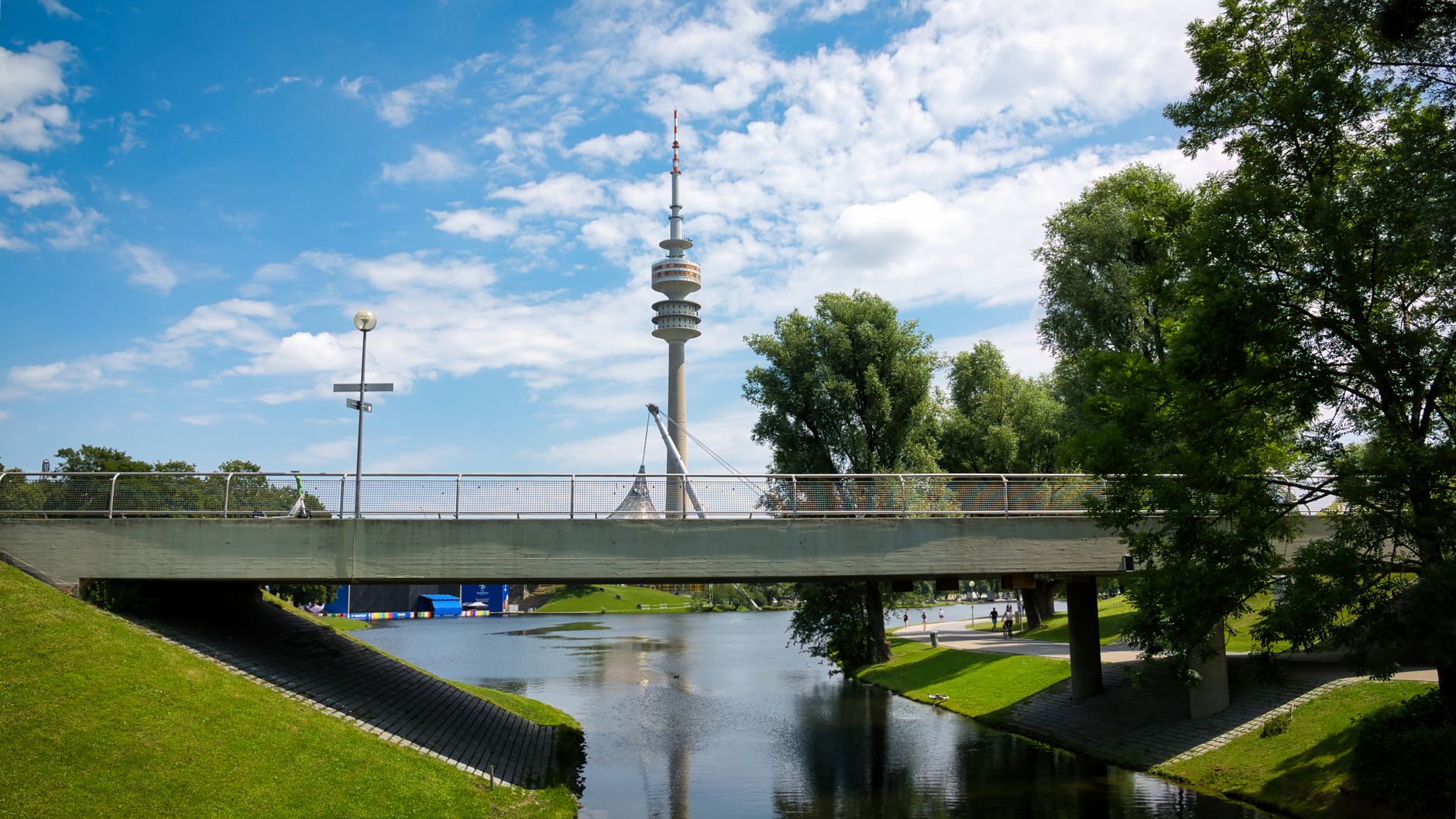
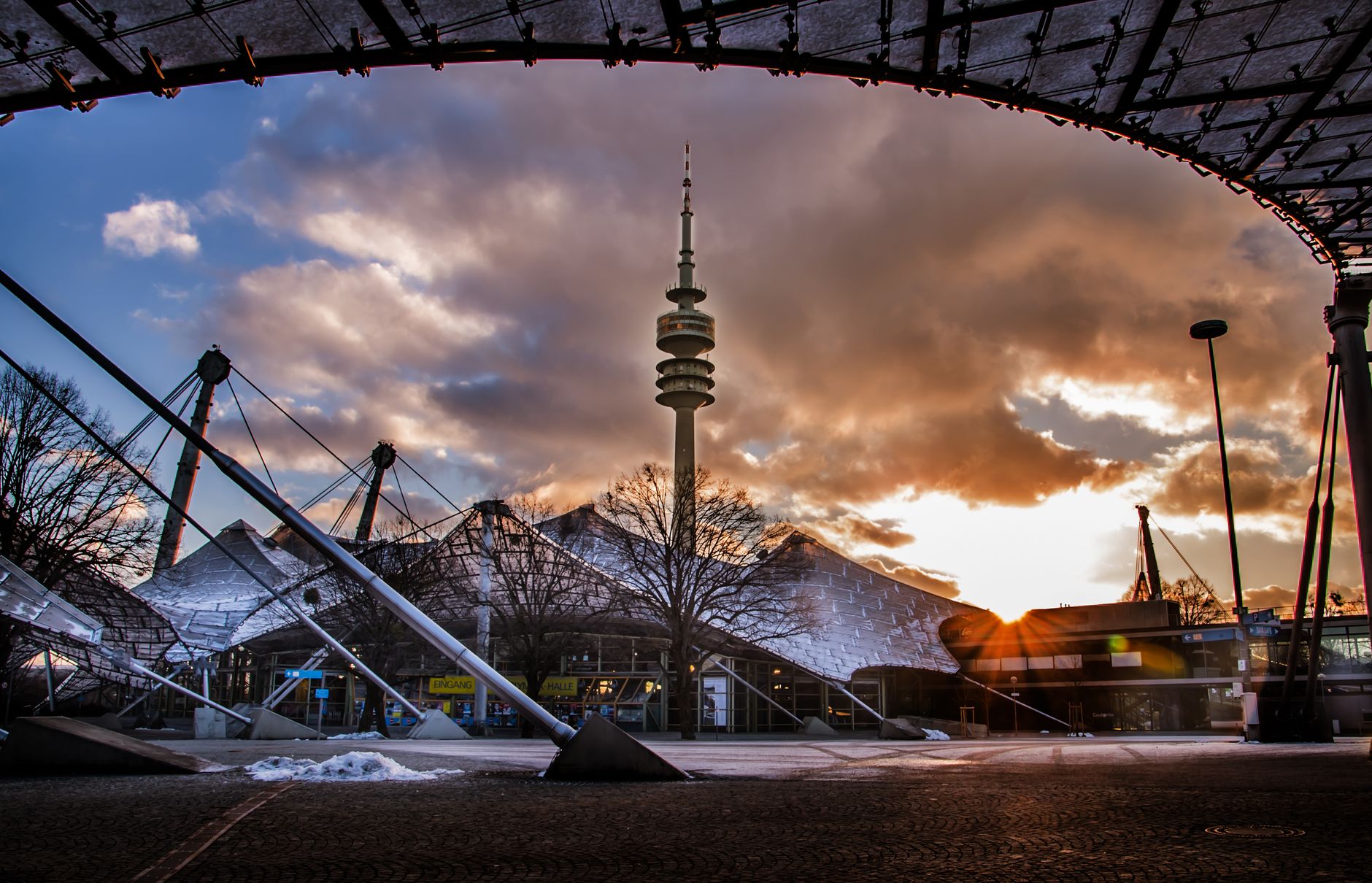
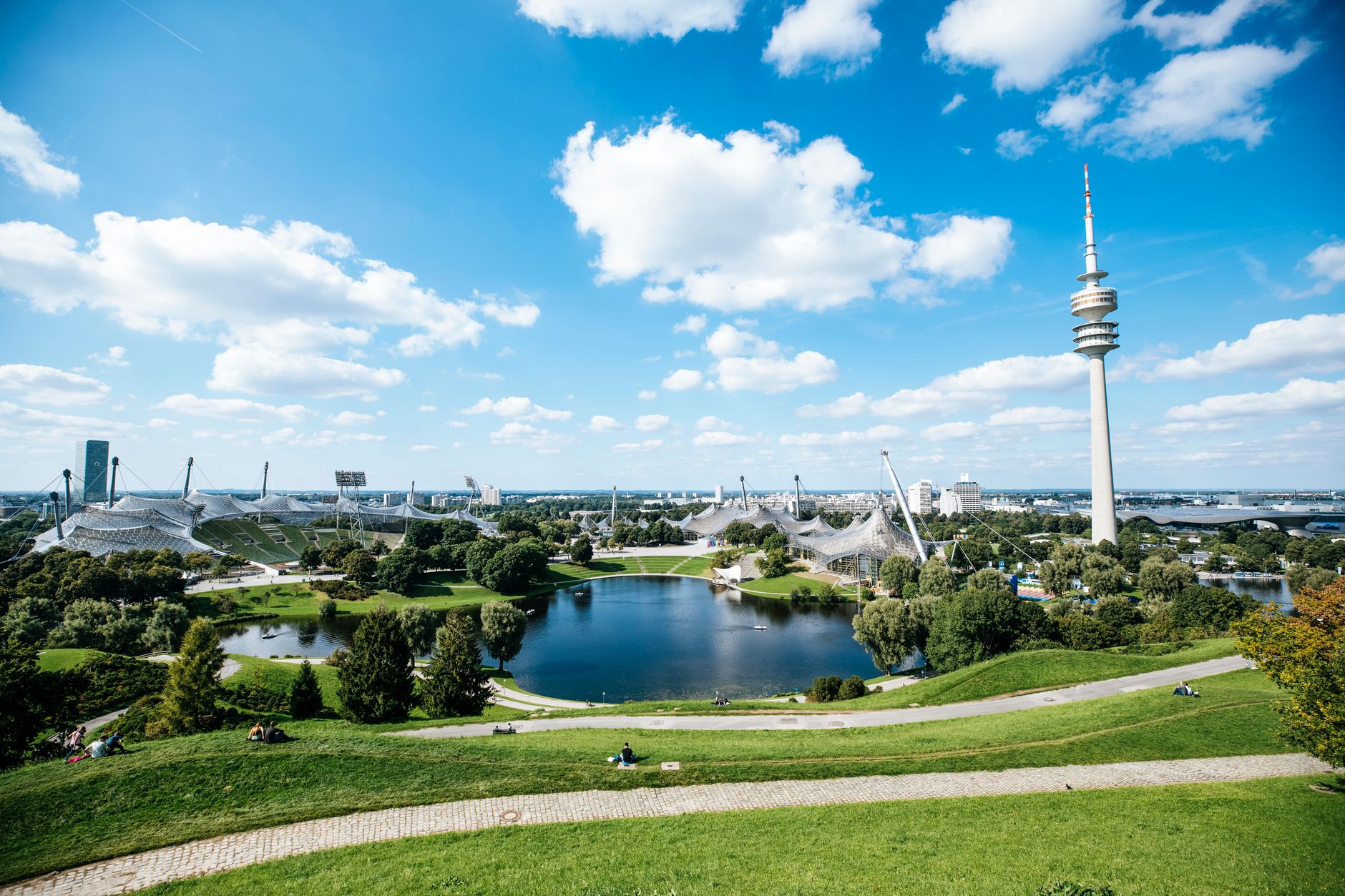
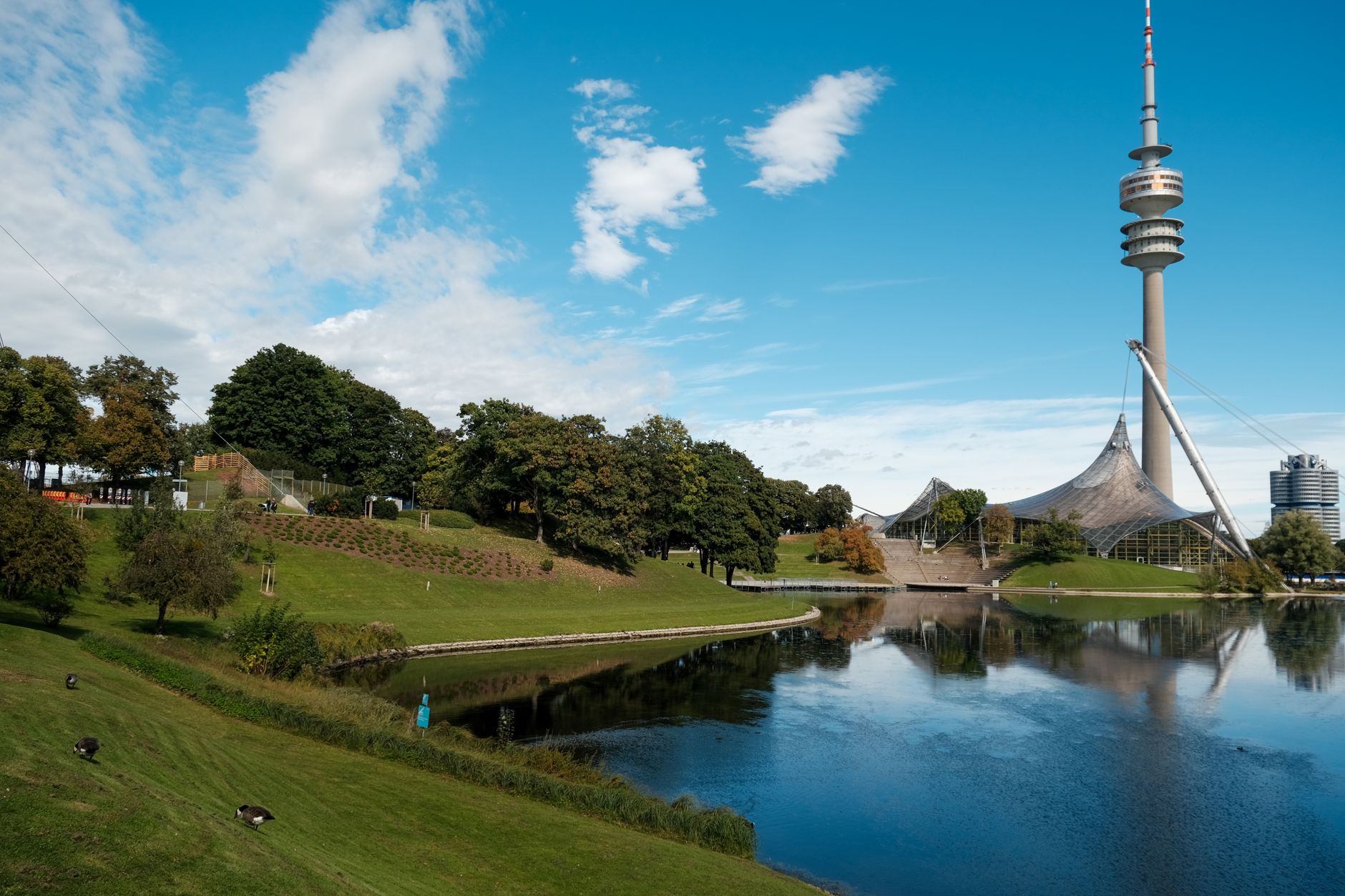
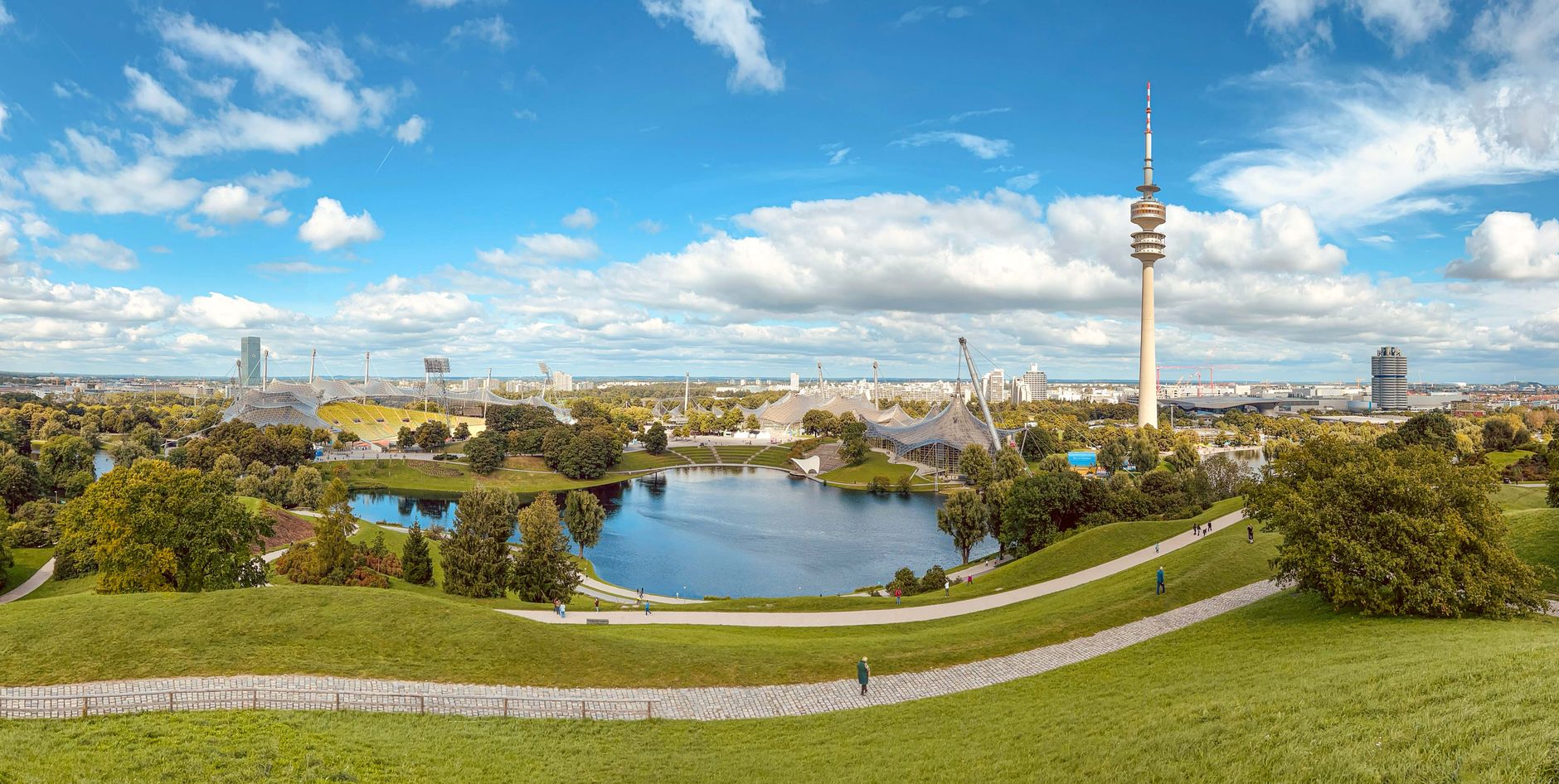
The hill at the centre of Olympiapark is made of rubble — specifically, the debris Munich cleared from its bombed streets after 1945. That fact sits quietly beneath the grass and the picnicking families and the view of the Alps on a clear foehn day, giving the place a weight that the concrete and acrylic glass alone never could. Fifty metres high, dotted with trees, it is the park's unlikely anchor.
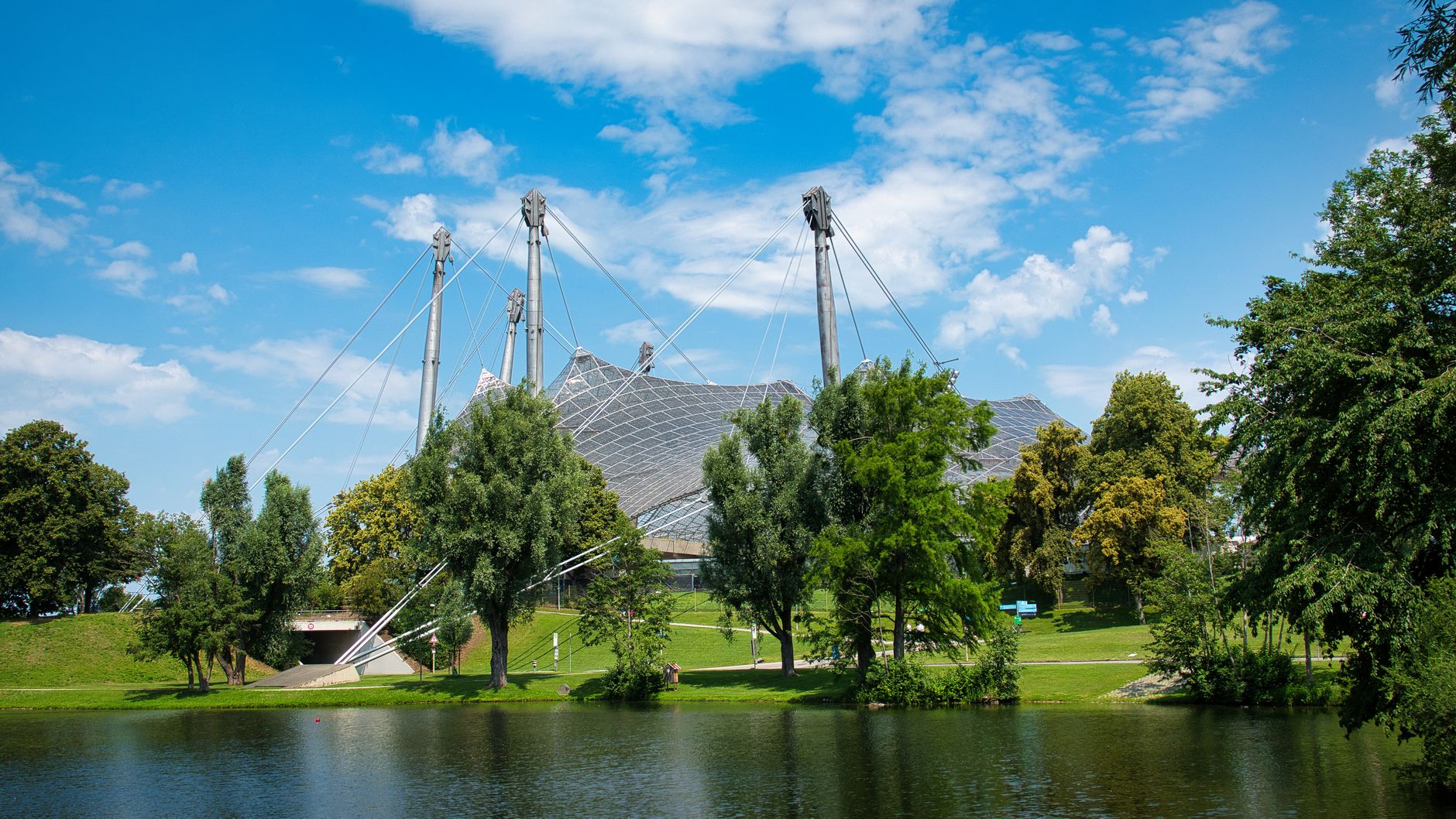
Built for the 1972 Summer Olympics across a former airfield called Oberwiesenfeld, the park covers more than 200 acres and has never really closed. The stadium, the tower, the tensile roof that changed architecture — they are all still here, still in use, still drawing people who come not just to remember 1972 but to swim, to see a concert, to sit with a beer above the city.
💛 What travellers fall for
People who come back tend to time it for a foehn day — the Alpine wind that scrubs the sky clean — and climb the Olympiaberg early, before the families arrive. The beer garden up there is Munich's highest, and the sightlines on a good day reach all the way to the Zugspitze. Worth the detour before anything else.
Deals in Olympiapark
Book directly at the provider
How Olympiapark came to be
Oberwiesenfeld served as Munich's airfield until 1939, then sat largely empty for nearly three decades. When the International Olympic Committee awarded Munich the 1972 Summer Olympics in 1966, the site became the canvas for an ambitious urban project — 'Olympic Games in the Green' — that would reshape it entirely. Earthworks began in 1968, 3,100 large trees were planted in 1971 and 1972, and the stadium officially opened on 26 May 1972. Total cost: 1.35 billion German marks.
Architect Günter Behnisch led the master plan, while engineer Frei Otto designed the tensile roof structure — a web of steel cables supporting acrylic glass panels — that became the project's defining gesture. Civil engineer Jörg Schlaich directed completion of the stadium roof on 21 April 1972. Landscape architect Günther Grzimek shaped the grounds. The result was not a temporary venue but a permanent park that Munich absorbed into daily life.
Who and what shaped it
People who shaped it
Landmark buildings
See Olympiapark in motion
Plan your visit
On the map
When to go
Late spring through early autumn is when the park comes into its own — long days, the outdoor pools open, the beer garden full. Winter visits are quieter and colder but rarely impossible; watch for foehn conditions in any season, which clear the air dramatically and make the Alpine panorama from the Olympiaberg worth the trip on its own.
Right now
Background & history adapted from Wikipedia (CC BY-SA) · specs from Wikidata (CC0) · weather from Open-Meteo · map data © OpenStreetMap contributors · photos from Wikimedia Commons / Unsplash with per-image credit. No third-party reviews or social posts reproduced.