
Haidhausen
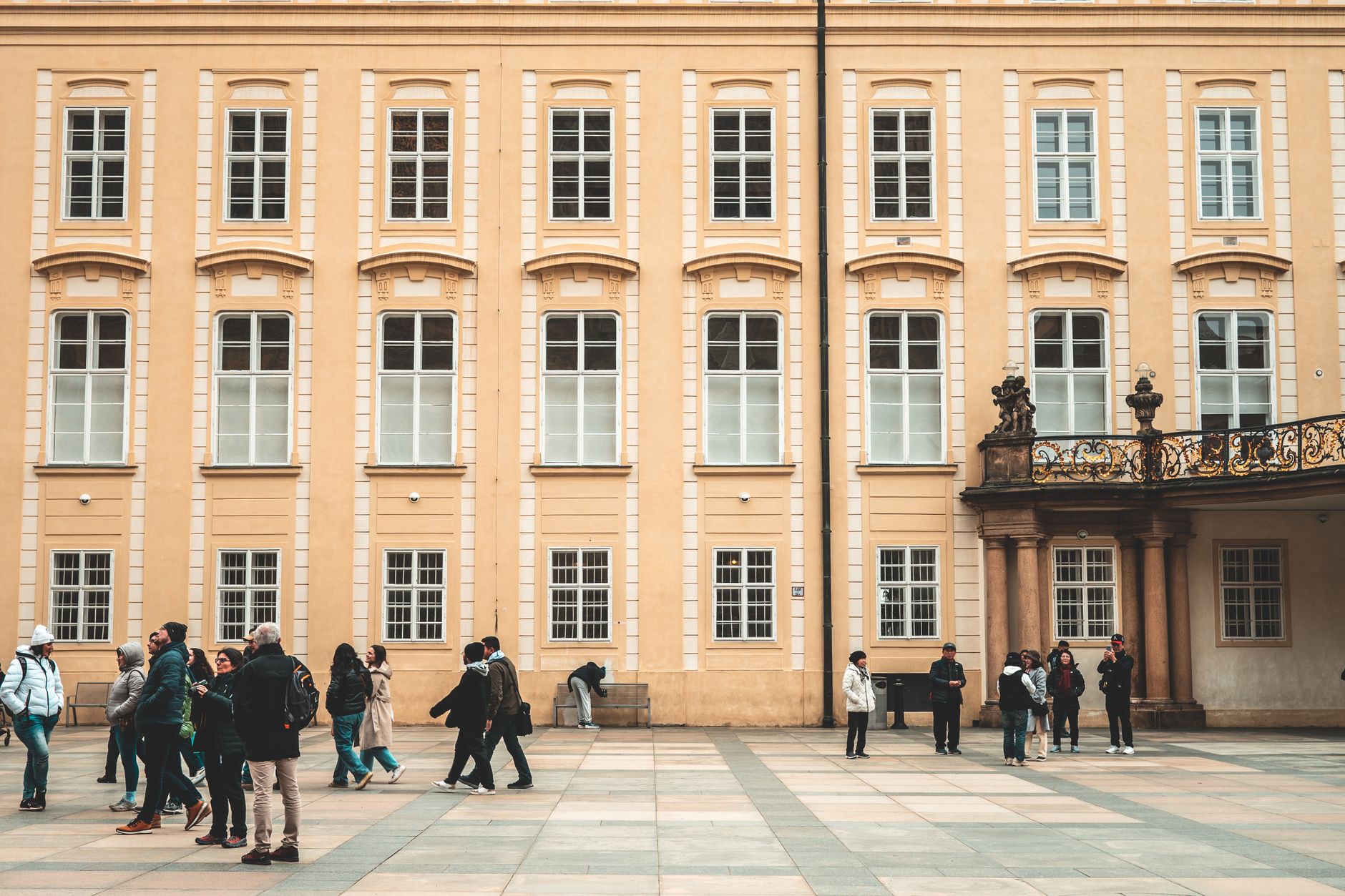
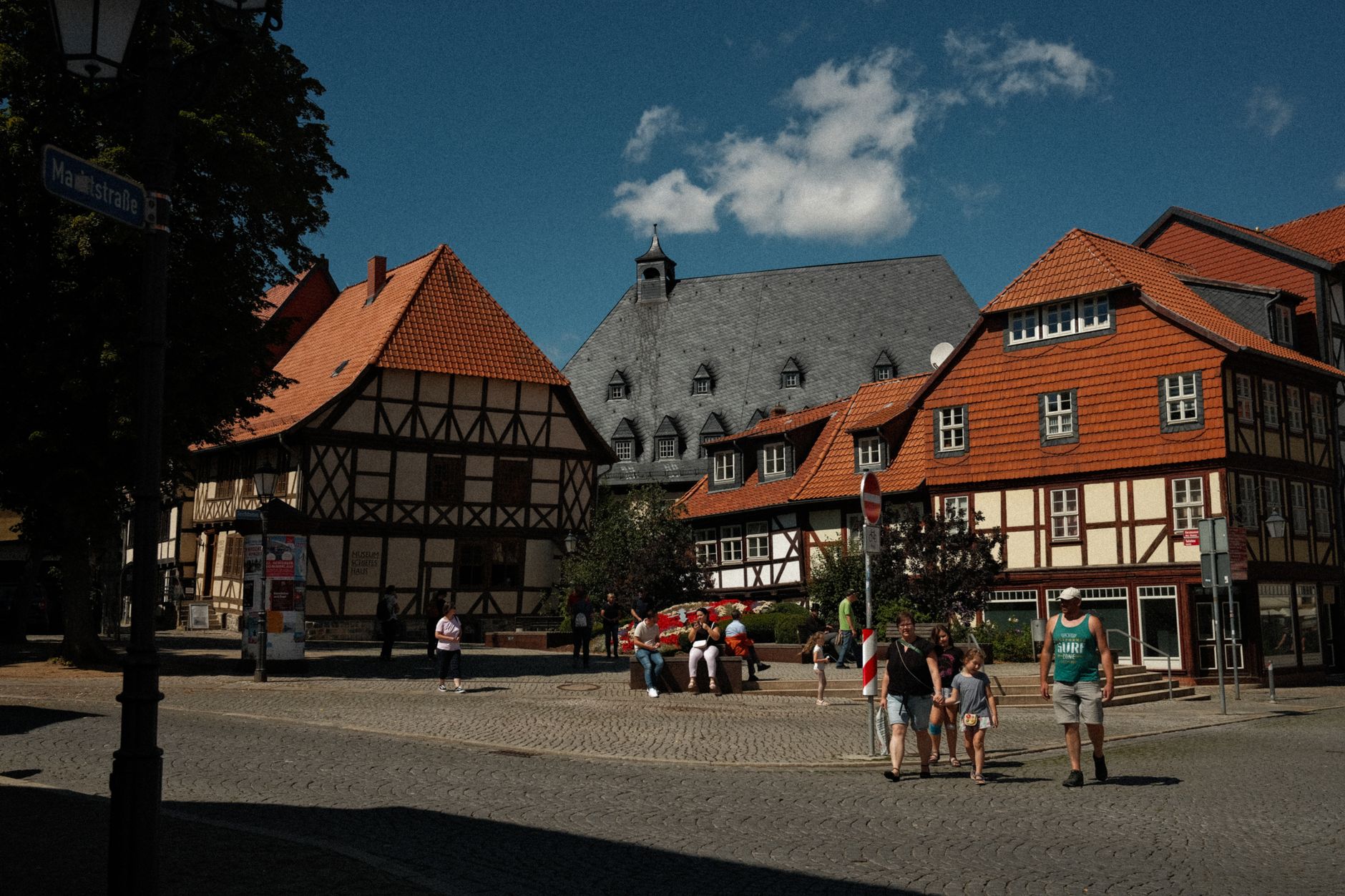
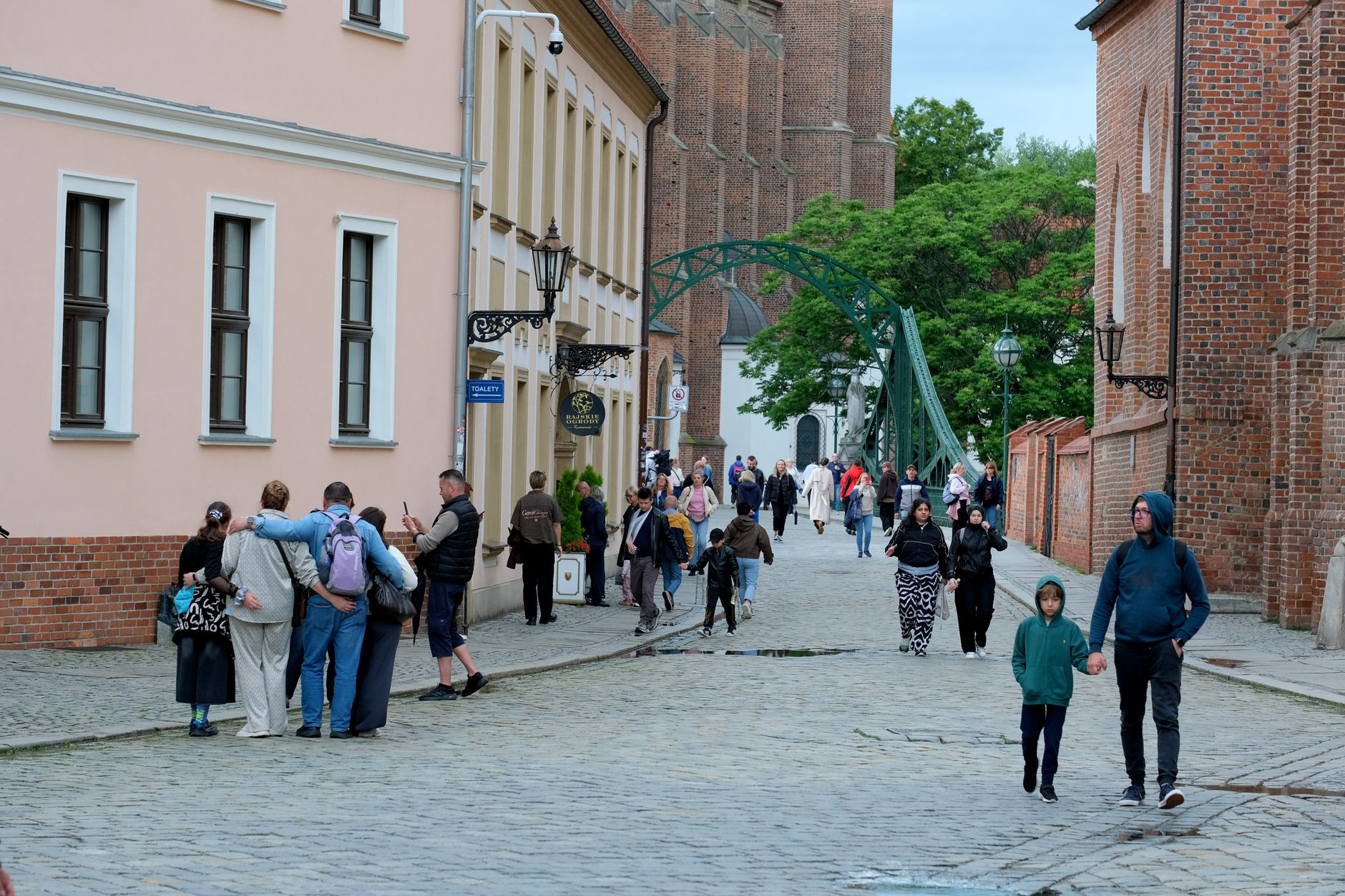
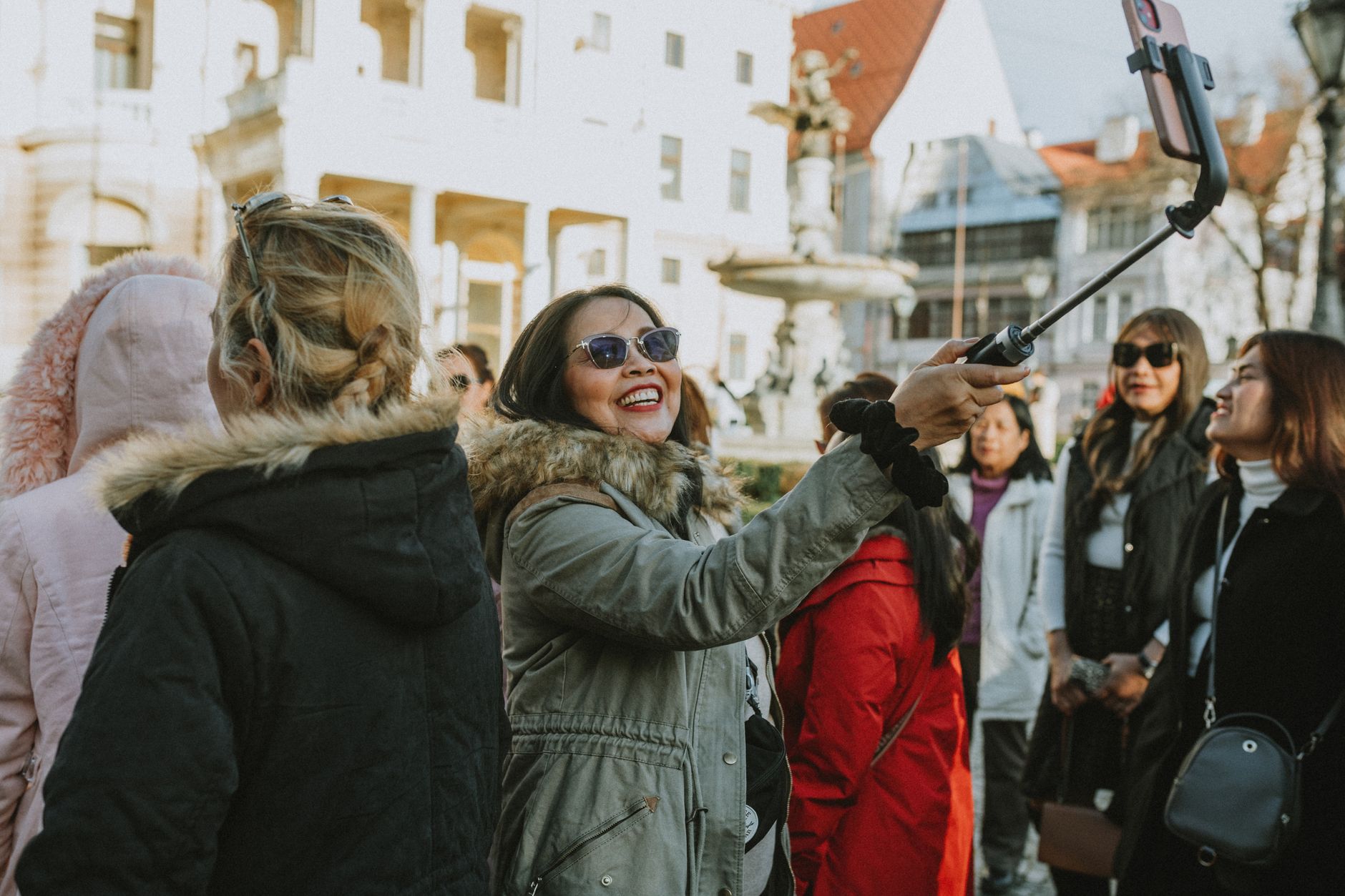
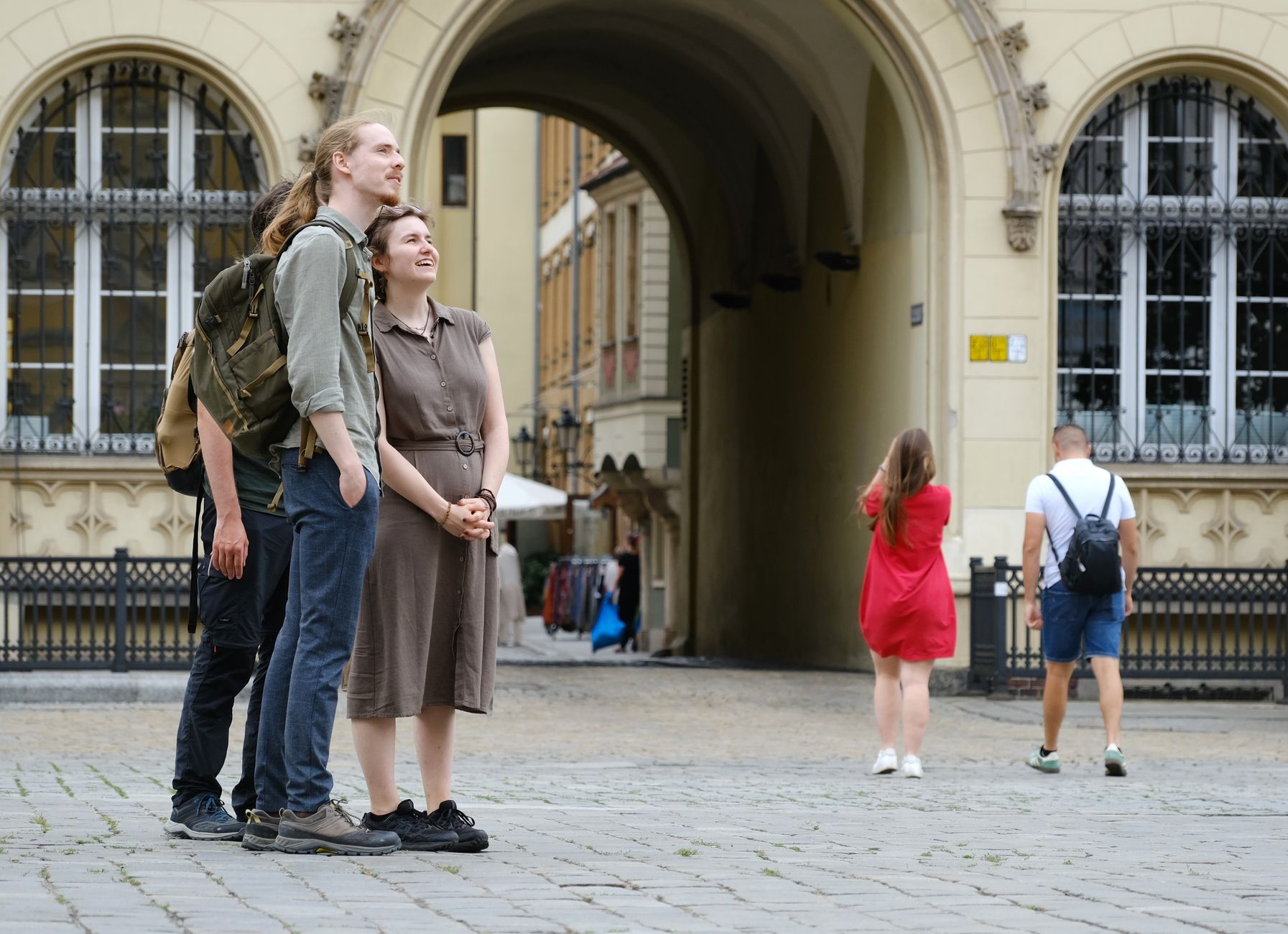
Cross the Isar heading east and the city changes register. Haidhausen runs at a lower pitch than the centre — wide Wilhelminian streets lined with stucco facades built before 1914, a church tower on Johannisplatz that climbs to 97 metres without anyone making much fuss about it, and the Müller'sche Volksbad sitting at the riverbank like a tiled fever dream of Art Nouveau.
This is a neighbourhood shaped by clay and salt long before it was shaped by gentrification. Workers came first, then artists, then the city's main cultural centre. The bones of all three eras are still visible if you slow down enough to look.
💛 What travellers fall for
People who keep coming back tend to have a ritual around Wiener Platz — coffee from one of the market stalls, then a slow loop through the surrounding streets to check on the old facades. The Kriechbaumhof courtyard is worth ducking into, and the Üblacker-Häusl on Preysingstrasse catches a different exhibition almost every month.
Deals in Haidhausen
Book directly at the provider


How Haidhausen came to be
The name traces back to 808 — 'haidhusir,' a scattering of small houses and a church on a salt route into Munich. The loamy soil produced clay bricks; the road brought trade. Ownership passed from the Counts of Wolfratshausen to the Andechs family to the Wittelsbachs over several centuries, and the Preysing family maintained a country seat here from the 17th century until 1827.
Incorporation into Munich came on 1 October 1854, and industrialisation followed quickly. By the 1910 census, Haidhausen held over 60,000 people. Friedrich Bürklein — who also designed the Maximilianeum — completed the railway station in 1871. The Gasteig, Muffathalle and Lothringer13 arrived in the 1980s as industrial lots were cleared, and the older building stock was gradually brought back.
Who and what shaped it
People who shaped it
Landmark buildings
See Haidhausen in motion
Plan your visit
On the map
When to go
Munich summers are warm and occasionally thundery; Haidhausen's street cafes fill up reliably from May through September. Winters are cold and grey, but the indoor draw of the Gasteig or the Müller'sche Volksbad makes a visit in January feel less like a compromise.
Right now
Background & history adapted from Wikipedia (CC BY-SA) · specs from Wikidata (CC0) · weather from Open-Meteo · map data © OpenStreetMap contributors · photos from Wikimedia Commons / Unsplash with per-image credit. No third-party reviews or social posts reproduced.