
Altstadt
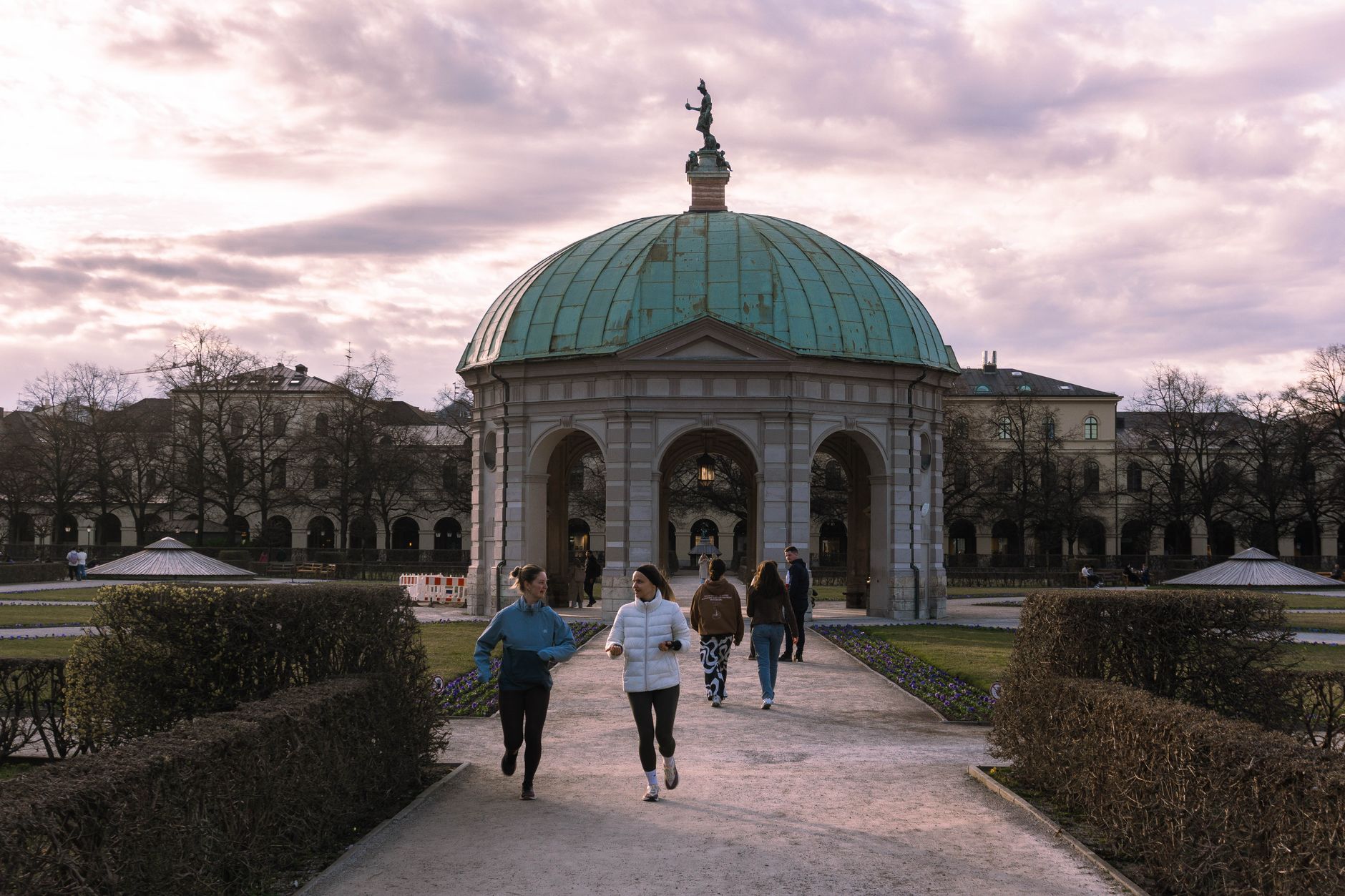
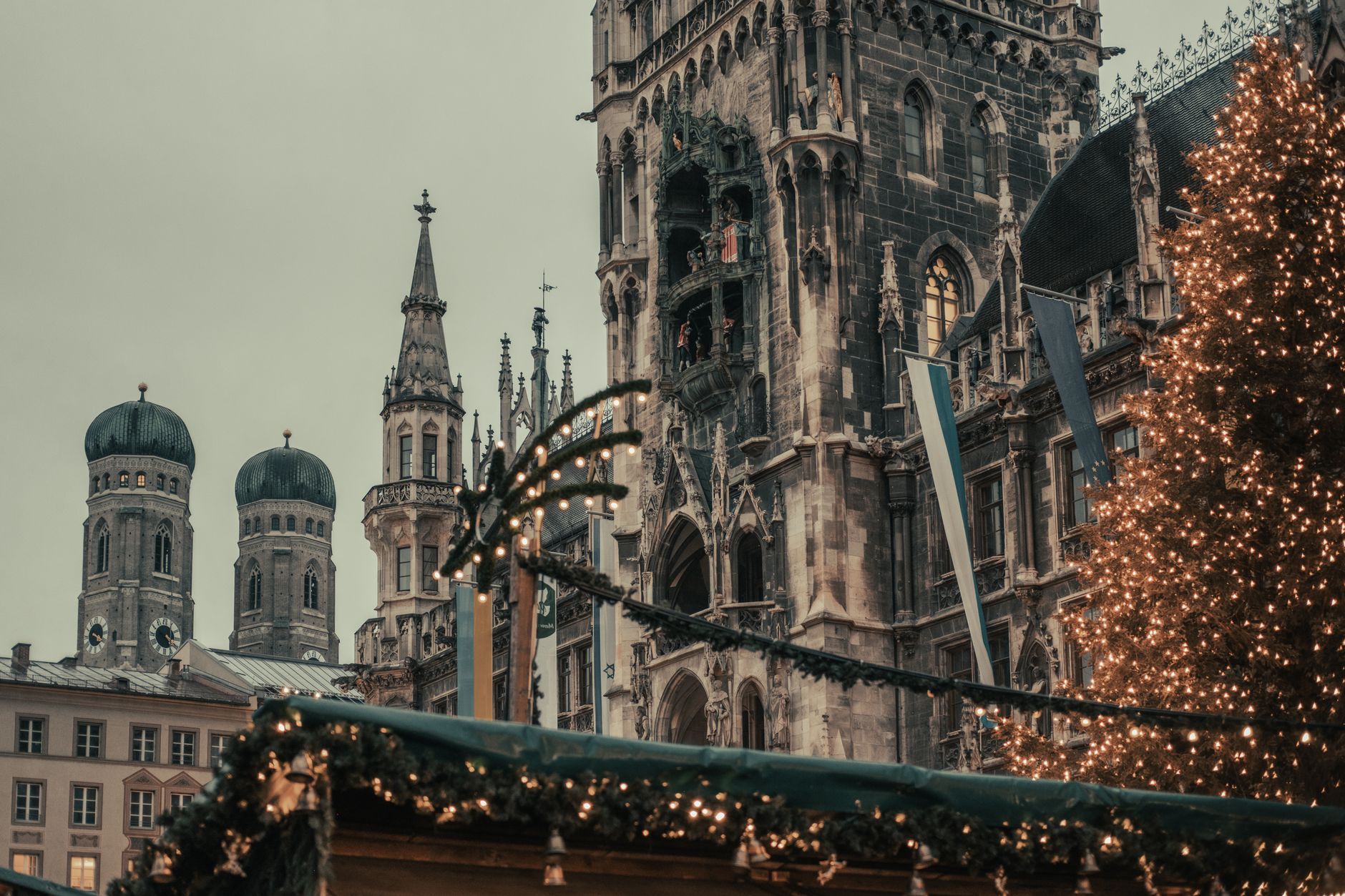
Stand at Marienplatz on any morning and you're standing on the spot where Henry the Lion established a river-crossing market in 1158 — the transaction that became Munich. The square is pedestrianised now, has been since 1972, and the gothic spires of the New Town Hall frame a Glockenspiel that has been performing its mechanical pageant since 1908. Walk a few minutes in almost any direction and the scale of what was rebuilt after WWII becomes quietly apparent: up to 90% of the medieval city was destroyed by bombing, and what you see today rose again between 1946 and the early 1970s.
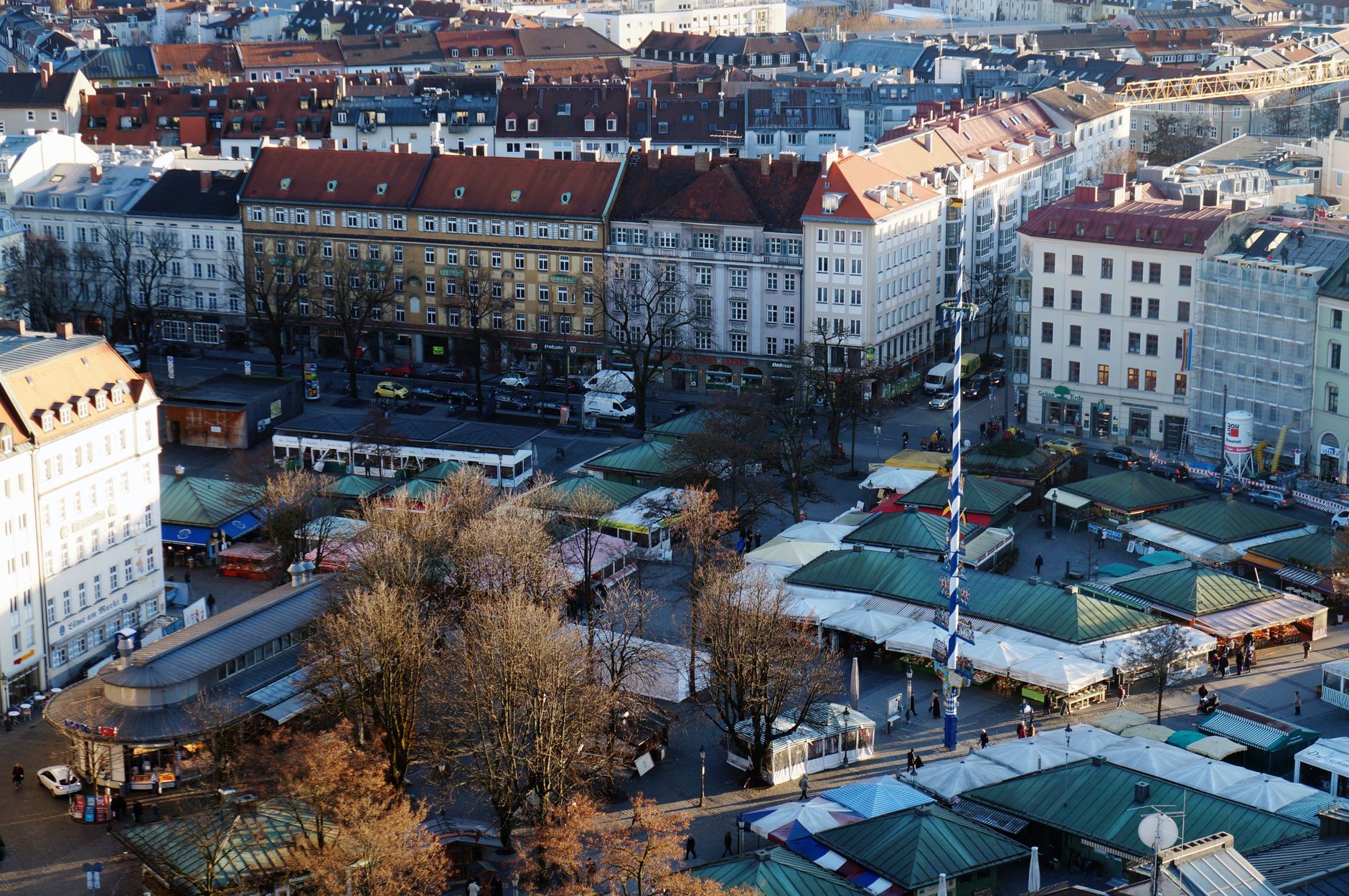
The Frauenkirche's twin onion-domed towers — red brick, late Gothic, just over 98 metres tall — remain the reference point for the whole skyline. The Residenz, begun in 1385, holds ten courtyards and 130 rooms. The Viktualienmarkt has been feeding the neighbourhood for centuries. Altstadt is not a neighbourhood you pass through; it's the reason the city exists.
💛 What travellers fall for
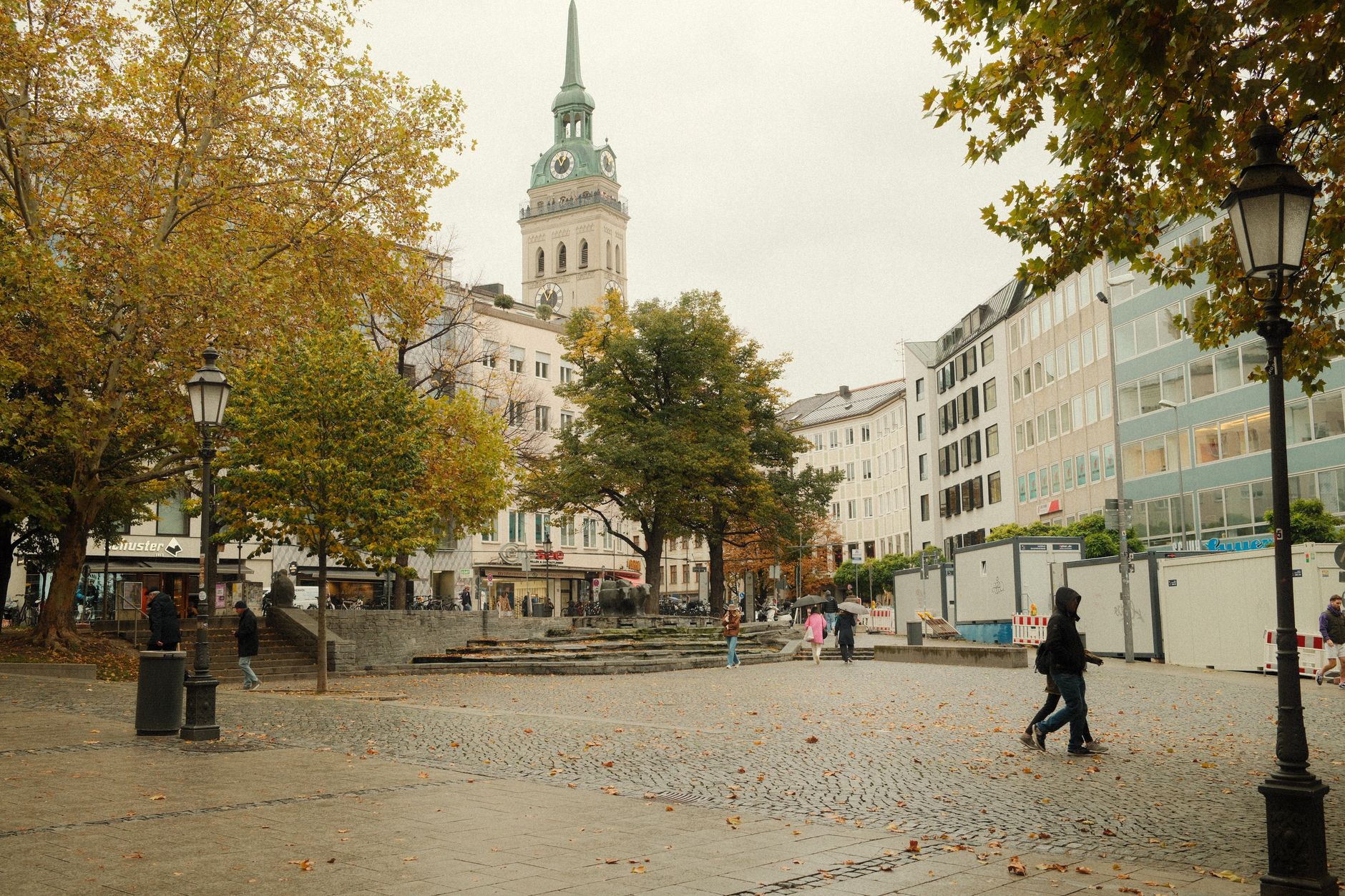
People who keep coming back tend to start the day at Viktualienmarkt before the tour groups arrive, grab something from a stall, and sit with it in the beer garden by nine in the morning. They also learn to climb Peterskirche's tower rather than the Frauenkirche's — the view takes in the twin domes rather than being blocked by them.
Experiences you don't want to miss


Deals in Altstadt
Book directly at the provider


How Altstadt came to be
On 14 June 1158, Henry the Lion demolished a bishop's toll bridge over the Isar and redirected trade through his own new market crossing — the founding act of Munich. The settlement gained city status in 1175 and was fortified; three of those medieval gates, Isartor (1337), Sendlinger Tor and Karlstor, still stand. The House of Wittelsbach took control in 1240 and held Bavaria until 1918, building the Residenz from 1385 onward and commissioning churches across the district across several centuries.
The name Altstadt was formalised only in 1954, by which point the neighbourhood was still being reconstructed. Allied bombing in WWII had erased the better part of the medieval fabric, and the rebuilding that followed — completed into the early 1970s — accounts for much of what visitors walk through today, even when it reads as older.
Who and what shaped it
People who shaped it
Landmark buildings
See Altstadt in motion
Plan your visit
On the map
When to go
Summer days are warm and sociable but May through August brings the heaviest rain, often as sharp afternoon thunderstorms — a light layer is worth carrying. Winter is cold with frequent snowfall and daytime temperatures hovering near freezing; spring arrives slowly and can throw a late frost as late as April.
Right now
Background & history adapted from Wikipedia (CC BY-SA) · specs from Wikidata (CC0) · weather from Open-Meteo · map data © OpenStreetMap contributors · photos from Wikimedia Commons / Unsplash with per-image credit. No third-party reviews or social posts reproduced.