
Schwabing
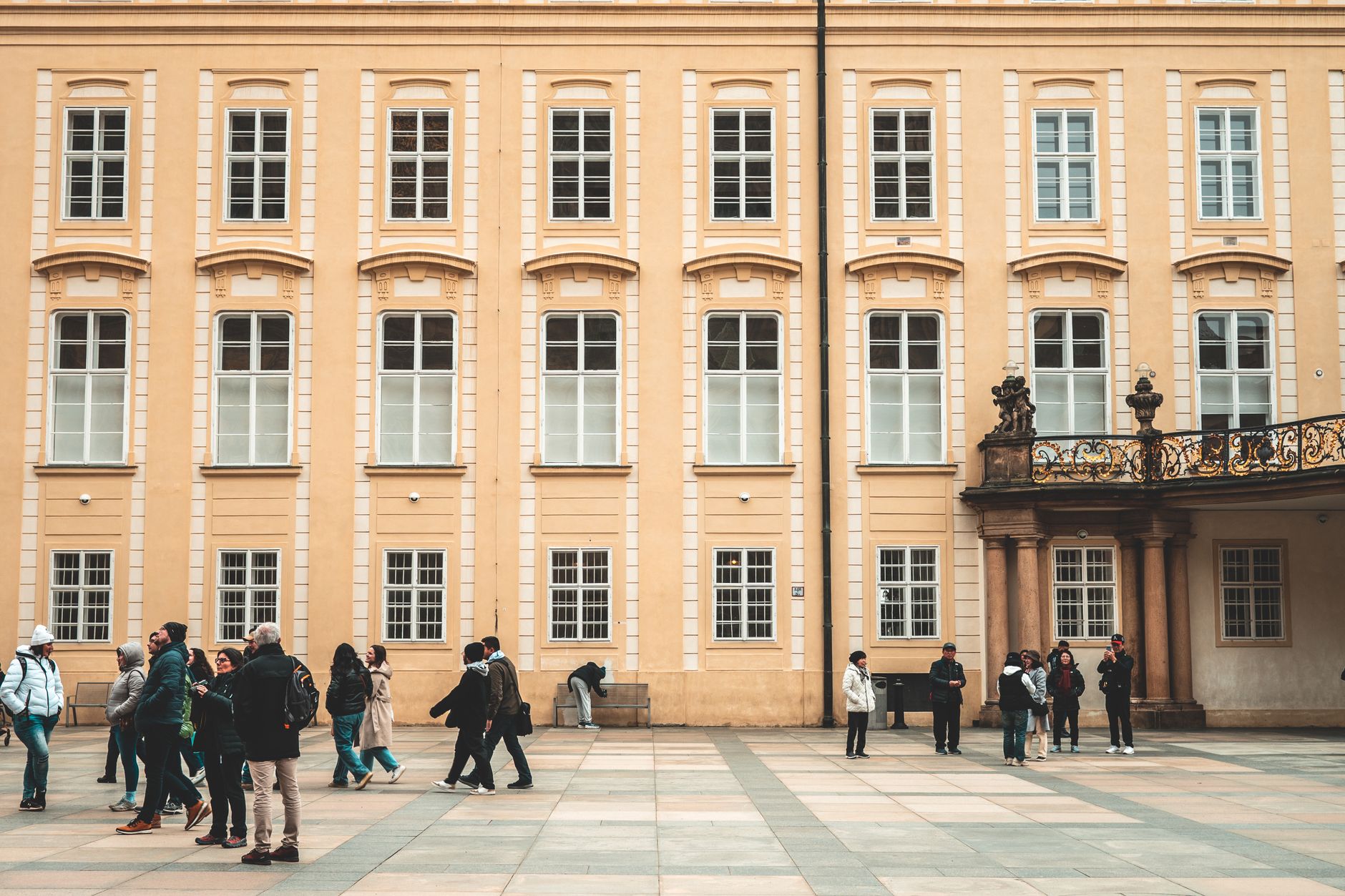
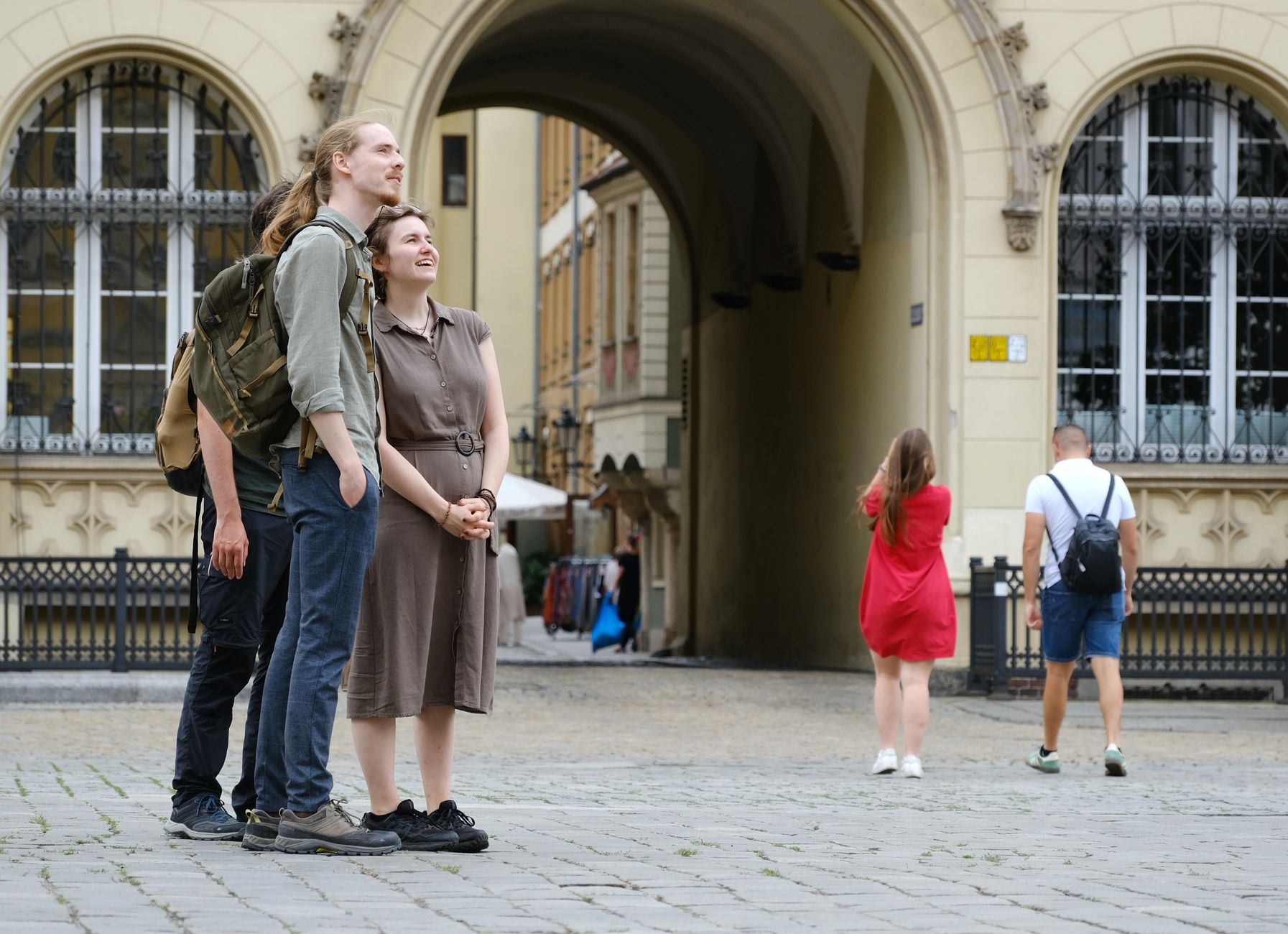
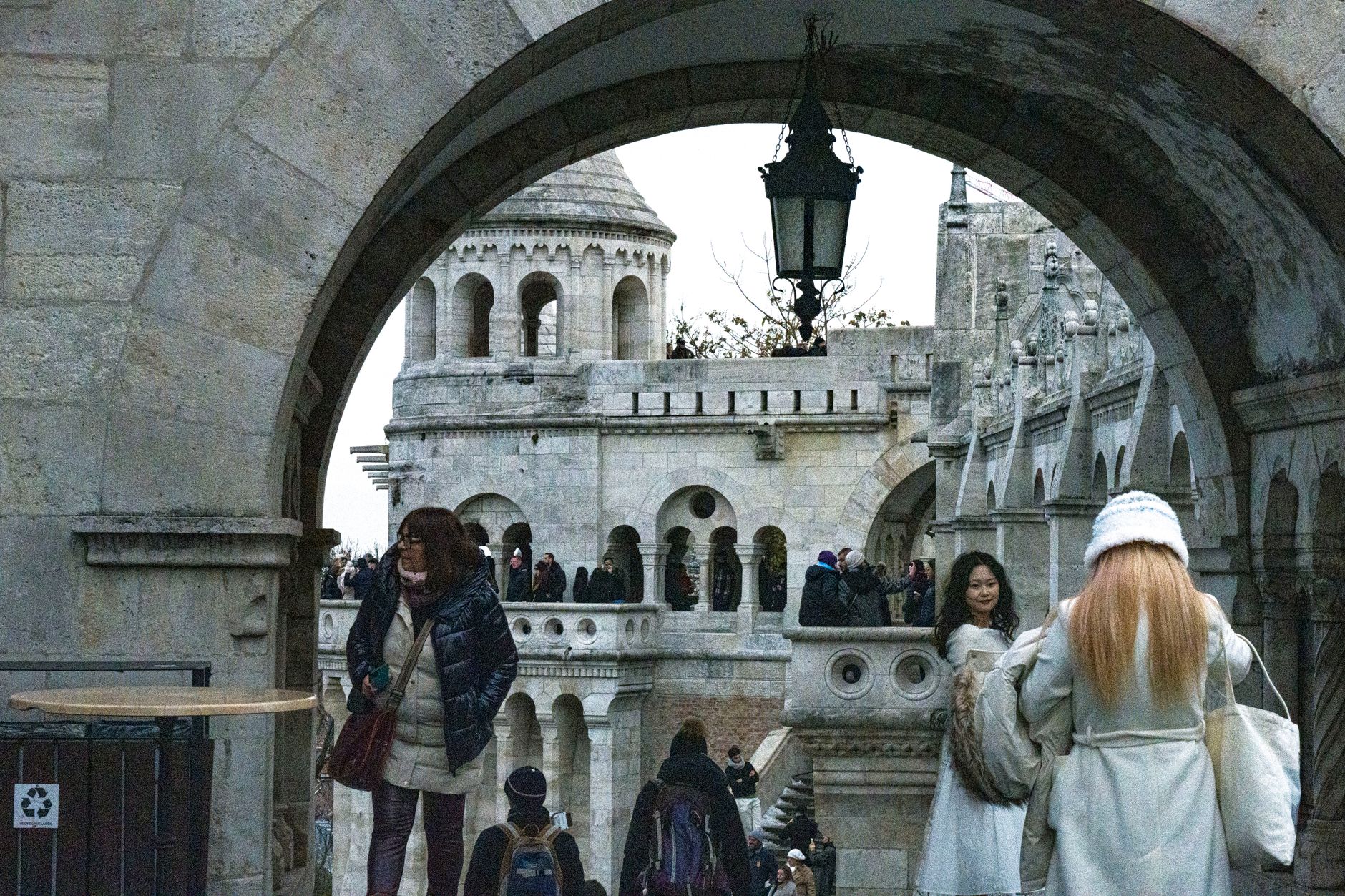
Schwabing predates Munich by roughly five centuries — it was already a village when the city to its south was still an idea. Walk Ainmillerstrasse on a slow afternoon and you'll pass the building where Kandinsky ran his Phalanx painting school, a few doors from where Rilke kept a flat, and somewhere nearby the atelier where Paul Klee threw parties wild enough to become local legend.
Today the neighbourhood is Munich's most expensive address, its Jugendstil facades carefully restored between blocks of 1960s concrete. The bohemian edge has softened — gentrification saw to that — but the bones of a genuinely strange and fertile place are still legible if you know what you're looking at.
💛 What travellers fall for
People who come back tend to anchor on Leopoldstrasse for orientation, then immediately leave it. The quieter streets behind it — Ainmillerstrasse, Siegfriedstrasse, Werneckstrasse — are where the Art Nouveau details reward slow walking. The Monopteros in the Englischer Garten on a clear morning, with the Alps visible behind Munich's roofline, is worth rearranging a morning for.
Deals in Schwabing
Book directly at the provider

How Schwabing came to be
Schwabing was incorporated into Munich in 1890, having existed as an independent settlement since the 8th century. The annexation coincided with a cultural moment: during the reign of Prince Regent Luitpold, the neighbourhood drew an extraordinary concentration of writers and artists — Thomas Mann, Heinrich Mann, Rilke, Wedekind, Kandinsky, Klee, Lion Feuchtwanger, Christian Morgenstern. Lenin arrived in 1900, after Siberian exile, and published revolutionary pamphlets from rented rooms on Schleissheimerstrasse — the same street where Hitler would live a decade later.
The Second World War left heavy damage. What came next was a different kind of energy: in the 1960s and 70s, Schwabing ran legendary clubs — Blow Up, Yellow Submarine, Domicile — and became a centre for the 1968 student movement. Gentrification gradually quieted all of that, leaving a wealthy, well-maintained district whose radical past requires a little imagination to recover.
Who and what shaped it
People who shaped it
Landmark buildings
See Schwabing in motion
Plan your visit
On the map
When to go
Munich summers are warm and often sunny, making Schwabing's street life and the Englischer Garten genuinely pleasant from May through September. Winters are cold and grey; the neighbourhood's cafés earn their keep then, but the long walks are better saved for other seasons.
Right now
Background & history adapted from Wikipedia (CC BY-SA) · specs from Wikidata (CC0) · weather from Open-Meteo · map data © OpenStreetMap contributors · photos from Wikimedia Commons / Unsplash with per-image credit. No third-party reviews or social posts reproduced.