
Milbertshofen
Two things define Milbertshofen at a glance: the silver four-cylinder tower of BMW's headquarters rising over Dostlerstraße, and the sweep of Olympic Park just to the southwest, where the 291-metre Olympiaturm still holds its place as Munich's tallest structure. This is a district shaped by industry and by a single extraordinary summer — 1972 — and it wears both legacies openly.
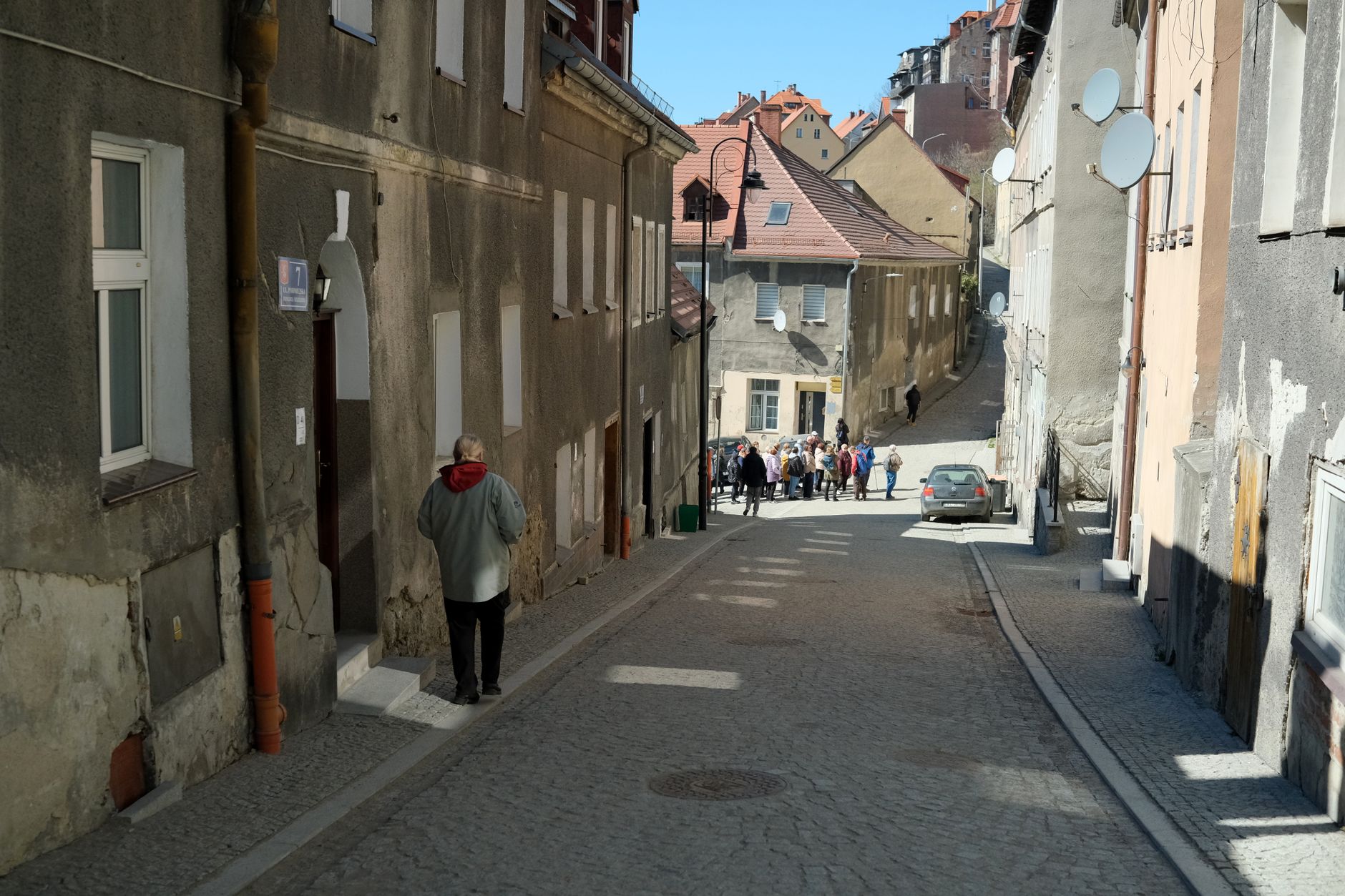
Beyond the landmarks, Milbertshofen moves at a quieter pace than the neighbourhoods closer to the Isar. The Friday market on Curt-Metzger-Platz, the Petuelpark stitching green space over a buried ring road, the old St.-Georg-Kirche standing at its square since 1510 — these are the coordinates of a working district that has no particular interest in performing itself for visitors.
💛 What travellers fall for
People who come back tend to time the Friday Wochenmarkt — open 8:00 to noon on Schleißheimerstraße — before the BMW Museum, so they arrive at Dostlerstraße after the first tour groups have thinned. The U2 from Milbertshofen station drops you at Scheidplatz in one stop, where a cross-platform change onto the U3 opens up the rest of the city without backtracking.
Deals in Milbertshofen
Book directly at the provider

How Milbertshofen came to be
The name traces back to a first written mention between 1149 and 1152, when the place was recorded as 'Ilmungeshoven.' Over the following centuries it shifted through several forms tied to a grain-milling fee — 'Mühlmazze' in the local dialect — before settling into the name it carries today. The monastery of Kloster Schäftlarn held the land in the medieval period and established the Georgenschwaige, a farming estate that gave the old St.-Georg-Kirche its reason to exist.
By 1900 roughly a thousand people lived here; by April 1913, when Munich absorbed the district, that number had reached ten thousand. Heavy bombing in the Second World War erased most of the old building stock, and the expansion of the Frankfurt Ring from 1957 demolished what remained of the farmhouses. The 1972 Olympics remade the southwestern edge entirely, and in 1992 an administrative consolidation joined Milbertshofen with Riesenfeld and Am Hart to form the current District 11.
Who and what shaped it
People who shaped it
Landmark buildings
See Milbertshofen in motion
Plan your visit
On the map
When to go
Summers are warm and manageable — July sits around 24°C — making it the natural season for the Olympic Park grounds and outdoor events like the Munich Marathon start. Winters run cold, often snowy, with temperatures between –2°C and 4°C; spring brings a rapid thaw and the occasional Föhn wind blowing down from the Alps.
Right now
Background & history adapted from Wikipedia (CC BY-SA) · specs from Wikidata (CC0) · weather from Open-Meteo · map data © OpenStreetMap contributors · photos from Wikimedia Commons / Unsplash with per-image credit. No third-party reviews or social posts reproduced.