
Hamburg
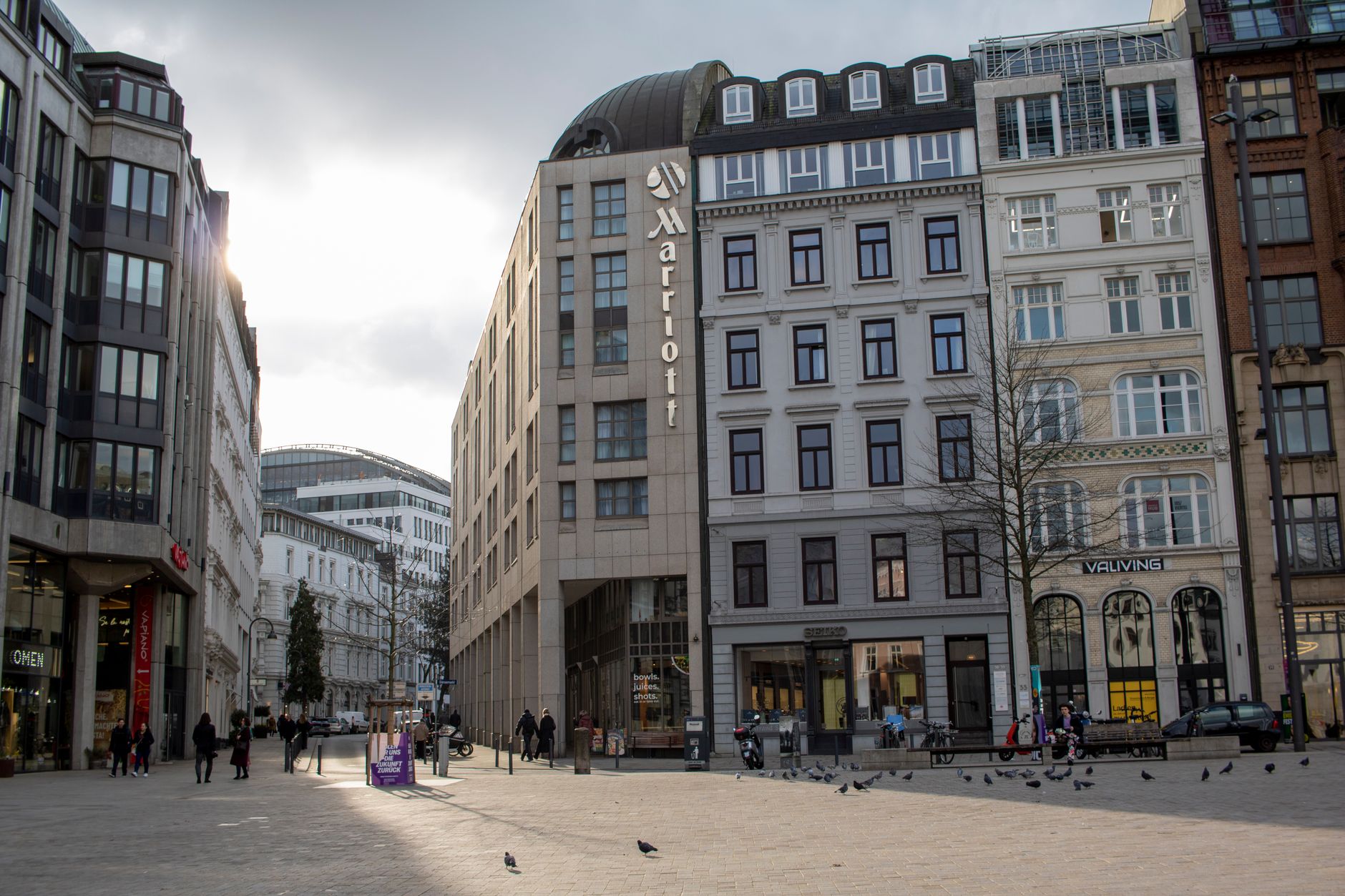
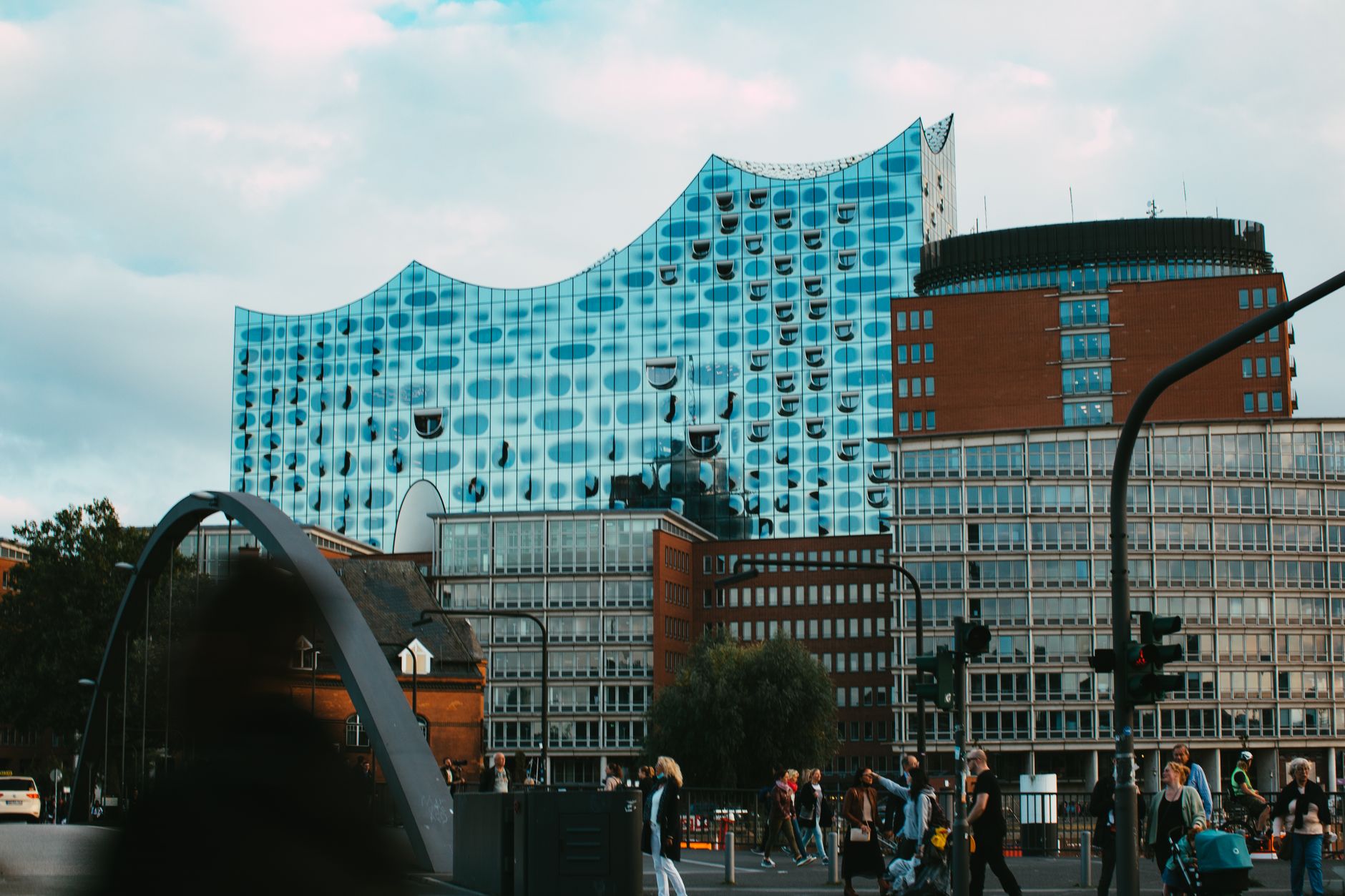
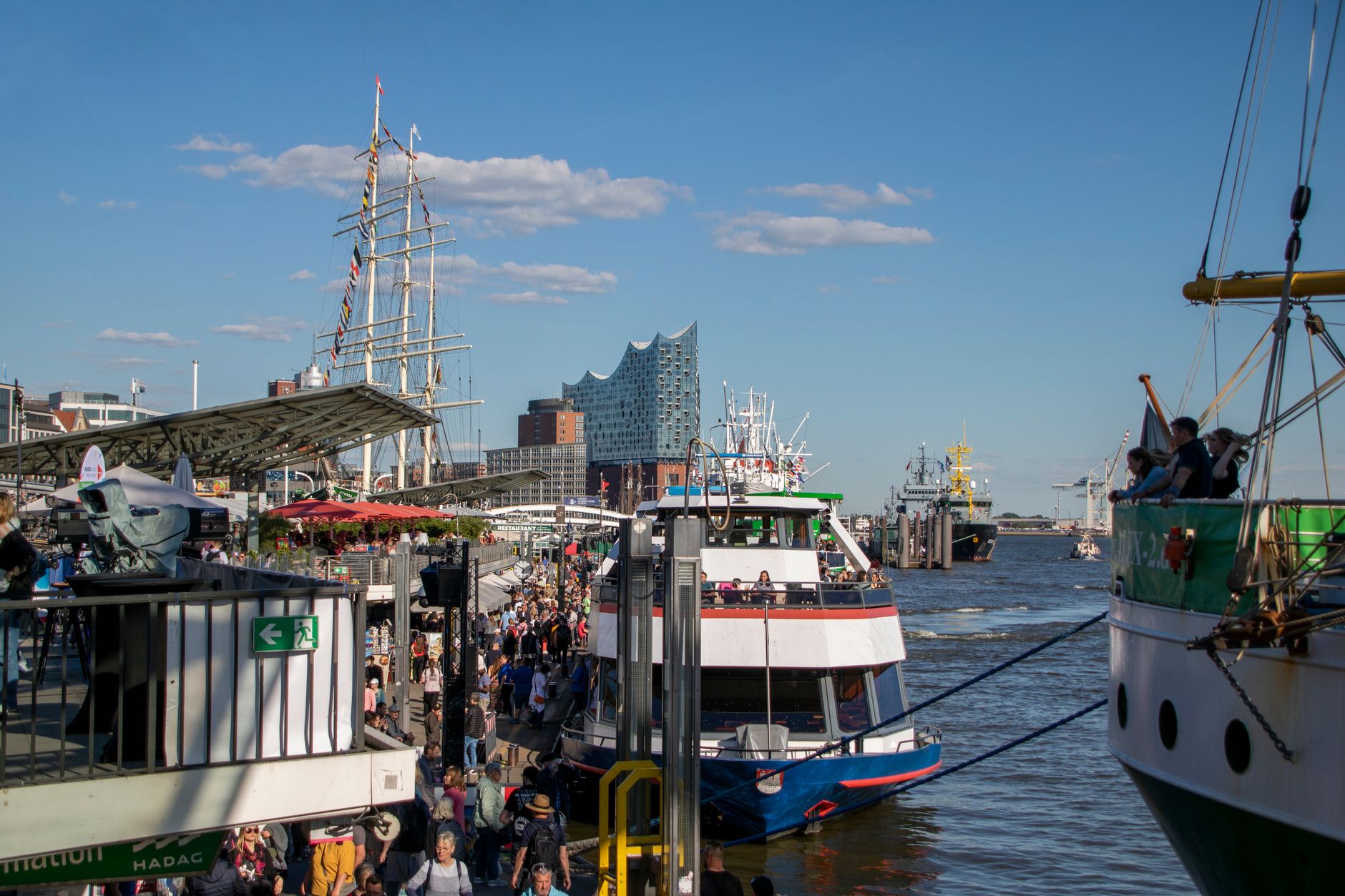
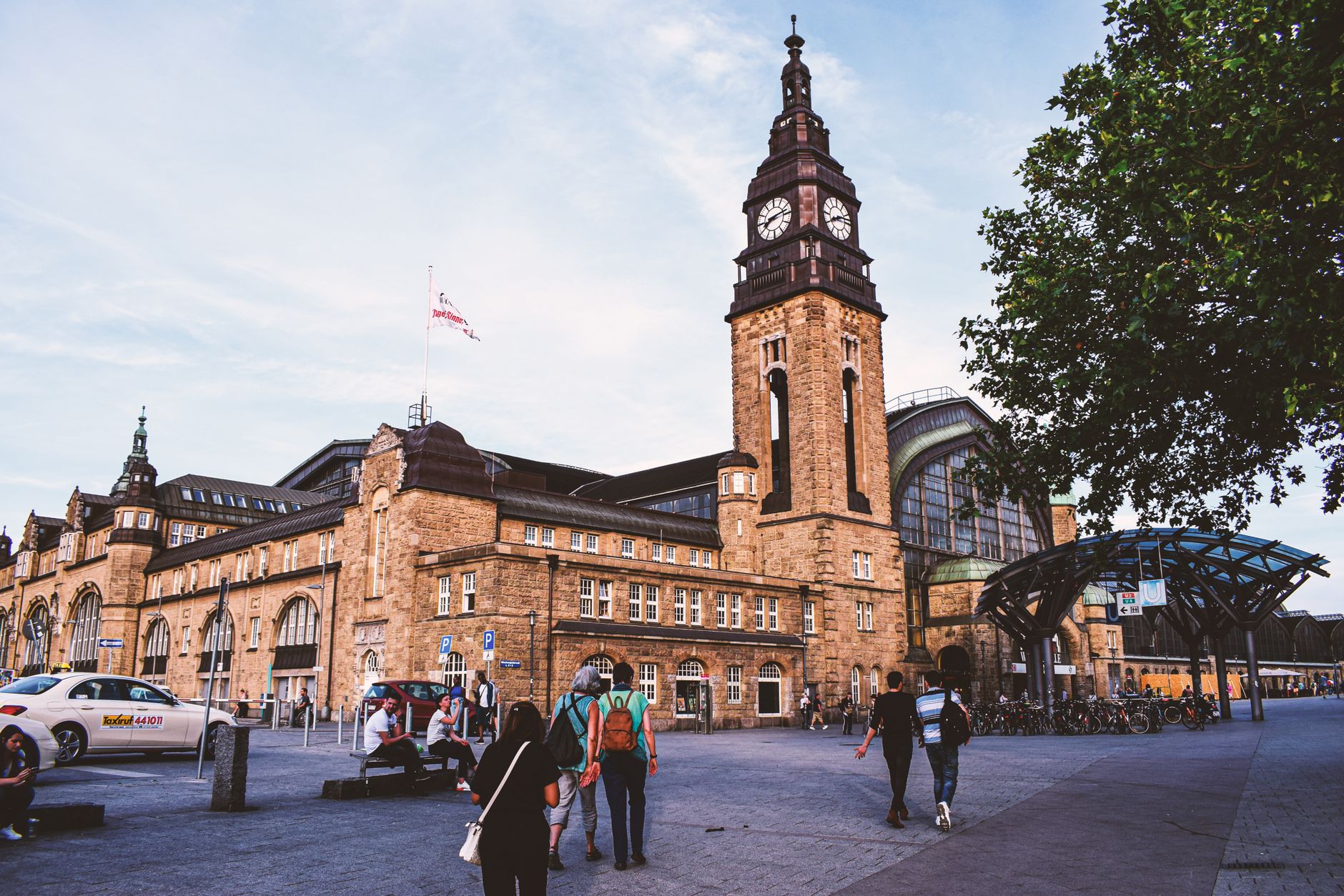
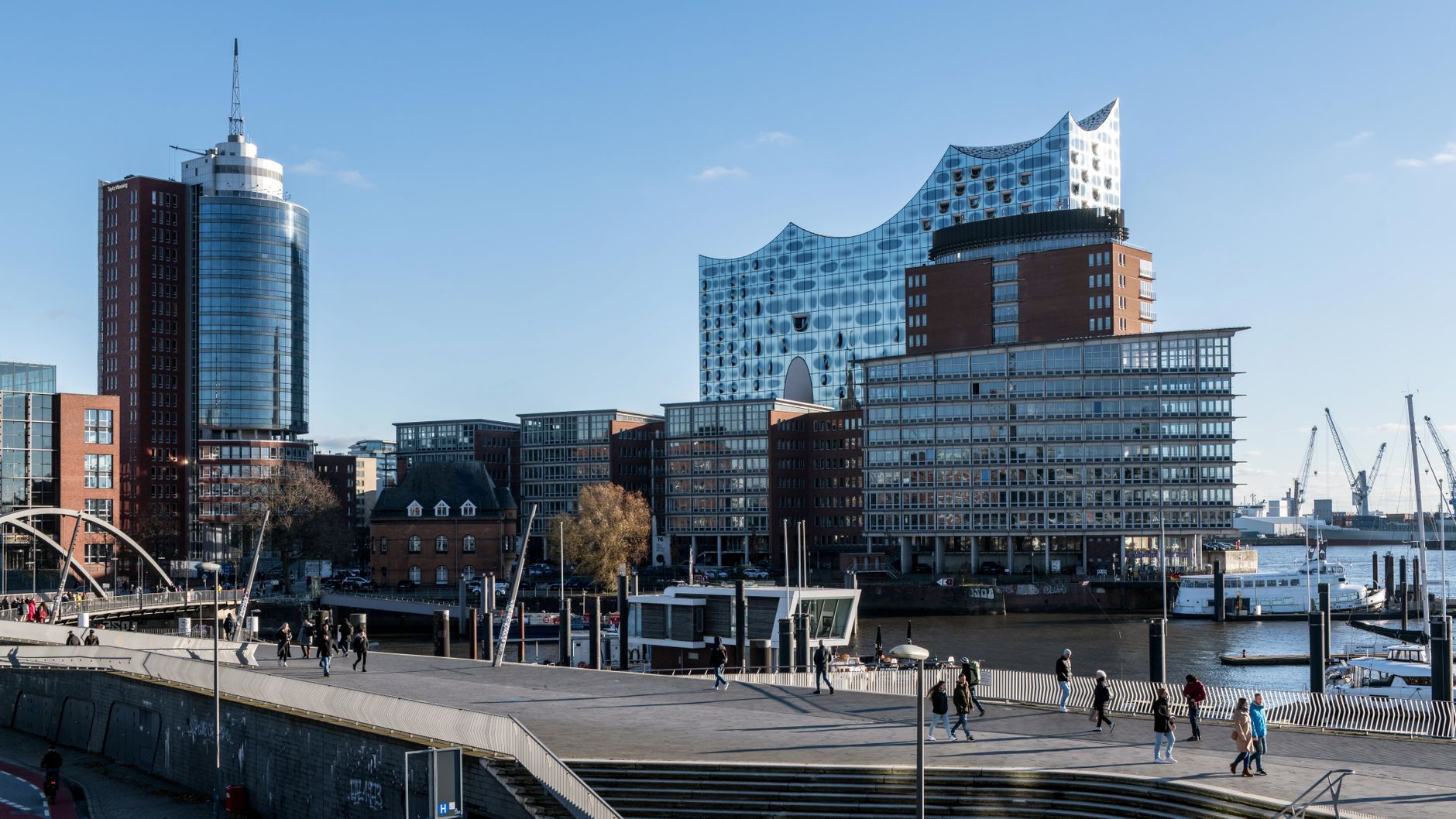
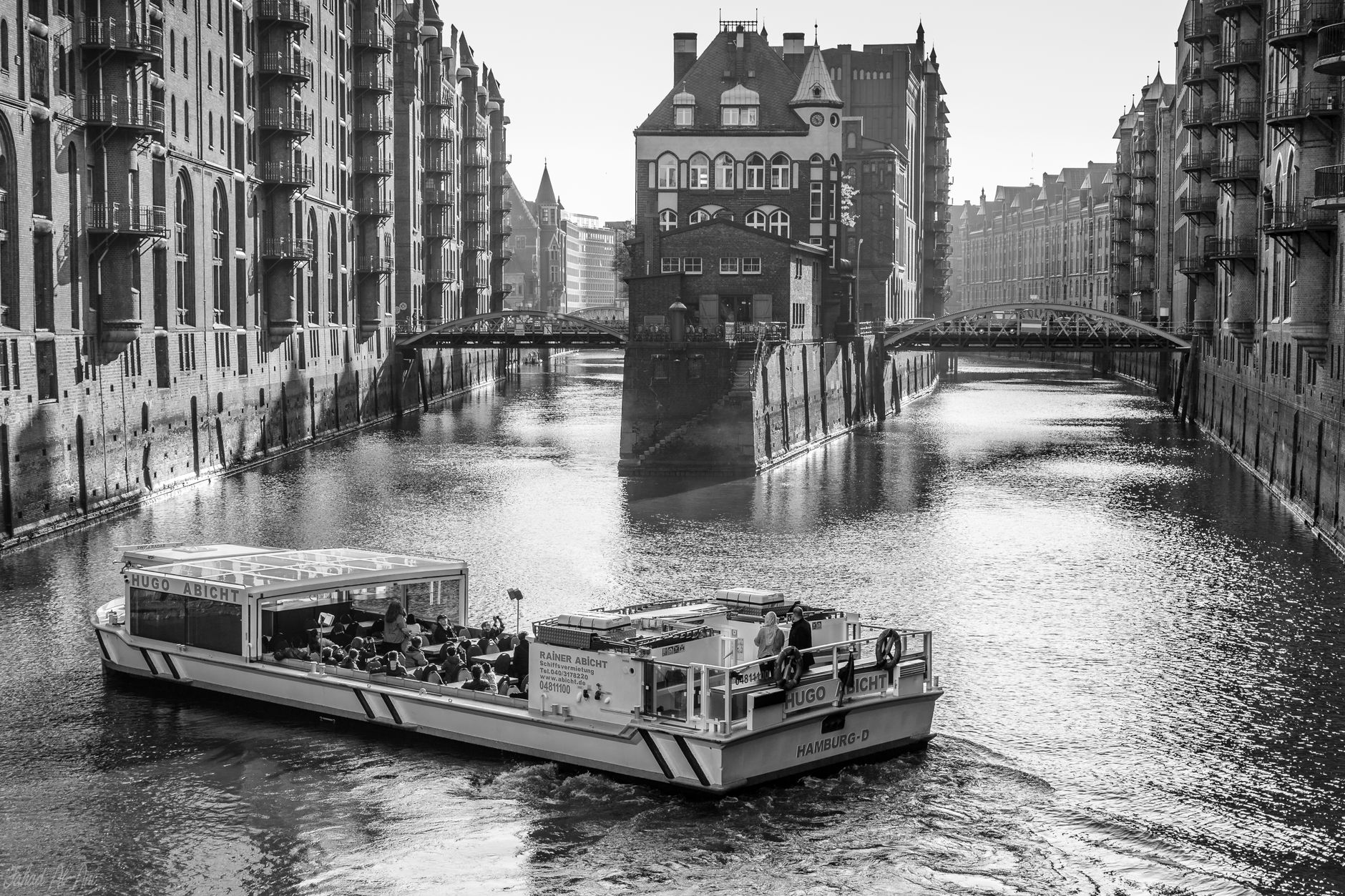
Hamburg is a city that earns its reputation through water. The Elbe and the Alster shape everything here — the light, the architecture, the mood of a Tuesday afternoon. Stand on the Landungsbrücken and watch a harbour ferry slide past the copper spire of St. Michaelis, and the city's essential character becomes clear: mercantile, independent, slightly salt-worn, and quietly serious about doing things well.
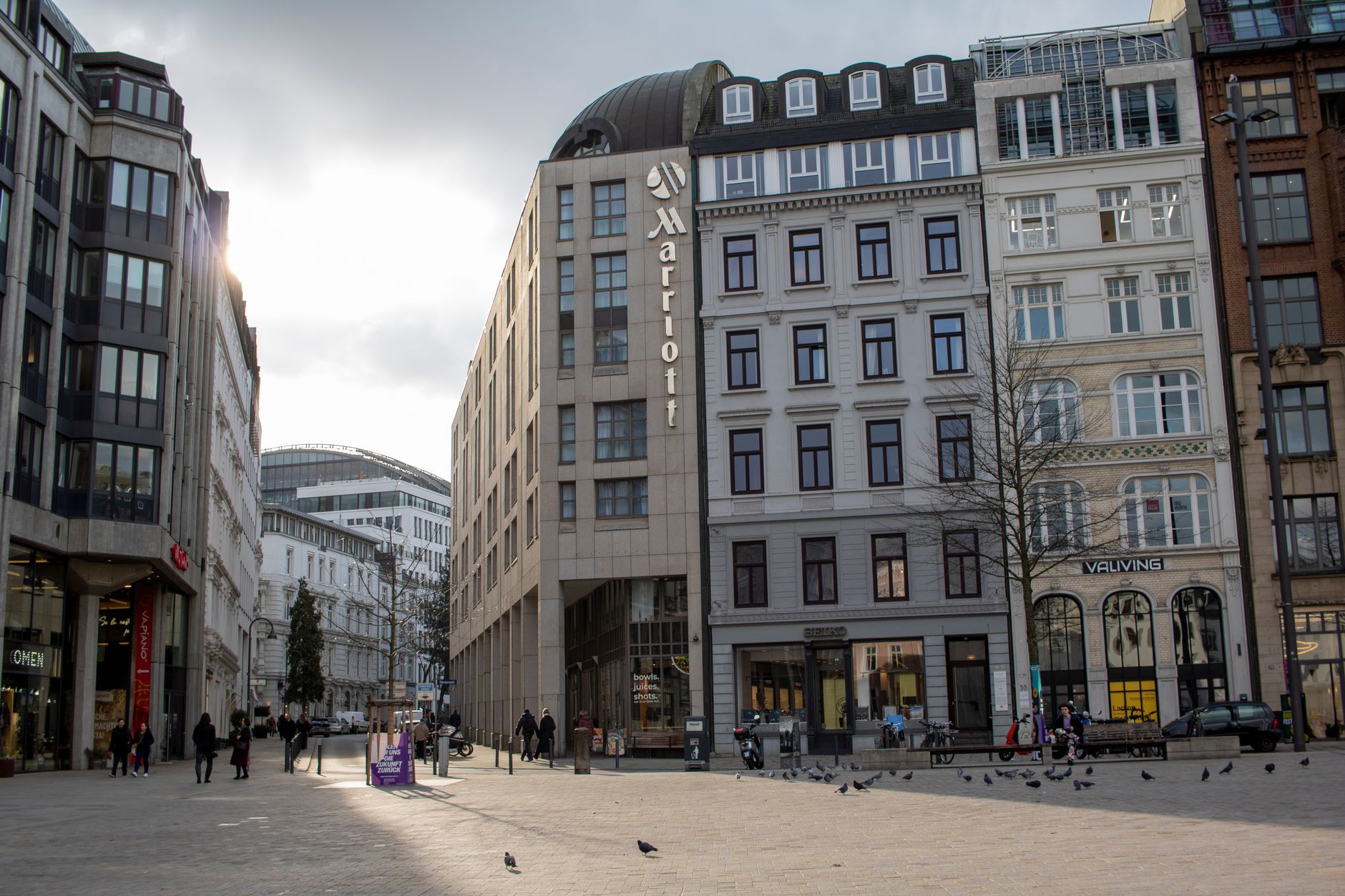
As Germany's second-largest city and one of Europe's major port capitals, Hamburg covers a lot of ground — from the brick Gothic warehouses of the Speicherstadt to the glass curves of the Elbphilharmonie rising over HafenCity. It rewards slow attention more than a checklist.
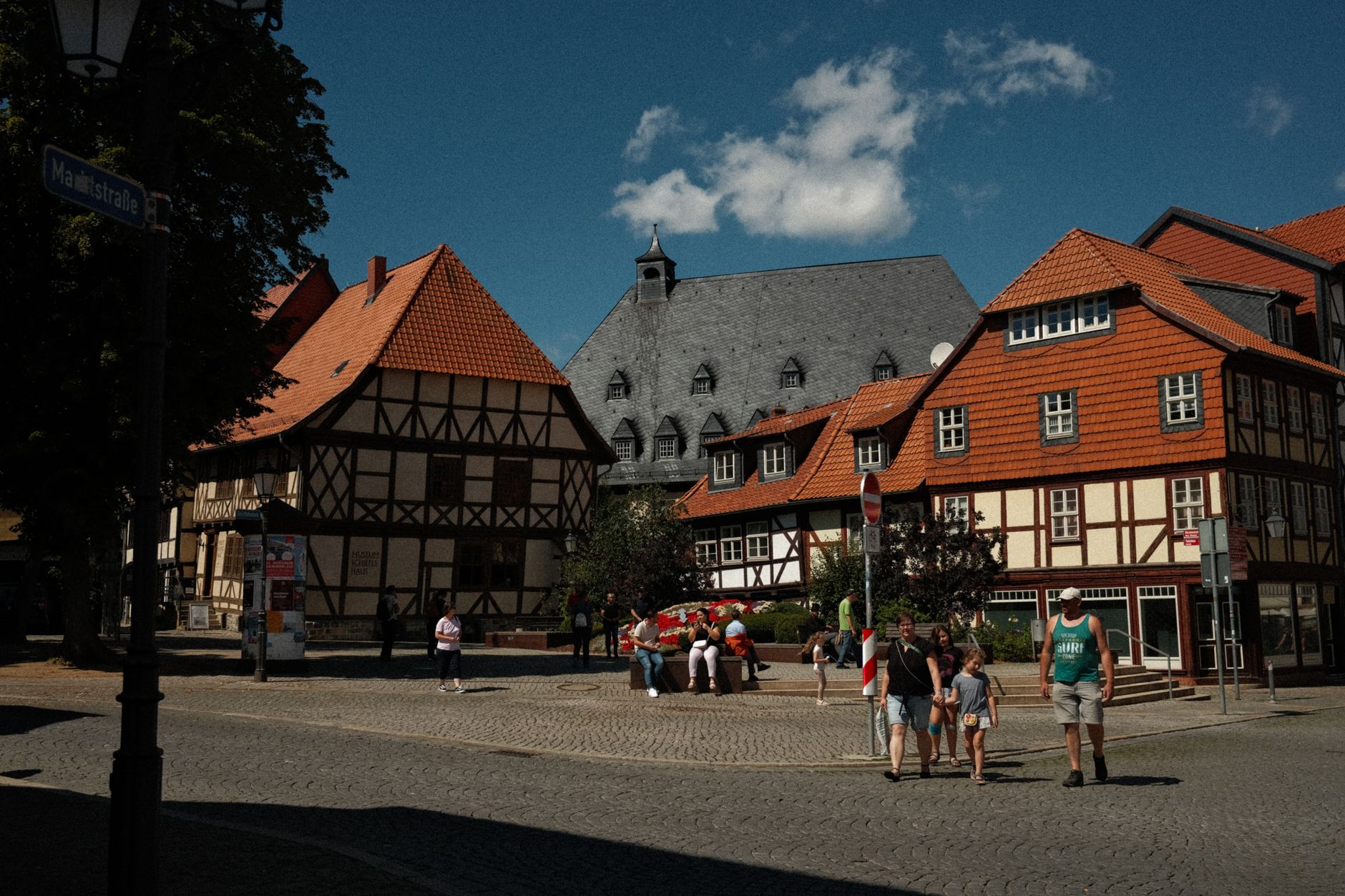
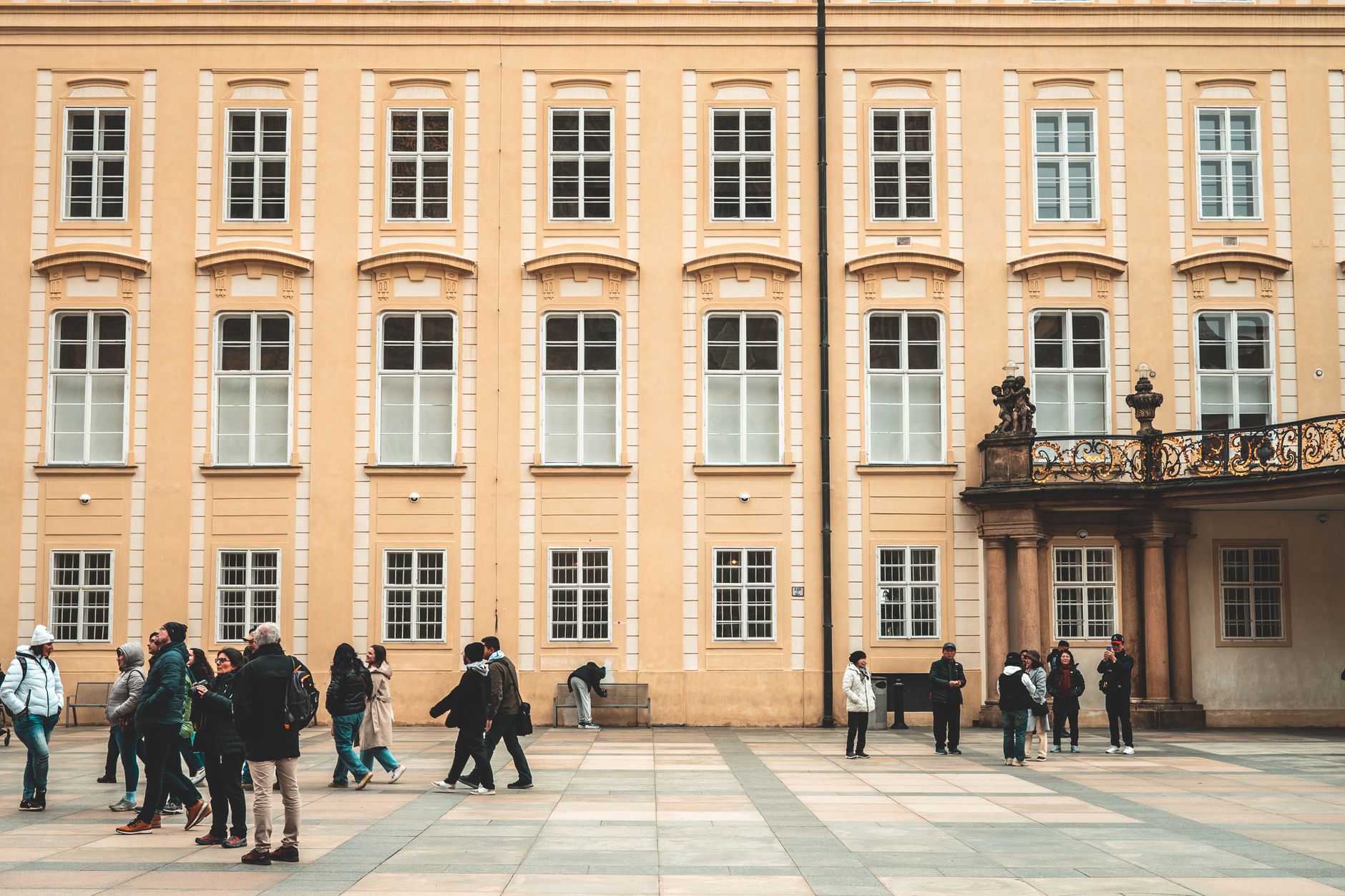
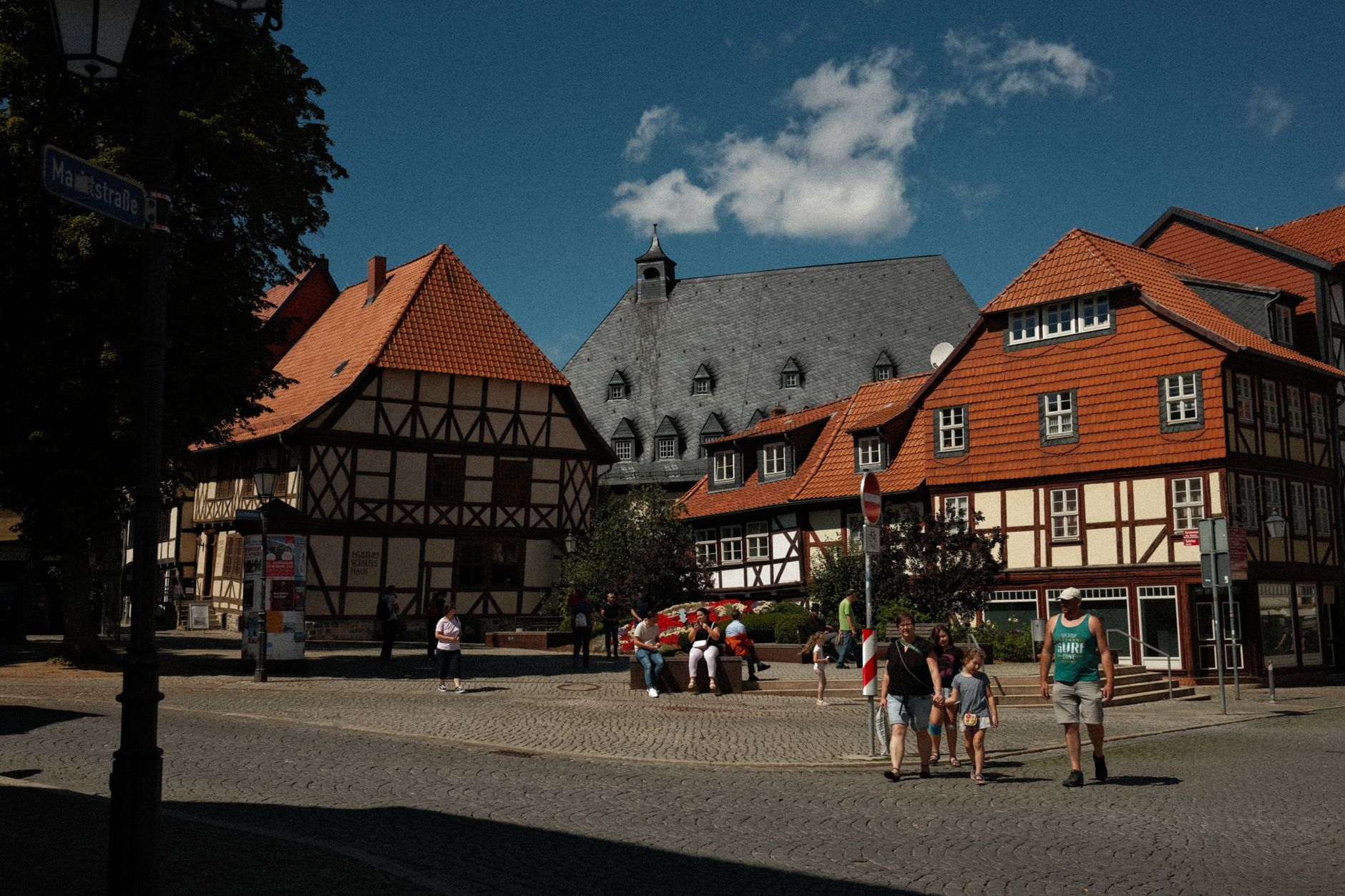
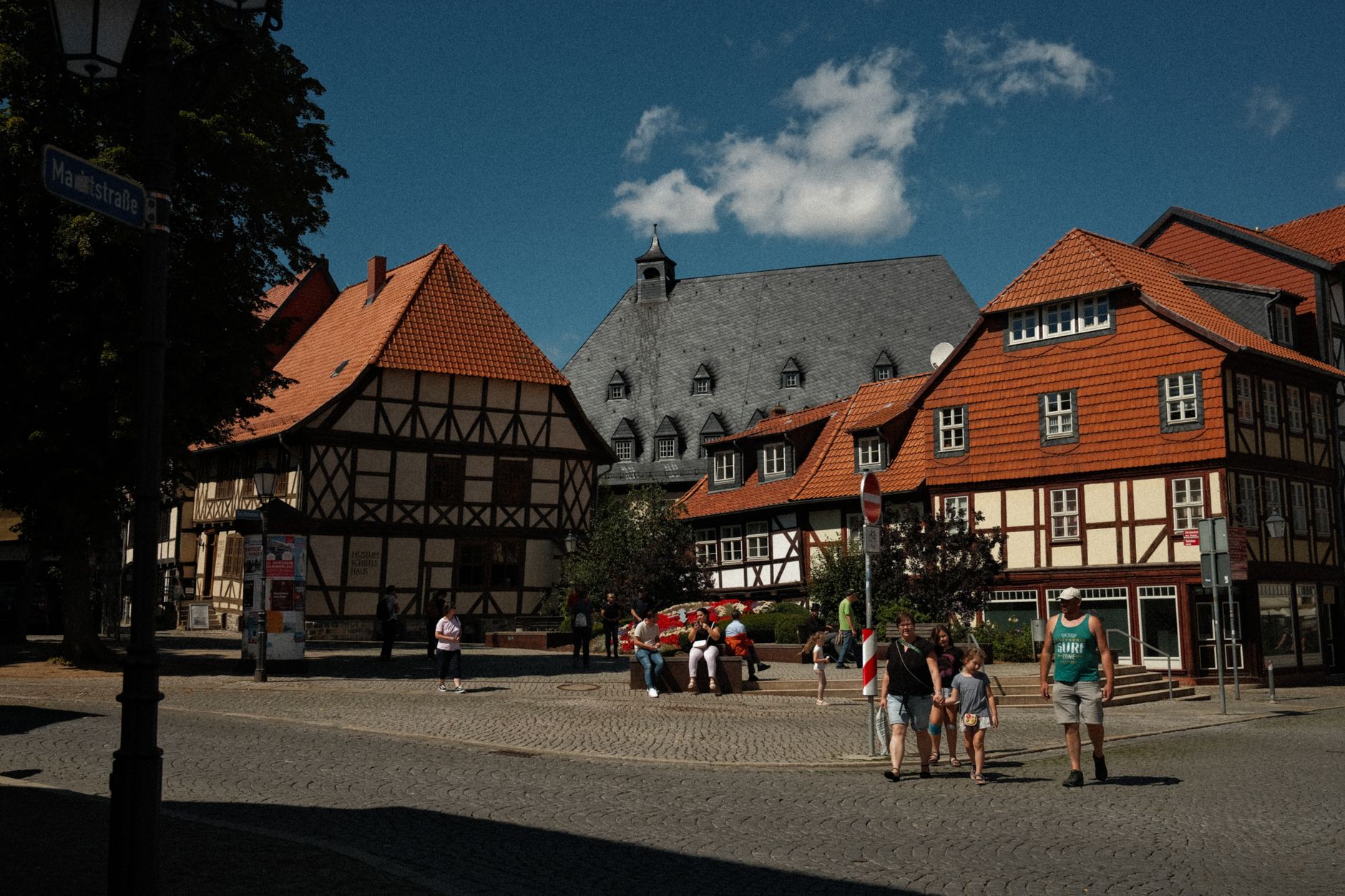
Popular cities in Hamburg

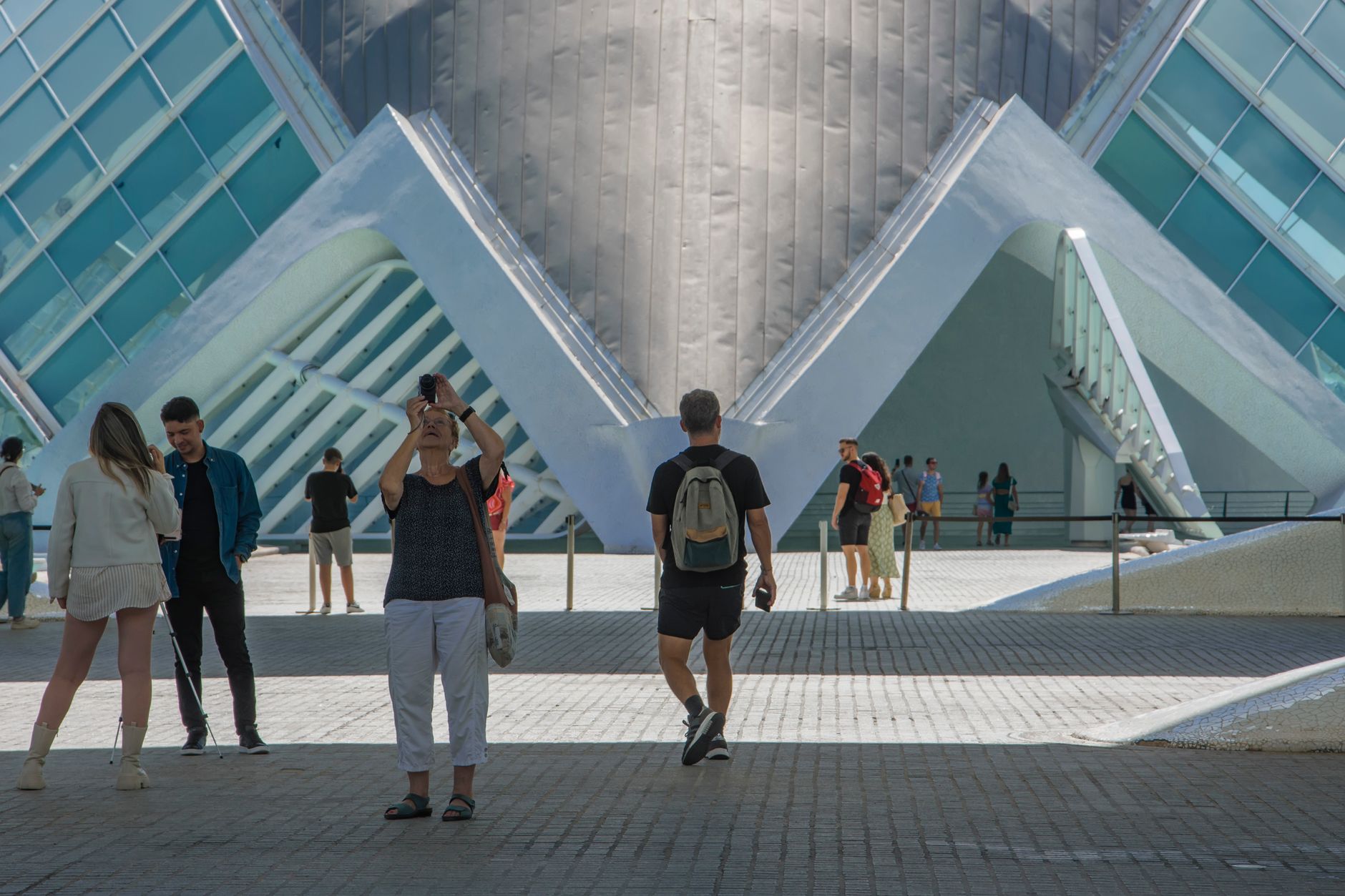
💛 What travellers fall for
People who keep coming back tend to do the same few things: take the U4 to HafenCity on a grey morning when the tourists are thin, walk the Speicherstadt canals before 9am, and catch an early evening concert at the Elbphilharmonie — even standing room repays the trip. The harbour ferries run on standard transit tickets, which most first-timers never figure out.
How Hamburg came to be
Hamburg's origins sit in marshland. In 808 CE, Charlemagne ordered a castle built at the confluence of the Alster and Elbe rivers as a missionary foothold — an unpromising start for what would become one of Europe's great trading cities. Frederick I Barbarossa granted Hamburg Free Imperial City status in 1189, and an alliance with Lübeck in 1241 folded it into the Hanseatic League. By 1558 it had a stock exchange. By 1678, an opera house.
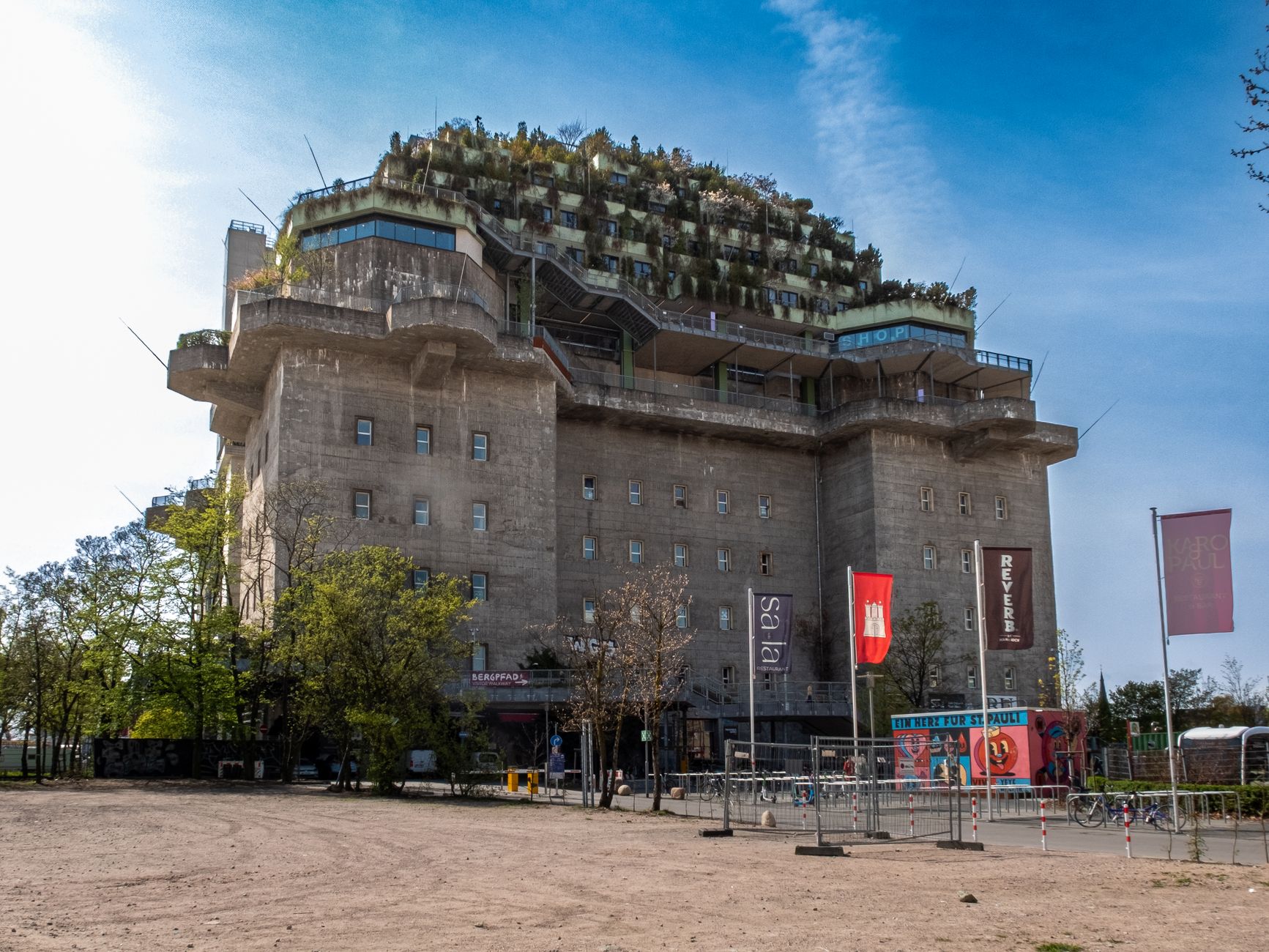
The city's independence was hard-won and periodically catastrophic. A great fire in May 1842 destroyed a quarter of it. Operation Gomorrah in 1943 killed around 42,000 people and gutted the centre. What stands today — the Rathaus completed in 1897 on four thousand oak piles, the rebuilt Michel, the UNESCO-listed Speicherstadt — is as much an act of reconstruction as of original ambition.
Who and what shaped it
People who shaped it
Landmark buildings
See Hamburg in motion
Plan your visit
On the map
When to go
Hamburg is northern and maritime, which means cool summers, mild but grey winters, and rain distributed fairly evenly across the year. July and August bring the most reliable warmth (around 22°C), making harbour and waterfront time genuinely pleasant; winter is raw and often overcast, but the city functions fully and crowds thin considerably.
Right now
↡ Cities
Background & history adapted from Wikipedia (CC BY-SA) · specs from Wikidata (CC0) · weather from Open-Meteo · map data © OpenStreetMap contributors · photos from Wikimedia Commons / Unsplash with per-image credit. No third-party reviews or social posts reproduced.